
Hagerstown Railroad Museum
About Hagerstown Railroad Museum
Description
The Hagerstown Railroad Museum sits as a focused, approachable stop for people curious about rail history in Hagerstown, Maryland, United States of America. At its heart is a steam locomotive that draws attention the second a visitor glimpses its iron silhouette. The museum does not try to be a sprawling, shiny mega-center; instead it delivers a compact, earnest look at the machines and the human stories that moved goods and people across the region. It’s the kind of place where a single exhibit — an old steam engine, a conductor’s uniform, some timetables — can spark a dozen questions and, yes, a few long conversations with volunteers who really know their stuff.
This museum is family-friendly and especially good for kids. Children tend to light up at the sight of the locomotive and the tactile relics on display. There are moments here that are made for little hands-on discovery (within safe limits), so parents often find it a relief when their kids can touch, point, and imagine. The experience is educational without being stiff; history is presented as a series of human choices, loud whistles, coal-scented breath, and mechanical ingenuity, not just dates and dry facts.
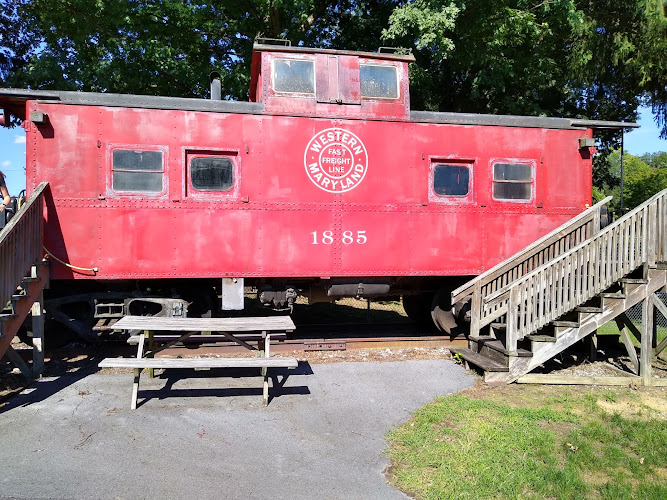
Visitors who enjoy a slower pace of travel will appreciate the museum’s intimacy. It’s a place to linger over details: the rivets on a boiler, faded paint on a caboose, a handwritten logbook entry that hints at a long-ago winter storm. For train fans and casual visitors alike, the physical presence of a steam locomotive is a visceral reminder of how transportation shaped towns like Hagerstown. There’s a certain reverence here — not overly reverent, mind you — just the right balance between museum polish and the grit you’d expect when dealing with coal and steel.
Beyond the big iron centerpiece, the museum offers interpretive displays that put the locomotive into context: the era it worked in, the jobs it supported, the communities it connected. Local railroad memorabilia and photos help paint a fuller picture. Those who come seeking depth will find volunteer staff and local rail enthusiasts often happy to share stories, background, and quirky anecdotes about operations, schedules, and the personalities behind the rails. And yes, sometimes the best tidbits are the small, almost throwaway lines from those volunteers — the kind of offhand comment that makes history feel alive.
The overall vibe is low-key and sincere. This is not a place to rush through. A thoughtful visitor will exit feeling like they’ve walked away with a few solid takeaways: an appreciation for steam technology, a better understanding of Hagerstown’s role in regional rail networks, and some fun trivia to drop at a dinner party (or at least to entertain kids on the car ride home). It’s a good match for families, history buffs, photographers, and people who enjoy learning through close-up encounters with real artifacts.
Key Features
- Steam locomotive as the main exhibit — a striking, hands-on centerpiece that invites close inspection and photography
- Family-friendly displays and elements that engage children and encourage tactile learning
- Local railroad artifacts and historical photographs that place the locomotive in Hagerstown’s transportation story
- Volunteer staff and enthusiasts who often share insider stories and practical explanations (great for Q&A)
- Compact layout that makes for a focused, easily navigable visit — no marathon museum fatigue here
- Opportunities for photography, especially for those who enjoy industrial textures, vintage signage, and steam-era styling
- Informal interpretive panels that explain basic mechanics and the social impact of rail travel in the region
- Community-oriented programming at times (talks, small events) — check local listings or call ahead when planning a trip
Best Time to Visit
The best time to visit the Hagerstown Railroad Museum depends on what a visitor wants out of the experience. Spring and fall typically offer comfortable weather for wandering around exterior exhibits without sweltering heat or bitter cold. Weekday mornings are quieter if someone seeks a contemplative visit or better angles for photography. If the goal is family fun, weekend late mornings to early afternoons tend to have the right mix of activity and access to volunteers for guided conversations.
Holiday periods sometimes bring themed events, so planning a visit around those dates can add a layer of programmatic interest (but this can also mean larger crowds). If a visitor prefers minimal crowds and an unhurried pace, aim for an off-peak weekday.
For photographers who want dramatic shots, early morning light or late afternoon tends to be most flattering to the ironwork and signage. Avoid midday if harsh light is a concern. And if someone hopes to catch a volunteer demonstration or a community talk, it’s worth calling ahead — those moments don’t always follow a strict schedule.
How to Get There
The museum is accessible by car and most visitors arrive that way. Parking tends to be straightforward near the facility, and drives through the city are generally simple for those coming from nearby regions of Maryland or neighboring states. For travelers relying on public transit, regional bus services connect Hagerstown to surrounding towns; from a transit stop, a short taxi or rideshare trip usually does the trick. But note: public transit options may vary by schedule and season, so plan ahead if not driving.
Those coming from farther afield — say a weekend traveler passing through the mid-Atlantic region of the United States of America — often find the museum pairs nicely with other historic stops in the area. It’s an easy addition to an itinerary that includes small-town history, local diners, and scenic drives. Navigation apps will point the way, yet visitors should double-check local hours before heading out; small museums sometimes close for private events or volunteer days.
Tips for Visiting
Practical prep makes the visit smoother. Here are useful, real-world tips that visitors will appreciate:
- Check hours and any special notices before travel. Small museums can have irregular hours, and no one likes making that trip only to find the doors closed.
- Bring a camera (or a phone with a decent camera). The steam locomotive and surrounding objects make for memorable photos. Try early or late light for the best results.
- Wear comfortable shoes. Even though the museum is compact, visitors often linger and explore outdoor exhibits or walk to nearby vantage points.
- If visiting with children, prepare a few prompts to get them curious: ask them to count wheels, spot levers, or imagine what it smelled like inside the cab. Kids love that kind of guided discovery.
- Ask questions. Volunteer staff and local rail enthusiasts usually enjoy sharing stories. Those informal chats often reveal the quirkiest pieces of local lore.
- Respect safety boundaries. The locomotive and equipment are imposing and fascinating, but some parts are off-limits for preservation and safety reasons. Signage should be followed.
- Combine the visit with local dining. There are classic, no-frills eateries in Hagerstown that pair well with a day of exploring. A diner lunch after a museum visit feels like the right sort of reward.
- Consider seasonality. Hot summer afternoons can be heavy; dress accordingly. Colder months may limit outdoor access, so layers are a good idea.
- Bring cash. Small museums sometimes appreciate cash for donations, small purchases, or admission — though many accept cards, it’s handy to have some bills just in case.
- If photography is a priority, be mindful of reflections and glare on glass cases. A polarizing filter or simple adjustments in composition can make a big difference.
Finally, a few candid observations that don’t fit neatly into a checklist: the museum carries a sort of local personality. It’s not polished to museum-of-art standards, and that’s part of its charm. Visitors who expect a blockbuster or a mega-collection might be surprised. But those who come wanting to be curious and willing to have a conversation will leave with memorable details and stories they didn’t expect to learn. This is a place that rewards the patient visitor — and chances are, they’ll smile at least once at something delightfully old-school during their visit.
For anyone planning a rail-themed day trip through the mid-Atlantic, the Hagerstown Railroad Museum is worth the stop. It’s compact, it’s real, and it holds a slice of the steam-era past steady enough for visitors to reach out and touch history — metaphorically and sometimes literally. Bring questions, leave a bit of time to linger, and enjoy the creak and clank of rail history up close.
Key Features
- Steam locomotive as the main exhibit — a striking, hands-on centerpiece that invites close inspection and photography
- Family-friendly displays and elements that engage children and encourage tactile learning
- Local railroad artifacts and historical photographs that place the locomotive in Hagerstown’s transportation story
- Volunteer staff and enthusiasts who often share insider stories and practical explanations (great for Q&A)
- Compact layout that makes for a focused, easily navigable visit — no marathon museum fatigue here
- Opportunities for photography, especially for those who enjoy industrial textures, vintage signage, and steam-era styling
- Informal interpretive panels that explain basic mechanics and the social impact of rail travel in the region
- Community-oriented programming at times (talks, small events) — check local listings or call ahead when planning a trip
More Details
Updated August 30, 2025
Table of Contents
Description
The Hagerstown Railroad Museum sits as a focused, approachable stop for people curious about rail history in Hagerstown, Maryland, United States of America. At its heart is a steam locomotive that draws attention the second a visitor glimpses its iron silhouette. The museum does not try to be a sprawling, shiny mega-center; instead it delivers a compact, earnest look at the machines and the human stories that moved goods and people across the region. It’s the kind of place where a single exhibit — an old steam engine, a conductor’s uniform, some timetables — can spark a dozen questions and, yes, a few long conversations with volunteers who really know their stuff.
This museum is family-friendly and especially good for kids. Children tend to light up at the sight of the locomotive and the tactile relics on display. There are moments here that are made for little hands-on discovery (within safe limits), so parents often find it a relief when their kids can touch, point, and imagine. The experience is educational without being stiff; history is presented as a series of human choices, loud whistles, coal-scented breath, and mechanical ingenuity, not just dates and dry facts.
Visitors who enjoy a slower pace of travel will appreciate the museum’s intimacy. It’s a place to linger over details: the rivets on a boiler, faded paint on a caboose, a handwritten logbook entry that hints at a long-ago winter storm. For train fans and casual visitors alike, the physical presence of a steam locomotive is a visceral reminder of how transportation shaped towns like Hagerstown. There’s a certain reverence here — not overly reverent, mind you — just the right balance between museum polish and the grit you’d expect when dealing with coal and steel.
Beyond the big iron centerpiece, the museum offers interpretive displays that put the locomotive into context: the era it worked in, the jobs it supported, the communities it connected. Local railroad memorabilia and photos help paint a fuller picture. Those who come seeking depth will find volunteer staff and local rail enthusiasts often happy to share stories, background, and quirky anecdotes about operations, schedules, and the personalities behind the rails. And yes, sometimes the best tidbits are the small, almost throwaway lines from those volunteers — the kind of offhand comment that makes history feel alive.
The overall vibe is low-key and sincere. This is not a place to rush through. A thoughtful visitor will exit feeling like they’ve walked away with a few solid takeaways: an appreciation for steam technology, a better understanding of Hagerstown’s role in regional rail networks, and some fun trivia to drop at a dinner party (or at least to entertain kids on the car ride home). It’s a good match for families, history buffs, photographers, and people who enjoy learning through close-up encounters with real artifacts.
Key Features
- Steam locomotive as the main exhibit — a striking, hands-on centerpiece that invites close inspection and photography
- Family-friendly displays and elements that engage children and encourage tactile learning
- Local railroad artifacts and historical photographs that place the locomotive in Hagerstown’s transportation story
- Volunteer staff and enthusiasts who often share insider stories and practical explanations (great for Q&A)
- Compact layout that makes for a focused, easily navigable visit — no marathon museum fatigue here
- Opportunities for photography, especially for those who enjoy industrial textures, vintage signage, and steam-era styling
- Informal interpretive panels that explain basic mechanics and the social impact of rail travel in the region
- Community-oriented programming at times (talks, small events) — check local listings or call ahead when planning a trip
Best Time to Visit
The best time to visit the Hagerstown Railroad Museum depends on what a visitor wants out of the experience. Spring and fall typically offer comfortable weather for wandering around exterior exhibits without sweltering heat or bitter cold. Weekday mornings are quieter if someone seeks a contemplative visit or better angles for photography. If the goal is family fun, weekend late mornings to early afternoons tend to have the right mix of activity and access to volunteers for guided conversations.
Holiday periods sometimes bring themed events, so planning a visit around those dates can add a layer of programmatic interest (but this can also mean larger crowds). If a visitor prefers minimal crowds and an unhurried pace, aim for an off-peak weekday.
For photographers who want dramatic shots, early morning light or late afternoon tends to be most flattering to the ironwork and signage. Avoid midday if harsh light is a concern. And if someone hopes to catch a volunteer demonstration or a community talk, it’s worth calling ahead — those moments don’t always follow a strict schedule.
How to Get There
The museum is accessible by car and most visitors arrive that way. Parking tends to be straightforward near the facility, and drives through the city are generally simple for those coming from nearby regions of Maryland or neighboring states. For travelers relying on public transit, regional bus services connect Hagerstown to surrounding towns; from a transit stop, a short taxi or rideshare trip usually does the trick. But note: public transit options may vary by schedule and season, so plan ahead if not driving.
Those coming from farther afield — say a weekend traveler passing through the mid-Atlantic region of the United States of America — often find the museum pairs nicely with other historic stops in the area. It’s an easy addition to an itinerary that includes small-town history, local diners, and scenic drives. Navigation apps will point the way, yet visitors should double-check local hours before heading out; small museums sometimes close for private events or volunteer days.
Tips for Visiting
Practical prep makes the visit smoother. Here are useful, real-world tips that visitors will appreciate:
- Check hours and any special notices before travel. Small museums can have irregular hours, and no one likes making that trip only to find the doors closed.
- Bring a camera (or a phone with a decent camera). The steam locomotive and surrounding objects make for memorable photos. Try early or late light for the best results.
- Wear comfortable shoes. Even though the museum is compact, visitors often linger and explore outdoor exhibits or walk to nearby vantage points.
- If visiting with children, prepare a few prompts to get them curious: ask them to count wheels, spot levers, or imagine what it smelled like inside the cab. Kids love that kind of guided discovery.
- Ask questions. Volunteer staff and local rail enthusiasts usually enjoy sharing stories. Those informal chats often reveal the quirkiest pieces of local lore.
- Respect safety boundaries. The locomotive and equipment are imposing and fascinating, but some parts are off-limits for preservation and safety reasons. Signage should be followed.
- Combine the visit with local dining. There are classic, no-frills eateries in Hagerstown that pair well with a day of exploring. A diner lunch after a museum visit feels like the right sort of reward.
- Consider seasonality. Hot summer afternoons can be heavy; dress accordingly. Colder months may limit outdoor access, so layers are a good idea.
- Bring cash. Small museums sometimes appreciate cash for donations, small purchases, or admission — though many accept cards, it’s handy to have some bills just in case.
- If photography is a priority, be mindful of reflections and glare on glass cases. A polarizing filter or simple adjustments in composition can make a big difference.
Finally, a few candid observations that don’t fit neatly into a checklist: the museum carries a sort of local personality. It’s not polished to museum-of-art standards, and that’s part of its charm. Visitors who expect a blockbuster or a mega-collection might be surprised. But those who come wanting to be curious and willing to have a conversation will leave with memorable details and stories they didn’t expect to learn. This is a place that rewards the patient visitor — and chances are, they’ll smile at least once at something delightfully old-school during their visit.
For anyone planning a rail-themed day trip through the mid-Atlantic, the Hagerstown Railroad Museum is worth the stop. It’s compact, it’s real, and it holds a slice of the steam-era past steady enough for visitors to reach out and touch history — metaphorically and sometimes literally. Bring questions, leave a bit of time to linger, and enjoy the creak and clank of rail history up close.
Key Highlights
- Steam locomotive as the main exhibit — a striking, hands-on centerpiece that invites close inspection and photography
- Family-friendly displays and elements that engage children and encourage tactile learning
- Local railroad artifacts and historical photographs that place the locomotive in Hagerstown’s transportation story
- Volunteer staff and enthusiasts who often share insider stories and practical explanations (great for Q&A)
- Compact layout that makes for a focused, easily navigable visit — no marathon museum fatigue here
- Opportunities for photography, especially for those who enjoy industrial textures, vintage signage, and steam-era styling
- Informal interpretive panels that explain basic mechanics and the social impact of rail travel in the region
- Community-oriented programming at times (talks, small events) — check local listings or call ahead when planning a trip
Location
Places to Stay Near Hagerstown Railroad Museum
Find and Book a Tour
Explore More Travel Guides
No reviews found! Be the first to review!
Traveler Reviews for Hagerstown Railroad Museum
There are no reviews yet. Be the first one to write one.
Have you visited Hagerstown Railroad Museum? Help other travelers by sharing your review.
You Might Also Like

Washington County Museum of Fine Arts
Crystal Grottoes Caverns
Fairgrounds Park
Find Accommodations Nearby
Recommended Tours & Activities
Visitor Reviews
There are no reviews yet. Be the first one to write one.
Share Your Experience
Have you visited Hagerstown Railroad Museum? Help other travelers by leaving a review.