
Catalina Verdugo Adobe
About Catalina Verdugo Adobe
Key Features
- Circa 1828 adobe structure — one of Glendale’s oldest buildings
- Located on a small, shaded 1.3-acre pocket park
- Interpreting the Verdugo family and Rancho San Rafael history
- Authentic adobe construction with original-era additions
- Calif. Historical Landmark designation and neighborhood setting
More Details
Updated June 11, 2025
## Visiting the Catalina Verdugo Adobe in Glendale, California
The Catalina Verdugo Adobe is easy to miss on a map, but it’s one of the most important historic places in Glendale. This small adobe home and pocket park in the Verdugo Woodlands neighborhood holds stories that stretch from Spanish land grants to the end of the Mexican–American War. Today, it’s a free, low-key stop for travelers interested in California history, early architecture, and quieter corners of Los Angeles.
—
## Why the Catalina Verdugo Adobe Matters
– One of Glendale’s oldest surviving buildings. The adobe stands on land that was once part of Rancho San Rafael, a 36,403-acre land grant given to José María Verdugo in 1784.
– The structure was likely built between about 1828 and the 1830s, making it an early example of adobe architecture in the Los Angeles basin.
– It is listed as:
– California Historical Landmark No. 637 (registered in 1958) State Parks
– Part of the National Register of Historic Places (added in 1975–76, together with the nearby “Oak of Peace”).
– Glendale Register of Historic Resources No. 1, the city’s first official historic resource.
That combination of city, state, and federal recognition is rare for a small neighborhood site and underlines its significance.
—
## A Layered History: Rancho, Family Home, and Peace Site
### From Rancho San Rafael to a Family Adobe
In 1784, Spanish authorities granted Rancho San Rafael to José María Verdugo, a soldier at the San Gabriel Mission. The rancho eventually covered most of what is now Glendale, Burbank, La Cañada Flintridge, Los Feliz, Eagle Rock, Highland Park, and part of Pasadena. CA
After Verdugo’s death, the estate passed to his son Julio and his blind daughter Catalina. State Parks Around 1828, Julio’s son Teodoro Verdugo built an adobe house at what is now 2211 Bonita Drive, and Catalina moved in with his family.
### Who Was the Adobe Built For?
Even official sources disagree slightly, which is worth flagging:
– The California Office of Historic Preservation states that the adobe was built for Doña Catalina in the 1830s, where she lived until her death in 1861. State Parks
– The National Register and some local sources describe the building as constructed by or for Teodoro Verdugo, with Catalina living there with his family.
– One recent narrative suggests Catalina lived there until 1871, which conflicts with the state’s 1861 date. Royal Tour
Because of these discrepancies, historians generally agree on the approximate construction period (late 1820s–1830s) and Catalina’s long residence here, but the exact year of her death and the builder’s intent aren’t settled. If you’re writing in a guidebook, it’s more accurate to use ranges and describe the scholarly debate rather than state a single “precise” date.
### The Oak of Peace and the Mexican–American War
The adobe grounds were once dominated by a huge coast live oak known as the “Oak of Peace.” Under this tree, on January 11, 1847, a meeting took place between:
– Jesús Pico, emissary of U.S. Lt. Col. John C. Frémont
– General Andrés Pico and Governor José María Flores, leaders of the Californio forces
The parley helped pave the way for the Treaty of Cahuenga, which effectively ended fighting in California during the Mexican–American War.
The oak itself, estimated at around 300 years old, survived into the late 20th century before dying in the 1980s. Today, the tree is gone, but markers on-site explain the event, and the location is still treated as a historic peace site.
—
## What You’ll Find at the Catalina Verdugo Adobe Today
### A Compact Historic Park
The site is now a 1.3-acre public park owned and managed by the City of Glendale. It sits in a quiet residential area at the base of the Verdugo Hills, within the broader Verdugo Woodlands neighborhood.
According to the city’s facility listing, the park is classified as a “Historic Home, Museum, and Garden” and is open from 7:00 a.m. to 10:00 p.m. CA (Hours can change; it’s worth confirming on Glendale’s official website before a visit.)
### Features on Site
Based on recent city and partner descriptions, you can currently expect:
– The adobe structure itself, a single-story building with thick earthen walls and a shaded porch.
– A small garden landscape with native and drought-tolerant plantings, reflecting efforts to maintain a low-water, historically sympathetic setting. CA
– Interpretive plaques and historic markers, including references to Rancho San Rafael, the Verdugo family, the Oak of Peace, and the site’s state and national landmark status.
– Picnic areas, which the Glendale Parks Foundation specifically notes as a feature of the site. Parks & Open Space Foundation
– Modern park restrooms and benches, added as part of public works improvements. Historical Landmarks
The adobe is not a large museum complex; it’s closer to a historic home within a neighborhood green space. Many visitors spend 30–60 minutes walking the grounds, reading markers, and taking photos.
—
## Practical Tips for Visiting
### Location and Access
– Address: 2211 Bonita Drive, Glendale, CA 91208
– Neighborhood: Verdugo Woodlands area of North Glendale.
Driving is the most straightforward way to get here. Map services recognize the address, and signage at the street level indicates the historic site. Street parking is typical in this residential zone; always check local signs for current restrictions.
### Opening Hours and Fees
– Park hours: 7:00 a.m. – 10:00 p.m. CA
– Entry fee: None is mentioned in recent city or park foundation materials; the site is presented as a public park. CA
Because municipalities occasionally adjust hours or usage rules, especially for small historic sites, it’s wise to verify details on the official City of Glendale website before planning a special trip.
### Facilities and Comfort
– Restrooms: Recent public works documentation and visitor photos show a small modern restroom building on site. Historical Landmarks
– Picnic spots: Tables and informal seating areas are available; the Glendale Parks Foundation highlights picnic areas as a core amenity. Parks & Open Space Foundation
### Accessibility and Inclusivity
Up-to-date, detailed accessibility information (for example, ramp grades, doorway widths, or tactile signage) is not fully documented in the public sources above. To ensure accurate, inclusive planning:
– Visitors using mobility aids or traveling with strollers should contact the City of Glendale directly or consult the latest city accessibility notes before visiting.
– The surrounding terrain includes garden paths and outdoor surfaces typical of historic landscapes, which may be uneven in places.
—
## How to Experience the Site Meaningfully
Because the Catalina Verdugo Adobe is compact, the depth of your visit depends on how much context you bring:
1. Walk the grounds with the Rancho San Rafael map in mind. Rancho San Rafael once covered much of today’s northeast Los Angeles region, including Glendale and Burbank. CA Standing in a quiet corner of Bonita Drive with that scale in mind gives a very different sense of the site’s importance.
2. Spend time with the historical markers. The entry markers summarize:
– The Spanish land grant to José María Verdugo
– The construction period of the adobe
– The role of the Oak of Peace and General Andrés Pico’s presence before surrendering to Frémont’s forces in 1847
3. Connect the adobe to the broader Mexican–American War story. The parley under the Oak of Peace is one step in a longer chain of events that culminated in the Treaty of Cahuenga. Visiting this spot is a chance to connect Glendale’s calm residential present with a time when the future of California was actively being negotiated.
4. Pair it with other historic sites. Many travelers combine the Catalina Verdugo Adobe with larger historic stops around Los Angeles (for example, other adobes or mission sites) to build a themed “early California” day.
—
## Important Notes on Outdated or Conflicting Data
For accuracy-focused readers and writers, a few points deserve explicit mention:
– Construction date:
– City and state sources generally point to “built about 1828” or the 1830s, but do not agree on a single year.
– Catalina’s death year:
– The California Historic Landmark entry lists her death as 1861. State Parks
– At least one later narrative mentions 1871, likely reflecting different interpretations of family records. Royal Tour
– Ownership status:
– Earlier state text still refers to the adobe as “in private ownership,” State Parks
– Yet more recent city materials clearly treat it as a City of Glendale park and facility, with public hours and amenities. CA
– This suggests that older descriptions haven’t been fully updated; the current operational reality is that it functions as a municipal historic park.
When you write about the site or plan a visit, it’s safest to rely on the latest City of Glendale information for practical details and to acknowledge historical uncertainties rather than smoothing them over.
—
## Suggested Internal Link Opportunities (for your editors)
To keep this article factual while still helping your content strategy, here are conceptual internal link ideas you can map to existing RealJourneyTravels.com pages:
– Link the phrase “things to do in Glendale and northeast Los Angeles” to your main Glendale or Los Angeles regional guide.
– Link “historic places to visit in California” to a broader California history or road-trip article.
You can plug in whichever actual URLs exist in your site structure—no need to invent new slugs just for this page.
Table of Contents
Key Highlights
- Circa 1828 adobe structure — one of Glendale’s oldest buildings
- Located on a small, shaded 1.3-acre pocket park
- Interpreting the Verdugo family and Rancho San Rafael history
- Authentic adobe construction with original-era additions
- Calif. Historical Landmark designation and neighborhood setting
Location
Places to Stay Near Catalina Verdugo Adobe"Something to make it more attractive to visitors and also keeping up ..."
Find and Book a Tour
Explore More Travel Guides
No reviews found! Be the first to review!
Traveler Reviews for Catalina Verdugo Adobe
There are no reviews yet. Be the first one to write one.
Have you visited Catalina Verdugo Adobe? Help other travelers by sharing your review.
Nearby Attractions
You Might Also Like

Brand Park

Verdugo Mountains Open Space Preserve
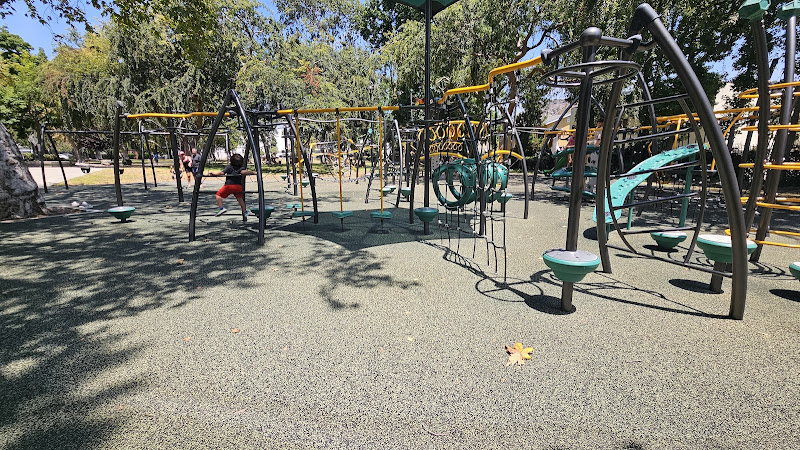
Carr Park
Find Accommodations Nearby
Recommended Tours & Activities
Visitor Reviews
There are no reviews yet. Be the first one to write one.
Share Your Experience
Have you visited Catalina Verdugo Adobe? Help other travelers by leaving a review.