
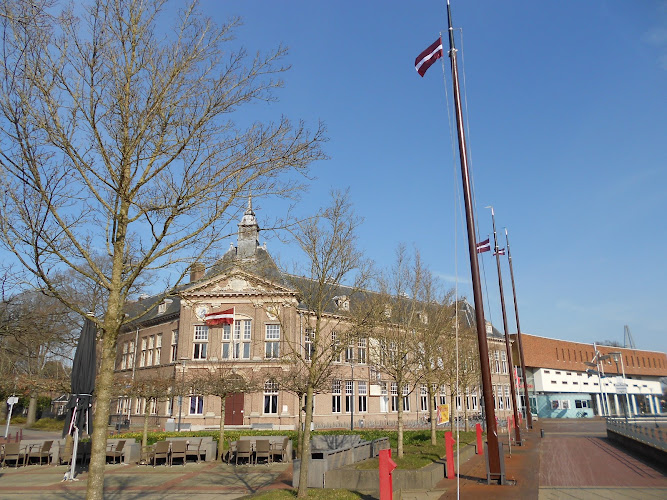
Veenkoloniaal Museum
About Veenkoloniaal Museum
Description
The Veenkoloniaal Museum in Veendam presents a layered story — peat, people, industry and art all braided together. Founded in 1939, the museum began as a modest local initiative and, despite wartime disruptions, re-emerged after 1947 with a renewed focus on art alongside local history. What sets this museum apart is not just the objects on display but the narrative thread: the Groninger Veenkoloniën as both cradle and catalyst for a coastal shipping and agricultural economy that shaped an entire region.
Visitors will find more than dry archival boxes and dusty maps. The permanent exhibition traces peat extraction, canal development and the rise of inland and coastal shipping with hundreds of evocative artifacts — ship models, tools, photographs and trade ledgers. It paints a picture of bustling canalside life: dozens of shipyards, factory chimneys on the horizon, wagons and harvest scenes on the fields. There’s a pleasantly unexpected human scale here. The displays emphasize labor, entrepreneurship and the messy, often inventive solutions that communities used to transform bog into bread-and-butter industry.
But the museum also keeps its creative spark. Early on, it hosted exhibitions like the 1941 show featuring works by Dorus Roovers, and that love of visual art continues today in rotating exhibitions that contrast local heritage with contemporary perspectives. The combination makes it attractive to a mixed crowd: history buffs fascinated by the peat colony story, maritime enthusiasts tracking the region’s shipping lineage, and people who just like small museums that take care to surprise.
Practicalities matter here too. The museum offers all the modern conveniences visitors expect: a restaurant for a relaxed coffee break, free parking nearby, Wi-Fi and accessible facilities including a wheelchair-friendly entrance and restroom. Families are welcome — many exhibits are thoughtfully arranged so curious kids can get close without feeling overwhelmed. The staff strive for an open, inclusive atmosphere and the space is clearly positioned as safe and welcoming for LGBTQ+ visitors as well.
There’s an intimacy to the place that big museums sometimes lose. The Veenkoloniaal Museum is not a blockbuster palace; it’s a well-curated, human-sized institution that rewards slow looking. It's the kind of spot where the small details — a weathered ledger, a carved ship’s figurehead, a painted signboard — reveal bigger stories about migration, work and regional pride. And for anyone who enjoys following an unexpected thread through history, this museum has that satisfying arc from peat bog to port.
Key Features
- Historic foundation dating to 1939 with continuous ties to local culture and art exhibitions.
- Permanent exhibition about the Groninger Veenkoloniën and the peat colony economy.
- Extensive maritime material: ship models, documents, photos and stories of coastal shipping.
- Rotating art and thematic exhibitions that connect local history with contemporary practice.
- Family-friendly displays and children’s activities that make complex history approachable.
- Accessibility: wheelchair accessible entrance, parking and restrooms to accommodate mobility needs.
- Amenities include an on-site restaurant, free parking options, public restrooms and museum Wi-Fi.
- Educational programs and guided tours available seasonally, useful for school groups and adult learners.
- Strong local context — the museum acts as a gateway to surrounding peat colony landscapes and canal-side walks.
- Welcoming, inclusive environment supportive of LGBTQ+ visitors and diverse audiences.
Best Time to Visit
The museum is pleasantly visitable year-round, but timing can shape the experience. Late spring through early autumn often feels livelier: temporary exhibitions are in full swing, the café terrace (when open) catches sun, and the surrounding canals and walking paths invite a post-museum stroll. Weekdays, especially mornings just after opening, tend to be quieter; that’s when the space feels almost private and easier for lingering over displays.
Winter visits carry their own appeal. There’s fewer visitors, galleries are calmer, and the museum’s narratives about tough winters on the peatlands hit differently when the wind is actually biting outside. If someone prefers events, check the museum’s program season — certain weekends have special talks, workshops or family events that add value to the trip. In short: for crowds, choose off-peak weekdays; for events and atmosphere, aim for mid-summer weekends.
How long to plan? A good slice of time is 90 minutes to 3 hours. If a visitor wants to read everything, take photos and stop for a long coffee, err on the longer side. For a quick regional culture fix, 60 to 90 minutes gives a satisfying overview.
How to Get There
The Veenkoloniaal Museum sits conveniently in the town center of Veendam, making it straightforward to reach whether arriving by car, public transport or bicycle. For those driving, free parking is available nearby and the museum’s entrance is designed for easy access. The availability of street parking in the immediate area also helps on busier days. For visitors relying on public transport, regional buses serve Veendam from surrounding towns; a short walk from the local transit stops brings one right into the museum district.
Cyclists will find the route pleasant — the network of cycle paths in Groningen province is excellent, and arriving by bike has the perk of being able to explore nearby canal paths and peatland trails after the visit. If someone has mobility needs, the museum’s wheelchair-accessible entrance and restroom make independent arrival and navigation practical and less stressful.
A small travel tip from the author’s observation: combine the museum visit with a walk along the canal and a coffee stop in town. Route planning that leaves room for both the museum and an outdoor ramble rewards visitors with a much fuller sense of why the peat colony mattered in daily life.
Tips for Visiting
Practical, slightly idiosyncratic advice that actually helps on the day:
- Buy time, not just tickets. Allow 90–180 minutes so the exhibits can be savored rather than scanned.
- Check opening hours in advance, especially during public holidays and the shoulder seasons when schedules change more often.
- Arrive mid-morning on a weekday for the quietest experience; late afternoon often brings school groups or tour buses.
- Bring comfortable shoes. The displays are compact but the surrounding area — canals, parks, and historic streets — begs for walking.
- Photography is usually allowed without flash, but check signage. Photos of some artworks or special exhibits may be restricted.
- Families: ask at the desk about hands-on materials or kid-focused routes; staff are helpful and can point out things that even seasoned museum-goers might overlook.
- Eat smart: the on-site restaurant is perfect for a simple lunch or coffee; alternatively pack a snack if short on time — there are nice canal-side benches nearby for a picnic when weather permits.
- Combine visits: pair the museum with a short guided walk of local peat colony sites or a boat-spotting session along the canal to see how shipping life looked in practice.
- Accessibility: if mobility aids are needed, phone ahead for any special arrangements. The museum is well-equipped but a quick heads-up smooths logistics.
- Plan for changing exhibitions. The rotating shows are often where the museum surprises visitors most; if a particular topic interests someone, check what’s on before the trip.
One small anecdote — the writer remembers a rainy afternoon visit that turned into a two-hour conversation with a museum volunteer about the graffiti of ship names on old harbor timbers. It was a detail not on any label but it made the broader history clickable in a way the display alone didn’t. That’s the charm: the staff and volunteers here like talking about their collections, and a bit of curiosity will be rewarded.
Finally, this museum rewards curiosity and time. It’s not loud, it doesn’t beg for selfies, and it doesn’t try to impress with scale. Instead it offers well-told stories, surprising artifacts and a sense that the peat colony’s past still hums under the modern town. For travelers who want a regional museum with personality — honest, a little quirky, and richly connected to place — the Veenkoloniaal Museum is a small detour that pays off.
Key Features
- Historic foundation dating to 1939 with continuous ties to local culture and art exhibitions.
- Permanent exhibition about the Groninger Veenkoloniën and the peat colony economy.
- Extensive maritime material: ship models, documents, photos and stories of coastal shipping.
- Rotating art and thematic exhibitions that connect local history with contemporary practice.
- Family-friendly displays and children’s activities that make complex history approachable.
- Accessibility: wheelchair accessible entrance, parking and restrooms to accommodate mobility needs.
- Amenities include an on-site restaurant, free parking options, public restrooms and museum Wi-Fi.
- Educational programs and guided tours available seasonally, useful for school groups and adult learners.
More Details
Updated August 30, 2025
Table of Contents
Description
The Veenkoloniaal Museum in Veendam presents a layered story — peat, people, industry and art all braided together. Founded in 1939, the museum began as a modest local initiative and, despite wartime disruptions, re-emerged after 1947 with a renewed focus on art alongside local history. What sets this museum apart is not just the objects on display but the narrative thread: the Groninger Veenkoloniën as both cradle and catalyst for a coastal shipping and agricultural economy that shaped an entire region.
Visitors will find more than dry archival boxes and dusty maps. The permanent exhibition traces peat extraction, canal development and the rise of inland and coastal shipping with hundreds of evocative artifacts — ship models, tools, photographs and trade ledgers. It paints a picture of bustling canalside life: dozens of shipyards, factory chimneys on the horizon, wagons and harvest scenes on the fields. There’s a pleasantly unexpected human scale here. The displays emphasize labor, entrepreneurship and the messy, often inventive solutions that communities used to transform bog into bread-and-butter industry.
But the museum also keeps its creative spark. Early on, it hosted exhibitions like the 1941 show featuring works by Dorus Roovers, and that love of visual art continues today in rotating exhibitions that contrast local heritage with contemporary perspectives. The combination makes it attractive to a mixed crowd: history buffs fascinated by the peat colony story, maritime enthusiasts tracking the region’s shipping lineage, and people who just like small museums that take care to surprise.
Practicalities matter here too. The museum offers all the modern conveniences visitors expect: a restaurant for a relaxed coffee break, free parking nearby, Wi-Fi and accessible facilities including a wheelchair-friendly entrance and restroom. Families are welcome — many exhibits are thoughtfully arranged so curious kids can get close without feeling overwhelmed. The staff strive for an open, inclusive atmosphere and the space is clearly positioned as safe and welcoming for LGBTQ+ visitors as well.
There’s an intimacy to the place that big museums sometimes lose. The Veenkoloniaal Museum is not a blockbuster palace; it’s a well-curated, human-sized institution that rewards slow looking. It’s the kind of spot where the small details — a weathered ledger, a carved ship’s figurehead, a painted signboard — reveal bigger stories about migration, work and regional pride. And for anyone who enjoys following an unexpected thread through history, this museum has that satisfying arc from peat bog to port.
Key Features
- Historic foundation dating to 1939 with continuous ties to local culture and art exhibitions.
- Permanent exhibition about the Groninger Veenkoloniën and the peat colony economy.
- Extensive maritime material: ship models, documents, photos and stories of coastal shipping.
- Rotating art and thematic exhibitions that connect local history with contemporary practice.
- Family-friendly displays and children’s activities that make complex history approachable.
- Accessibility: wheelchair accessible entrance, parking and restrooms to accommodate mobility needs.
- Amenities include an on-site restaurant, free parking options, public restrooms and museum Wi-Fi.
- Educational programs and guided tours available seasonally, useful for school groups and adult learners.
- Strong local context — the museum acts as a gateway to surrounding peat colony landscapes and canal-side walks.
- Welcoming, inclusive environment supportive of LGBTQ+ visitors and diverse audiences.
Best Time to Visit
The museum is pleasantly visitable year-round, but timing can shape the experience. Late spring through early autumn often feels livelier: temporary exhibitions are in full swing, the café terrace (when open) catches sun, and the surrounding canals and walking paths invite a post-museum stroll. Weekdays, especially mornings just after opening, tend to be quieter; that’s when the space feels almost private and easier for lingering over displays.
Winter visits carry their own appeal. There’s fewer visitors, galleries are calmer, and the museum’s narratives about tough winters on the peatlands hit differently when the wind is actually biting outside. If someone prefers events, check the museum’s program season — certain weekends have special talks, workshops or family events that add value to the trip. In short: for crowds, choose off-peak weekdays; for events and atmosphere, aim for mid-summer weekends.
How long to plan? A good slice of time is 90 minutes to 3 hours. If a visitor wants to read everything, take photos and stop for a long coffee, err on the longer side. For a quick regional culture fix, 60 to 90 minutes gives a satisfying overview.
How to Get There
The Veenkoloniaal Museum sits conveniently in the town center of Veendam, making it straightforward to reach whether arriving by car, public transport or bicycle. For those driving, free parking is available nearby and the museum’s entrance is designed for easy access. The availability of street parking in the immediate area also helps on busier days. For visitors relying on public transport, regional buses serve Veendam from surrounding towns; a short walk from the local transit stops brings one right into the museum district.
Cyclists will find the route pleasant — the network of cycle paths in Groningen province is excellent, and arriving by bike has the perk of being able to explore nearby canal paths and peatland trails after the visit. If someone has mobility needs, the museum’s wheelchair-accessible entrance and restroom make independent arrival and navigation practical and less stressful.
A small travel tip from the author’s observation: combine the museum visit with a walk along the canal and a coffee stop in town. Route planning that leaves room for both the museum and an outdoor ramble rewards visitors with a much fuller sense of why the peat colony mattered in daily life.
Tips for Visiting
Practical, slightly idiosyncratic advice that actually helps on the day:
- Buy time, not just tickets. Allow 90–180 minutes so the exhibits can be savored rather than scanned.
- Check opening hours in advance, especially during public holidays and the shoulder seasons when schedules change more often.
- Arrive mid-morning on a weekday for the quietest experience; late afternoon often brings school groups or tour buses.
- Bring comfortable shoes. The displays are compact but the surrounding area — canals, parks, and historic streets — begs for walking.
- Photography is usually allowed without flash, but check signage. Photos of some artworks or special exhibits may be restricted.
- Families: ask at the desk about hands-on materials or kid-focused routes; staff are helpful and can point out things that even seasoned museum-goers might overlook.
- Eat smart: the on-site restaurant is perfect for a simple lunch or coffee; alternatively pack a snack if short on time — there are nice canal-side benches nearby for a picnic when weather permits.
- Combine visits: pair the museum with a short guided walk of local peat colony sites or a boat-spotting session along the canal to see how shipping life looked in practice.
- Accessibility: if mobility aids are needed, phone ahead for any special arrangements. The museum is well-equipped but a quick heads-up smooths logistics.
- Plan for changing exhibitions. The rotating shows are often where the museum surprises visitors most; if a particular topic interests someone, check what’s on before the trip.
One small anecdote — the writer remembers a rainy afternoon visit that turned into a two-hour conversation with a museum volunteer about the graffiti of ship names on old harbor timbers. It was a detail not on any label but it made the broader history clickable in a way the display alone didn’t. That’s the charm: the staff and volunteers here like talking about their collections, and a bit of curiosity will be rewarded.
Finally, this museum rewards curiosity and time. It’s not loud, it doesn’t beg for selfies, and it doesn’t try to impress with scale. Instead it offers well-told stories, surprising artifacts and a sense that the peat colony’s past still hums under the modern town. For travelers who want a regional museum with personality — honest, a little quirky, and richly connected to place — the Veenkoloniaal Museum is a small detour that pays off.
Key Highlights
- Historic foundation dating to 1939 with continuous ties to local culture and art exhibitions.
- Permanent exhibition about the Groninger Veenkoloniën and the peat colony economy.
- Extensive maritime material: ship models, documents, photos and stories of coastal shipping.
- Rotating art and thematic exhibitions that connect local history with contemporary practice.
- Family-friendly displays and children’s activities that make complex history approachable.
- Accessibility: wheelchair accessible entrance, parking and restrooms to accommodate mobility needs.
- Amenities include an on-site restaurant, free parking options, public restrooms and museum Wi-Fi.
- Educational programs and guided tours available seasonally, useful for school groups and adult learners.
Location
Places to Stay Near Veenkoloniaal Museum
Find and Book a Tour
Explore More Travel Guides
No reviews found! Be the first to review!
Traveler Reviews for Veenkoloniaal Museum
There are no reviews yet. Be the first one to write one.
Have you visited Veenkoloniaal Museum? Help other travelers by sharing your review.
You Might Also Like

Wester-Amstel

Thermen Holiday
1182 DB Amstelveen
Find Accommodations Nearby
Recommended Tours & Activities
Visitor Reviews
There are no reviews yet. Be the first one to write one.
Share Your Experience
Have you visited Veenkoloniaal Museum? Help other travelers by leaving a review.