
The Parks Trust
About The Parks Trust
Description
The Parks Trust is one of those rare places where you can feel the pulse of a whole community just by walking through its green spaces. It’s not just a park in the traditional sense—it’s a living, breathing network of landscapes, waterways, and trails, all cared for by a non-profit organization that clearly puts its heart into the job. You can tell when a place is looked after with pride. The lawns aren’t overly manicured, the wildflowers are allowed to sway freely, and the paths feel like they’ve been shaped by years of footsteps rather than a rigid blueprint. That balance between natural beauty and thoughtful maintenance is what makes it stand out.
It’s the sort of place where you might set out for a quick stroll and end up losing track of time. One moment you’re watching ducks glide across a lake, the next you’re under a canopy of trees that muffles the noise of the city entirely. I’ve personally found it’s the kind of environment where you can think clearly—whether you’re a traveler in need of a breather or a local just escaping the daily grind. And while no public space is perfect, the overall atmosphere here leans heavily toward peaceful and welcoming.
Accessibility is clearly a priority. The entrances and parking areas are wheelchair-friendly, and the paths are wide enough for mobility aids without feeling intrusive to walkers or cyclists. You see families, joggers, dog walkers, and the occasional artist perched on a bench sketching the scenery. There’s a sense of shared ownership—everyone seems to treat the place with respect, which is refreshing.
Key Features
- Extensive network of walking and cycling paths weaving through woodlands, lakes, and open meadows
- Wheelchair-accessible entrances and parking facilities for inclusive access
- Seasonal events and guided walks organized by the managing trust
- Wildlife habitats supporting birds, small mammals, and aquatic species
- Peaceful picnic spots with scenic views
- Opportunities for photography, painting, and nature study
- Close proximity to urban amenities while still feeling secluded
Best Time to Visit
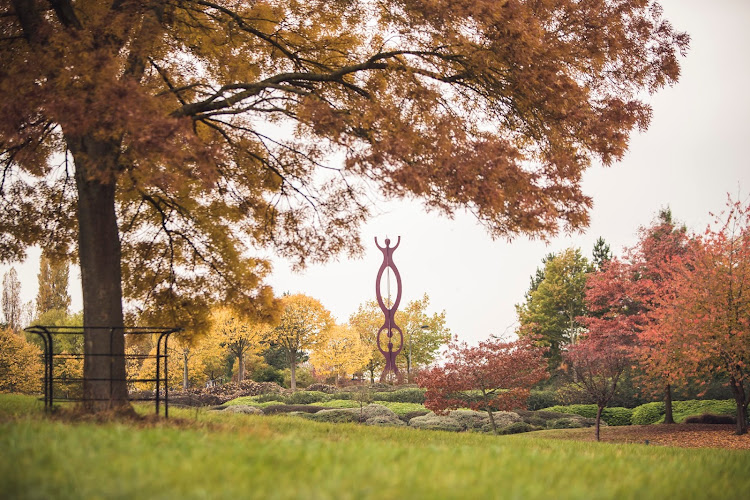
Honestly, every season here has its own personality. Spring is a personal favorite—there’s that fresh, earthy smell in the air, and the wildflowers start putting on a show. Summer draws more people, so if you’re after solitude, go early in the morning when the dew is still on the grass. Autumn is spectacular for its colors; the reds, oranges, and golds can make even a short walk feel cinematic. Winter is quieter, almost meditative, especially after a frost when the grass crunches underfoot. If you’re traveling from afar and want the most balanced weather and scenery, late April to early June is a sweet spot.
How to Get There
Reaching The Parks Trust areas is straightforward if you’re already in the region. Public transport options are available, though you might need to combine a bus or train with a short walk. Driving is convenient, with parking facilities designed to be accessible and fairly easy to navigate. If you’re the type who enjoys cycling, the surrounding routes connect seamlessly into the park’s own network—meaning you can roll straight in without dealing with heavy traffic. I’ve done this on a crisp autumn morning, and it’s a great way to arrive already feeling immersed in nature.
Tips for Visiting
Pack for flexibility. The weather can turn quickly, and a sunny start doesn’t guarantee a dry afternoon. Bring water, especially if you plan to explore for more than an hour, because the peaceful atmosphere has a way of making you stay longer than planned. If you’re into photography, keep your camera or phone handy—you never know when a heron might swoop across a lake or the light might hit the trees just right. For those with mobility needs, the main paths are your best bet for smooth travel, but don’t be afraid to explore side trails if you’re able—they often lead to the most rewarding views.
And here’s a small personal tip: if you can, visit on a weekday morning. There’s something special about having a quiet stretch of path almost entirely to yourself, with only the sound of birds and the rustle of leaves. It’s the kind of moment that sticks with you long after you’ve left.
Key Features
- Extensive network of walking and cycling paths weaving through woodlands, lakes, and open meadows
- Wheelchair-accessible entrances and parking facilities for inclusive access
- Seasonal events and guided walks organized by the managing trust
- Wildlife habitats supporting birds, small mammals, and aquatic species
- Peaceful picnic spots with scenic views
- Opportunities for photography, painting, and nature study
- Close proximity to urban amenities while still feeling secluded
More Details
Updated August 10, 2025
Table of Contents
Description
The Parks Trust is one of those rare places where you can feel the pulse of a whole community just by walking through its green spaces. It’s not just a park in the traditional sense—it’s a living, breathing network of landscapes, waterways, and trails, all cared for by a non-profit organization that clearly puts its heart into the job. You can tell when a place is looked after with pride. The lawns aren’t overly manicured, the wildflowers are allowed to sway freely, and the paths feel like they’ve been shaped by years of footsteps rather than a rigid blueprint. That balance between natural beauty and thoughtful maintenance is what makes it stand out.
It’s the sort of place where you might set out for a quick stroll and end up losing track of time. One moment you’re watching ducks glide across a lake, the next you’re under a canopy of trees that muffles the noise of the city entirely. I’ve personally found it’s the kind of environment where you can think clearly—whether you’re a traveler in need of a breather or a local just escaping the daily grind. And while no public space is perfect, the overall atmosphere here leans heavily toward peaceful and welcoming.
Accessibility is clearly a priority. The entrances and parking areas are wheelchair-friendly, and the paths are wide enough for mobility aids without feeling intrusive to walkers or cyclists. You see families, joggers, dog walkers, and the occasional artist perched on a bench sketching the scenery. There’s a sense of shared ownership—everyone seems to treat the place with respect, which is refreshing.
Key Features
- Extensive network of walking and cycling paths weaving through woodlands, lakes, and open meadows
- Wheelchair-accessible entrances and parking facilities for inclusive access
- Seasonal events and guided walks organized by the managing trust
- Wildlife habitats supporting birds, small mammals, and aquatic species
- Peaceful picnic spots with scenic views
- Opportunities for photography, painting, and nature study
- Close proximity to urban amenities while still feeling secluded
Best Time to Visit
Honestly, every season here has its own personality. Spring is a personal favorite—there’s that fresh, earthy smell in the air, and the wildflowers start putting on a show. Summer draws more people, so if you’re after solitude, go early in the morning when the dew is still on the grass. Autumn is spectacular for its colors; the reds, oranges, and golds can make even a short walk feel cinematic. Winter is quieter, almost meditative, especially after a frost when the grass crunches underfoot. If you’re traveling from afar and want the most balanced weather and scenery, late April to early June is a sweet spot.
How to Get There
Reaching The Parks Trust areas is straightforward if you’re already in the region. Public transport options are available, though you might need to combine a bus or train with a short walk. Driving is convenient, with parking facilities designed to be accessible and fairly easy to navigate. If you’re the type who enjoys cycling, the surrounding routes connect seamlessly into the park’s own network—meaning you can roll straight in without dealing with heavy traffic. I’ve done this on a crisp autumn morning, and it’s a great way to arrive already feeling immersed in nature.
Tips for Visiting
Pack for flexibility. The weather can turn quickly, and a sunny start doesn’t guarantee a dry afternoon. Bring water, especially if you plan to explore for more than an hour, because the peaceful atmosphere has a way of making you stay longer than planned. If you’re into photography, keep your camera or phone handy—you never know when a heron might swoop across a lake or the light might hit the trees just right. For those with mobility needs, the main paths are your best bet for smooth travel, but don’t be afraid to explore side trails if you’re able—they often lead to the most rewarding views.
And here’s a small personal tip: if you can, visit on a weekday morning. There’s something special about having a quiet stretch of path almost entirely to yourself, with only the sound of birds and the rustle of leaves. It’s the kind of moment that sticks with you long after you’ve left.
Key Highlights
- Extensive network of walking and cycling paths weaving through woodlands, lakes, and open meadows
- Wheelchair-accessible entrances and parking facilities for inclusive access
- Seasonal events and guided walks organized by the managing trust
- Wildlife habitats supporting birds, small mammals, and aquatic species
- Peaceful picnic spots with scenic views
- Opportunities for photography, painting, and nature study
- Close proximity to urban amenities while still feeling secluded
Location
Places to Stay Near The Parks Trust
Find and Book a Tour
Explore More Travel Guides
No reviews found! Be the first to review!
Traveler Reviews for The Parks Trust
There are no reviews yet. Be the first one to write one.
Have you visited The Parks Trust? Help other travelers by sharing your review.
You Might Also Like

Great Linford Manor Park (The Parks Trust)
Fred Roche Gardens
Concrete Cows
Find Accommodations Nearby
Recommended Tours & Activities
Visitor Reviews
There are no reviews yet. Be the first one to write one.
Share Your Experience
Have you visited The Parks Trust? Help other travelers by leaving a review.