
Jeongdongjin Time Museum
About Jeongdongjin Time Museum
Description
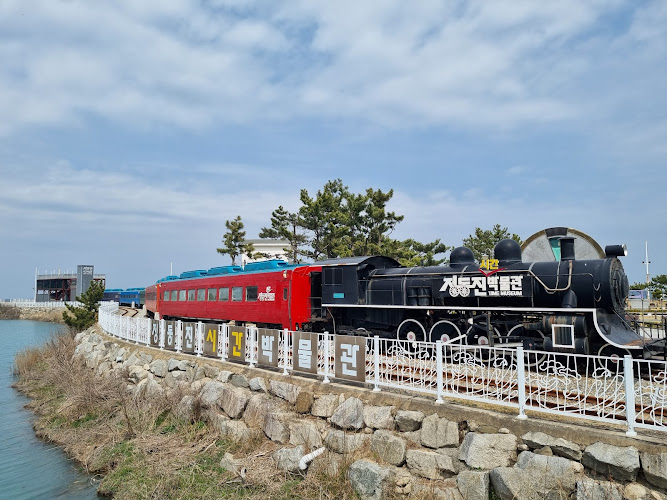
The Jeongdongjin Time Museum sits on the eastern edge of Gangneung along Korea's East Sea, and it has an almost theatrical way of making people think about time. Visitors arrive expecting a small museum of clocks — and yes, there are many clocks — but what greets them is an experience that folds seaside ritual, public art and mechanical history into one compact place. The museum collects timepieces from different eras and places, but it also uses outdoor installations, an iconic hourglass display and seaside vistas to make time feel tangible. It is the kind of place where a train rumbling past, the hiss of waves and the slow drip of sand in a giant glass hourglass seem to be part of the same exhibit.
On a practical note, the site has basic amenities like restrooms and accessible parking, and it is more kid-friendly than many other small museums. Families with little ones will find interactive or visibly interesting clocks that invite questions, and caretakers appreciate the wheelchair-accessible restroom and parking. The atmosphere is relaxed; people tend to linger on benches staring at the horizon or taking goofy photos next to oversized timepieces. The museum does not pretend to be an encyclopedic horological center — it is smaller, sometimes quaint, and sometimes surprising. That contrast is part of its charm.
Visitors who come for photography, quiet contemplation or a quirky cultural stop tend to leave satisfied. The museum pairs well with a sunrise watch or an afternoon walk along the shore, and it sits in a neighborhood that rewards wandering. It's worth mentioning that some people find it a bit compact and wish there were more exhibits inside, while others value the way the outdoor displays and the setting stretch the idea of a museum into the landscape. In short, it feels like a museum that knows it is also a viewpoint: time itself is the exhibit and the ocean is the clock face.
The Jeongdongjin Time Museum is also a place that keeps surprising the regular visitor. The writer remembers a rainy day visit years ago when an elderly couple were slowly turning the dial of a mechanical clock, whispering memories about train trips and New Year sunrises. It stuck because the museum encourages small human stories; people bring their own clocks — figuratively speaking — and leave with something like a soft, personal chronology. That last bit might be sentimental, but it's true: the museum's seaside location turns time into a personal ritual for many.
Key Features
- Extensive collection of clocks and timekeeping devices spanning mechanical, analog and modern pieces.
- Large outdoor hourglass installation and time-themed sculptures that double as photo opportunities.
- Immediate proximity to the shoreline, offering unobstructed views of the East Sea and memorable sunrise moments.
- Wheelchair accessible parking and restroom facilities; basic on-site restroom for visitors.
- Family-friendly layout and exhibits that engage children with visible mechanical movement and tactile curiosity.
- Compact museum footprint that makes for an easy 30–90 minute visit depending on how much lingering one does.
- Close to local train station and coastal walking paths, allowing seamless combination with nearby attractions.
- Calm, reflective ambience — often less crowded early morning or on weekdays, especially outside peak tourist seasons.
Best Time to Visit
The single best time to visit is early morning, particularly at sunrise. Many travelers come to this stretch of coast specifically for the sunrise event; Jeongdongjin is famous for watching the sun come up over the East Sea and the museum's location lets visitors pair that spectacle with a gentle museum stop. If the visitor is into photography, dawn lighting and soft mist provide excellent conditions for dramatic shots of the hourglass and the sea.
Weekdays outside national holidays are ideal for quieter visiting. Crowds spike on holiday mornings and during peak summer weekends when the nearby beach and train station attract larger numbers. For warmer, calmer weather, late spring and early autumn offer pleasant temperatures, fewer mosquitos and crisp air — useful for standing on the shoreline and framing long exposures. Winters can be brisk and windy; the museum is open to those who enjoy stark, dramatic views, but layers and wind protection are recommended.
Afternoon visits have their own advantages: the museums' smaller indoor spaces are typically easier to navigate later in the day, and sunset casts a different, golden hue across the installations. If the itinerary allows, the writer suggests planning two short stops: sunrise for the dramatic ocean view and later in the day to see the installations in a different light. That may sound excessive, but some places are worth seeing twice from different angles.
How to Get There
Most travelers reach the Jeongdongjin Time Museum from Gangneung city center or by train along the east coast line. The local train station near Jeongdongjin is famous itself for being right by the sea; from there, the museum is a short walk, and the walk along the tracks and shoreline is a highlight for many. If driving, there is accessible parking available on-site — convenient for visitors who bring a car or rent one for a coastal day trip.
Public transport options include regional buses and rapid trains that connect from Seoul or other major hubs — travelers should check latest schedules as seasonal services can change. When coming by train, the short pedestrian routes from station platforms to nearby attractions make the logistics delightfully simple: step off the train, take five to ten minutes, and suddenly the sea is in front of you. For those coming from farther afield, combining the museum with a day in Gangneung — sampling local coffee shops, beaches and art sites — makes the travel effort very rewarding.
Taxi rides from downtown Gangneung or nearby tourist hubs are plentiful and relatively affordable; this is the easiest choice for groups, families, or travelers with limited time. And for the traveler who likes to plan, parking is wheelchair accessible and facilities support visitors with limited mobility.
Tips for Visiting
Plan for a short, contemplative visit. The museum is compact by design; people who expect a long, encyclopedic experience may feel underwhelmed. But if one goes in with the intent to sit, watch the sea and inspect the timepieces, it becomes a very satisfying stop. The writer once planned only thirty minutes and ended up staying an hour and a half because the sea and the installations kept pulling attention away from a watch.
Bring a camera and a neutral-density filter if the sun is bright; long exposure shots of the hourglass and waves are surprisingly rewarding. Also, pack layers. The coast can be deceptively chilly even in late spring or early fall: a light windbreaker will save the day. Comfortable shoes are a must if the visitor intends to stroll the nearby shore or boardwalks.
Arrive early to avoid crowds, especially around holiday periods. Weekdays are generally calmer. For families, the place is child-friendly, but keep an eye on kids near installations and coastal edges. The museum staff, while not always fluent in English, are generally helpful; a friendly phrase in Korean or a simple gesture will get better responses than impatience. The writer has found that a small smile and a ruh-ruhm (a few halting Korean words) goes a long way.
Accessibility is a practical plus: there is wheelchair accessible parking and restroom, but visitors should still check ahead if specialized assistance or mobility equipment rentals are needed. Restroom facilities are available on site, but resources are basic — so plan accordingly.
Combine this museum with nearby coastal stops to make the most of the day. Good pairings include a morning sunrise at the shore, a walk to the local train station for a quirky photo op, and a late breakfast in town. Travelers who love museums and coastal scenery will find the combination hard to beat.
Expect mixed reactions in travel circles. Some visitors rave about the place as a small jewel — perfect for reflection and photos — while others compare it to larger museums and wish there were more indoor exhibits. That balance is helpful: it sets realistic expectations. If someone goes looking for a tidy, themed experience about time, the museum delivers. If someone expects a sprawling horological encyclopedia, they might be better off complementing this visit with other nearby cultural sites.
Lastly, let curiosity lead. The Jeongdongjin Time Museum rewards slow movement and small observations: the creak of an old clock, the way sand trickles in a large hourglass, a child's puzzled face as a pendulum swings. For visitors who can slow their pace and look beyond the labels, the museum becomes a moment — intentionally brief, but unexpectedly memorable — on Korea's eastern shore.
Key Features
- Extensive collection of clocks and timekeeping devices spanning mechanical, analog and modern pieces.
- Large outdoor hourglass installation and time-themed sculptures that double as photo opportunities.
- Immediate proximity to the shoreline, offering unobstructed views of the East Sea and memorable sunrise moments.
- Wheelchair accessible parking and restroom facilities; basic on-site restroom for visitors.
- Family-friendly layout and exhibits that engage children with visible mechanical movement and tactile curiosity.
- Compact museum footprint that makes for an easy 30–90 minute visit depending on how much lingering one does.
- Close to local train station and coastal walking paths, allowing seamless combination with nearby attractions.
- Calm, reflective ambience — often less crowded early morning or on weekdays, especially outside peak tourist seasons.
More Details
Updated August 30, 2025
Table of Contents
Description
The Jeongdongjin Time Museum sits on the eastern edge of Gangneung along Korea’s East Sea, and it has an almost theatrical way of making people think about time. Visitors arrive expecting a small museum of clocks — and yes, there are many clocks — but what greets them is an experience that folds seaside ritual, public art and mechanical history into one compact place. The museum collects timepieces from different eras and places, but it also uses outdoor installations, an iconic hourglass display and seaside vistas to make time feel tangible. It is the kind of place where a train rumbling past, the hiss of waves and the slow drip of sand in a giant glass hourglass seem to be part of the same exhibit.
On a practical note, the site has basic amenities like restrooms and accessible parking, and it is more kid-friendly than many other small museums. Families with little ones will find interactive or visibly interesting clocks that invite questions, and caretakers appreciate the wheelchair-accessible restroom and parking. The atmosphere is relaxed; people tend to linger on benches staring at the horizon or taking goofy photos next to oversized timepieces. The museum does not pretend to be an encyclopedic horological center — it is smaller, sometimes quaint, and sometimes surprising. That contrast is part of its charm.
Visitors who come for photography, quiet contemplation or a quirky cultural stop tend to leave satisfied. The museum pairs well with a sunrise watch or an afternoon walk along the shore, and it sits in a neighborhood that rewards wandering. It’s worth mentioning that some people find it a bit compact and wish there were more exhibits inside, while others value the way the outdoor displays and the setting stretch the idea of a museum into the landscape. In short, it feels like a museum that knows it is also a viewpoint: time itself is the exhibit and the ocean is the clock face.
The Jeongdongjin Time Museum is also a place that keeps surprising the regular visitor. The writer remembers a rainy day visit years ago when an elderly couple were slowly turning the dial of a mechanical clock, whispering memories about train trips and New Year sunrises. It stuck because the museum encourages small human stories; people bring their own clocks — figuratively speaking — and leave with something like a soft, personal chronology. That last bit might be sentimental, but it’s true: the museum’s seaside location turns time into a personal ritual for many.
Key Features
- Extensive collection of clocks and timekeeping devices spanning mechanical, analog and modern pieces.
- Large outdoor hourglass installation and time-themed sculptures that double as photo opportunities.
- Immediate proximity to the shoreline, offering unobstructed views of the East Sea and memorable sunrise moments.
- Wheelchair accessible parking and restroom facilities; basic on-site restroom for visitors.
- Family-friendly layout and exhibits that engage children with visible mechanical movement and tactile curiosity.
- Compact museum footprint that makes for an easy 30–90 minute visit depending on how much lingering one does.
- Close to local train station and coastal walking paths, allowing seamless combination with nearby attractions.
- Calm, reflective ambience — often less crowded early morning or on weekdays, especially outside peak tourist seasons.
Best Time to Visit
The single best time to visit is early morning, particularly at sunrise. Many travelers come to this stretch of coast specifically for the sunrise event; Jeongdongjin is famous for watching the sun come up over the East Sea and the museum’s location lets visitors pair that spectacle with a gentle museum stop. If the visitor is into photography, dawn lighting and soft mist provide excellent conditions for dramatic shots of the hourglass and the sea.
Weekdays outside national holidays are ideal for quieter visiting. Crowds spike on holiday mornings and during peak summer weekends when the nearby beach and train station attract larger numbers. For warmer, calmer weather, late spring and early autumn offer pleasant temperatures, fewer mosquitos and crisp air — useful for standing on the shoreline and framing long exposures. Winters can be brisk and windy; the museum is open to those who enjoy stark, dramatic views, but layers and wind protection are recommended.
Afternoon visits have their own advantages: the museums’ smaller indoor spaces are typically easier to navigate later in the day, and sunset casts a different, golden hue across the installations. If the itinerary allows, the writer suggests planning two short stops: sunrise for the dramatic ocean view and later in the day to see the installations in a different light. That may sound excessive, but some places are worth seeing twice from different angles.
How to Get There
Most travelers reach the Jeongdongjin Time Museum from Gangneung city center or by train along the east coast line. The local train station near Jeongdongjin is famous itself for being right by the sea; from there, the museum is a short walk, and the walk along the tracks and shoreline is a highlight for many. If driving, there is accessible parking available on-site — convenient for visitors who bring a car or rent one for a coastal day trip.
Public transport options include regional buses and rapid trains that connect from Seoul or other major hubs — travelers should check latest schedules as seasonal services can change. When coming by train, the short pedestrian routes from station platforms to nearby attractions make the logistics delightfully simple: step off the train, take five to ten minutes, and suddenly the sea is in front of you. For those coming from farther afield, combining the museum with a day in Gangneung — sampling local coffee shops, beaches and art sites — makes the travel effort very rewarding.
Taxi rides from downtown Gangneung or nearby tourist hubs are plentiful and relatively affordable; this is the easiest choice for groups, families, or travelers with limited time. And for the traveler who likes to plan, parking is wheelchair accessible and facilities support visitors with limited mobility.
Tips for Visiting
Plan for a short, contemplative visit. The museum is compact by design; people who expect a long, encyclopedic experience may feel underwhelmed. But if one goes in with the intent to sit, watch the sea and inspect the timepieces, it becomes a very satisfying stop. The writer once planned only thirty minutes and ended up staying an hour and a half because the sea and the installations kept pulling attention away from a watch.
Bring a camera and a neutral-density filter if the sun is bright; long exposure shots of the hourglass and waves are surprisingly rewarding. Also, pack layers. The coast can be deceptively chilly even in late spring or early fall: a light windbreaker will save the day. Comfortable shoes are a must if the visitor intends to stroll the nearby shore or boardwalks.
Arrive early to avoid crowds, especially around holiday periods. Weekdays are generally calmer. For families, the place is child-friendly, but keep an eye on kids near installations and coastal edges. The museum staff, while not always fluent in English, are generally helpful; a friendly phrase in Korean or a simple gesture will get better responses than impatience. The writer has found that a small smile and a ruh-ruhm (a few halting Korean words) goes a long way.
Accessibility is a practical plus: there is wheelchair accessible parking and restroom, but visitors should still check ahead if specialized assistance or mobility equipment rentals are needed. Restroom facilities are available on site, but resources are basic — so plan accordingly.
Combine this museum with nearby coastal stops to make the most of the day. Good pairings include a morning sunrise at the shore, a walk to the local train station for a quirky photo op, and a late breakfast in town. Travelers who love museums and coastal scenery will find the combination hard to beat.
Expect mixed reactions in travel circles. Some visitors rave about the place as a small jewel — perfect for reflection and photos — while others compare it to larger museums and wish there were more indoor exhibits. That balance is helpful: it sets realistic expectations. If someone goes looking for a tidy, themed experience about time, the museum delivers. If someone expects a sprawling horological encyclopedia, they might be better off complementing this visit with other nearby cultural sites.
Lastly, let curiosity lead. The Jeongdongjin Time Museum rewards slow movement and small observations: the creak of an old clock, the way sand trickles in a large hourglass, a child’s puzzled face as a pendulum swings. For visitors who can slow their pace and look beyond the labels, the museum becomes a moment — intentionally brief, but unexpectedly memorable — on Korea’s eastern shore.
Key Highlights
- Extensive collection of clocks and timekeeping devices spanning mechanical, analog and modern pieces.
- Large outdoor hourglass installation and time-themed sculptures that double as photo opportunities.
- Immediate proximity to the shoreline, offering unobstructed views of the East Sea and memorable sunrise moments.
- Wheelchair accessible parking and restroom facilities; basic on-site restroom for visitors.
- Family-friendly layout and exhibits that engage children with visible mechanical movement and tactile curiosity.
- Compact museum footprint that makes for an easy 30–90 minute visit depending on how much lingering one does.
- Close to local train station and coastal walking paths, allowing seamless combination with nearby attractions.
- Calm, reflective ambience — often less crowded early morning or on weekdays, especially outside peak tourist seasons.
Location
Places to Stay Near Jeongdongjin Time Museum
Find and Book a Tour
Explore More Travel Guides
No reviews found! Be the first to review!
Traveler Reviews for Jeongdongjin Time Museum
There are no reviews yet. Be the first one to write one.
Have you visited Jeongdongjin Time Museum? Help other travelers by sharing your review.
You Might Also Like

Adeul Rocky Park
정동진해돋이공원
Gyeongpo Provincial Park
Find Accommodations Nearby
Recommended Tours & Activities
Visitor Reviews
There are no reviews yet. Be the first one to write one.
Share Your Experience
Have you visited Jeongdongjin Time Museum? Help other travelers by leaving a review.