
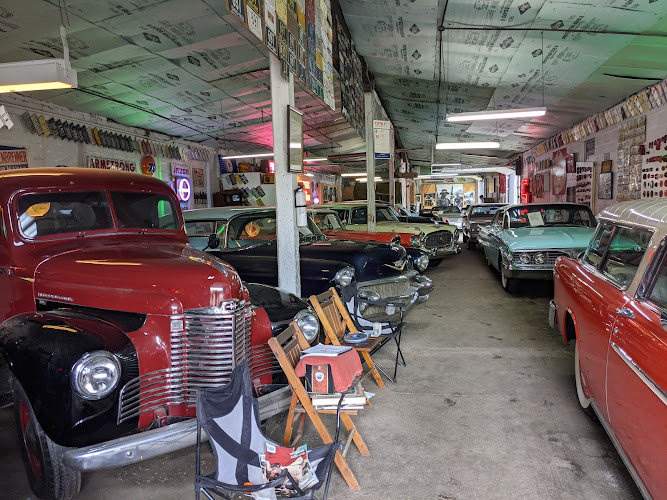
Wagner-Hagans Auto Museum
About Wagner-Hagans Auto Museum
Description
The Wagner-Hagans Auto Museum in Columbus is a quietly proud shrine to cars, their stories, and the people who loved them. It feels like one of those places a true car person would build in their spare time — polished, focused, and a little bit opinionated about what matters: original paint, authentic parts, and the smell of oil that somehow smells like memory. This museum showcases an eclectic collection of automobiles that range from gleaming vintage classics to unusual license plate artifacts and rarities that pop up in conversations among collectors. It is not a sprawling, high‑budget attraction. Instead, it offers an intimate, human-scale glimpse into automotive history and culture in Ohio and beyond.
Visitors notice right away that this is a collection with taste. The cars are displayed thoughtfully, spaced so you can actually walk around them without feeling rushed or herded. Labels are clear and informational; some exhibits dig into the technical side of things, others into provenance and the oddball stories behind how certain cars came to be preserved. The museum places a particular emphasis on classic cars and historic automotive artifacts — everything from restored sedans and roadsters to rare license plates and memorabilia. For people who love details, there are original parts and period-correct accessories that tell slices of automotive history that you won’t always find at larger, more generalized museums.
Accessibility is handled well here. There are wheelchair-accessible entrances, a parking lot designed for easier access, and accessible restrooms, which is one of those practical things that makes a visit less stressful and more enjoyable. The museum offers guided tours by appointment, and those tours tend to be the highlight. Guides are usually collectors or staff who know the cars intimately and relish sharing the backstories — why a model was significant, how a restoration came together, what a particular emblem means. The tours are conversational; expect to learn technical facts but also to hear the kind of fan‑forward anecdotes that make history feel lived in.
Families find the museum surprisingly kid-friendly. It’s compact enough that children don’t wander off for hours, yet there’s enough to spark curiosity: the shine of a fin, the odd position of a steering wheel, the evolution of dashboard instruments. The museum deliberately welcomes younger visitors with displays that invite questions rather than just stare-at glass cases. That said, it’s not a hands-on play center — the cars are precious — so parents should be prepared to keep a gentle eye on smaller kids.
One of the things that sets Wagner-Hagans apart is how personal the experience often feels. This is not a national, faceless institution; it’s more like stepping into someone’s cherished garage, except the signage is better and the climate controls are consistent. That intimacy is a double-edged sword: many visitors leave feeling they discovered a local gem, while a few note it’s smaller than they expected. But for those who appreciate authenticity over scale, that smaller size is actually a benefit. You get proximity to the machines, opportunities to ask questions, and an unpretentious atmosphere where learning and admiration are the expected behavior, not rote touring.
For enthusiasts interested in automotive history and preservation, the Wagner-Hagans Auto Museum is a concentrated dose of goodness. The exhibits lean into historical context: how automotive design changed through the decades, how manufacturing influenced regional economies in Ohio, and how collectible cars became cultural touchstones. The museum does a solid job of linking cars back to larger stories about technology and society. At times, the curatorial voice gets a bit nerdy — in the best way — and you can tell the curators are proud of small technical details that reveal craftsmanship and ingenuity.
Photography is generally welcomed; many people come ready to capture reflections off chrome and the swoop of fenders. The lighting is arranged to flatter finishes and highlight lines, so yes — bring your camera if that’s your thing. The museum also hosts occasional special displays and events, and those are chances to see rotating pieces from private collections or themed exhibits that dig deeper into specific manufacturers or eras. If someone wants to catch something unusual, checking ahead for special events is a smart move.
Practicalities are straightforward. There is no on-site restaurant, so plan accordingly — the neighborhood has options, but it’s always handy to know before hunger hits. Restrooms are available and kept clean. Tickets are recommended to be purchased in advance for guided tours, and walk-in visits are possible but can be limited during special events. Many visitors appreciate the recommendation to get tickets ahead of time because it reduces waiting and guarantees a guided experience for those who want it. Admission tends to be reasonable; the museum positions itself as accessible to local families and fans rather than as a high-ticket pilgrimage.
Atmosphere-wise, the place is comfortable and a little bit wistful. The museum doesn't try to be trendy; instead it leans into the emotional pull of cars themselves. And yes, the air sometimes carries that faint nostalgic scent — a mix of old upholstery and engine oil — that registers differently for each visitor. Some will be transported back to childhood rides, others will admire craftsmanship. The space tends to attract a range of ages, from retirees who remember cars of the 1950s to teenagers who are discovering classic car culture through movies and social media.
Expect friendly staff and volunteers. People who work there often have collector backgrounds, and they like talking shop — so if you have a burning question about carburetors, bodywork, or where a rare hood ornament came from, ask. They’ll either know or find someone who does. The museum’s educational bent shows in programming aimed at schools and local groups. They do occasional outreach and programs that fit well with Ohio’s broader museums scene, offering a deeper dive for those who want context and not just photo ops.
What someone might not realize until they visit is how much the Wagner-Hagans Auto Museum emphasizes storytelling through objects. A car is rarely presented as just a vehicle; instead it’s an artifact linked to workmanship, social history, and sometimes surprising human drama. A note about provenance here, a restored original part there — these little narrative threads make the collection more than a line-up of pretty machines. Plus, the museum quietly champions lesser-known marques and regional automotive stories, which is refreshing when most car museums lean heavily on the usual suspects.
For planning purposes, it’s worth noting that the museum is well suited to half-day visits. A thorough tour, including time to read labels and snap photos, typically takes an hour or two. If someone wants to linger, chat with staff, and take a leisurely look at rotating exhibits or a special display, plan for more time. The museum’s size means it is ideal for layering with other Columbus attractions in a single day — but again, there’s enough here that an enthusiast could happily spend the better part of a day diving into details.
Finally, a small personal aside from the writer: on a rainy weekday visit years ago, the writer found the museum to be a quiet refuge — a place to slow down, admire craft, and talk to someone who understood why a 1930s hood ornament deserved attention. That imperfect memory matters because it captures what the museum often gives: a pause from the rush, and a place to experience automotive history up close. If a traveler to Columbus wants a personable, insightful auto museum that respects cars as artifacts and conversation starters, Wagner-Hagans is worth penciling into the itinerary.
In short, this Columbus auto museum is for people who like their history with a side of personality, for families that want an educational outing, and for car fans looking to see an honest, well-preserved collection without the noise of bigger tourist sites. It rewards curiosity, welcomes questions, and quietly insists that cars are stories on wheels. Plan ahead, bring an eye for detail, and allow time to savor the displays — because once someone starts reading, the hours can slip away.
Key Features
More Details
Updated August 29, 2025
Table of Contents
Description
The Wagner-Hagans Auto Museum in Columbus is a quietly proud shrine to cars, their stories, and the people who loved them. It feels like one of those places a true car person would build in their spare time — polished, focused, and a little bit opinionated about what matters: original paint, authentic parts, and the smell of oil that somehow smells like memory. This museum showcases an eclectic collection of automobiles that range from gleaming vintage classics to unusual license plate artifacts and rarities that pop up in conversations among collectors. It is not a sprawling, high‑budget attraction. Instead, it offers an intimate, human-scale glimpse into automotive history and culture in Ohio and beyond.
Visitors notice right away that this is a collection with taste. The cars are displayed thoughtfully, spaced so you can actually walk around them without feeling rushed or herded. Labels are clear and informational; some exhibits dig into the technical side of things, others into provenance and the oddball stories behind how certain cars came to be preserved. The museum places a particular emphasis on classic cars and historic automotive artifacts — everything from restored sedans and roadsters to rare license plates and memorabilia. For people who love details, there are original parts and period-correct accessories that tell slices of automotive history that you won’t always find at larger, more generalized museums.
Accessibility is handled well here. There are wheelchair-accessible entrances, a parking lot designed for easier access, and accessible restrooms, which is one of those practical things that makes a visit less stressful and more enjoyable. The museum offers guided tours by appointment, and those tours tend to be the highlight. Guides are usually collectors or staff who know the cars intimately and relish sharing the backstories — why a model was significant, how a restoration came together, what a particular emblem means. The tours are conversational; expect to learn technical facts but also to hear the kind of fan‑forward anecdotes that make history feel lived in.
Families find the museum surprisingly kid-friendly. It’s compact enough that children don’t wander off for hours, yet there’s enough to spark curiosity: the shine of a fin, the odd position of a steering wheel, the evolution of dashboard instruments. The museum deliberately welcomes younger visitors with displays that invite questions rather than just stare-at glass cases. That said, it’s not a hands-on play center — the cars are precious — so parents should be prepared to keep a gentle eye on smaller kids.
One of the things that sets Wagner-Hagans apart is how personal the experience often feels. This is not a national, faceless institution; it’s more like stepping into someone’s cherished garage, except the signage is better and the climate controls are consistent. That intimacy is a double-edged sword: many visitors leave feeling they discovered a local gem, while a few note it’s smaller than they expected. But for those who appreciate authenticity over scale, that smaller size is actually a benefit. You get proximity to the machines, opportunities to ask questions, and an unpretentious atmosphere where learning and admiration are the expected behavior, not rote touring.
For enthusiasts interested in automotive history and preservation, the Wagner-Hagans Auto Museum is a concentrated dose of goodness. The exhibits lean into historical context: how automotive design changed through the decades, how manufacturing influenced regional economies in Ohio, and how collectible cars became cultural touchstones. The museum does a solid job of linking cars back to larger stories about technology and society. At times, the curatorial voice gets a bit nerdy — in the best way — and you can tell the curators are proud of small technical details that reveal craftsmanship and ingenuity.
Photography is generally welcomed; many people come ready to capture reflections off chrome and the swoop of fenders. The lighting is arranged to flatter finishes and highlight lines, so yes — bring your camera if that’s your thing. The museum also hosts occasional special displays and events, and those are chances to see rotating pieces from private collections or themed exhibits that dig deeper into specific manufacturers or eras. If someone wants to catch something unusual, checking ahead for special events is a smart move.
Practicalities are straightforward. There is no on-site restaurant, so plan accordingly — the neighborhood has options, but it’s always handy to know before hunger hits. Restrooms are available and kept clean. Tickets are recommended to be purchased in advance for guided tours, and walk-in visits are possible but can be limited during special events. Many visitors appreciate the recommendation to get tickets ahead of time because it reduces waiting and guarantees a guided experience for those who want it. Admission tends to be reasonable; the museum positions itself as accessible to local families and fans rather than as a high-ticket pilgrimage.
Atmosphere-wise, the place is comfortable and a little bit wistful. The museum doesn’t try to be trendy; instead it leans into the emotional pull of cars themselves. And yes, the air sometimes carries that faint nostalgic scent — a mix of old upholstery and engine oil — that registers differently for each visitor. Some will be transported back to childhood rides, others will admire craftsmanship. The space tends to attract a range of ages, from retirees who remember cars of the 1950s to teenagers who are discovering classic car culture through movies and social media.
Expect friendly staff and volunteers. People who work there often have collector backgrounds, and they like talking shop — so if you have a burning question about carburetors, bodywork, or where a rare hood ornament came from, ask. They’ll either know or find someone who does. The museum’s educational bent shows in programming aimed at schools and local groups. They do occasional outreach and programs that fit well with Ohio’s broader museums scene, offering a deeper dive for those who want context and not just photo ops.
What someone might not realize until they visit is how much the Wagner-Hagans Auto Museum emphasizes storytelling through objects. A car is rarely presented as just a vehicle; instead it’s an artifact linked to workmanship, social history, and sometimes surprising human drama. A note about provenance here, a restored original part there — these little narrative threads make the collection more than a line-up of pretty machines. Plus, the museum quietly champions lesser-known marques and regional automotive stories, which is refreshing when most car museums lean heavily on the usual suspects.
For planning purposes, it’s worth noting that the museum is well suited to half-day visits. A thorough tour, including time to read labels and snap photos, typically takes an hour or two. If someone wants to linger, chat with staff, and take a leisurely look at rotating exhibits or a special display, plan for more time. The museum’s size means it is ideal for layering with other Columbus attractions in a single day — but again, there’s enough here that an enthusiast could happily spend the better part of a day diving into details.
Finally, a small personal aside from the writer: on a rainy weekday visit years ago, the writer found the museum to be a quiet refuge — a place to slow down, admire craft, and talk to someone who understood why a 1930s hood ornament deserved attention. That imperfect memory matters because it captures what the museum often gives: a pause from the rush, and a place to experience automotive history up close. If a traveler to Columbus wants a personable, insightful auto museum that respects cars as artifacts and conversation starters, Wagner-Hagans is worth penciling into the itinerary.
In short, this Columbus auto museum is for people who like their history with a side of personality, for families that want an educational outing, and for car fans looking to see an honest, well-preserved collection without the noise of bigger tourist sites. It rewards curiosity, welcomes questions, and quietly insists that cars are stories on wheels. Plan ahead, bring an eye for detail, and allow time to savor the displays — because once someone starts reading, the hours can slip away.
Key Highlights
Wagner-Hagans Auto Museum
Location
Places to Stay Near Wagner-Hagans Auto Museum
Find and Book a Tour
Explore More Travel Guides
No reviews found! Be the first to review!
Traveler Reviews for Wagner-Hagans Auto Museum
There are no reviews yet. Be the first one to write one.
Have you visited Wagner-Hagans Auto Museum? Help other travelers by sharing your review.
You Might Also Like

Pelino
Columbus Helicopter Tours
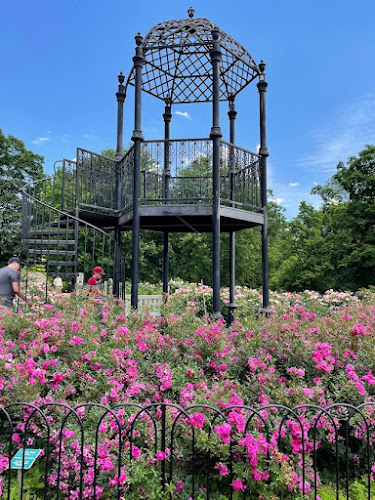
Columbus Park of Roses
Find Accommodations Nearby
Recommended Tours & Activities
Visitor Reviews
There are no reviews yet. Be the first one to write one.
Share Your Experience
Have you visited Wagner-Hagans Auto Museum? Help other travelers by leaving a review.