
The Durham Museum
About The Durham Museum
Description
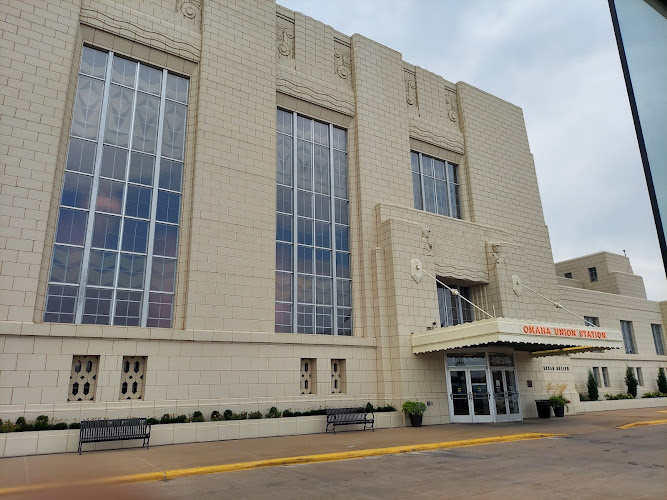
The Durham Museum occupies a former 1931 art deco train station and reads like a love letter to Omaha history and railroading. In plain terms: it is a museum housed inside a historic building that still carries the dignity of a grand station — high ceilings, patterned tile, clock faces, terrazzo floors — but with modern exhibits that tell stories about the city, the region, and the broader sweep of American rail and western development. People who care about architecture will linger. People who came for the trains will grin. And folks who wandered in hoping for a short diversion may find themselves pleasantly surprised by how many hours disappear without notice.
The building itself is a major draw. The Great Hall, the original ticket counters, and the restored soda fountain are not mere props; they are functioning pieces of history. Walk in and it feels a little like stepping into the 1930s — in the best possible way. That sense of time-travel is accentuated by restored train cars and locomotives on display, some of which visitors can step into. For anyone who still holds a soft spot for train travel, there’s an emotional tug: polished wood, brass fittings, and the patina of an older era. It’s a tactile reminder of how transportation shaped Omaha and the Midwest.
Exhibits cover a range of topics but tend to orbit around local history, railroads (obviously), and rotating traveling exhibitions. Permanent displays spotlight Omaha’s growth, the role of the Union Pacific and Pacific Railroad, and regional stories that sometimes get lost in big national narratives. The museum does a good job of balancing broad themes — industrial, cultural, migration — with smaller, human-scale stories: family life in earlier decades, changing neighborhoods, local commerce. The effect is both educational and oddly intimate.
One thing that often surprises first-time visitors is just how family-friendly the place is. Interactive elements — model trains, touch-friendly displays, and hands-on stations — keep children engaged (and tired parents grateful). There are also live performances and programs scheduled seasonally; on any given day, especially during weekends or school breaks, the museum might host a historian talk, a music set, or a children’s activity tied to a temporary exhibit. If one wanted to nitpick, certain galleries can feel a touch crowded during popular exhibit runs, but that’s a problem caused by popularity, not design.
Practical amenities make a real difference here. The museum offers onsite parking at no extra charge, which is something travelers appreciate more than they admit. There’s a cafe and a restaurant area where visitors can catch their breath between galleries — important for people touring with kids, grandparents, or anyone who needs a break. A gift shop stocked with regional books, train memorabilia, and unique souvenirs is handy for last-minute gifts or a small memento of the visit. Guided tours are available for those who like context and storytelling; docent tours often reveal little-known facts about the building’s construction and the personalities behind Omaha’s development.
Accessibility is taken seriously: wheelchair-accessible entrances, parking, and restrooms mean the museum is broadly welcoming. Changing tables are on site, so families with babies won’t be left guessing. There is an admission fee, which helps maintain the collections and rotating exhibits; many say the cost is reasonable given the quality and variety on offer. For budget-conscious travelers, looking for discounted days or bundle deals with nearby attractions can stretch a travel dollar further — and it’s worth doing if time allows.
For those who like curiosities: the museum occasionally features a restored soda fountain area that echoes the bygone era of train-station dining — yes, there is a bit of nostalgia involved, and yes, it’s fun to sit and imagine the comings and goings of a hundred years ago. The Reed Gallery, when active, hosts rotating art and historical displays that highlight local artists and collectors; not every gallery screams blockbuster, but the quiet, carefully curated rooms have a way of sneaking up on visitors with unexpected delights.
Travelers who keep their heads up while exploring downtown Omaha will notice that the museum’s location connects well to surrounding neighborhoods and attractions. It’s close enough to walk to popular districts but also sits apart enough to feel like a destination in itself. Many visitors combine a museum stop with a stroll through nearby streets, a meal in the Old Market, or a riverfront walk. That said, someone more pressed for time can still clear the main galleries in a couple of hours; but to fully appreciate the architecture and the special exhibits, plan for three or more. The museum is the kind of place where shallow visits are fine, but lingering yields richer rewards.
There’s also a quieter, behind-the-scenes side worth mentioning. The collections team works to preserve artifacts from Omaha’s industrial past, and that work shows in the condition of the trains, fabrics, and archival materials on display. For history nerds, the museum sometimes offers deeper dives — lectures, preservation talks, and special exhibit openings that attract local historians and researchers. Those events are great if a traveler is looking for something more than surface-level engagement and doesn’t mind sitting through a focused talk or two.
It’s worth being honest about crowds and rhythms. The museum gets busier on weekends, during tourist seasons, and when popular traveling exhibitions arrive. Weekday mornings can be quieter, especially right when doors open, which is a sweet spot for clearer photos and more reflective moments in the Great Hall. Holiday events, like special train-themed programming or seasonal decorations, can be charmingly busy — kids glow, the lighting looks great, and staff are generally friendly and eager to help.
One small, practical anecdote the author remembers: on a raw mid-March morning, the museum was a refuge from wind and drizzle. A group of schoolchildren clustered around a model train layout, laughing at a conductor figurine, while an older couple lingered near a restored parlor car, trading memories. The museum had that rare mix of being both a community hub and a tourist stop. It felt lived-in, in a good way. That memory sticks because it illustrates the museum’s dual role: preserving history while staying alive to present-day visitors.
From an SEO and travel-planning perspective, visitors often search for keywords like Durham Museum Omaha, art deco museum, historic Union Station, train exhibits, and Omaha history when planning a trip. This museum checks all those boxes. It is a destination for architecture lovers, family outings, railroad enthusiasts, and anyone curious about the Midwest’s story. The rotating exhibitions mean repeat visits can feel fresh, and the permanent collection gives a solid sense of continuity.
Final note: visitors who come with a little curiosity and a flexible schedule tend to leave most satisfied. The museum rewards slow wandering and occasional guided focus alike. It’s not a theme park — it’s a place built around artifacts, architecture, and storytelling — and the quieter moments are often the most memorable. So bring a camera, wear comfortable shoes, and give the place some time. The Durham Museum has a way of sneaking up on you; before you know it you’ll be tracing a brass rail with your fingers and wondering about the people who passed through those very doors nearly a century ago.
Key Features
More Details
Updated August 29, 2025
Table of Contents
Description
The Durham Museum occupies a former 1931 art deco train station and reads like a love letter to Omaha history and railroading. In plain terms: it is a museum housed inside a historic building that still carries the dignity of a grand station — high ceilings, patterned tile, clock faces, terrazzo floors — but with modern exhibits that tell stories about the city, the region, and the broader sweep of American rail and western development. People who care about architecture will linger. People who came for the trains will grin. And folks who wandered in hoping for a short diversion may find themselves pleasantly surprised by how many hours disappear without notice.
The building itself is a major draw. The Great Hall, the original ticket counters, and the restored soda fountain are not mere props; they are functioning pieces of history. Walk in and it feels a little like stepping into the 1930s — in the best possible way. That sense of time-travel is accentuated by restored train cars and locomotives on display, some of which visitors can step into. For anyone who still holds a soft spot for train travel, there’s an emotional tug: polished wood, brass fittings, and the patina of an older era. It’s a tactile reminder of how transportation shaped Omaha and the Midwest.
Exhibits cover a range of topics but tend to orbit around local history, railroads (obviously), and rotating traveling exhibitions. Permanent displays spotlight Omaha’s growth, the role of the Union Pacific and Pacific Railroad, and regional stories that sometimes get lost in big national narratives. The museum does a good job of balancing broad themes — industrial, cultural, migration — with smaller, human-scale stories: family life in earlier decades, changing neighborhoods, local commerce. The effect is both educational and oddly intimate.
One thing that often surprises first-time visitors is just how family-friendly the place is. Interactive elements — model trains, touch-friendly displays, and hands-on stations — keep children engaged (and tired parents grateful). There are also live performances and programs scheduled seasonally; on any given day, especially during weekends or school breaks, the museum might host a historian talk, a music set, or a children’s activity tied to a temporary exhibit. If one wanted to nitpick, certain galleries can feel a touch crowded during popular exhibit runs, but that’s a problem caused by popularity, not design.
Practical amenities make a real difference here. The museum offers onsite parking at no extra charge, which is something travelers appreciate more than they admit. There’s a cafe and a restaurant area where visitors can catch their breath between galleries — important for people touring with kids, grandparents, or anyone who needs a break. A gift shop stocked with regional books, train memorabilia, and unique souvenirs is handy for last-minute gifts or a small memento of the visit. Guided tours are available for those who like context and storytelling; docent tours often reveal little-known facts about the building’s construction and the personalities behind Omaha’s development.
Accessibility is taken seriously: wheelchair-accessible entrances, parking, and restrooms mean the museum is broadly welcoming. Changing tables are on site, so families with babies won’t be left guessing. There is an admission fee, which helps maintain the collections and rotating exhibits; many say the cost is reasonable given the quality and variety on offer. For budget-conscious travelers, looking for discounted days or bundle deals with nearby attractions can stretch a travel dollar further — and it’s worth doing if time allows.
For those who like curiosities: the museum occasionally features a restored soda fountain area that echoes the bygone era of train-station dining — yes, there is a bit of nostalgia involved, and yes, it’s fun to sit and imagine the comings and goings of a hundred years ago. The Reed Gallery, when active, hosts rotating art and historical displays that highlight local artists and collectors; not every gallery screams blockbuster, but the quiet, carefully curated rooms have a way of sneaking up on visitors with unexpected delights.
Travelers who keep their heads up while exploring downtown Omaha will notice that the museum’s location connects well to surrounding neighborhoods and attractions. It’s close enough to walk to popular districts but also sits apart enough to feel like a destination in itself. Many visitors combine a museum stop with a stroll through nearby streets, a meal in the Old Market, or a riverfront walk. That said, someone more pressed for time can still clear the main galleries in a couple of hours; but to fully appreciate the architecture and the special exhibits, plan for three or more. The museum is the kind of place where shallow visits are fine, but lingering yields richer rewards.
There’s also a quieter, behind-the-scenes side worth mentioning. The collections team works to preserve artifacts from Omaha’s industrial past, and that work shows in the condition of the trains, fabrics, and archival materials on display. For history nerds, the museum sometimes offers deeper dives — lectures, preservation talks, and special exhibit openings that attract local historians and researchers. Those events are great if a traveler is looking for something more than surface-level engagement and doesn’t mind sitting through a focused talk or two.
It’s worth being honest about crowds and rhythms. The museum gets busier on weekends, during tourist seasons, and when popular traveling exhibitions arrive. Weekday mornings can be quieter, especially right when doors open, which is a sweet spot for clearer photos and more reflective moments in the Great Hall. Holiday events, like special train-themed programming or seasonal decorations, can be charmingly busy — kids glow, the lighting looks great, and staff are generally friendly and eager to help.
One small, practical anecdote the author remembers: on a raw mid-March morning, the museum was a refuge from wind and drizzle. A group of schoolchildren clustered around a model train layout, laughing at a conductor figurine, while an older couple lingered near a restored parlor car, trading memories. The museum had that rare mix of being both a community hub and a tourist stop. It felt lived-in, in a good way. That memory sticks because it illustrates the museum’s dual role: preserving history while staying alive to present-day visitors.
From an SEO and travel-planning perspective, visitors often search for keywords like Durham Museum Omaha, art deco museum, historic Union Station, train exhibits, and Omaha history when planning a trip. This museum checks all those boxes. It is a destination for architecture lovers, family outings, railroad enthusiasts, and anyone curious about the Midwest’s story. The rotating exhibitions mean repeat visits can feel fresh, and the permanent collection gives a solid sense of continuity.
Final note: visitors who come with a little curiosity and a flexible schedule tend to leave most satisfied. The museum rewards slow wandering and occasional guided focus alike. It’s not a theme park — it’s a place built around artifacts, architecture, and storytelling — and the quieter moments are often the most memorable. So bring a camera, wear comfortable shoes, and give the place some time. The Durham Museum has a way of sneaking up on you; before you know it you’ll be tracing a brass rail with your fingers and wondering about the people who passed through those very doors nearly a century ago.
Key Highlights
The Durham Museum
Location
Places to Stay Near The Durham Museum
Find and Book a Tour
Explore More Travel Guides
No reviews found! Be the first to review!
Traveler Reviews for The Durham Museum
There are no reviews yet. Be the first one to write one.
Have you visited The Durham Museum? Help other travelers by sharing your review.
You Might Also Like
OPPD Arboretum
El Museo Latino

Fun-Plex Waterpark & Rides
Find Accommodations Nearby
Recommended Tours & Activities
Visitor Reviews
There are no reviews yet. Be the first one to write one.
Share Your Experience
Have you visited The Durham Museum? Help other travelers by leaving a review.