
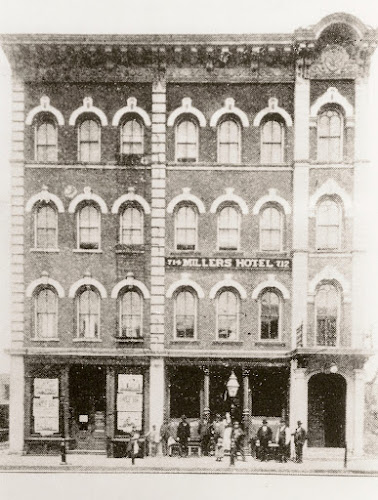
German American Heritage Center & Museum
About German American Heritage Center & Museum
Description
The German American Heritage Center & Museum in Davenport tells the layered story of German immigrants who helped shape the Quad Cities region and beyond. The museum presents that story through rotating temporary exhibitions, hands-on displays, and programs that move between in-person and virtual formats. It isn’t a dusty cabinet of curiosities; it’s a place where objects, recordings, photographs, and personal narratives are arranged to make history feel lived-in and, often, surprisingly present.
The museum’s focus is straightforward: share the German immigrant experience — the triumphs, the challenges, the workaday details of daily life, and the cultural contributions that became part of American life. Exhibits can range from immigration documents and family quilts to instruments, traditional dress, and photographs that capture neighborhood life. Visitors will find themed rotations that highlight specific waves of migration, occupations, or local personalities. Two things stand out: the exhibits are curated with an eye for storytelling, and they change often enough that repeat visits are rewarding.
Staff and volunteers take pride in making the material accessible. Docents lead tours that connect artifacts to larger social histories — like how German-language newspapers shaped political discussion in the 19th century, or how German culinary practices influenced local foodways. The museum also offers assisted listening devices for talks and presentations, making programs more approachable for people who need extra audio support. And yes, it does welcome families: kids-friendly features and interactive elements mean young visitors can touch, ask, and learn without being shushed into silence.
There’s a small gift shop that consistently gets compliments. It stocks German-made items: cookbooks, folk art, music, and a selection of specialty goods that are actually worth carrying home. The shop’s inventory reflects a curatorial sensibility — a mix of fun, useful, and authentic — and it’s a good place to find a tangible memory of a visit. Many visitors say the shop alone is reason enough to swing by; the staff tends to pick items that reflect current exhibits and local tastes.
The museum identifies as women-owned, a fact that subtly influences its programming and community outreach. Events and partnerships often highlight underrepresented stories within the German American narrative, including women’s roles in migration, work, and cultural transmission. Ticketed admission helps support these rotating exhibits and educational programs; there are discounts available for active military, which is a thoughtful touch for travelers who serve or have served.
Accessibility features are robust for a smaller museum. There is a wheelchair-accessible entrance, accessible parking close by, wheelchair-accessible restrooms, and even wheelchair rental on-site for visitors who need it. Gender-neutral restrooms are available, and the building offers Wi-Fi, which is handy if the family wants to compare genealogical notes or look up a name right then and there. Tours are available for groups and visitors who want a deeper dive, and the staff routinely accommodates special needs with care.
Visitors who have a soft spot for live music or cultural performance are often pleasantly surprised: the museum schedules live performances and special events that bring music, storytelling, and foodways to life. These are not merely add-ons. They complement the exhibits and provide a richer sensory context — the smell of baking rye, the sound of accordion, the cadence of regional dialects. For travelers who enjoy serendipity, stumbling into a performance or lecture can turn a routine museum stop into a memorable afternoon.
One lesser-known quality is how the museum balances local focus with broader histories. While the collection highlights German American life in Davenport and the surrounding Quad Cities, it also connects local stories to national and transatlantic themes: patterns of migration, economic networks, wartime experiences, and evolving identities across generations. That bridging makes it useful not just for casual visitors but also for students, researchers, and genealogy hobbyists.
Staff members and volunteers often share personal anecdotes during tours. A volunteer might point out a century-old ledger and then, almost offhand, mention that the ledger’s family remained in the neighborhood for four generations — and that their great-granddaughter stopped by last year to donate a scrapbook. Those tiny human moments are what give the place warmth. It feels less like a lecture and more like a conversation with someone who loves their hometown and wants you to see why.
The museum’s programming also leans into modern forms of outreach: virtual exhibits and online talks mean educational content reaches beyond Davenport. That was particularly useful when travel plans were disrupted for so many people; the museum pivoted and kept its audience engaged. This hybrid approach benefits travelers too — if one can’t visit in person, a preview online helps decide whether the trip is worth the time.
Practicalities matter here. There’s free on-site parking and free street parking nearby, which is a huge relief if you’re rolling in after a morning of sightseeing. There’s no full-service restaurant on-site, so most visitors plan a nearby lunch or coffee break. Still, the Wi-Fi and restrooms make short visits comfortable. The museum’s scale is manageable; a focused visit of an hour to 90 minutes typically covers the main exhibits, while longer visits are rewarding when special exhibits or programs are on.
Finally, the German American Heritage Center & Museum is a place that rewards curiosity. Visitors who show up with questions — about food, names, migration routes, or architecture — often leave with a richer sense of how immigrant lives intersect with American history. It may not be the biggest museum in the region, but it is one that invites close attention, thoughtful conversation, and the occasional laugh when a docent points out a particularly quirky artifact. For the culturally curious traveler, it’s a stop that feels both educational and oddly personal.
Key Features
More Details
Updated August 29, 2025
Table of Contents
Description
The German American Heritage Center & Museum in Davenport tells the layered story of German immigrants who helped shape the Quad Cities region and beyond. The museum presents that story through rotating temporary exhibitions, hands-on displays, and programs that move between in-person and virtual formats. It isn’t a dusty cabinet of curiosities; it’s a place where objects, recordings, photographs, and personal narratives are arranged to make history feel lived-in and, often, surprisingly present.
The museum’s focus is straightforward: share the German immigrant experience — the triumphs, the challenges, the workaday details of daily life, and the cultural contributions that became part of American life. Exhibits can range from immigration documents and family quilts to instruments, traditional dress, and photographs that capture neighborhood life. Visitors will find themed rotations that highlight specific waves of migration, occupations, or local personalities. Two things stand out: the exhibits are curated with an eye for storytelling, and they change often enough that repeat visits are rewarding.
Staff and volunteers take pride in making the material accessible. Docents lead tours that connect artifacts to larger social histories — like how German-language newspapers shaped political discussion in the 19th century, or how German culinary practices influenced local foodways. The museum also offers assisted listening devices for talks and presentations, making programs more approachable for people who need extra audio support. And yes, it does welcome families: kids-friendly features and interactive elements mean young visitors can touch, ask, and learn without being shushed into silence.
There’s a small gift shop that consistently gets compliments. It stocks German-made items: cookbooks, folk art, music, and a selection of specialty goods that are actually worth carrying home. The shop’s inventory reflects a curatorial sensibility — a mix of fun, useful, and authentic — and it’s a good place to find a tangible memory of a visit. Many visitors say the shop alone is reason enough to swing by; the staff tends to pick items that reflect current exhibits and local tastes.
The museum identifies as women-owned, a fact that subtly influences its programming and community outreach. Events and partnerships often highlight underrepresented stories within the German American narrative, including women’s roles in migration, work, and cultural transmission. Ticketed admission helps support these rotating exhibits and educational programs; there are discounts available for active military, which is a thoughtful touch for travelers who serve or have served.
Accessibility features are robust for a smaller museum. There is a wheelchair-accessible entrance, accessible parking close by, wheelchair-accessible restrooms, and even wheelchair rental on-site for visitors who need it. Gender-neutral restrooms are available, and the building offers Wi-Fi, which is handy if the family wants to compare genealogical notes or look up a name right then and there. Tours are available for groups and visitors who want a deeper dive, and the staff routinely accommodates special needs with care.
Visitors who have a soft spot for live music or cultural performance are often pleasantly surprised: the museum schedules live performances and special events that bring music, storytelling, and foodways to life. These are not merely add-ons. They complement the exhibits and provide a richer sensory context — the smell of baking rye, the sound of accordion, the cadence of regional dialects. For travelers who enjoy serendipity, stumbling into a performance or lecture can turn a routine museum stop into a memorable afternoon.
One lesser-known quality is how the museum balances local focus with broader histories. While the collection highlights German American life in Davenport and the surrounding Quad Cities, it also connects local stories to national and transatlantic themes: patterns of migration, economic networks, wartime experiences, and evolving identities across generations. That bridging makes it useful not just for casual visitors but also for students, researchers, and genealogy hobbyists.
Staff members and volunteers often share personal anecdotes during tours. A volunteer might point out a century-old ledger and then, almost offhand, mention that the ledger’s family remained in the neighborhood for four generations — and that their great-granddaughter stopped by last year to donate a scrapbook. Those tiny human moments are what give the place warmth. It feels less like a lecture and more like a conversation with someone who loves their hometown and wants you to see why.
The museum’s programming also leans into modern forms of outreach: virtual exhibits and online talks mean educational content reaches beyond Davenport. That was particularly useful when travel plans were disrupted for so many people; the museum pivoted and kept its audience engaged. This hybrid approach benefits travelers too — if one can’t visit in person, a preview online helps decide whether the trip is worth the time.
Practicalities matter here. There’s free on-site parking and free street parking nearby, which is a huge relief if you’re rolling in after a morning of sightseeing. There’s no full-service restaurant on-site, so most visitors plan a nearby lunch or coffee break. Still, the Wi-Fi and restrooms make short visits comfortable. The museum’s scale is manageable; a focused visit of an hour to 90 minutes typically covers the main exhibits, while longer visits are rewarding when special exhibits or programs are on.
Finally, the German American Heritage Center & Museum is a place that rewards curiosity. Visitors who show up with questions — about food, names, migration routes, or architecture — often leave with a richer sense of how immigrant lives intersect with American history. It may not be the biggest museum in the region, but it is one that invites close attention, thoughtful conversation, and the occasional laugh when a docent points out a particularly quirky artifact. For the culturally curious traveler, it’s a stop that feels both educational and oddly personal.
Key Highlights
German American Heritage Center & Museum
Location
Places to Stay Near German American Heritage Center & Museum
Find and Book a Tour
Explore More Travel Guides
No reviews found! Be the first to review!
Traveler Reviews for German American Heritage Center & Museum
There are no reviews yet. Be the first one to write one.
Have you visited German American Heritage Center & Museum? Help other travelers by sharing your review.
You Might Also Like
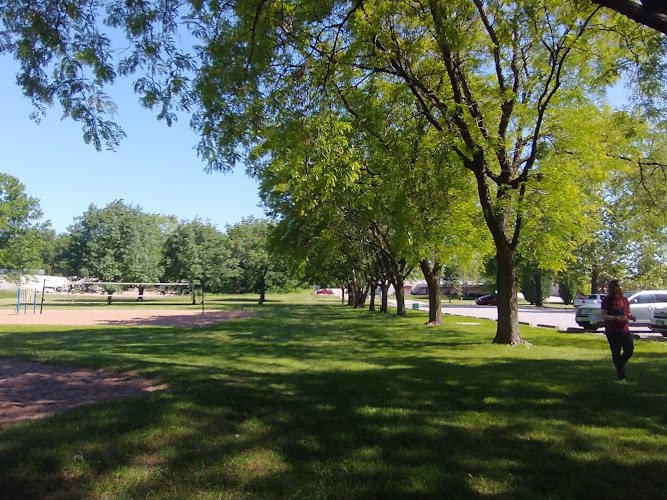
Junge Park
Harrison Street Escape Room
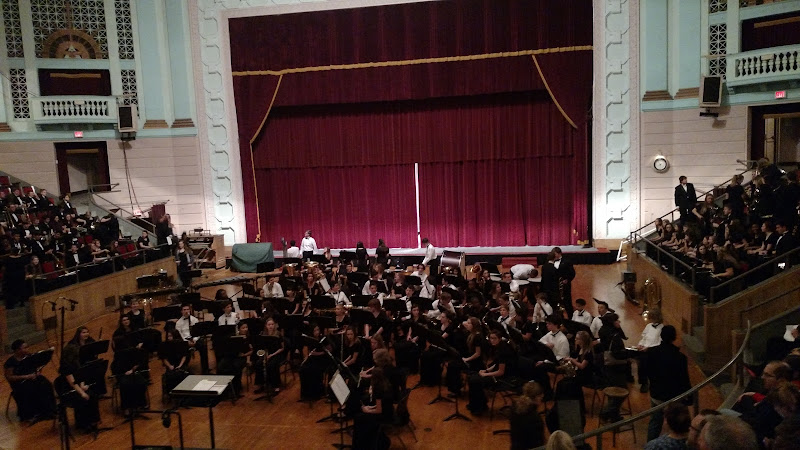
Palmer Family and Chiropractic History Museum
Find Accommodations Nearby
Recommended Tours & Activities
Visitor Reviews
There are no reviews yet. Be the first one to write one.
Share Your Experience
Have you visited German American Heritage Center & Museum? Help other travelers by leaving a review.