

Santa Maria Valley Discovery Museum
About Santa Maria Valley Discovery Museum
Description
The Santa Maria Valley Discovery Museum is a hands-on children's museum in Santa Maria that blends playful exploration with purposeful learning. Designed to spark curiosity, the museum leans into tactile, messy, imaginative experiences—think bubble machines that fill a room with giggles, a pirate ship that prompts imaginative voyages, and a tar-pit installation where little paleontologists can unearth faux fossils. It feels intentionally low-tech in the best way: exhibits invite touching, building, pouring, and experimenting rather than just looking. That decision keeps kids engaged and parents (eventually) sane.
Locals and visitors alike often remark on how the museum balances entertainment and early learning. Classroom-style facts quietly sit alongside dramatic play zones, so a child might be learning patterns, physics, or local natural history without anyone making a big show of it. The vibe is intentionally informal; staff members circulate, suggest activities, and sometimes lead live performances that add energy without the spectacle of a theme park.
Accessibility is a clear priority. The museum features a wheelchair accessible entrance, parking, and restrooms, making it a practical stop for families with mobility needs. Changing tables are available, and the layout is compact so caregivers can keep an eye on more than one child without sprinting from corner to corner. There is an on-site cafe where adults can snag coffee or a small snack while kids burn off the last of their wiggles. The museum operates with an admission fee, which funds programming, exhibits, and maintenance; most visitors report that the value is apparent once inside.
What sets this place apart is the makerspace mentality grafted onto a neighborhood children's museum model. A relatively small footprint does not stop staff from offering maker-style activities—craft stations, building projects, and occasional STEAM-focused workshops pop up regularly. It’s less formal than a dedicated makerspace, but for a family day out it hits the sweet spot between creative freedom and guided learning.
One quirk: the museum can feel delightfully chaotic on busy days. That’s partly because the interactive nature invites lingering; kids don’t rush when bubble foam is involved. Yet the controlled chaos is part of the charm. Staff manage flow well, and the museum runs live performances that break up the day with short, engaging shows aimed at young audiences. Active military members receive a discount, which is thoughtful and appreciated by many families in the region.
Key Features
- Interactive play installations including a full-scale pirate ship for imaginative play
- Bubble machine shows that create playful, sensory-rich moments
- Tar-pit and faux fossil digs that introduce paleontology basics through hands-on discovery
- Makerspace-style activity stations and rotating STEAM programs
- Live performances and short educational shows for children
- Children's party service options for birthdays and group events
- Wheelchair accessible entrance, parking, and restrooms
- On-site cafe and family-friendly restrooms with changing tables
- On-site parking and straightforward drop-off options
- Admission-based entry with occasional special events and discount offerings for active military
Best Time to Visit
The ideal time to visit depends on what the group wants. For quieter exploration and fewer lines at popular exhibits, weekday mornings—right after opening—are usually the best bet. Schools and daycare groups often schedule field trips mid-morning, so arriving as the museum opens gives families a calmer first hour. If a family wants to catch a live performance or a specific maker workshop, checking the calendar and aiming for a scheduled show is smart because those events can draw crowds.
Weekends are lively and full of energy. If a visitor enjoys watching a busy, buzzing atmosphere where kids spontaneously pair up for play, Saturday afternoons deliver that scene. On the flip side, it can feel overstimulating for very young or sensory-sensitive children—so quieter families might prefer weekdays or late afternoons on slower days.
Seasonally, Santa Maria has pleasant weather year-round, but summer months often bring a steady stream of visiting families and tourists from the Central Coast. Expect a busier museum during school breaks and holidays. The museum sometimes offers themed summer programs that are worth seeking out, but those do tend to increase attendance. For visitors juggling naps, meals, and naps-turned-meltdowns, midweek visits win out more often than not.
How to Get There
The museum is conveniently located within Santa Maria, making it an easy addition to a day exploring the Central Coast of California. Travelers driving to the area will find on-site parking, which simplifies arrival with strollers and car seats. For people coming from nearby communities, the drive time is generally short; the museum is accessible from major local roads and is positioned for straightforward navigation rather than tucked down a maze of one-way streets.
Rideshare and taxi services are common in the region, and they drop off close to the entrance, which is helpful for groups that prefer not to wrestle with parking. Families using public transit should check local bus schedules; while this is primarily a drive-to destination for people with kids and gear, coordinated trips are feasible with a bit of planning.
For visitors staying in Santa Maria or nearby towns, the museum makes for a half-day outing that pairs well with lunch at a local restaurant or a stroll in nearby parks. It’s a simple on-off stop: leave the car, step inside, and enter a kid-sized world where learning shows up disguised as play.
Tips for Visiting
Plan ahead but stay flexible. The childcare circus is real—bring snacks and a small change of clothes if a child loves the bubble station (and honestly, who doesn’t?). A spare t-shirt for kids can turn a soggy moment into mild amusement. Bags and strollers are welcome, but the compact floor plan rewards light packing. Families with infants should note that changing tables are available; that removes at least one worry from the list.
Ticketing: purchasing tickets at the door is straightforward, but for peak times and special events, purchasing in advance (when available) reduces waiting. Military families should remember to ask about the active military discount—small courtesy that matters.
Timing the visit around live performances can add structure to the day. These shows are short, engaging, and often schedule-friendly for younger children. If a caregiver wants a calmer exploration, aim for a non-peak hour or the first hour after opening. And if the pirate ship or tar-pit is an obsession for the visiting child, allocate extra time so curiosity doesn’t get cut short by close-out announcements.
Foodwise, the on-site cafe handles light snacks and coffee; the museum is not a full-service restaurant. Bringing a picnic for the car or planning a nearby lunch post-visit is usually the most practical approach. For birthday parties and group events, the museum has party-services and packages; those are well-organized and a nice option for families who prefer a contained, kid-appropriate celebration space.
Photography is generally fine for personal use—parents love to capture the messy, exuberant moments. But be mindful of other families and staff requests regarding privacy, especially during classes or performances. Staff are helpful and approachable; they often step in with suggestions for games or activities to extend learning beyond a single exhibit.
Expect a lively sensory mix: bubbles, music from performances, tactile exhibits, and the hum of excited kids. That’s part of the charm, but families with sensory-sensitive children should be prepared with noise-cancelling headphones or a quiet corner plan. The staff do a good job accommodating needs when asked.
One last practical note from many repeat visitors: wear shoes that can handle a little adventure. There are tactile surfaces, water-play adjacent areas at times, and places where a kid’s curiosity might win out over neatness. It’s better to be slightly over-prepared than to end the day with soggy sneakers and regret.
Overall, the Santa Maria Valley Discovery Museum offers a thoughtfully energetic place to learn by doing. It rewards curiosity, invites messy play, and gives families a manageable, memorable outing on the Central Coast. For parents, caretakers, and party planners looking for a kids-first venue that mixes low-pressure learning with good old-fashioned play, this museum is a dependable pick that keeps kids busy and often leaves adults pleasantly surprised by how much their little ones actually absorb.
Key Features
- Interactive play installations including a full-scale pirate ship for imaginative play
- Bubble machine shows that create playful, sensory-rich moments
- Tar-pit and faux fossil digs that introduce paleontology basics through hands-on discovery
- Makerspace-style activity stations and rotating STEAM programs
- Live performances and short educational shows for children
- Children's party service options for birthdays and group events
- Wheelchair accessible entrance, parking, and restrooms
- On-site cafe and family-friendly restrooms with changing tables
More Details
Updated August 29, 2025
Table of Contents
- Description
- Key Features
- Best Time to Visit
- How to Get There
- Tips for Visiting
- Key Highlights
- Location
- Places to Stay Near Santa Maria Valley Discovery Museum
- Find and Book a Tour
- Explore More Travel Guides
- Nearby Places You Might Like
- Traveler Reviews for Santa Maria Valley Discovery Museum
- Share Your Experience
Description
The Santa Maria Valley Discovery Museum is a hands-on children’s museum in Santa Maria that blends playful exploration with purposeful learning. Designed to spark curiosity, the museum leans into tactile, messy, imaginative experiences—think bubble machines that fill a room with giggles, a pirate ship that prompts imaginative voyages, and a tar-pit installation where little paleontologists can unearth faux fossils. It feels intentionally low-tech in the best way: exhibits invite touching, building, pouring, and experimenting rather than just looking. That decision keeps kids engaged and parents (eventually) sane.
Locals and visitors alike often remark on how the museum balances entertainment and early learning. Classroom-style facts quietly sit alongside dramatic play zones, so a child might be learning patterns, physics, or local natural history without anyone making a big show of it. The vibe is intentionally informal; staff members circulate, suggest activities, and sometimes lead live performances that add energy without the spectacle of a theme park.
Accessibility is a clear priority. The museum features a wheelchair accessible entrance, parking, and restrooms, making it a practical stop for families with mobility needs. Changing tables are available, and the layout is compact so caregivers can keep an eye on more than one child without sprinting from corner to corner. There is an on-site cafe where adults can snag coffee or a small snack while kids burn off the last of their wiggles. The museum operates with an admission fee, which funds programming, exhibits, and maintenance; most visitors report that the value is apparent once inside.
What sets this place apart is the makerspace mentality grafted onto a neighborhood children’s museum model. A relatively small footprint does not stop staff from offering maker-style activities—craft stations, building projects, and occasional STEAM-focused workshops pop up regularly. It’s less formal than a dedicated makerspace, but for a family day out it hits the sweet spot between creative freedom and guided learning.
One quirk: the museum can feel delightfully chaotic on busy days. That’s partly because the interactive nature invites lingering; kids don’t rush when bubble foam is involved. Yet the controlled chaos is part of the charm. Staff manage flow well, and the museum runs live performances that break up the day with short, engaging shows aimed at young audiences. Active military members receive a discount, which is thoughtful and appreciated by many families in the region.
Key Features
- Interactive play installations including a full-scale pirate ship for imaginative play
- Bubble machine shows that create playful, sensory-rich moments
- Tar-pit and faux fossil digs that introduce paleontology basics through hands-on discovery
- Makerspace-style activity stations and rotating STEAM programs
- Live performances and short educational shows for children
- Children’s party service options for birthdays and group events
- Wheelchair accessible entrance, parking, and restrooms
- On-site cafe and family-friendly restrooms with changing tables
- On-site parking and straightforward drop-off options
- Admission-based entry with occasional special events and discount offerings for active military
Best Time to Visit
The ideal time to visit depends on what the group wants. For quieter exploration and fewer lines at popular exhibits, weekday mornings—right after opening—are usually the best bet. Schools and daycare groups often schedule field trips mid-morning, so arriving as the museum opens gives families a calmer first hour. If a family wants to catch a live performance or a specific maker workshop, checking the calendar and aiming for a scheduled show is smart because those events can draw crowds.
Weekends are lively and full of energy. If a visitor enjoys watching a busy, buzzing atmosphere where kids spontaneously pair up for play, Saturday afternoons deliver that scene. On the flip side, it can feel overstimulating for very young or sensory-sensitive children—so quieter families might prefer weekdays or late afternoons on slower days.
Seasonally, Santa Maria has pleasant weather year-round, but summer months often bring a steady stream of visiting families and tourists from the Central Coast. Expect a busier museum during school breaks and holidays. The museum sometimes offers themed summer programs that are worth seeking out, but those do tend to increase attendance. For visitors juggling naps, meals, and naps-turned-meltdowns, midweek visits win out more often than not.
How to Get There
The museum is conveniently located within Santa Maria, making it an easy addition to a day exploring the Central Coast of California. Travelers driving to the area will find on-site parking, which simplifies arrival with strollers and car seats. For people coming from nearby communities, the drive time is generally short; the museum is accessible from major local roads and is positioned for straightforward navigation rather than tucked down a maze of one-way streets.
Rideshare and taxi services are common in the region, and they drop off close to the entrance, which is helpful for groups that prefer not to wrestle with parking. Families using public transit should check local bus schedules; while this is primarily a drive-to destination for people with kids and gear, coordinated trips are feasible with a bit of planning.
For visitors staying in Santa Maria or nearby towns, the museum makes for a half-day outing that pairs well with lunch at a local restaurant or a stroll in nearby parks. It’s a simple on-off stop: leave the car, step inside, and enter a kid-sized world where learning shows up disguised as play.
Tips for Visiting
Plan ahead but stay flexible. The childcare circus is real—bring snacks and a small change of clothes if a child loves the bubble station (and honestly, who doesn’t?). A spare t-shirt for kids can turn a soggy moment into mild amusement. Bags and strollers are welcome, but the compact floor plan rewards light packing. Families with infants should note that changing tables are available; that removes at least one worry from the list.
Ticketing: purchasing tickets at the door is straightforward, but for peak times and special events, purchasing in advance (when available) reduces waiting. Military families should remember to ask about the active military discount—small courtesy that matters.
Timing the visit around live performances can add structure to the day. These shows are short, engaging, and often schedule-friendly for younger children. If a caregiver wants a calmer exploration, aim for a non-peak hour or the first hour after opening. And if the pirate ship or tar-pit is an obsession for the visiting child, allocate extra time so curiosity doesn’t get cut short by close-out announcements.
Foodwise, the on-site cafe handles light snacks and coffee; the museum is not a full-service restaurant. Bringing a picnic for the car or planning a nearby lunch post-visit is usually the most practical approach. For birthday parties and group events, the museum has party-services and packages; those are well-organized and a nice option for families who prefer a contained, kid-appropriate celebration space.
Photography is generally fine for personal use—parents love to capture the messy, exuberant moments. But be mindful of other families and staff requests regarding privacy, especially during classes or performances. Staff are helpful and approachable; they often step in with suggestions for games or activities to extend learning beyond a single exhibit.
Expect a lively sensory mix: bubbles, music from performances, tactile exhibits, and the hum of excited kids. That’s part of the charm, but families with sensory-sensitive children should be prepared with noise-cancelling headphones or a quiet corner plan. The staff do a good job accommodating needs when asked.
One last practical note from many repeat visitors: wear shoes that can handle a little adventure. There are tactile surfaces, water-play adjacent areas at times, and places where a kid’s curiosity might win out over neatness. It’s better to be slightly over-prepared than to end the day with soggy sneakers and regret.
Overall, the Santa Maria Valley Discovery Museum offers a thoughtfully energetic place to learn by doing. It rewards curiosity, invites messy play, and gives families a manageable, memorable outing on the Central Coast. For parents, caretakers, and party planners looking for a kids-first venue that mixes low-pressure learning with good old-fashioned play, this museum is a dependable pick that keeps kids busy and often leaves adults pleasantly surprised by how much their little ones actually absorb.
Key Highlights
- Interactive play installations including a full-scale pirate ship for imaginative play
- Bubble machine shows that create playful, sensory-rich moments
- Tar-pit and faux fossil digs that introduce paleontology basics through hands-on discovery
- Makerspace-style activity stations and rotating STEAM programs
- Live performances and short educational shows for children
- Children's party service options for birthdays and group events
- Wheelchair accessible entrance, parking, and restrooms
- On-site cafe and family-friendly restrooms with changing tables
Location
Places to Stay Near Santa Maria Valley Discovery Museum
Find and Book a Tour
Explore More Travel Guides
No reviews found! Be the first to review!
Traveler Reviews for Santa Maria Valley Discovery Museum
There are no reviews yet. Be the first one to write one.
Have you visited Santa Maria Valley Discovery Museum? Help other travelers by sharing your review.
You Might Also Like
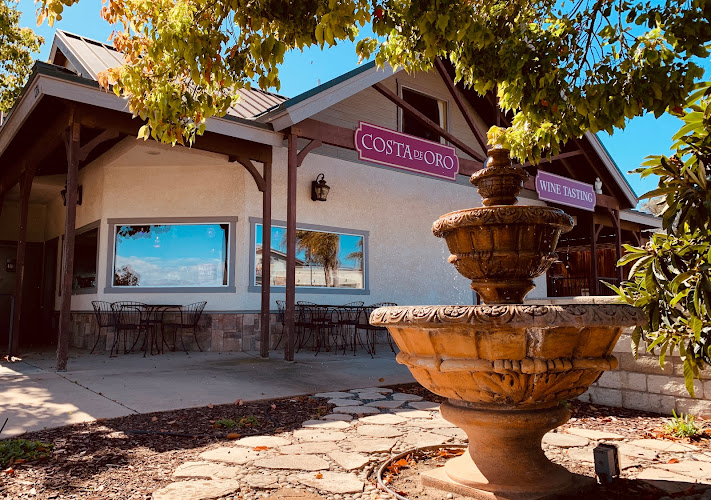
Costa de Oro Winery
La polvosa
Santa Maria
Find Accommodations Nearby
Recommended Tours & Activities
Visitor Reviews
There are no reviews yet. Be the first one to write one.
Share Your Experience
Have you visited Santa Maria Valley Discovery Museum? Help other travelers by leaving a review.