
Ifugao Village
About Ifugao Village
Description
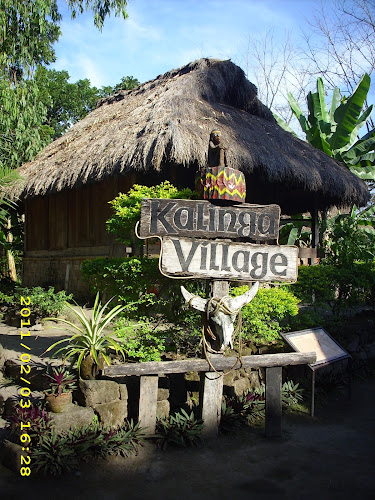
Ifugao Village is one of those places that quietly tugs at your curiosity before you even step through its wooden gates. It’s not just a museum—it’s a living memory of the Ifugao people, their artistry, and their way of life that has endured for generations. You’ll find it tucked inside a cultural park that feels like a world away from the rush of city life. The air seems different here—slower, gentler, and somehow more grounded. And honestly, that’s part of what makes it so special.
Walking through the village, you’ll see traditional Ifugao huts built on stilts, their thatched roofs whispering stories of the mountains. There’s something about the craftsmanship that makes you pause. Each hut is a testament to the resourcefulness of the Ifugao people—every beam, every woven wall panel, every carved post has a purpose. Some travelers pass through quickly, snapping photos and moving on, but if you linger a bit, you start noticing the small details: the way the sunlight hits the wooden textures, or how the air smells faintly of bamboo and earth. It’s a sensory experience, really.
Inside, you’ll find displays of tools, clothing, and artifacts that reveal the daily life of the Ifugao—farm implements used for the rice terraces, handwoven textiles dyed in earthy tones, and old photographs that capture proud faces and quiet moments. It’s not a huge museum, and that’s actually part of its charm. You can take your time, wander at your own pace, and really feel connected to the culture rather than overwhelmed by endless exhibits. It’s the kind of place that rewards curiosity and reflection more than hurried sightseeing.
Now, I won’t sugarcoat it—some parts could use a little more upkeep. A few displays look like they’ve been there for quite a while, and the signage isn’t always as detailed as you might hope. But even with those small imperfections, the authenticity shines through. In a world full of polished, commercialized attractions, Ifugao Village feels refreshingly real. And maybe that’s why people come back—it’s got that quiet, unpretentious magic that stays with you long after you leave.
Key Features
- Authentic replicas of traditional Ifugao huts, complete with intricate wood carvings and thatched roofs.
- Exhibits showcasing native tools, clothing, and artifacts from the Ifugao highlands.
- Interactive cultural displays that offer insight into ancient farming and weaving techniques.
- Peaceful walking paths surrounded by greenery, perfect for slow exploration and reflection.
- Restroom facilities available for visitors’ convenience.
- Family-friendly environment that’s educational and engaging for kids.
- Occasional cultural demonstrations or performances (depending on the season or event schedule).
Best Time to Visit
If you ask me, the best time to visit Ifugao Village is during the cooler months—roughly from November to February. The weather’s mild, the air’s crisp, and you can stroll around comfortably without breaking a sweat. I once went in December, and there was this lovely calmness in the air, with fewer crowds and a soft breeze rustling through the trees. It just added to the whole experience.
That said, visiting during local festivals can be a treat too. Sometimes, the park hosts cultural events that bring the village to life with music, dance, and traditional attire. It’s worth checking ahead if you’re the kind of traveler who enjoys a bit of festive energy. But if solitude and reflection are more your thing, weekdays or early mornings are your best bet. The light is beautiful then—golden and gentle, perfect for photos or just soaking in the atmosphere.
How to Get There
Getting to Ifugao Village is fairly straightforward, especially if you’re already in the Clark or Angeles area. Most travelers opt for a short drive or taxi ride from nearby hotels. If you’re coming from Manila, it’s about a couple of hours’ drive north—manageable for a day trip if you start early. I once took a bus and then a local ride-share to get there, and honestly, it wasn’t bad at all. The roads are decent, and the scenery along the way—rolling fields, small towns, and mountain silhouettes—sets the mood perfectly for what’s ahead.
There’s usually parking available near the entrance, and if you’re not driving, local transport services can drop you off close enough to walk in comfortably. Just remember to plan your return trip, especially if you’re visiting later in the afternoon, because public rides can get a bit sparse toward evening. A little planning goes a long way here.
Tips for Visiting
Here’s the thing about places like Ifugao Village—they’re best enjoyed slowly. Don’t rush through it like you’re checking off a list. Take your time, read the signs, peek into the huts, talk to the staff if they’re around. They often have stories that aren’t written anywhere, and those are the ones that stick with you. I once chatted with a guide who explained how the Ifugao people measure time by the rhythm of planting and harvest seasons—it was such a simple but profound idea.
Bring a hat and some water, especially if you’re visiting midday. The sun can be sneaky, even when it’s not too hot. Comfortable shoes are a must—the paths are easy enough, but you’ll want to wander around without worrying about your feet. And if you’re traveling with kids, this is a great place to let them explore and ask questions. The exhibits are sturdy and approachable, so you won’t be constantly saying “don’t touch that.”
Photography is allowed, and you’ll definitely want to take a few shots. But do yourself a favor—put the camera down sometimes and just look. There’s a quiet dignity in the place that you can’t capture through a lens. And if you’re the type who likes souvenirs, there are usually local crafts for sale nearby—woven bags, small carvings, and other handmade items that support local artisans. Buying directly from them feels good, like you’re taking a small piece of the culture home with you.
One last thing—don’t expect a flashy, high-tech museum. Ifugao Village is more about authenticity than spectacle. It’s the kind of spot that rewards curiosity and patience. And honestly, that’s what makes it worth visiting. You leave with more than just photos; you leave with a deeper appreciation for a culture that has thrived in harmony with nature for centuries. That’s something you can’t put a price on.
Key Features
- Authentic replicas of traditional Ifugao huts, complete with intricate wood carvings and thatched roofs.
- Exhibits showcasing native tools, clothing, and artifacts from the Ifugao highlands.
- Interactive cultural displays that offer insight into ancient farming and weaving techniques.
- Peaceful walking paths surrounded by greenery, perfect for slow exploration and reflection.
- Restroom facilities available for visitors’ convenience.
- Family-friendly environment that’s educational and engaging for kids.
- Occasional cultural demonstrations or performances (depending on the season or event schedule).
More Details
Updated November 9, 2025
Table of Contents
Description
Ifugao Village is one of those places that quietly tugs at your curiosity before you even step through its wooden gates. It’s not just a museum—it’s a living memory of the Ifugao people, their artistry, and their way of life that has endured for generations. You’ll find it tucked inside a cultural park that feels like a world away from the rush of city life. The air seems different here—slower, gentler, and somehow more grounded. And honestly, that’s part of what makes it so special.
Walking through the village, you’ll see traditional Ifugao huts built on stilts, their thatched roofs whispering stories of the mountains. There’s something about the craftsmanship that makes you pause. Each hut is a testament to the resourcefulness of the Ifugao people—every beam, every woven wall panel, every carved post has a purpose. Some travelers pass through quickly, snapping photos and moving on, but if you linger a bit, you start noticing the small details: the way the sunlight hits the wooden textures, or how the air smells faintly of bamboo and earth. It’s a sensory experience, really.
Inside, you’ll find displays of tools, clothing, and artifacts that reveal the daily life of the Ifugao—farm implements used for the rice terraces, handwoven textiles dyed in earthy tones, and old photographs that capture proud faces and quiet moments. It’s not a huge museum, and that’s actually part of its charm. You can take your time, wander at your own pace, and really feel connected to the culture rather than overwhelmed by endless exhibits. It’s the kind of place that rewards curiosity and reflection more than hurried sightseeing.
Now, I won’t sugarcoat it—some parts could use a little more upkeep. A few displays look like they’ve been there for quite a while, and the signage isn’t always as detailed as you might hope. But even with those small imperfections, the authenticity shines through. In a world full of polished, commercialized attractions, Ifugao Village feels refreshingly real. And maybe that’s why people come back—it’s got that quiet, unpretentious magic that stays with you long after you leave.
Key Features
- Authentic replicas of traditional Ifugao huts, complete with intricate wood carvings and thatched roofs.
- Exhibits showcasing native tools, clothing, and artifacts from the Ifugao highlands.
- Interactive cultural displays that offer insight into ancient farming and weaving techniques.
- Peaceful walking paths surrounded by greenery, perfect for slow exploration and reflection.
- Restroom facilities available for visitors’ convenience.
- Family-friendly environment that’s educational and engaging for kids.
- Occasional cultural demonstrations or performances (depending on the season or event schedule).
Best Time to Visit
If you ask me, the best time to visit Ifugao Village is during the cooler months—roughly from November to February. The weather’s mild, the air’s crisp, and you can stroll around comfortably without breaking a sweat. I once went in December, and there was this lovely calmness in the air, with fewer crowds and a soft breeze rustling through the trees. It just added to the whole experience.
That said, visiting during local festivals can be a treat too. Sometimes, the park hosts cultural events that bring the village to life with music, dance, and traditional attire. It’s worth checking ahead if you’re the kind of traveler who enjoys a bit of festive energy. But if solitude and reflection are more your thing, weekdays or early mornings are your best bet. The light is beautiful then—golden and gentle, perfect for photos or just soaking in the atmosphere.
How to Get There
Getting to Ifugao Village is fairly straightforward, especially if you’re already in the Clark or Angeles area. Most travelers opt for a short drive or taxi ride from nearby hotels. If you’re coming from Manila, it’s about a couple of hours’ drive north—manageable for a day trip if you start early. I once took a bus and then a local ride-share to get there, and honestly, it wasn’t bad at all. The roads are decent, and the scenery along the way—rolling fields, small towns, and mountain silhouettes—sets the mood perfectly for what’s ahead.
There’s usually parking available near the entrance, and if you’re not driving, local transport services can drop you off close enough to walk in comfortably. Just remember to plan your return trip, especially if you’re visiting later in the afternoon, because public rides can get a bit sparse toward evening. A little planning goes a long way here.
Tips for Visiting
Here’s the thing about places like Ifugao Village—they’re best enjoyed slowly. Don’t rush through it like you’re checking off a list. Take your time, read the signs, peek into the huts, talk to the staff if they’re around. They often have stories that aren’t written anywhere, and those are the ones that stick with you. I once chatted with a guide who explained how the Ifugao people measure time by the rhythm of planting and harvest seasons—it was such a simple but profound idea.
Bring a hat and some water, especially if you’re visiting midday. The sun can be sneaky, even when it’s not too hot. Comfortable shoes are a must—the paths are easy enough, but you’ll want to wander around without worrying about your feet. And if you’re traveling with kids, this is a great place to let them explore and ask questions. The exhibits are sturdy and approachable, so you won’t be constantly saying “don’t touch that.”
Photography is allowed, and you’ll definitely want to take a few shots. But do yourself a favor—put the camera down sometimes and just look. There’s a quiet dignity in the place that you can’t capture through a lens. And if you’re the type who likes souvenirs, there are usually local crafts for sale nearby—woven bags, small carvings, and other handmade items that support local artisans. Buying directly from them feels good, like you’re taking a small piece of the culture home with you.
One last thing—don’t expect a flashy, high-tech museum. Ifugao Village is more about authenticity than spectacle. It’s the kind of spot that rewards curiosity and patience. And honestly, that’s what makes it worth visiting. You leave with more than just photos; you leave with a deeper appreciation for a culture that has thrived in harmony with nature for centuries. That’s something you can’t put a price on.
Key Highlights
- Authentic replicas of traditional Ifugao huts, complete with intricate wood carvings and thatched roofs.
- Exhibits showcasing native tools, clothing, and artifacts from the Ifugao highlands.
- Interactive cultural displays that offer insight into ancient farming and weaving techniques.
- Peaceful walking paths surrounded by greenery, perfect for slow exploration and reflection.
- Restroom facilities available for visitors’ convenience.
- Family-friendly environment that’s educational and engaging for kids.
- Occasional cultural demonstrations or performances (depending on the season or event schedule).
Location
Places to Stay Near Ifugao Village
Find and Book a Tour
Explore More Travel Guides
No reviews found! Be the first to review!
Traveler Reviews for Ifugao Village
There are no reviews yet. Be the first one to write one.
Have you visited Ifugao Village? Help other travelers by sharing your review.
You Might Also Like

Aurora Music Festival

Clark Parade Grounds
Astro Park
Find Accommodations Nearby
Recommended Tours & Activities
Visitor Reviews
There are no reviews yet. Be the first one to write one.
Share Your Experience
Have you visited Ifugao Village? Help other travelers by leaving a review.