Museong Kapampangan
About Museong Kapampangan
Description
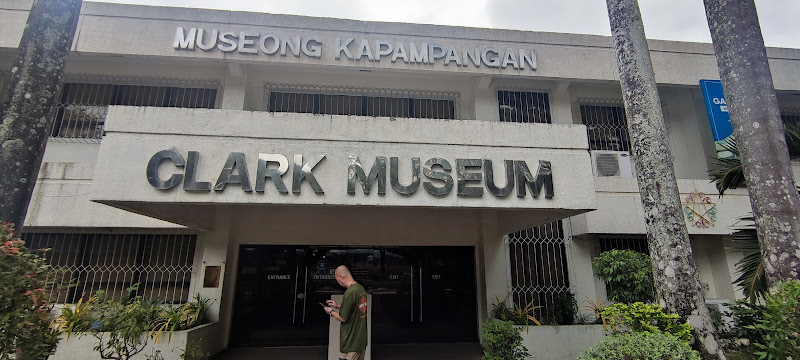
Museong Kapampangan, tucked within the Clark Freeport Zone in Pampanga, is one of those places that quietly surprises you. It’s not flashy or loud, but it has a way of pulling you in with stories that feel both personal and collective. The museum celebrates the heart and soul of the Kapampangan people—their history, artistry, and resilience—through exhibits that are as educational as they are heartfelt. It’s the kind of place you don’t just walk through; you experience it, layer by layer.
What makes Museong Kapampangan stand out is how it manages to blend the old and the new. You’ll find traditional artifacts and dioramas sitting comfortably alongside digital installations and interactive displays. It’s a space that honors the past while embracing the tools of the present, which feels fitting for a region that has always been at the crossroads of culture and progress. I remember walking through one of the galleries and catching the faint scent of wood and varnish—a reminder that these stories are preserved not just in glass cases but in the craftsmanship of the exhibits themselves.
The museum tells the story of Pampanga and its people—from the early days of settlement, through Spanish colonization, to the modern era of Clark’s transformation into a bustling economic hub. Each section feels thoughtfully curated, not just to inform but to connect. You can sense the pride in every display, especially when you see the traditional Kapampangan crafts, culinary heritage, and the artistry that has made this province famous. And yes, it’s a great place for kids too. The interactive exhibits keep them engaged, while adults can dig deeper into the historical and cultural context.
You might not expect a museum in a freeport zone to have such a warm, almost nostalgic atmosphere—but Museong Kapampangan does. It’s clean, organized, and well-maintained, but it’s the stories that linger. The museum’s curators clearly care about how visitors experience the place; they’ve created an environment that feels welcoming, even if you’re not a history buff. Whether you’re a local rediscovering your roots or a traveler curious about Central Luzon’s soul, this museum offers something genuinely meaningful.
Key Features
- Interactive Exhibits: Touchscreens, digital kiosks, and multimedia installations that bring Kapampangan history to life.
- Historical Artifacts: Displays of tools, textiles, and heirlooms that trace the evolution of Pampanga’s culture.
- Military and Clark Heritage Section: Exhibits detailing Clark’s transformation from a U.S. military base to today’s economic hub.
- Art and Cultural Displays: Murals, sculptures, and dioramas that depict local legends and traditions.
- Educational Programs: Occasional workshops and lectures that promote cultural awareness and preservation.
- Kid-Friendly Environment: Safe, engaging, and educational spaces perfect for family visits.
- Accessibility: Restrooms and wheelchair-friendly pathways for a comfortable visit.
One of my favorite parts is the section dedicated to Kapampangan cuisine. Even though you can’t actually taste anything inside (sadly!), the visuals and stories behind dishes like sisig and bringhe will make you crave a food trip right after your visit. There’s something deeply human about how food ties people to their heritage, and this museum captures that beautifully.
Best Time to Visit
If you ask me, the best time to visit Museong Kapampangan is during the cooler months—from November to February—when the weather in Pampanga is pleasant enough for walking around Clark. The museum itself is air-conditioned, so you’ll be comfortable year-round, but the surrounding area is worth exploring too. You can easily pair your visit with nearby attractions like the Clark Parade Grounds or local cafés that serve authentic Kapampangan delicacies.
Weekdays are generally quieter, which means you can take your time absorbing the exhibits without feeling rushed. Weekends tend to bring in more families and groups, so if you enjoy a livelier atmosphere, that’s your window. Morning visits are ideal because the lighting inside the museum feels softer and more natural then—perfect for photos if you’re into that sort of thing.
How to Get There
Getting to Museong Kapampangan is fairly straightforward, especially if you’re coming from Metro Manila or nearby provinces. Clark Freeport is accessible via the North Luzon Expressway (NLEX) and SCTEX. You can drive or take a bus bound for Dau or Clark, then hop on a local jeepney or taxi to reach the museum area. For those flying in through Clark International Airport, it’s just a short ride away—less than 15 minutes, depending on traffic.
If you’re not familiar with Pampanga’s layout, don’t worry. Clark is one of the most organized zones in the region, with clear signage and friendly locals who’ll gladly point you in the right direction. Parking is available near the museum, and it’s generally safe and convenient. I once got slightly lost trying to find a nearby café, and a local security guard not only gave me directions but also shared a few fun facts about the museum itself. That’s the kind of hospitality you’ll find here.
Tips for Visiting
Here’s the thing about visiting a museum like this—you get out of it what you put in. If you breeze through the exhibits, you’ll miss the nuances that make the Kapampangan story so fascinating. So slow down, read the captions, and take a moment to imagine what life was like during the eras being depicted. Bring a notebook if you’re the type who likes jotting down thoughts or sketching details. You’ll find plenty of inspiration here.
- Plan at least an hour or two: The museum isn’t huge, but there’s a lot to absorb if you want to fully appreciate it.
- Bring water: There’s no restaurant inside, so stay hydrated, especially if you plan to explore nearby attractions afterward.
- Ask questions: The staff are knowledgeable and friendly—they love sharing insights about the exhibits.
- Photography: You can take photos in most areas, but avoid using flash to preserve the displays.
- Combine your visit: Pair your trip with a tour around Clark’s historical spots or local food hubs for a fuller experience.
If you’re traveling with kids, this place is gold. The museum’s interactive areas are not only educational but also designed to spark curiosity. I remember seeing a group of schoolchildren absolutely fascinated by the digital timeline showing Clark’s transformation—it’s the kind of learning that sticks. And for adults, especially those with roots in Pampanga, visiting Museong Kapampangan can feel a bit like coming home.
At the end of your visit, take a moment outside before heading off. The museum grounds are peaceful, and you can often hear birds or the faint hum of Clark’s traffic in the distance. It’s a nice contrast to the stories you’ve just immersed yourself in—reminding you that culture isn’t something locked in the past. It’s alive, breathing, and evolving, much like the people who continue to shape Pampanga’s identity today.
Museong Kapampangan isn’t just another stop on your travel itinerary—it’s a reflection of a community’s pride and perseverance. And if you’re anything like me, you’ll leave with a deeper appreciation for how history, art, and everyday life intertwine in the most unexpected ways. So go ahead, plan that visit, and let the museum tell its story to you in its own quiet, powerful way.
Key Features
- Key Features
- Best Time to Visit
- How to Get There
- Tips for Visiting
More Details
Updated November 9, 2025
Table of Contents
Description
Museong Kapampangan, tucked within the Clark Freeport Zone in Pampanga, is one of those places that quietly surprises you. It’s not flashy or loud, but it has a way of pulling you in with stories that feel both personal and collective. The museum celebrates the heart and soul of the Kapampangan people—their history, artistry, and resilience—through exhibits that are as educational as they are heartfelt. It’s the kind of place you don’t just walk through; you experience it, layer by layer.
What makes Museong Kapampangan stand out is how it manages to blend the old and the new. You’ll find traditional artifacts and dioramas sitting comfortably alongside digital installations and interactive displays. It’s a space that honors the past while embracing the tools of the present, which feels fitting for a region that has always been at the crossroads of culture and progress. I remember walking through one of the galleries and catching the faint scent of wood and varnish—a reminder that these stories are preserved not just in glass cases but in the craftsmanship of the exhibits themselves.
The museum tells the story of Pampanga and its people—from the early days of settlement, through Spanish colonization, to the modern era of Clark’s transformation into a bustling economic hub. Each section feels thoughtfully curated, not just to inform but to connect. You can sense the pride in every display, especially when you see the traditional Kapampangan crafts, culinary heritage, and the artistry that has made this province famous. And yes, it’s a great place for kids too. The interactive exhibits keep them engaged, while adults can dig deeper into the historical and cultural context.
You might not expect a museum in a freeport zone to have such a warm, almost nostalgic atmosphere—but Museong Kapampangan does. It’s clean, organized, and well-maintained, but it’s the stories that linger. The museum’s curators clearly care about how visitors experience the place; they’ve created an environment that feels welcoming, even if you’re not a history buff. Whether you’re a local rediscovering your roots or a traveler curious about Central Luzon’s soul, this museum offers something genuinely meaningful.
Key Features
- Interactive Exhibits: Touchscreens, digital kiosks, and multimedia installations that bring Kapampangan history to life.
- Historical Artifacts: Displays of tools, textiles, and heirlooms that trace the evolution of Pampanga’s culture.
- Military and Clark Heritage Section: Exhibits detailing Clark’s transformation from a U.S. military base to today’s economic hub.
- Art and Cultural Displays: Murals, sculptures, and dioramas that depict local legends and traditions.
- Educational Programs: Occasional workshops and lectures that promote cultural awareness and preservation.
- Kid-Friendly Environment: Safe, engaging, and educational spaces perfect for family visits.
- Accessibility: Restrooms and wheelchair-friendly pathways for a comfortable visit.
One of my favorite parts is the section dedicated to Kapampangan cuisine. Even though you can’t actually taste anything inside (sadly!), the visuals and stories behind dishes like sisig and bringhe will make you crave a food trip right after your visit. There’s something deeply human about how food ties people to their heritage, and this museum captures that beautifully.
Best Time to Visit
If you ask me, the best time to visit Museong Kapampangan is during the cooler months—from November to February—when the weather in Pampanga is pleasant enough for walking around Clark. The museum itself is air-conditioned, so you’ll be comfortable year-round, but the surrounding area is worth exploring too. You can easily pair your visit with nearby attractions like the Clark Parade Grounds or local cafés that serve authentic Kapampangan delicacies.
Weekdays are generally quieter, which means you can take your time absorbing the exhibits without feeling rushed. Weekends tend to bring in more families and groups, so if you enjoy a livelier atmosphere, that’s your window. Morning visits are ideal because the lighting inside the museum feels softer and more natural then—perfect for photos if you’re into that sort of thing.
How to Get There
Getting to Museong Kapampangan is fairly straightforward, especially if you’re coming from Metro Manila or nearby provinces. Clark Freeport is accessible via the North Luzon Expressway (NLEX) and SCTEX. You can drive or take a bus bound for Dau or Clark, then hop on a local jeepney or taxi to reach the museum area. For those flying in through Clark International Airport, it’s just a short ride away—less than 15 minutes, depending on traffic.
If you’re not familiar with Pampanga’s layout, don’t worry. Clark is one of the most organized zones in the region, with clear signage and friendly locals who’ll gladly point you in the right direction. Parking is available near the museum, and it’s generally safe and convenient. I once got slightly lost trying to find a nearby café, and a local security guard not only gave me directions but also shared a few fun facts about the museum itself. That’s the kind of hospitality you’ll find here.
Tips for Visiting
Here’s the thing about visiting a museum like this—you get out of it what you put in. If you breeze through the exhibits, you’ll miss the nuances that make the Kapampangan story so fascinating. So slow down, read the captions, and take a moment to imagine what life was like during the eras being depicted. Bring a notebook if you’re the type who likes jotting down thoughts or sketching details. You’ll find plenty of inspiration here.
- Plan at least an hour or two: The museum isn’t huge, but there’s a lot to absorb if you want to fully appreciate it.
- Bring water: There’s no restaurant inside, so stay hydrated, especially if you plan to explore nearby attractions afterward.
- Ask questions: The staff are knowledgeable and friendly—they love sharing insights about the exhibits.
- Photography: You can take photos in most areas, but avoid using flash to preserve the displays.
- Combine your visit: Pair your trip with a tour around Clark’s historical spots or local food hubs for a fuller experience.
If you’re traveling with kids, this place is gold. The museum’s interactive areas are not only educational but also designed to spark curiosity. I remember seeing a group of schoolchildren absolutely fascinated by the digital timeline showing Clark’s transformation—it’s the kind of learning that sticks. And for adults, especially those with roots in Pampanga, visiting Museong Kapampangan can feel a bit like coming home.
At the end of your visit, take a moment outside before heading off. The museum grounds are peaceful, and you can often hear birds or the faint hum of Clark’s traffic in the distance. It’s a nice contrast to the stories you’ve just immersed yourself in—reminding you that culture isn’t something locked in the past. It’s alive, breathing, and evolving, much like the people who continue to shape Pampanga’s identity today.
Museong Kapampangan isn’t just another stop on your travel itinerary—it’s a reflection of a community’s pride and perseverance. And if you’re anything like me, you’ll leave with a deeper appreciation for how history, art, and everyday life intertwine in the most unexpected ways. So go ahead, plan that visit, and let the museum tell its story to you in its own quiet, powerful way.

Key Highlights
- Key Features
- Best Time to Visit
- How to Get There
- Tips for Visiting
Location
Places to Stay Near Museong Kapampangan
Find and Book a Tour
Explore More Travel Guides
No reviews found! Be the first to review!
Traveler Reviews for Museong Kapampangan
There are no reviews yet. Be the first one to write one.
Have you visited Museong Kapampangan? Help other travelers by sharing your review.
Find Accommodations Nearby
Recommended Tours & Activities
Visitor Reviews
There are no reviews yet. Be the first one to write one.
Share Your Experience
Have you visited Museong Kapampangan? Help other travelers by leaving a review.