
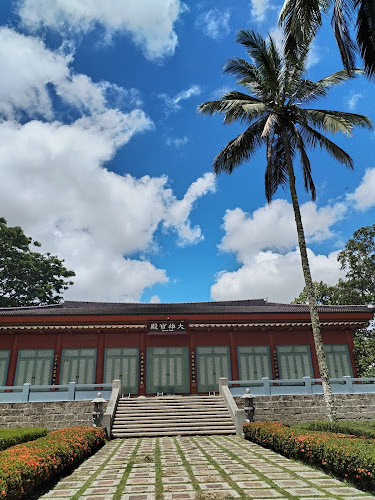
Korean Temple Silang, Cavite
About Korean Temple Silang, Cavite
Description
The Korean Temple in Silang, Cavite, often referred to by locals as a quiet spiritual hideaway, is one of those places that somehow feels both foreign and familiar at the same time. It’s a Buddhist temple and meditation center surrounded by lush greenery, where the air feels lighter and time seems to slow down just a little. Whether someone comes for prayer, reflection, or simply to take a breather from the chaos of everyday life, this temple has a certain way of grounding people. It’s not flashy or touristy, which, honestly, is part of its charm.
The first thing visitors usually notice is the serenity that wraps around the entire place. The temple grounds are impeccably maintained — trimmed grass, flowering plants, and those charming stone pathways that lead you through the gardens. There’s something deeply calming about hearing the faint rustle of leaves and the distant sound of chanting echoing through the halls. It’s easy to forget you’re in Cavite, just a couple of hours from Metro Manila.
The temple’s architecture is unmistakably Korean — colorful yet harmonious, with intricate wooden carvings and tiled roofs that curve gracefully against the sky. Inside, the main hall holds a large Buddha statue surrounded by smaller ones, each symbolizing different aspects of enlightenment. Even if you’re not Buddhist, there’s a quiet respect that fills the air, and most people find themselves whispering without realizing it.
What’s nice about this place is that it’s not overly commercialized. There are no loud vendors or souvenir stalls competing for attention. Instead, the temple invites you to just be still. People come here for meditation retreats, photography, or even just to walk around and clear their heads. It’s accessible, peaceful, and surprisingly inclusive — a place where both spiritual seekers and casual travelers can coexist without judgment.
Of course, not everything is perfect. Some visitors have mentioned that it can get a bit crowded on weekends or holidays, especially when local tour groups arrive. Parking can also be tricky during those times. But if you come on a weekday morning, you’ll likely have the place almost to yourself. And trust me, that’s when the temple truly shines — when the only sounds are the wind and the soft ringing of temple bells.
Key Features
- Authentic Korean Buddhist architecture with vibrant detailing and serene garden surroundings
- Open meditation areas for visitors seeking peace and mindfulness
- Verdant grounds ideal for slow walks, reflection, and photography
- Wheelchair-accessible entrance and parking for inclusive access
- Clean and well-maintained restrooms for visitor convenience
- Occasional cultural and spiritual events that showcase Korean Buddhist practices
- Quiet zones ideal for meditation, reading, or simply enjoying nature
One thing that makes this temple stand out is how it manages to balance cultural authenticity with accessibility. You get a genuine glimpse of Korean Buddhist culture — the rituals, the symbols, the tranquility — without feeling out of place as a visitor. It’s a rare mix of sacred and welcoming, which is probably why so many people leave feeling refreshed.
Best Time to Visit
If you’re planning to visit the Korean Temple in Silang, timing can make all the difference. Early mornings are pure magic here. The light filters gently through the trees, and the air still carries that cool Cavite breeze. It’s the best time for meditation or quiet reflection before the day gets busier. Late afternoons are also lovely — especially if you enjoy watching how the sunlight hits the temple roofs, turning everything golden.
Avoid visiting around lunchtime on weekends if you can. That’s when most tour groups arrive, and while it’s great to see more people appreciating the site, it can get a bit noisy. Weekdays are ideal for a more personal experience. And if you’re into photography, try coming right after a light rain — the temple grounds look extra lush, and the reflections on the stone paths are beautiful.
Weather-wise, the cooler months from November to February are perfect. The air is crisp, and you can wander around comfortably without breaking a sweat. The rainy season (June to September) has its charm too, though — the gardens turn a deeper shade of green, and there’s a kind of poetic stillness that settles over the place. Just bring an umbrella and maybe an extra pair of shoes.
How to Get There
Getting to the Korean Temple in Silang is relatively easy, though you’ll need a bit of patience if you’re coming from Metro Manila. Most travelers drive or take a private car, which is the most convenient option. The roads leading to Silang are fairly straightforward, though expect some traffic near Tagaytay, especially on weekends.
If you’re commuting, you can take a bus bound for Tagaytay or Nasugbu and get off at Silang town proper. From there, tricycles can take you to the temple area. The drivers usually know the place — just say “Korean temple,” and they’ll nod knowingly. It’s a short ride, and along the way, you’ll pass by scenic countryside views that make the trip feel like part of the experience.
For those using navigation apps, make sure to double-check your route before heading out. Some GPS maps can be a little off, leading you to nearby residential areas. A good tip is to follow local signage once you’re close; the temple’s entrance is marked clearly, though it’s easy to miss if you’re driving too fast.
Tips for Visiting
Visiting a Buddhist temple, even as a tourist, comes with a certain level of respect — and that’s something worth keeping in mind here. Dress modestly; think light, comfortable clothing that covers shoulders and knees. It’s not about strict rules, but more about showing mindfulness toward the space and the people who consider it sacred.
Bring a bottle of water, especially if you plan to explore the grounds thoroughly. The area can get warm midday, and though there are shaded spots, it’s best to stay hydrated. And, of course, keep your voice low. The temple is primarily a place of meditation, so even if you’re excited about taking photos (which, by the way, are allowed in most areas), do so quietly and respectfully.
If you’re lucky enough to witness a ceremony or hear the monks chant, take a moment to just listen. There’s something deeply moving about it — even if you don’t understand the words, the rhythm and tone have a calming effect. I remember the first time I heard it; it felt like the sound was vibrating through the air, settling into my chest. It’s one of those experiences that stays with you long after you leave.
Another practical tip: wear comfortable shoes. The temple grounds are spacious, and you’ll likely be walking a lot. Some areas require you to remove your footwear before entering, so slip-on shoes make things easier. And if you’re into journaling or sketching, bring your notebook — there’s plenty of inspiration here, from the architecture to the quiet hum of nature.
Lastly, take your time. Don’t rush through it like you’re ticking off a checklist. The Korean Temple in Silang isn’t the kind of place you “see” — it’s one you feel. Sit on a bench under a tree, breathe in the scent of incense, and just let yourself be still for a while. That’s when the real magic of this place reveals itself.
For travelers looking for a meaningful stop in Cavite, the Korean Temple offers a rare kind of peace — the kind that doesn’t demand anything from you, just your presence. Whether you come for spiritual reasons, curiosity, or simply to escape the noise of the city, you’ll likely leave a little lighter, a little more centered, and maybe even quietly grateful that such a place exists so close to home.
Key Features
- Authentic Korean Buddhist architecture with vibrant detailing and serene garden surroundings
- Open meditation areas for visitors seeking peace and mindfulness
- Verdant grounds ideal for slow walks, reflection, and photography
- Wheelchair-accessible entrance and parking for inclusive access
- Clean and well-maintained restrooms for visitor convenience
- Occasional cultural and spiritual events that showcase Korean Buddhist practices
- Quiet zones ideal for meditation, reading, or simply enjoying nature
More Details
Updated November 9, 2025
Table of Contents
Description
The Korean Temple in Silang, Cavite, often referred to by locals as a quiet spiritual hideaway, is one of those places that somehow feels both foreign and familiar at the same time. It’s a Buddhist temple and meditation center surrounded by lush greenery, where the air feels lighter and time seems to slow down just a little. Whether someone comes for prayer, reflection, or simply to take a breather from the chaos of everyday life, this temple has a certain way of grounding people. It’s not flashy or touristy, which, honestly, is part of its charm.
The first thing visitors usually notice is the serenity that wraps around the entire place. The temple grounds are impeccably maintained — trimmed grass, flowering plants, and those charming stone pathways that lead you through the gardens. There’s something deeply calming about hearing the faint rustle of leaves and the distant sound of chanting echoing through the halls. It’s easy to forget you’re in Cavite, just a couple of hours from Metro Manila.
The temple’s architecture is unmistakably Korean — colorful yet harmonious, with intricate wooden carvings and tiled roofs that curve gracefully against the sky. Inside, the main hall holds a large Buddha statue surrounded by smaller ones, each symbolizing different aspects of enlightenment. Even if you’re not Buddhist, there’s a quiet respect that fills the air, and most people find themselves whispering without realizing it.
What’s nice about this place is that it’s not overly commercialized. There are no loud vendors or souvenir stalls competing for attention. Instead, the temple invites you to just be still. People come here for meditation retreats, photography, or even just to walk around and clear their heads. It’s accessible, peaceful, and surprisingly inclusive — a place where both spiritual seekers and casual travelers can coexist without judgment.
Of course, not everything is perfect. Some visitors have mentioned that it can get a bit crowded on weekends or holidays, especially when local tour groups arrive. Parking can also be tricky during those times. But if you come on a weekday morning, you’ll likely have the place almost to yourself. And trust me, that’s when the temple truly shines — when the only sounds are the wind and the soft ringing of temple bells.
Key Features
- Authentic Korean Buddhist architecture with vibrant detailing and serene garden surroundings
- Open meditation areas for visitors seeking peace and mindfulness
- Verdant grounds ideal for slow walks, reflection, and photography
- Wheelchair-accessible entrance and parking for inclusive access
- Clean and well-maintained restrooms for visitor convenience
- Occasional cultural and spiritual events that showcase Korean Buddhist practices
- Quiet zones ideal for meditation, reading, or simply enjoying nature
One thing that makes this temple stand out is how it manages to balance cultural authenticity with accessibility. You get a genuine glimpse of Korean Buddhist culture — the rituals, the symbols, the tranquility — without feeling out of place as a visitor. It’s a rare mix of sacred and welcoming, which is probably why so many people leave feeling refreshed.
Best Time to Visit
If you’re planning to visit the Korean Temple in Silang, timing can make all the difference. Early mornings are pure magic here. The light filters gently through the trees, and the air still carries that cool Cavite breeze. It’s the best time for meditation or quiet reflection before the day gets busier. Late afternoons are also lovely — especially if you enjoy watching how the sunlight hits the temple roofs, turning everything golden.
Avoid visiting around lunchtime on weekends if you can. That’s when most tour groups arrive, and while it’s great to see more people appreciating the site, it can get a bit noisy. Weekdays are ideal for a more personal experience. And if you’re into photography, try coming right after a light rain — the temple grounds look extra lush, and the reflections on the stone paths are beautiful.
Weather-wise, the cooler months from November to February are perfect. The air is crisp, and you can wander around comfortably without breaking a sweat. The rainy season (June to September) has its charm too, though — the gardens turn a deeper shade of green, and there’s a kind of poetic stillness that settles over the place. Just bring an umbrella and maybe an extra pair of shoes.
How to Get There
Getting to the Korean Temple in Silang is relatively easy, though you’ll need a bit of patience if you’re coming from Metro Manila. Most travelers drive or take a private car, which is the most convenient option. The roads leading to Silang are fairly straightforward, though expect some traffic near Tagaytay, especially on weekends.
If you’re commuting, you can take a bus bound for Tagaytay or Nasugbu and get off at Silang town proper. From there, tricycles can take you to the temple area. The drivers usually know the place — just say “Korean temple,” and they’ll nod knowingly. It’s a short ride, and along the way, you’ll pass by scenic countryside views that make the trip feel like part of the experience.
For those using navigation apps, make sure to double-check your route before heading out. Some GPS maps can be a little off, leading you to nearby residential areas. A good tip is to follow local signage once you’re close; the temple’s entrance is marked clearly, though it’s easy to miss if you’re driving too fast.
Tips for Visiting
Visiting a Buddhist temple, even as a tourist, comes with a certain level of respect — and that’s something worth keeping in mind here. Dress modestly; think light, comfortable clothing that covers shoulders and knees. It’s not about strict rules, but more about showing mindfulness toward the space and the people who consider it sacred.
Bring a bottle of water, especially if you plan to explore the grounds thoroughly. The area can get warm midday, and though there are shaded spots, it’s best to stay hydrated. And, of course, keep your voice low. The temple is primarily a place of meditation, so even if you’re excited about taking photos (which, by the way, are allowed in most areas), do so quietly and respectfully.
If you’re lucky enough to witness a ceremony or hear the monks chant, take a moment to just listen. There’s something deeply moving about it — even if you don’t understand the words, the rhythm and tone have a calming effect. I remember the first time I heard it; it felt like the sound was vibrating through the air, settling into my chest. It’s one of those experiences that stays with you long after you leave.
Another practical tip: wear comfortable shoes. The temple grounds are spacious, and you’ll likely be walking a lot. Some areas require you to remove your footwear before entering, so slip-on shoes make things easier. And if you’re into journaling or sketching, bring your notebook — there’s plenty of inspiration here, from the architecture to the quiet hum of nature.
Lastly, take your time. Don’t rush through it like you’re ticking off a checklist. The Korean Temple in Silang isn’t the kind of place you “see” — it’s one you feel. Sit on a bench under a tree, breathe in the scent of incense, and just let yourself be still for a while. That’s when the real magic of this place reveals itself.
For travelers looking for a meaningful stop in Cavite, the Korean Temple offers a rare kind of peace — the kind that doesn’t demand anything from you, just your presence. Whether you come for spiritual reasons, curiosity, or simply to escape the noise of the city, you’ll likely leave a little lighter, a little more centered, and maybe even quietly grateful that such a place exists so close to home.
Key Highlights
- Authentic Korean Buddhist architecture with vibrant detailing and serene garden surroundings
- Open meditation areas for visitors seeking peace and mindfulness
- Verdant grounds ideal for slow walks, reflection, and photography
- Wheelchair-accessible entrance and parking for inclusive access
- Clean and well-maintained restrooms for visitor convenience
- Occasional cultural and spiritual events that showcase Korean Buddhist practices
- Quiet zones ideal for meditation, reading, or simply enjoying nature
Location
Places to Stay Near Korean Temple Silang, Cavite
Find and Book a Tour
Explore More Travel Guides
No reviews found! Be the first to review!
Traveler Reviews for Korean Temple Silang, Cavite
There are no reviews yet. Be the first one to write one.
Have you visited Korean Temple Silang, Cavite? Help other travelers by sharing your review.
You Might Also Like
AUP Centennial Park
Iba Garden
Ading
Find Accommodations Nearby
Recommended Tours & Activities
Visitor Reviews
There are no reviews yet. Be the first one to write one.
Share Your Experience
Have you visited Korean Temple Silang, Cavite? Help other travelers by leaving a review.