

Museo Panteón de la Santa Vera Cruz
About Museo Panteón de la Santa Vera Cruz
Description
There’s something hauntingly beautiful about the Museo Panteón de la Santa Vera Cruz in San Juan del Río, Querétaro. It’s not your typical museum with shiny glass cases and polished floors—it’s a place where history, architecture, and a touch of the macabre come together in a way that sticks with you long after you’ve left. Built between 1854 and 1857 atop the hill known as El Calvario, this cemetery-turned-museum sits quietly behind the Chapel of Calvario, overlooking the city with a kind of dignified melancholy. Originally reserved for the wealthiest families of the region, the pantheon now tells stories that go far beyond social class—it’s a reflection of how Mexicans have understood and celebrated death for generations.
Walking through its weathered stone paths feels like stepping into a living storybook. The gravestones, some chipped and faded, whisper tales of love, loss, and faith. You can almost sense the echoes of the 19th century in the air—the quiet prayers, the hushed goodbyes. Since 1981, when it officially became a museum, the site has been dedicated to exploring the cultural meaning of death in Mexico. And it does so in a way that’s both educational and strangely comforting. I remember my first visit; I expected something eerie, maybe even unsettling. Instead, I found peace. There’s a stillness here that makes you think about time, about legacy, about what really lasts after we’re gone.
Despite its solemn subject, the Museo Panteón de la Santa Vera Cruz is surprisingly family-friendly. Kids often find themselves fascinated by the old sculptures and the stories behind them, and the museum staff are always eager to share anecdotes that bring the exhibits to life. It’s also a safe and inclusive space, welcoming visitors from all backgrounds. The only downside is that it’s not fully accessible for wheelchairs, given its age and hillside location, but that’s part of the challenge of preserving such a historic site. Still, for anyone who loves history, architecture, or simply wants to experience a deeper side of Mexican culture, this place is a must-see. It’s not flashy, but it’s real—and that’s what makes it unforgettable.
Key Features
- Historic Architecture: Built in the mid-19th century, the pantheon showcases neoclassical design elements mixed with local stonework, giving it a distinct character.
- Panoramic Views: Perched on a hill, the site offers sweeping views of San Juan del Río, especially magical during sunset.
- Cultural Exhibits: The museum explores Mexican death traditions, from pre-Hispanic rituals to modern Día de Muertos celebrations.
- Peaceful Atmosphere: Despite its theme, the space feels serene and reflective—ideal for quiet exploration.
- Family-Friendly: Children often enjoy the storytelling aspect of the museum, learning about history through engaging narratives.
- Live Performances: Occasionally, local artists and historians host performances or guided tours that bring the pantheon’s stories to life.
- Restroom Facilities: Basic amenities are available for visitors, though there’s no on-site restaurant.
- LGBTQ+ Friendly: The museum is known for being an inclusive and safe environment for all visitors.
Best Time to Visit
If you ask me, the best time to visit the Museo Panteón de la Santa Vera Cruz is late afternoon, just before sunset. The golden light spills across the tombs, casting long shadows that make the place feel almost timeless. It’s also quieter then, giving you the space to wander and reflect without the bustle of daytime crowds. From October to early November, around Día de Muertos, the museum takes on a special energy. Locals decorate the grounds with marigolds, candles, and traditional altars, turning the site into a living celebration of remembrance. It’s not a touristy spectacle—it’s heartfelt, intimate, and deeply rooted in Mexican identity.
That said, if you’re not one for crowds, you might prefer visiting in the middle of the week or during the cooler months from December to February. The weather is mild, perfect for walking around without breaking a sweat. Summer can be warm, and the hilltop location means you’ll want to bring water and maybe a hat. I once went in July, and while the heat was a bit much, a sudden rain shower cooled everything down and left the whole place smelling of wet stone and earth—it was oddly perfect. So really, any time can be the right time, depending on what kind of experience you’re after.
How to Get There
Reaching the Museo Panteón de la Santa Vera Cruz is fairly straightforward if you’re already in San Juan del Río. The site sits near the city center, up on the hill known as El Calvario. Most visitors opt for a short taxi or rideshare trip, which saves you the uphill walk. But if you’re like me and enjoy a bit of a climb, you can walk from the main plaza—it takes about 15 to 20 minutes, depending on your pace. Along the way, you’ll pass through charming colonial streets, small shops, and local cafés that make the journey part of the adventure.
For those coming from Querétaro City, it’s roughly a 45-minute drive along Highway 57. There are also frequent buses connecting the two cities, and once you arrive at the San Juan del Río bus station, it’s just a short ride to the museum area. Parking near the site is limited, so it’s best to leave your car downtown and walk or take a local taxi. The route is safe and well-marked, and locals are always happy to give directions—people here take pride in their city’s history, and they’ll often share a story or two about the pantheon if you ask.
Tips for Visiting
First and foremost, wear comfortable shoes. The paths are uneven in places, and the hill can be steep. Also, bring a bottle of water, especially if you’re visiting on a warm day. There’s no café or restaurant on-site, so it’s smart to grab a snack before you head up. And don’t rush your visit—this isn’t the kind of museum you breeze through. Take your time, read the plaques, and let the atmosphere sink in. You’ll notice details you might otherwise miss: the intricate carvings on a tomb, the way the light hits the chapel’s façade, the faint sound of bells from the city below.
Photography is allowed, but be respectful—this is still a place of remembrance for many families. If you’re visiting during Día de Muertos, ask before photographing altars or decorations, as some are personal tributes. For those who enjoy a bit of storytelling, try joining one of the guided tours. The local guides are passionate and full of fascinating tidbits that don’t show up in guidebooks. One told me about a 19th-century legend of a young bride buried here who’s said to appear on misty nights—whether you believe it or not, it adds a thrilling edge to the visit.
If you’re traveling with kids, prepare them beforehand. Explain that it’s a museum about history and culture, not a scary place. Most children end up curious rather than frightened, especially when they learn about the colorful traditions surrounding death in Mexico. And finally, if you’re sensitive to energy or spirituality, you might feel something special here. Many visitors describe a sense of calm or connection—it’s hard to explain, but easy to feel. Maybe it’s the view, maybe the history, or maybe just the quiet reminder that life and death are part of the same story.
In the end, the Museo Panteón de la Santa Vera Cruz isn’t just a stop on a travel itinerary—it’s an experience that lingers. It’s a place that invites you to slow down, to listen, and to see beauty in the things we often avoid thinking about. Whether you’re a history buff, a culture seeker, or simply someone who loves places with soul, this museum will leave an imprint on you. It did on me, and I suspect it will on you too.
Key Features
- Key Features
- Best Time to Visit
- How to Get There
- Tips for Visiting
More Details
Updated November 10, 2025
Table of Contents
- Description
- Key Features
- Best Time to Visit
- How to Get There
- Tips for Visiting
- Key Highlights
- Location
- Places to Stay Near Museo Panteón de la Santa Vera Cruz
- Find and Book a Tour
- Explore More Travel Guides
- Nearby Places You Might Like
- Traveler Reviews for Museo Panteón de la Santa Vera Cruz
- Share Your Experience
Description
There’s something hauntingly beautiful about the Museo Panteón de la Santa Vera Cruz in San Juan del Río, Querétaro. It’s not your typical museum with shiny glass cases and polished floors—it’s a place where history, architecture, and a touch of the macabre come together in a way that sticks with you long after you’ve left. Built between 1854 and 1857 atop the hill known as El Calvario, this cemetery-turned-museum sits quietly behind the Chapel of Calvario, overlooking the city with a kind of dignified melancholy. Originally reserved for the wealthiest families of the region, the pantheon now tells stories that go far beyond social class—it’s a reflection of how Mexicans have understood and celebrated death for generations.
Walking through its weathered stone paths feels like stepping into a living storybook. The gravestones, some chipped and faded, whisper tales of love, loss, and faith. You can almost sense the echoes of the 19th century in the air—the quiet prayers, the hushed goodbyes. Since 1981, when it officially became a museum, the site has been dedicated to exploring the cultural meaning of death in Mexico. And it does so in a way that’s both educational and strangely comforting. I remember my first visit; I expected something eerie, maybe even unsettling. Instead, I found peace. There’s a stillness here that makes you think about time, about legacy, about what really lasts after we’re gone.
Despite its solemn subject, the Museo Panteón de la Santa Vera Cruz is surprisingly family-friendly. Kids often find themselves fascinated by the old sculptures and the stories behind them, and the museum staff are always eager to share anecdotes that bring the exhibits to life. It’s also a safe and inclusive space, welcoming visitors from all backgrounds. The only downside is that it’s not fully accessible for wheelchairs, given its age and hillside location, but that’s part of the challenge of preserving such a historic site. Still, for anyone who loves history, architecture, or simply wants to experience a deeper side of Mexican culture, this place is a must-see. It’s not flashy, but it’s real—and that’s what makes it unforgettable.
Key Features
- Historic Architecture: Built in the mid-19th century, the pantheon showcases neoclassical design elements mixed with local stonework, giving it a distinct character.
- Panoramic Views: Perched on a hill, the site offers sweeping views of San Juan del Río, especially magical during sunset.
- Cultural Exhibits: The museum explores Mexican death traditions, from pre-Hispanic rituals to modern Día de Muertos celebrations.
- Peaceful Atmosphere: Despite its theme, the space feels serene and reflective—ideal for quiet exploration.
- Family-Friendly: Children often enjoy the storytelling aspect of the museum, learning about history through engaging narratives.
- Live Performances: Occasionally, local artists and historians host performances or guided tours that bring the pantheon’s stories to life.
- Restroom Facilities: Basic amenities are available for visitors, though there’s no on-site restaurant.
- LGBTQ+ Friendly: The museum is known for being an inclusive and safe environment for all visitors.
Best Time to Visit
If you ask me, the best time to visit the Museo Panteón de la Santa Vera Cruz is late afternoon, just before sunset. The golden light spills across the tombs, casting long shadows that make the place feel almost timeless. It’s also quieter then, giving you the space to wander and reflect without the bustle of daytime crowds. From October to early November, around Día de Muertos, the museum takes on a special energy. Locals decorate the grounds with marigolds, candles, and traditional altars, turning the site into a living celebration of remembrance. It’s not a touristy spectacle—it’s heartfelt, intimate, and deeply rooted in Mexican identity.
That said, if you’re not one for crowds, you might prefer visiting in the middle of the week or during the cooler months from December to February. The weather is mild, perfect for walking around without breaking a sweat. Summer can be warm, and the hilltop location means you’ll want to bring water and maybe a hat. I once went in July, and while the heat was a bit much, a sudden rain shower cooled everything down and left the whole place smelling of wet stone and earth—it was oddly perfect. So really, any time can be the right time, depending on what kind of experience you’re after.
How to Get There
Reaching the Museo Panteón de la Santa Vera Cruz is fairly straightforward if you’re already in San Juan del Río. The site sits near the city center, up on the hill known as El Calvario. Most visitors opt for a short taxi or rideshare trip, which saves you the uphill walk. But if you’re like me and enjoy a bit of a climb, you can walk from the main plaza—it takes about 15 to 20 minutes, depending on your pace. Along the way, you’ll pass through charming colonial streets, small shops, and local cafés that make the journey part of the adventure.
For those coming from Querétaro City, it’s roughly a 45-minute drive along Highway 57. There are also frequent buses connecting the two cities, and once you arrive at the San Juan del Río bus station, it’s just a short ride to the museum area. Parking near the site is limited, so it’s best to leave your car downtown and walk or take a local taxi. The route is safe and well-marked, and locals are always happy to give directions—people here take pride in their city’s history, and they’ll often share a story or two about the pantheon if you ask.
Tips for Visiting
First and foremost, wear comfortable shoes. The paths are uneven in places, and the hill can be steep. Also, bring a bottle of water, especially if you’re visiting on a warm day. There’s no café or restaurant on-site, so it’s smart to grab a snack before you head up. And don’t rush your visit—this isn’t the kind of museum you breeze through. Take your time, read the plaques, and let the atmosphere sink in. You’ll notice details you might otherwise miss: the intricate carvings on a tomb, the way the light hits the chapel’s façade, the faint sound of bells from the city below.
Photography is allowed, but be respectful—this is still a place of remembrance for many families. If you’re visiting during Día de Muertos, ask before photographing altars or decorations, as some are personal tributes. For those who enjoy a bit of storytelling, try joining one of the guided tours. The local guides are passionate and full of fascinating tidbits that don’t show up in guidebooks. One told me about a 19th-century legend of a young bride buried here who’s said to appear on misty nights—whether you believe it or not, it adds a thrilling edge to the visit.
If you’re traveling with kids, prepare them beforehand. Explain that it’s a museum about history and culture, not a scary place. Most children end up curious rather than frightened, especially when they learn about the colorful traditions surrounding death in Mexico. And finally, if you’re sensitive to energy or spirituality, you might feel something special here. Many visitors describe a sense of calm or connection—it’s hard to explain, but easy to feel. Maybe it’s the view, maybe the history, or maybe just the quiet reminder that life and death are part of the same story.
In the end, the Museo Panteón de la Santa Vera Cruz isn’t just a stop on a travel itinerary—it’s an experience that lingers. It’s a place that invites you to slow down, to listen, and to see beauty in the things we often avoid thinking about. Whether you’re a history buff, a culture seeker, or simply someone who loves places with soul, this museum will leave an imprint on you. It did on me, and I suspect it will on you too.
Key Highlights
- Key Features
- Best Time to Visit
- How to Get There
- Tips for Visiting
Location
Places to Stay Near Museo Panteón de la Santa Vera Cruz
Find and Book a Tour
Explore More Travel Guides
No reviews found! Be the first to review!
Traveler Reviews for Museo Panteón de la Santa Vera Cruz
There are no reviews yet. Be the first one to write one.
Have you visited Museo Panteón de la Santa Vera Cruz? Help other travelers by sharing your review.
You Might Also Like
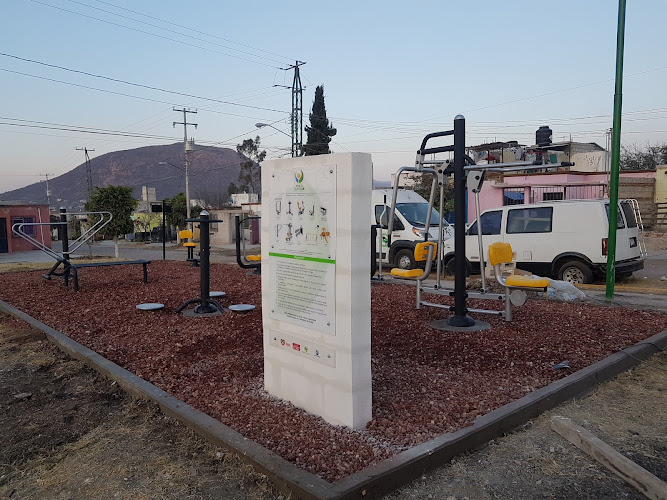
parque bugambilias

Galerias San Juan del Rio
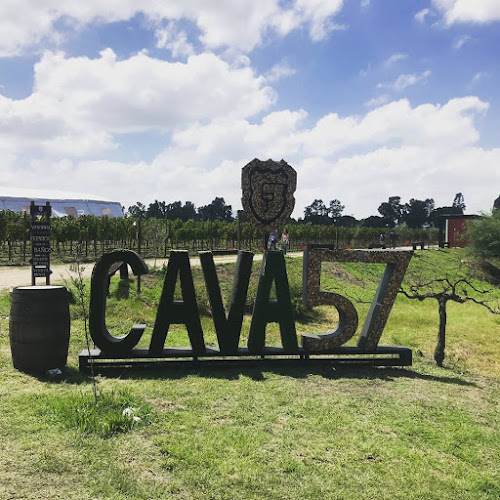
Cava 57
Find Accommodations Nearby
Recommended Tours & Activities
Visitor Reviews
There are no reviews yet. Be the first one to write one.
Share Your Experience
Have you visited Museo Panteón de la Santa Vera Cruz? Help other travelers by leaving a review.