
U.S. Veterans Memorial Museum
About U.S. Veterans Memorial Museum
Description
The U.S. Veterans Memorial Museum in Huntsville is a hands-on, deeply human museum that traces American military history from the Revolutionary War through the present day. Visitors find an eclectic, sometimes surprising collection of uniforms, weapons, vehicles and personal memorabilia arranged not just as artifacts but as prompts for stories. The place reads like a patchwork of private donations, veterans' memories and careful curation; that mix gives it a lived-in, honest feel. It isn’t polished like a federal institution with pristine vitrines and placards trimmed in legalese—no, it feels more like a neighborhood repository where volunteers with decades of experience gently shepherd big metal things and small, intimate objects into the light.
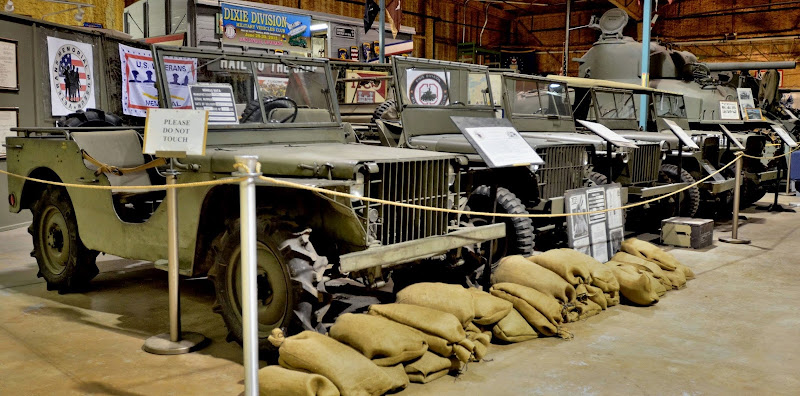
On arrival, many people remark on how immediately tangible the experience is. Tanks and armored vehicles sit where they can be seen close up; rifles, field gear and insignia are displayed alongside letters, photographs and oral-history snippets that bring faces and voices into the room. The museum aims to document both the machinery of war—vehicles, aircraft models, weaponry—and the human angle: the sacrifices, routines, and everyday humor soldiers used to stay sane. Some exhibits highlight key conflicts like World War II and Vietnam, while other displays trace the arc of technological change in the U.S. armed forces. That breadth appeals to history buffs, families and travelers who like context as much as flash.
Accessibility is clearly taken seriously. The museum provides a wheelchair-accessible entrance, accessible parking, and restroom facilities that work for visitors with limited mobility. That makes a real difference, especially for older veterans, families with strollers, and anyone who prefers to move around without stairs or narrow corridors. Practical touches like these—small, but not always guaranteed at every local museum—signal that the place cares about being welcoming rather than exclusive.
Guided tours are available and often recommended. Volunteer docents—many of whom are veterans or long-time supporters—lead visitors through exhibits, offering first-person anecdotes, contextual background and occasional behind-the-scenes observations. These volunteers are the secret sauce. They know which display has the unusual backstory, which helmet belonged to someone famous in local military circles, and which artifact earned its place because someone in town insisted it be preserved. If one were to recommend a strategy for a first-time visitor, it would be: join a tour if the timing works. The stories told on those tours often add layers that labels alone cannot convey.
Families will appreciate that the museum is labeled as good for kids. That doesn’t mean it’s Disneyland for children—far from it—but many displays use visual cues and hands-on elements that help younger visitors grasp complex ideas like logistics, communication and the changing nature of warfare. Expect to see models, replicas and clear explanatory pieces that make topics digestible for curious minds. Parents should note that the museum does contain weapons and war-related items; the presentation, however, tends to be educational rather than sensational.
Practicalities: there is an admission fee. This fee supports maintenance, programming and the volunteer network, so most visitors accept it as part of the deal. There is no restaurant on-site, so plan eating stops before or after the visit—though local eateries in the area can easily be found if one wants a proper meal. Restrooms are available inside the building.
The collection includes military vehicles and artifacts spanning a wide historical sweep. A single walk through several galleries will take visitors from muskets and Continental-era memorabilia, through Civil War and early 20th-century items, and then into mid-century artifacts—World War I and II gear—before landing in contemporary displays that touch on modern deployments and technologies. That progression makes the museum a compact primer on American military history; one can follow the evolution of uniforms alone and learn about materials, camouflage, and how different conflicts demanded new solutions from soldiers and engineers.
It’s worth remarking on the volunteers again because they are not just staff—they’re storytellers, conservators, counselors and sometimes the folks who’ll help a visitor find a long-lost connection. On one visit, an older man wandered in and found a display featuring an insignia from his grandfather’s unit. He sat down and cried quietly while a volunteer tracked down an old photograph and pointed to the exact pattern. It’s the small, human moments like that which make the museum stick in people’s heads. The volunteer force keeps the place breathing; they write labels, answer detailed historical questions, and maintain large exhibits. If that sounds like a soft sell, it’s not—their presence genuinely enriches the visit.
For travelers who like to plan by interests, the museum shines as a stop on a military-history or museum trail through the region. Huntsville’s broader cultural and tech scene makes this museum a complementary visit: after seeing rockets and space exhibits elsewhere in the city, stepping into a military history space gives a rounded sense of the local historical landscape—both defense and aerospace threads run deep in the area. The museum’s location near transport hubs means it’s easy to wedge into a day of sightseeing.
Visitors should expect a mix of large hardware and intimate artifacts. Vehicles and weaponry tend to draw crowds—there’s a certain magnetism to seeing how big things once moved and operated—but the smaller items often linger in memory: dog tags, hand-written letters, personal photos, medals and ration tins. These close-up objects tell personal stories that statistics and timelines cannot. They are reminders that historical events are composed of tiny, human moments.
The museum balances reverence with education. It honors service without leaning into hagiography; it documents complexity without being overly academic. Exhibits aim to inform and provoke thought—about strategy, technology, sacrifice and the costs of conflict. That balance makes it apt for school groups, veteran organizations, and individual travelers seeking a reflective, informative experience rather than an adrenaline rush.
Something not everyone expects is the museum’s collection growth model: a lot of the inventory arrives via donations from veterans, families and community members. That means exhibits sometimes reflect the local community’s memory as much as national narratives. If a visitor has an heirloom or story they want preserved, the museum staff is often receptive to conversations. Again, volunteers often coordinate this work and can be surprisingly knowledgeable about conservation basics. It’s not an impersonal acquisition machine—many items have notes about who donated them and why, which adds an extra layer of authenticity.
On the flip side, the museum is intentionally modest in scale compared to national institutions. It won’t take an entire day to see everything; plan for one to three hours depending on curiosity levels, whether a tour is joined, and how much time one spends with oral histories and vehicle displays. For travelers juggling multiple stops, that manageability is a plus: it fits neatly into half-day itineraries.
Finally, the visitor experience tends to be warm but occasionally uneven—because the museum leans on volunteers and donations, some galleries show their age or are arranged in ways that reflect pragmatic constraints. But that’s part of the charm for many guests. The museum rewards curiosity and a willingness to ask questions. Bring patience, an appetite for stories, and maybe a list of family names to check against exhibits. Whether someone cares most about military hardware, historical context, or the human stories behind the objects, the U.S. Veterans Memorial Museum in Huntsville provides a thoughtful, accessible place to reflect on the nation’s military past and the people who served.
Key Features
More Details
Updated August 29, 2025
Table of Contents
Description
The U.S. Veterans Memorial Museum in Huntsville is a hands-on, deeply human museum that traces American military history from the Revolutionary War through the present day. Visitors find an eclectic, sometimes surprising collection of uniforms, weapons, vehicles and personal memorabilia arranged not just as artifacts but as prompts for stories. The place reads like a patchwork of private donations, veterans’ memories and careful curation; that mix gives it a lived-in, honest feel. It isn’t polished like a federal institution with pristine vitrines and placards trimmed in legalese—no, it feels more like a neighborhood repository where volunteers with decades of experience gently shepherd big metal things and small, intimate objects into the light.
On arrival, many people remark on how immediately tangible the experience is. Tanks and armored vehicles sit where they can be seen close up; rifles, field gear and insignia are displayed alongside letters, photographs and oral-history snippets that bring faces and voices into the room. The museum aims to document both the machinery of war—vehicles, aircraft models, weaponry—and the human angle: the sacrifices, routines, and everyday humor soldiers used to stay sane. Some exhibits highlight key conflicts like World War II and Vietnam, while other displays trace the arc of technological change in the U.S. armed forces. That breadth appeals to history buffs, families and travelers who like context as much as flash.
Accessibility is clearly taken seriously. The museum provides a wheelchair-accessible entrance, accessible parking, and restroom facilities that work for visitors with limited mobility. That makes a real difference, especially for older veterans, families with strollers, and anyone who prefers to move around without stairs or narrow corridors. Practical touches like these—small, but not always guaranteed at every local museum—signal that the place cares about being welcoming rather than exclusive.
Guided tours are available and often recommended. Volunteer docents—many of whom are veterans or long-time supporters—lead visitors through exhibits, offering first-person anecdotes, contextual background and occasional behind-the-scenes observations. These volunteers are the secret sauce. They know which display has the unusual backstory, which helmet belonged to someone famous in local military circles, and which artifact earned its place because someone in town insisted it be preserved. If one were to recommend a strategy for a first-time visitor, it would be: join a tour if the timing works. The stories told on those tours often add layers that labels alone cannot convey.
Families will appreciate that the museum is labeled as good for kids. That doesn’t mean it’s Disneyland for children—far from it—but many displays use visual cues and hands-on elements that help younger visitors grasp complex ideas like logistics, communication and the changing nature of warfare. Expect to see models, replicas and clear explanatory pieces that make topics digestible for curious minds. Parents should note that the museum does contain weapons and war-related items; the presentation, however, tends to be educational rather than sensational.
Practicalities: there is an admission fee. This fee supports maintenance, programming and the volunteer network, so most visitors accept it as part of the deal. There is no restaurant on-site, so plan eating stops before or after the visit—though local eateries in the area can easily be found if one wants a proper meal. Restrooms are available inside the building.
The collection includes military vehicles and artifacts spanning a wide historical sweep. A single walk through several galleries will take visitors from muskets and Continental-era memorabilia, through Civil War and early 20th-century items, and then into mid-century artifacts—World War I and II gear—before landing in contemporary displays that touch on modern deployments and technologies. That progression makes the museum a compact primer on American military history; one can follow the evolution of uniforms alone and learn about materials, camouflage, and how different conflicts demanded new solutions from soldiers and engineers.
It’s worth remarking on the volunteers again because they are not just staff—they’re storytellers, conservators, counselors and sometimes the folks who’ll help a visitor find a long-lost connection. On one visit, an older man wandered in and found a display featuring an insignia from his grandfather’s unit. He sat down and cried quietly while a volunteer tracked down an old photograph and pointed to the exact pattern. It’s the small, human moments like that which make the museum stick in people’s heads. The volunteer force keeps the place breathing; they write labels, answer detailed historical questions, and maintain large exhibits. If that sounds like a soft sell, it’s not—their presence genuinely enriches the visit.
For travelers who like to plan by interests, the museum shines as a stop on a military-history or museum trail through the region. Huntsville’s broader cultural and tech scene makes this museum a complementary visit: after seeing rockets and space exhibits elsewhere in the city, stepping into a military history space gives a rounded sense of the local historical landscape—both defense and aerospace threads run deep in the area. The museum’s location near transport hubs means it’s easy to wedge into a day of sightseeing.
Visitors should expect a mix of large hardware and intimate artifacts. Vehicles and weaponry tend to draw crowds—there’s a certain magnetism to seeing how big things once moved and operated—but the smaller items often linger in memory: dog tags, hand-written letters, personal photos, medals and ration tins. These close-up objects tell personal stories that statistics and timelines cannot. They are reminders that historical events are composed of tiny, human moments.
The museum balances reverence with education. It honors service without leaning into hagiography; it documents complexity without being overly academic. Exhibits aim to inform and provoke thought—about strategy, technology, sacrifice and the costs of conflict. That balance makes it apt for school groups, veteran organizations, and individual travelers seeking a reflective, informative experience rather than an adrenaline rush.
Something not everyone expects is the museum’s collection growth model: a lot of the inventory arrives via donations from veterans, families and community members. That means exhibits sometimes reflect the local community’s memory as much as national narratives. If a visitor has an heirloom or story they want preserved, the museum staff is often receptive to conversations. Again, volunteers often coordinate this work and can be surprisingly knowledgeable about conservation basics. It’s not an impersonal acquisition machine—many items have notes about who donated them and why, which adds an extra layer of authenticity.
On the flip side, the museum is intentionally modest in scale compared to national institutions. It won’t take an entire day to see everything; plan for one to three hours depending on curiosity levels, whether a tour is joined, and how much time one spends with oral histories and vehicle displays. For travelers juggling multiple stops, that manageability is a plus: it fits neatly into half-day itineraries.
Finally, the visitor experience tends to be warm but occasionally uneven—because the museum leans on volunteers and donations, some galleries show their age or are arranged in ways that reflect pragmatic constraints. But that’s part of the charm for many guests. The museum rewards curiosity and a willingness to ask questions. Bring patience, an appetite for stories, and maybe a list of family names to check against exhibits. Whether someone cares most about military hardware, historical context, or the human stories behind the objects, the U.S. Veterans Memorial Museum in Huntsville provides a thoughtful, accessible place to reflect on the nation’s military past and the people who served.
Key Highlights
U.S. Veterans Memorial Museum
Location
Places to Stay Near U.S. Veterans Memorial Museum
Find and Book a Tour
Explore More Travel Guides
No reviews found! Be the first to review!
Traveler Reviews for U.S. Veterans Memorial Museum
There are no reviews yet. Be the first one to write one.
Have you visited U.S. Veterans Memorial Museum? Help other travelers by sharing your review.
You Might Also Like
Downtown Huntsville, Inc.

Huntsville Botanical Garden

North Alabama Railroad Museum
Find Accommodations Nearby
Recommended Tours & Activities
Visitor Reviews
There are no reviews yet. Be the first one to write one.
Share Your Experience
Have you visited U.S. Veterans Memorial Museum? Help other travelers by leaving a review.