

Hotan Cultural Museum
About Hotan Cultural Museum
Description
The Hotan Cultural Museum is one of those places that quietly surprises you. It’s not the kind of overly polished, hyper-commercialized museum you might find in a big city, and honestly, that’s part of its charm. This museum dives deep into the history of Hotan and the broader Xinjiang region, telling stories that stretch back to the days of the Silk Road. You’ll see artifacts that feel like they’ve lived a thousand lives—ancient textiles, Buddhist relics, pottery, and even pieces of jade that have been traded here for centuries. The building itself isn’t flashy, but it has a certain grounded, authentic feel that fits the area perfectly.
Some visitors find the layout a little straightforward, maybe even plain in spots, but that simplicity lets the exhibits speak for themselves. You won’t be overwhelmed by endless interactive screens or gimmicks—just real objects with real history. And for those who care about accessibility, the museum does right by its guests: wheelchair-accessible restrooms, clean facilities, and a space that’s manageable to navigate without feeling rushed. It’s also a comfortable place to bring kids; the exhibits are engaging enough to spark curiosity without being too dense or academic.
Personally, I think the best part is how the museum connects you to the land outside its walls. You can stand in front of an ancient Silk Road map and then walk out knowing you’re standing in the very region it depicts. That kind of connection is rare, and it’s what makes this place worth the time—especially if you’re the type who likes to dig into a destination’s roots rather than just skim the surface.
Key Features
- Extensive collection of over 9,000 cultural relics, many excavated locally
- Artifacts from the Silk Road era, including textiles, pottery, and Buddhist relics
- Rare jade pieces reflecting Hotan’s centuries-old jade trade
- Wheelchair-accessible restrooms and family-friendly facilities
- Clear, easy-to-follow exhibit layout without overwhelming crowds
- Displays that connect directly to the surrounding region’s history
- Opportunities to learn about both ancient and modern Hotan culture
Best Time to Visit
Hotan can get seriously hot in summer—dry desert heat that makes you wish you’d packed twice as much water—so if you can, aim for spring or autumn. April to early June and September to October are pretty ideal. The weather is mild, the skies tend to be clear, and you’ll be able to explore both the museum and the surrounding markets without feeling like you’re melting. Winter is also an option if you don’t mind bundling up; the museum is indoors, after all, and it’s a cozy way to spend a chilly afternoon. Just keep in mind that certain outdoor attractions nearby might be less appealing in freezing temps.
How to Get There
Getting to the Hotan Cultural Museum isn’t complicated, but it does depend on how you’re traveling. If you’re already in Hotan city, a taxi or rideshare will get you there quickly and without fuss. Public buses run in the area, though routes can be a bit tricky if you don’t speak the language—worth it if you like the adventure, but maybe not if you’re short on time. If you’re coming from further afield, Hotan has an airport and a train station, both with connections to other major cities in Xinjiang. Once you’re in town, the museum is centrally located enough that you can combine it with other stops in a single day.
Tips for Visiting
First off, give yourself at least two hours here. You might think you’ll breeze through, but the details in the artifacts have a way of pulling you in. Bring a bottle of water, especially if you’re visiting in warmer months, because while the museum is climate-controlled, you’ll probably be walking to other attractions nearby. Photography rules can vary—sometimes you can snap pictures without flash, other times it’s a firm no—so it’s worth asking before you start clicking away.
If you’re traveling with kids, point out the Silk Road maps and trade route artifacts; they’re surprisingly engaging for younger visitors, especially if you make it into a little treasure hunt. And here’s a small personal tip: try to visit in the morning. It’s quieter, the lighting is better for viewing displays, and you’ll avoid the small afternoon rush. Oh, and don’t skip the jade section—it’s not just pretty stones, it’s a whole story about trade, craftsmanship, and the region’s identity.
Key Features
- Extensive collection of over 9,000 cultural relics, many excavated locally
- Artifacts from the Silk Road era, including textiles, pottery, and Buddhist relics
- Rare jade pieces reflecting Hotan’s centuries-old jade trade
- Wheelchair-accessible restrooms and family-friendly facilities
- Clear, easy-to-follow exhibit layout without overwhelming crowds
- Displays that connect directly to the surrounding region’s history
- Opportunities to learn about both ancient and modern Hotan culture
More Details
Updated August 14, 2025
Table of Contents
Description
The Hotan Cultural Museum is one of those places that quietly surprises you. It’s not the kind of overly polished, hyper-commercialized museum you might find in a big city, and honestly, that’s part of its charm. This museum dives deep into the history of Hotan and the broader Xinjiang region, telling stories that stretch back to the days of the Silk Road. You’ll see artifacts that feel like they’ve lived a thousand lives—ancient textiles, Buddhist relics, pottery, and even pieces of jade that have been traded here for centuries. The building itself isn’t flashy, but it has a certain grounded, authentic feel that fits the area perfectly.
Some visitors find the layout a little straightforward, maybe even plain in spots, but that simplicity lets the exhibits speak for themselves. You won’t be overwhelmed by endless interactive screens or gimmicks—just real objects with real history. And for those who care about accessibility, the museum does right by its guests: wheelchair-accessible restrooms, clean facilities, and a space that’s manageable to navigate without feeling rushed. It’s also a comfortable place to bring kids; the exhibits are engaging enough to spark curiosity without being too dense or academic.
Personally, I think the best part is how the museum connects you to the land outside its walls. You can stand in front of an ancient Silk Road map and then walk out knowing you’re standing in the very region it depicts. That kind of connection is rare, and it’s what makes this place worth the time—especially if you’re the type who likes to dig into a destination’s roots rather than just skim the surface.
Key Features
- Extensive collection of over 9,000 cultural relics, many excavated locally
- Artifacts from the Silk Road era, including textiles, pottery, and Buddhist relics
- Rare jade pieces reflecting Hotan’s centuries-old jade trade
- Wheelchair-accessible restrooms and family-friendly facilities
- Clear, easy-to-follow exhibit layout without overwhelming crowds
- Displays that connect directly to the surrounding region’s history
- Opportunities to learn about both ancient and modern Hotan culture
Best Time to Visit
Hotan can get seriously hot in summer—dry desert heat that makes you wish you’d packed twice as much water—so if you can, aim for spring or autumn. April to early June and September to October are pretty ideal. The weather is mild, the skies tend to be clear, and you’ll be able to explore both the museum and the surrounding markets without feeling like you’re melting. Winter is also an option if you don’t mind bundling up; the museum is indoors, after all, and it’s a cozy way to spend a chilly afternoon. Just keep in mind that certain outdoor attractions nearby might be less appealing in freezing temps.
How to Get There
Getting to the Hotan Cultural Museum isn’t complicated, but it does depend on how you’re traveling. If you’re already in Hotan city, a taxi or rideshare will get you there quickly and without fuss. Public buses run in the area, though routes can be a bit tricky if you don’t speak the language—worth it if you like the adventure, but maybe not if you’re short on time. If you’re coming from further afield, Hotan has an airport and a train station, both with connections to other major cities in Xinjiang. Once you’re in town, the museum is centrally located enough that you can combine it with other stops in a single day.
Tips for Visiting
First off, give yourself at least two hours here. You might think you’ll breeze through, but the details in the artifacts have a way of pulling you in. Bring a bottle of water, especially if you’re visiting in warmer months, because while the museum is climate-controlled, you’ll probably be walking to other attractions nearby. Photography rules can vary—sometimes you can snap pictures without flash, other times it’s a firm no—so it’s worth asking before you start clicking away.
If you’re traveling with kids, point out the Silk Road maps and trade route artifacts; they’re surprisingly engaging for younger visitors, especially if you make it into a little treasure hunt. And here’s a small personal tip: try to visit in the morning. It’s quieter, the lighting is better for viewing displays, and you’ll avoid the small afternoon rush. Oh, and don’t skip the jade section—it’s not just pretty stones, it’s a whole story about trade, craftsmanship, and the region’s identity.
Key Highlights
- Extensive collection of over 9,000 cultural relics, many excavated locally
- Artifacts from the Silk Road era, including textiles, pottery, and Buddhist relics
- Rare jade pieces reflecting Hotan’s centuries-old jade trade
- Wheelchair-accessible restrooms and family-friendly facilities
- Clear, easy-to-follow exhibit layout without overwhelming crowds
- Displays that connect directly to the surrounding region’s history
- Opportunities to learn about both ancient and modern Hotan culture
Location
Places to Stay Near Hotan Cultural Museum
Find and Book a Tour
Explore More Travel Guides
No reviews found! Be the first to review!
Traveler Reviews for Hotan Cultural Museum
There are no reviews yet. Be the first one to write one.
Have you visited Hotan Cultural Museum? Help other travelers by sharing your review.
You Might Also Like
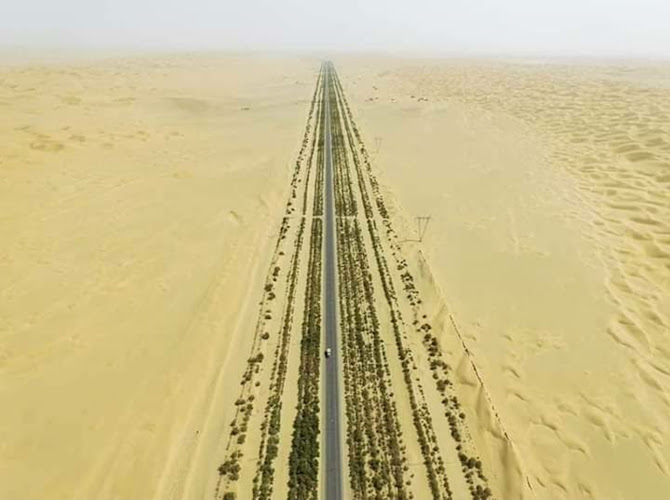
Taklamakan Desert

Karakax County

Tuanjie Square
Find Accommodations Nearby
Recommended Tours & Activities
Visitor Reviews
There are no reviews yet. Be the first one to write one.
Share Your Experience
Have you visited Hotan Cultural Museum? Help other travelers by leaving a review.