
Okinawa World
About Okinawa World
Description
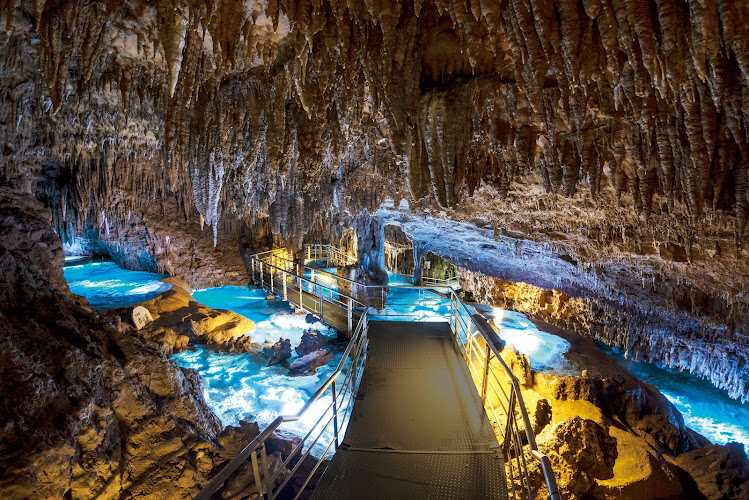
Okinawa World is one of those places that somehow manages to be both a theme park and a living museum of Okinawan culture. It’s not the flashy, rollercoaster kind of park you might picture first—this one’s all about immersion. The park centers around the incredible Gyokusendo Cave, a natural limestone cave that stretches for nearly five kilometers (though visitors can walk through about 900 meters of it). The first time stepping inside, the air feels cool and damp, and the sound of dripping water echoes all around. It’s like entering another world, one that’s been forming for over 300,000 years.
But Okinawa World isn’t just about geology. It’s a celebration of the island’s traditions, crafts, and way of life. Visitors can stroll through the recreated Ryukyu Kingdom village, where artisans still make pottery, glass, and textiles by hand. I remember watching a glassblower shape molten glass into a delicate cup—it looked effortless, but you could tell it took years of practice. There’s something grounding about seeing those traditional crafts being kept alive right before your eyes.
And then there’s the Eisa dance show—colorful, loud, and full of energy. The drumming alone feels like it shakes the ground a little. You might even find yourself clapping along without realizing it. The performers smile the entire time, which makes it feel less like a show and more like a celebration you’ve been invited to join.
The park also has a small zoo area with snakes (yes, including the famous Habu snake), and a brewery where you can sample Okinawan fruit wine and local beer. It’s a curious mix of nature, culture, and a bit of adventure all in one place. Some parts feel a little touristy, sure, but there’s genuine charm underneath the surface. It’s the kind of place where you can spend half a day wandering, learning, and occasionally getting lost in thought about how unique Okinawa really is.
Key Features
- Gyokusendo Cave: A stunning limestone cave with thousands of stalactites and stalagmites, beautifully lit for visitors.
- Ryukyu Kingdom Village: A living cultural village where traditional crafts like pottery, glassblowing, and weaving are demonstrated daily.
- Eisa Dance Performances: Live drumming and dance shows that showcase Okinawan spirit and rhythm.
- Habu Museum Park: A small exhibit featuring Okinawa’s native snakes, with educational displays and live shows.
- Local Food & Drinks: Restaurants serving Okinawan soba, tropical fruit treats, and locally brewed beverages.
- Family-Friendly Facilities: Playgrounds, rest areas, and accessible amenities for visitors of all ages and mobility levels.
- Shopping: Souvenir shops offering handmade crafts, local snacks, and unique gifts straight from Okinawan artisans.
Best Time to Visit
The best time to explore Okinawa World really depends on what kind of traveler you are. Personally, I like visiting in spring (March to May). The weather’s warm but not too humid, and the island’s flowers are in full bloom. It feels like everything’s alive and colorful. Summer can be beautiful too, but it’s also hot and humid—think 30°C with that sticky, tropical heat. If you don’t mind sweating a little, it’s worth it for the bright skies and long days.
Autumn (September to November) is another great choice. The typhoon season starts to calm down, and the crowds thin out a bit. The air feels fresher, and you can take your time exploring the cave without rushing through to escape the heat. Winter (December to February) is mild, with temperatures rarely dropping below 15°C, so it’s still comfortable for sightseeing. Honestly, there’s no bad time to go—it just depends on what kind of experience you want.
How to Get There
Getting to Okinawa World is pretty straightforward, even if you’re not renting a car. It’s located in Nanjo City, about a 30–40 minute drive from Naha. If you’re driving, the roads are well-marked, and there’s a free parking lot at the entrance. For those relying on public transport, local buses run from Naha Bus Terminal toward Nanjo, and you can hop off near the park. It takes a bit longer—around an hour—but it’s an easy ride if you plan your route ahead of time.
Taxis are also an option, though they can be pricey compared to buses. I once shared a cab with another traveler I met at Shurijo Castle, and we split the fare—it turned out to be a great way to save money and make a new friend. If you’re traveling with kids or a group, a rental car might be the most convenient choice since you can explore other nearby attractions like the Okinawa Peace Memorial Park or the scenic Nirai Kanai Bridge afterward.
Tips for Visiting
Here’s the thing about Okinawa World—it’s bigger than it looks. So wear comfortable shoes. The cave path alone is almost a kilometer long, and while it’s paved, it can get slippery in spots because of the moisture. I learned that the hard way after wearing sandals once. Don’t make that mistake.
Bring a light jacket or sweater, even if it’s hot outside. The temperature drops noticeably once you enter the cave, and the humidity can make it feel cooler than expected. Also, if you’re planning to take photos, be ready for low light conditions in the cave—some parts are dimly lit, which makes for great atmosphere but tricky photography.
Try to catch the Eisa dance performance schedule when you arrive. The shows happen several times a day, and they’re worth timing your visit around. And if you’re into local food, don’t skip the restaurant area near the exit. The Okinawan soba there tastes like the kind that locals actually eat—simple, hearty, and comforting.
If you’re traveling with kids, the park is surprisingly accommodating. There’s a playground, shaded areas, and plenty of open space for them to run around. The staff are friendly and used to helping families, which makes the whole experience smoother. Accessibility is also well thought out—wheelchair users can move around most areas comfortably, and there are accessible restrooms and parking spaces.
One last thing: plan at least half a day here. You might think you’ll breeze through in an hour, but between the cave, the cultural village, and the performances, time flies. Plus, you’ll want to slow down and actually enjoy the details—the smell of the wood fires in the craft village, the sound of the drums echoing across the park, and the feeling of stepping into a world that’s both ancient and alive.
Okinawa World isn’t just a tourist spot—it’s a place that tells the story of Okinawa itself. It’s a reminder that travel isn’t only about seeing new things, but about understanding how people live, celebrate, and remember their past. If you’re heading to Okinawa, make sure to put this one near the top of your list. You’ll leave with a deeper appreciation of the island—and maybe a handmade glass cup to remind you of it.
Key Features
- Key Features
- Best Time to Visit
- How to Get There
- Tips for Visiting
More Details
Updated December 1, 2025
Table of Contents
Description
Okinawa World is one of those places that somehow manages to be both a theme park and a living museum of Okinawan culture. It’s not the flashy, rollercoaster kind of park you might picture first—this one’s all about immersion. The park centers around the incredible Gyokusendo Cave, a natural limestone cave that stretches for nearly five kilometers (though visitors can walk through about 900 meters of it). The first time stepping inside, the air feels cool and damp, and the sound of dripping water echoes all around. It’s like entering another world, one that’s been forming for over 300,000 years.
But Okinawa World isn’t just about geology. It’s a celebration of the island’s traditions, crafts, and way of life. Visitors can stroll through the recreated Ryukyu Kingdom village, where artisans still make pottery, glass, and textiles by hand. I remember watching a glassblower shape molten glass into a delicate cup—it looked effortless, but you could tell it took years of practice. There’s something grounding about seeing those traditional crafts being kept alive right before your eyes.
And then there’s the Eisa dance show—colorful, loud, and full of energy. The drumming alone feels like it shakes the ground a little. You might even find yourself clapping along without realizing it. The performers smile the entire time, which makes it feel less like a show and more like a celebration you’ve been invited to join.
The park also has a small zoo area with snakes (yes, including the famous Habu snake), and a brewery where you can sample Okinawan fruit wine and local beer. It’s a curious mix of nature, culture, and a bit of adventure all in one place. Some parts feel a little touristy, sure, but there’s genuine charm underneath the surface. It’s the kind of place where you can spend half a day wandering, learning, and occasionally getting lost in thought about how unique Okinawa really is.
Key Features
- Gyokusendo Cave: A stunning limestone cave with thousands of stalactites and stalagmites, beautifully lit for visitors.
- Ryukyu Kingdom Village: A living cultural village where traditional crafts like pottery, glassblowing, and weaving are demonstrated daily.
- Eisa Dance Performances: Live drumming and dance shows that showcase Okinawan spirit and rhythm.
- Habu Museum Park: A small exhibit featuring Okinawa’s native snakes, with educational displays and live shows.
- Local Food & Drinks: Restaurants serving Okinawan soba, tropical fruit treats, and locally brewed beverages.
- Family-Friendly Facilities: Playgrounds, rest areas, and accessible amenities for visitors of all ages and mobility levels.
- Shopping: Souvenir shops offering handmade crafts, local snacks, and unique gifts straight from Okinawan artisans.
Best Time to Visit
The best time to explore Okinawa World really depends on what kind of traveler you are. Personally, I like visiting in spring (March to May). The weather’s warm but not too humid, and the island’s flowers are in full bloom. It feels like everything’s alive and colorful. Summer can be beautiful too, but it’s also hot and humid—think 30°C with that sticky, tropical heat. If you don’t mind sweating a little, it’s worth it for the bright skies and long days.
Autumn (September to November) is another great choice. The typhoon season starts to calm down, and the crowds thin out a bit. The air feels fresher, and you can take your time exploring the cave without rushing through to escape the heat. Winter (December to February) is mild, with temperatures rarely dropping below 15°C, so it’s still comfortable for sightseeing. Honestly, there’s no bad time to go—it just depends on what kind of experience you want.
How to Get There
Getting to Okinawa World is pretty straightforward, even if you’re not renting a car. It’s located in Nanjo City, about a 30–40 minute drive from Naha. If you’re driving, the roads are well-marked, and there’s a free parking lot at the entrance. For those relying on public transport, local buses run from Naha Bus Terminal toward Nanjo, and you can hop off near the park. It takes a bit longer—around an hour—but it’s an easy ride if you plan your route ahead of time.
Taxis are also an option, though they can be pricey compared to buses. I once shared a cab with another traveler I met at Shurijo Castle, and we split the fare—it turned out to be a great way to save money and make a new friend. If you’re traveling with kids or a group, a rental car might be the most convenient choice since you can explore other nearby attractions like the Okinawa Peace Memorial Park or the scenic Nirai Kanai Bridge afterward.
Tips for Visiting
Here’s the thing about Okinawa World—it’s bigger than it looks. So wear comfortable shoes. The cave path alone is almost a kilometer long, and while it’s paved, it can get slippery in spots because of the moisture. I learned that the hard way after wearing sandals once. Don’t make that mistake.
Bring a light jacket or sweater, even if it’s hot outside. The temperature drops noticeably once you enter the cave, and the humidity can make it feel cooler than expected. Also, if you’re planning to take photos, be ready for low light conditions in the cave—some parts are dimly lit, which makes for great atmosphere but tricky photography.
Try to catch the Eisa dance performance schedule when you arrive. The shows happen several times a day, and they’re worth timing your visit around. And if you’re into local food, don’t skip the restaurant area near the exit. The Okinawan soba there tastes like the kind that locals actually eat—simple, hearty, and comforting.
If you’re traveling with kids, the park is surprisingly accommodating. There’s a playground, shaded areas, and plenty of open space for them to run around. The staff are friendly and used to helping families, which makes the whole experience smoother. Accessibility is also well thought out—wheelchair users can move around most areas comfortably, and there are accessible restrooms and parking spaces.
One last thing: plan at least half a day here. You might think you’ll breeze through in an hour, but between the cave, the cultural village, and the performances, time flies. Plus, you’ll want to slow down and actually enjoy the details—the smell of the wood fires in the craft village, the sound of the drums echoing across the park, and the feeling of stepping into a world that’s both ancient and alive.
Okinawa World isn’t just a tourist spot—it’s a place that tells the story of Okinawa itself. It’s a reminder that travel isn’t only about seeing new things, but about understanding how people live, celebrate, and remember their past. If you’re heading to Okinawa, make sure to put this one near the top of your list. You’ll leave with a deeper appreciation of the island—and maybe a handmade glass cup to remind you of it.
Key Highlights
- Key Features
- Best Time to Visit
- How to Get There
- Tips for Visiting
Location
Places to Stay Near Okinawa World
Find and Book a Tour
Explore More Travel Guides
No reviews found! Be the first to review!
Traveler Reviews for Okinawa World
There are no reviews yet. Be the first one to write one.
Have you visited Okinawa World? Help other travelers by sharing your review.
You Might Also Like
Uwaga Jungle
Chinen Castle Ruins
Mibaru Beach
Find Accommodations Nearby
Recommended Tours & Activities
Visitor Reviews
There are no reviews yet. Be the first one to write one.
Share Your Experience
Have you visited Okinawa World? Help other travelers by leaving a review.