
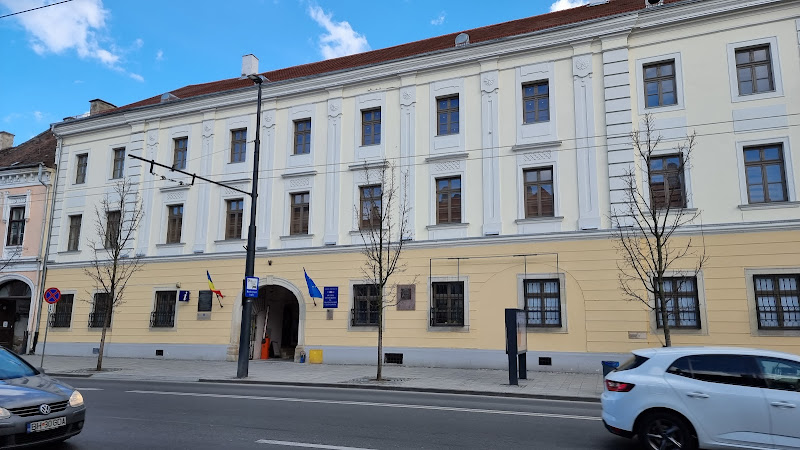
Ethnographical Museum of Transylvania
About Ethnographical Museum of Transylvania
Description
The Ethnographical Museum of Transylvania is one of those places that quietly surprises you. It doesn’t shout for attention like the big art museums or flashy tourist traps. Instead, it invites you in with a sense of calm curiosity, like an old friend who has a story to tell. Located right in the heart of Cluj-Napoca, this museum is dedicated to preserving the rural heritage of Transylvania—its people, their crafts, and the rhythm of everyday life that once defined the region. The moment you step inside, you’re surrounded by objects that carry the marks of real hands and honest work—woven fabrics, carved wooden tools, pottery that’s slightly uneven but full of character. It’s not polished perfection here; it’s authenticity.
What’s particularly fascinating is how the museum manages to capture the spirit of Transylvanian villages without romanticizing them. It’s not about nostalgia for a lost world, but about understanding how people lived, adapted, and thrived in a land of mountains and meadows. I remember my first visit—it was raining outside, the kind of soft rain that makes everything smell like earth. Inside, the museum felt warm, almost alive. I found myself staring at a collection of old shepherd’s cloaks, thick and heavy, imagining the cold winters they endured. That’s what this place does—it makes you imagine, feel, and connect.
The exhibits are well thought out, though in a charmingly old-school way. There are rooms filled with traditional costumes, farming tools, household items, and photographs that trace the evolution of rural life over the centuries. Some displays might feel a bit dated, but honestly, that’s part of the charm. You can sense the passion of the people who maintain it. And if you’re lucky, you might catch one of their temporary exhibitions or workshops focusing on folk crafts or local traditions—those are absolute gems for travelers who crave authenticity.
Key Features
- Extensive collection of traditional Transylvanian clothing, tools, and crafts representing various ethnic groups.
- Photographic archives showcasing rural life, festivals, and craftsmanship across centuries.
- Interactive exhibits and occasional workshops that bring folk traditions to life.
- Wheelchair-accessible entrance and restrooms, making it inclusive for most visitors.
- Peaceful indoor environment—ideal for travelers seeking a slower-paced cultural experience.
- Family-friendly atmosphere, with exhibits that children often find surprisingly engaging.
One thing to note—there isn’t a restaurant on-site, so if you’re planning to spend a couple of hours (and you should), grab a bite before or after your visit. There are plenty of cozy cafés nearby where you can sit and reflect on what you’ve just seen. And trust me, you’ll want to reflect. This museum has a way of making you think about how much of our modern life is built on the quiet labor of those who came before us.
Best Time to Visit
Honestly, there’s no bad time to visit, but each season brings a slightly different mood. Spring and early summer are lovely because the city feels alive and the museum’s courtyard (if open) is full of light. Autumn, though, might be my favorite—the air turns crisp, and there’s something poetic about walking through exhibits of harvest tools and traditional garments while outside, the leaves are falling. Winter has its own charm too; the museum’s cozy atmosphere feels like a refuge from the cold. If you’re the type who prefers quieter spaces, weekday mornings are perfect—less crowded, more time to linger over the details.
For travelers who enjoy combining indoor and outdoor experiences, plan your visit around one of Cluj’s cultural festivals. The museum sometimes participates with special displays or folk art demonstrations. It’s a great way to see the connection between past and present Romanian culture.
How to Get There
Getting to the Ethnographical Museum of Transylvania is pretty straightforward if you’re already in Cluj-Napoca. The city’s public transport system is easy to navigate, and several bus and tram lines stop nearby. If you’re staying in the city center, you can easily walk—it’s one of those strolls where you’ll pass by old buildings, small shops, and a few street performers if you’re lucky. For those driving, parking can be a bit tricky in this part of town, so it’s best to use public transport or a taxi. I once tried to park nearby on a busy Saturday and ended up circling the block three times before giving up—lesson learned.
For international visitors arriving by train, the museum is just a short ride from the main station. And if you’re flying into Cluj International Airport, a taxi or rideshare will get you there in about 20 minutes, depending on traffic. It’s one of those places that’s conveniently central but still feels tucked away from the city’s hustle once you step inside.
Tips for Visiting
First and foremost—take your time. This isn’t a museum you rush through. The beauty of it lies in the small details: the patterns on a handwoven rug, the wear on a wooden plow handle, the faded ink on an old photograph. Give yourself at least an hour, maybe two, to really soak it all in.
If you’re visiting with kids, don’t worry—they’ll find plenty to look at. The museum has a way of sparking curiosity, especially when children see how people lived without modern conveniences. It’s a great opportunity to start a conversation about history and culture in a way that feels real, not textbook-dry.
Accessibility is quite good, though the building itself has some older sections that might be a bit narrow. The staff are friendly and helpful, so if you need assistance, don’t hesitate to ask. Bring a bottle of water, especially during summer, since there’s no café inside. And if you’re into photography, this place is a dream—just be respectful of any no-photo signs. The lighting can be tricky, but that’s part of the fun; it forces you to get creative with your shots.
One last tip: check if the museum’s outdoor section (the open-air park) is accessible during your visit. It’s sometimes closed for maintenance, but when open, it’s absolutely worth exploring. You’ll see traditional wooden houses and farm buildings reconstructed from different parts of Transylvania—a living snapshot of rural life. Walking among them feels almost like stepping into a storybook, though one grounded in real history.
In the end, the Ethnographical Museum of Transylvania isn’t just about artifacts—it’s about people. It’s about understanding how culture is built from the ground up, through everyday actions and simple objects that carry meaning far beyond their material form. Whether you’re a history buff, a curious traveler, or just someone who loves discovering the soul of a place, this museum leaves a quiet but lasting impression. And honestly, isn’t that what travel is all about?
Key Features
- Extensive collection of traditional Transylvanian clothing, tools, and crafts representing various ethnic groups.
- Photographic archives showcasing rural life, festivals, and craftsmanship across centuries.
- Interactive exhibits and occasional workshops that bring folk traditions to life.
- Wheelchair-accessible entrance and restrooms, making it inclusive for most visitors.
- Peaceful indoor environment—ideal for travelers seeking a slower-paced cultural experience.
- Family-friendly atmosphere, with exhibits that children often find surprisingly engaging.
More Details
Updated December 1, 2025
Table of Contents The Ethnographical Museum of Transylvania is one of those places that quietly surprises you. It doesn’t shout for attention like the big art museums or flashy tourist traps. Instead, it invites you in with a sense of calm curiosity, like an old friend who has a story to tell. Located right in the heart of Cluj-Napoca, this museum is dedicated to preserving the rural heritage of Transylvania—its people, their crafts, and the rhythm of everyday life that once defined the region. The moment you step inside, you’re surrounded by objects that carry the marks of real hands and honest work—woven fabrics, carved wooden tools, pottery that’s slightly uneven but full of character. It’s not polished perfection here; it’s authenticity. What’s particularly fascinating is how the museum manages to capture the spirit of Transylvanian villages without romanticizing them. It’s not about nostalgia for a lost world, but about understanding how people lived, adapted, and thrived in a land of mountains and meadows. I remember my first visit—it was raining outside, the kind of soft rain that makes everything smell like earth. Inside, the museum felt warm, almost alive. I found myself staring at a collection of old shepherd’s cloaks, thick and heavy, imagining the cold winters they endured. That’s what this place does—it makes you imagine, feel, and connect. The exhibits are well thought out, though in a charmingly old-school way. There are rooms filled with traditional costumes, farming tools, household items, and photographs that trace the evolution of rural life over the centuries. Some displays might feel a bit dated, but honestly, that’s part of the charm. You can sense the passion of the people who maintain it. And if you’re lucky, you might catch one of their temporary exhibitions or workshops focusing on folk crafts or local traditions—those are absolute gems for travelers who crave authenticity. One thing to note—there isn’t a restaurant on-site, so if you’re planning to spend a couple of hours (and you should), grab a bite before or after your visit. There are plenty of cozy cafés nearby where you can sit and reflect on what you’ve just seen. And trust me, you’ll want to reflect. This museum has a way of making you think about how much of our modern life is built on the quiet labor of those who came before us. Honestly, there’s no bad time to visit, but each season brings a slightly different mood. Spring and early summer are lovely because the city feels alive and the museum’s courtyard (if open) is full of light. Autumn, though, might be my favorite—the air turns crisp, and there’s something poetic about walking through exhibits of harvest tools and traditional garments while outside, the leaves are falling. Winter has its own charm too; the museum’s cozy atmosphere feels like a refuge from the cold. If you’re the type who prefers quieter spaces, weekday mornings are perfect—less crowded, more time to linger over the details. For travelers who enjoy combining indoor and outdoor experiences, plan your visit around one of Cluj’s cultural festivals. The museum sometimes participates with special displays or folk art demonstrations. It’s a great way to see the connection between past and present Romanian culture. Getting to the Ethnographical Museum of Transylvania is pretty straightforward if you’re already in Cluj-Napoca. The city’s public transport system is easy to navigate, and several bus and tram lines stop nearby. If you’re staying in the city center, you can easily walk—it’s one of those strolls where you’ll pass by old buildings, small shops, and a few street performers if you’re lucky. For those driving, parking can be a bit tricky in this part of town, so it’s best to use public transport or a taxi. I once tried to park nearby on a busy Saturday and ended up circling the block three times before giving up—lesson learned. For international visitors arriving by train, the museum is just a short ride from the main station. And if you’re flying into Cluj International Airport, a taxi or rideshare will get you there in about 20 minutes, depending on traffic. It’s one of those places that’s conveniently central but still feels tucked away from the city’s hustle once you step inside. First and foremost—take your time. This isn’t a museum you rush through. The beauty of it lies in the small details: the patterns on a handwoven rug, the wear on a wooden plow handle, the faded ink on an old photograph. Give yourself at least an hour, maybe two, to really soak it all in. If you’re visiting with kids, don’t worry—they’ll find plenty to look at. The museum has a way of sparking curiosity, especially when children see how people lived without modern conveniences. It’s a great opportunity to start a conversation about history and culture in a way that feels real, not textbook-dry. Accessibility is quite good, though the building itself has some older sections that might be a bit narrow. The staff are friendly and helpful, so if you need assistance, don’t hesitate to ask. Bring a bottle of water, especially during summer, since there’s no café inside. And if you’re into photography, this place is a dream—just be respectful of any no-photo signs. The lighting can be tricky, but that’s part of the fun; it forces you to get creative with your shots. One last tip: check if the museum’s outdoor section (the open-air park) is accessible during your visit. It’s sometimes closed for maintenance, but when open, it’s absolutely worth exploring. You’ll see traditional wooden houses and farm buildings reconstructed from different parts of Transylvania—a living snapshot of rural life. Walking among them feels almost like stepping into a storybook, though one grounded in real history. In the end, the Ethnographical Museum of Transylvania isn’t just about artifacts—it’s about people. It’s about understanding how culture is built from the ground up, through everyday actions and simple objects that carry meaning far beyond their material form. Whether you’re a history buff, a curious traveler, or just someone who loves discovering the soul of a place, this museum leaves a quiet but lasting impression. And honestly, isn’t that what travel is all about?Description
Key Features
Best Time to Visit
How to Get There
Tips for Visiting
Key Highlights
- Extensive collection of traditional Transylvanian clothing, tools, and crafts representing various ethnic groups.
- Photographic archives showcasing rural life, festivals, and craftsmanship across centuries.
- Interactive exhibits and occasional workshops that bring folk traditions to life.
- Wheelchair-accessible entrance and restrooms, making it inclusive for most visitors.
- Peaceful indoor environment—ideal for travelers seeking a slower-paced cultural experience.
- Family-friendly atmosphere, with exhibits that children often find surprisingly engaging.
Location
Places to Stay Near Ethnographical Museum of Transylvania
Find and Book a Tour
Explore More Travel Guides
No reviews found! Be the first to review!
Traveler Reviews for Ethnographical Museum of Transylvania
There are no reviews yet. Be the first one to write one.
Have you visited Ethnographical Museum of Transylvania? Help other travelers by sharing your review.
You Might Also Like
Și

Cluj Guided Tours

Biserica Romano-Catolică Sfânta Treime Cluj-Napoca (Piaristă)
Find Accommodations Nearby
Recommended Tours & Activities
Visitor Reviews
There are no reviews yet. Be the first one to write one.
Share Your Experience
Have you visited Ethnographical Museum of Transylvania? Help other travelers by leaving a review.