
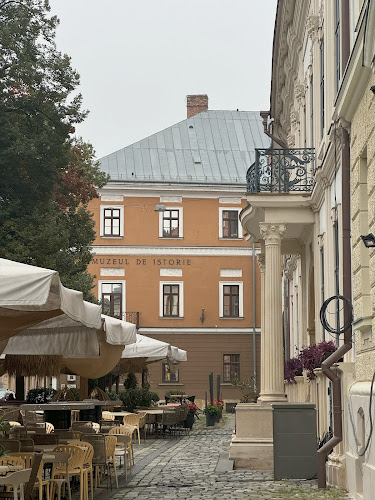
The National Museum of the History of Transylvania
About The National Museum of the History of Transylvania
Description
The National Museum of the History of Transylvania in Cluj-Napoca is one of those places that quietly takes hold of your imagination. It’s not just a collection of dusty artifacts behind glass—though you’ll find plenty of those—it’s a living storybook of Transylvania’s past. From prehistoric stone tools to medieval armor and delicate ceramics, every room feels like a conversation with the centuries. The museum is housed in the 19th-century Kemeny Palace, a building that itself feels like a relic of history. Walking through its corridors, you can almost hear the echoes of scholars, explorers, and curious travelers who’ve passed through before you.
What I personally love about this museum is how it doesn’t try to overwhelm you. It’s not massive or overly polished like some of Europe’s grand institutions. Instead, it’s intimate, honest, and full of character. You can take your time wandering from one exhibit to the next, pausing to admire ancient Roman coins or a Dacian sword that looks like it’s seen more than a few battles. And if you’re the kind of traveler who likes to connect dots between history and culture, this place is a goldmine. It tells the story of Transylvania not just as a region, but as a crossroads of civilizations—Roman, Hungarian, Saxon, and Romanian influences all woven together.
There’s also a Pharmacy Historical Collection housed in the old Hintz House nearby, which is part of the museum’s network. It’s fascinating in its own right, showing how medicine evolved through the centuries with jars, apothecary tools, and handwritten recipes. I remember standing there, reading an old Latin label on a bottle, and thinking how much patience people must have had to cure anything back then. It’s those small, human details that make this museum special.
While some visitors might find the exhibits a bit traditional—less interactive or flashy than modern museums—the authenticity is what gives it charm. You feel like you’re stepping into a time capsule rather than a digital showroom. That said, the staff are knowledgeable and often happy to share stories or context if you ask. And trust me, do ask. They know their stuff and often have insights you won’t find on any placard.
Key Features
- Diverse Collections: Over 400,000 artifacts spanning prehistoric, Roman, medieval, and modern periods.
- Historic Setting: Located in the Kemeny Palace, a 19th-century architectural gem with a story of its own.
- “Tezaur” Exhibition: A treasure-themed exhibit showcasing rare coins, jewelry, and artifacts of immense historical value.
- Pharmacy Historical Collection: A unique display of centuries-old medical instruments, apothecary jars, and manuscripts.
- Live Performances: Occasional cultural and educational events bring history to life through reenactments and lectures.
- Accessibility: Wheelchair-accessible restrooms available, though parking may require a bit of planning.
- Family-Friendly: A great stop for kids who enjoy stories of knights, kings, and ancient treasures.
- Paid Street Parking: Available nearby, though spaces can be limited during busy hours.
It’s the kind of place where you can spend an hour or an entire afternoon, depending on how deep you want to dive. I’ve been twice—once rushing through before catching a train, and once when I had time to linger. The second visit was infinitely better. There’s so much detail that you’ll always notice something new, like a carved stone fragment tucked into a corner or a faded map that suddenly makes sense after seeing the real terrain outside.
Best Time to Visit
If you’re planning a trip to Cluj-Napoca, the best time to visit the museum is during spring or early autumn. The weather is pleasant, crowds are smaller, and you can pair your visit with a walk through the city’s old center afterward. Summer can get a bit busy—especially when festivals are in full swing—but even then, the museum offers a cool, quiet refuge from the heat and bustle outside.
Winter visits have their own charm. There’s something poetic about stepping into a centuries-old building while snow drifts past the windows. The slower pace of the city in winter makes it easier to take your time, and the exhibits feel even more atmospheric. Just remember, opening hours can vary slightly in the off-season, so check before you go.
How to Get There
The museum sits right in the heart of Cluj-Napoca, so getting there is pretty straightforward. If you’re staying near the city center, it’s an easy walk—five to ten minutes from Union Square depending on your pace. For those coming from farther out, local buses and taxis are reliable options. Cluj’s public transport system is efficient and affordable, though I’ll admit, I’ve always preferred walking through the cobbled streets—it’s half the fun of exploring this city.
If you’re driving, you’ll find paid street parking nearby, though spots can fill up quickly during peak hours. My advice? Arrive early or plan your visit mid-morning when it’s easier to find a place. And if you’re traveling with someone who has mobility needs, keep in mind that while the museum has accessible restrooms, parking options for wheelchairs are limited. Still, the staff are accommodating and will usually do their best to assist.
Tips for Visiting
Here’s where a few insider tips can make your visit smoother—and more enjoyable:
- Take Your Time: Don’t rush through. The museum’s charm lies in the small details, and you’ll miss them if you’re in a hurry.
- Ask Questions: The staff are friendly and full of fascinating tidbits that bring the exhibits to life.
- Combine Visits: Pair your museum trip with a visit to the nearby Pharmacy Historical Collection—it’s a short walk and well worth it.
- Bring Cash: While tickets are affordable, some smaller local attractions around might not accept cards.
- Photography: Always check the rules before snapping photos. Some sections may have restrictions, especially around delicate artifacts.
- Good for Families: If you’re traveling with kids, make a game out of finding the oldest artifact or the most unusual object—it keeps them engaged.
- Language: Most exhibits have English descriptions, but a guided tour adds depth if you’re keen on understanding the nuances.
- Timing: Weekdays are generally quieter than weekends, making it easier to explore without crowds.
One thing I wish I’d known before my first visit: the lighting in some rooms is intentionally dim to protect the artifacts. It makes for a moody, almost cinematic experience, but if you’re a photography buff, adjust your camera settings accordingly. And if you’re sensitive to cooler indoor temperatures, bring a light sweater—the stone walls keep things chilly even in summer.
After your visit, grab a coffee at one of the nearby cafés. There’s something satisfying about sitting down afterward, flipping through your photos, and realizing how much you’ve just absorbed about this fascinating region. The museum doesn’t just teach history—it helps you feel it. You walk out seeing Transylvania not as a mysterious land of legends, but as a place shaped by real people, real stories, and centuries of resilience.
So, if you’re the kind of traveler who loves peeling back the layers of a destination, don’t skip this museum. It’s not flashy, but it’s genuine. And sometimes, that’s exactly what makes a place unforgettable.
Key Features
- Key Features
- Best Time to Visit
- How to Get There
- Tips for Visiting
More Details
Updated December 1, 2025
Table of Contents
- Description
- Key Features
- Best Time to Visit
- How to Get There
- Tips for Visiting
- Key Highlights
- Location
- Places to Stay Near The National Museum of the History of Transylvania
- Find and Book a Tour
- Explore More Travel Guides
- Nearby Places You Might Like
- Traveler Reviews for The National Museum of the History of Transylvania
- Share Your Experience
Description
The National Museum of the History of Transylvania in Cluj-Napoca is one of those places that quietly takes hold of your imagination. It’s not just a collection of dusty artifacts behind glass—though you’ll find plenty of those—it’s a living storybook of Transylvania’s past. From prehistoric stone tools to medieval armor and delicate ceramics, every room feels like a conversation with the centuries. The museum is housed in the 19th-century Kemeny Palace, a building that itself feels like a relic of history. Walking through its corridors, you can almost hear the echoes of scholars, explorers, and curious travelers who’ve passed through before you.
What I personally love about this museum is how it doesn’t try to overwhelm you. It’s not massive or overly polished like some of Europe’s grand institutions. Instead, it’s intimate, honest, and full of character. You can take your time wandering from one exhibit to the next, pausing to admire ancient Roman coins or a Dacian sword that looks like it’s seen more than a few battles. And if you’re the kind of traveler who likes to connect dots between history and culture, this place is a goldmine. It tells the story of Transylvania not just as a region, but as a crossroads of civilizations—Roman, Hungarian, Saxon, and Romanian influences all woven together.
There’s also a Pharmacy Historical Collection housed in the old Hintz House nearby, which is part of the museum’s network. It’s fascinating in its own right, showing how medicine evolved through the centuries with jars, apothecary tools, and handwritten recipes. I remember standing there, reading an old Latin label on a bottle, and thinking how much patience people must have had to cure anything back then. It’s those small, human details that make this museum special.
While some visitors might find the exhibits a bit traditional—less interactive or flashy than modern museums—the authenticity is what gives it charm. You feel like you’re stepping into a time capsule rather than a digital showroom. That said, the staff are knowledgeable and often happy to share stories or context if you ask. And trust me, do ask. They know their stuff and often have insights you won’t find on any placard.
Key Features
- Diverse Collections: Over 400,000 artifacts spanning prehistoric, Roman, medieval, and modern periods.
- Historic Setting: Located in the Kemeny Palace, a 19th-century architectural gem with a story of its own.
- “Tezaur” Exhibition: A treasure-themed exhibit showcasing rare coins, jewelry, and artifacts of immense historical value.
- Pharmacy Historical Collection: A unique display of centuries-old medical instruments, apothecary jars, and manuscripts.
- Live Performances: Occasional cultural and educational events bring history to life through reenactments and lectures.
- Accessibility: Wheelchair-accessible restrooms available, though parking may require a bit of planning.
- Family-Friendly: A great stop for kids who enjoy stories of knights, kings, and ancient treasures.
- Paid Street Parking: Available nearby, though spaces can be limited during busy hours.
It’s the kind of place where you can spend an hour or an entire afternoon, depending on how deep you want to dive. I’ve been twice—once rushing through before catching a train, and once when I had time to linger. The second visit was infinitely better. There’s so much detail that you’ll always notice something new, like a carved stone fragment tucked into a corner or a faded map that suddenly makes sense after seeing the real terrain outside.
Best Time to Visit
If you’re planning a trip to Cluj-Napoca, the best time to visit the museum is during spring or early autumn. The weather is pleasant, crowds are smaller, and you can pair your visit with a walk through the city’s old center afterward. Summer can get a bit busy—especially when festivals are in full swing—but even then, the museum offers a cool, quiet refuge from the heat and bustle outside.
Winter visits have their own charm. There’s something poetic about stepping into a centuries-old building while snow drifts past the windows. The slower pace of the city in winter makes it easier to take your time, and the exhibits feel even more atmospheric. Just remember, opening hours can vary slightly in the off-season, so check before you go.
How to Get There
The museum sits right in the heart of Cluj-Napoca, so getting there is pretty straightforward. If you’re staying near the city center, it’s an easy walk—five to ten minutes from Union Square depending on your pace. For those coming from farther out, local buses and taxis are reliable options. Cluj’s public transport system is efficient and affordable, though I’ll admit, I’ve always preferred walking through the cobbled streets—it’s half the fun of exploring this city.
If you’re driving, you’ll find paid street parking nearby, though spots can fill up quickly during peak hours. My advice? Arrive early or plan your visit mid-morning when it’s easier to find a place. And if you’re traveling with someone who has mobility needs, keep in mind that while the museum has accessible restrooms, parking options for wheelchairs are limited. Still, the staff are accommodating and will usually do their best to assist.
Tips for Visiting
Here’s where a few insider tips can make your visit smoother—and more enjoyable:
- Take Your Time: Don’t rush through. The museum’s charm lies in the small details, and you’ll miss them if you’re in a hurry.
- Ask Questions: The staff are friendly and full of fascinating tidbits that bring the exhibits to life.
- Combine Visits: Pair your museum trip with a visit to the nearby Pharmacy Historical Collection—it’s a short walk and well worth it.
- Bring Cash: While tickets are affordable, some smaller local attractions around might not accept cards.
- Photography: Always check the rules before snapping photos. Some sections may have restrictions, especially around delicate artifacts.
- Good for Families: If you’re traveling with kids, make a game out of finding the oldest artifact or the most unusual object—it keeps them engaged.
- Language: Most exhibits have English descriptions, but a guided tour adds depth if you’re keen on understanding the nuances.
- Timing: Weekdays are generally quieter than weekends, making it easier to explore without crowds.
One thing I wish I’d known before my first visit: the lighting in some rooms is intentionally dim to protect the artifacts. It makes for a moody, almost cinematic experience, but if you’re a photography buff, adjust your camera settings accordingly. And if you’re sensitive to cooler indoor temperatures, bring a light sweater—the stone walls keep things chilly even in summer.
After your visit, grab a coffee at one of the nearby cafés. There’s something satisfying about sitting down afterward, flipping through your photos, and realizing how much you’ve just absorbed about this fascinating region. The museum doesn’t just teach history—it helps you feel it. You walk out seeing Transylvania not as a mysterious land of legends, but as a place shaped by real people, real stories, and centuries of resilience.
So, if you’re the kind of traveler who loves peeling back the layers of a destination, don’t skip this museum. It’s not flashy, but it’s genuine. And sometimes, that’s exactly what makes a place unforgettable.
Key Highlights
- Key Features
- Best Time to Visit
- How to Get There
- Tips for Visiting
Location
Places to Stay Near The National Museum of the History of Transylvania
Find and Book a Tour
Explore More Travel Guides
No reviews found! Be the first to review!
Traveler Reviews for The National Museum of the History of Transylvania
There are no reviews yet. Be the first one to write one.
Have you visited The National Museum of the History of Transylvania? Help other travelers by sharing your review.
You Might Also Like

Dormition of the Mother of God Metropolitan Cathedral

Zoological Museum
Parc Iulius Mall
Find Accommodations Nearby
Recommended Tours & Activities
Visitor Reviews
There are no reviews yet. Be the first one to write one.
Share Your Experience
Have you visited The National Museum of the History of Transylvania? Help other travelers by leaving a review.