
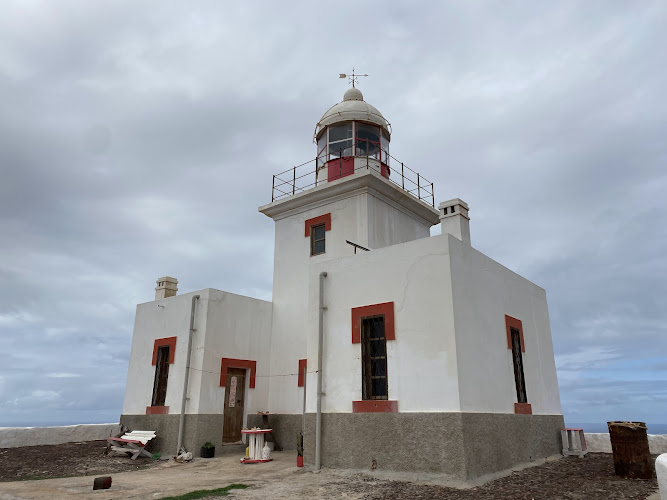
Morro Negro lighthouse
About Morro Negro lighthouse
Description
Perched high above the rugged eastern coast of Boa Vista, the Morro Negro Lighthouse stands as one of Cape Verde’s most quietly captivating landmarks. It’s not just a structure—it's a story written in stone, wind, and sea salt. Built around the 1930s, this 12-meter-tall lighthouse has watched over the Atlantic for nearly a century, guiding sailors through unpredictable waters and witnessing countless sunrises that paint the horizon in shades of gold and rose. There’s something humbling about standing before it, feeling the Atlantic breeze whip across your face, and realizing how small you are compared to the vast ocean stretching endlessly before you.
While some travelers might expect a polished tourist attraction, Morro Negro is refreshingly raw. The dirt track leading up to it can be a bit bumpy, and you’ll likely find yourself wiping fine dust off your shoes by the time you reach the top. But that’s part of the charm—it’s an adventure that rewards the curious. The view from the cliff is breathtaking, almost cinematic. You can see miles of coastline, where the turquoise water meets the dry, ochre landscape of Boa Vista. It’s the kind of place that makes you pause, take a deep breath, and just... be.
What strikes most visitors isn’t just the view or the history—it’s the silence. Apart from the occasional wind gust and the distant crash of waves, there’s a peaceful stillness that feels rare in today’s world. It’s easy to imagine the lighthouse keepers who once lived here, isolated but deeply connected to the rhythm of the sea. Some say that on particularly calm days, you can almost hear echoes of the past carried on the wind. Whether that’s true or just local lore, I’ll let you decide.
Key Features
- Historic Significance: Constructed in the early 20th century, the lighthouse once played a crucial role in guiding ships navigating Cape Verde’s eastern coast.
- Panoramic Views: From the top of Morro Negro, visitors can enjoy sweeping vistas of the Atlantic Ocean and Boa Vista’s rugged, desert-like terrain.
- Elevation: The lighthouse sits atop a 156-meter hill, offering one of the island’s highest and most dramatic viewpoints.
- Remote Location: Its isolation adds to the sense of adventure—you won’t find crowds or souvenir stalls here, just unspoiled nature and tranquility.
- Turtle Reserve Nearby: The surrounding area is part of a protected turtle nesting zone, making it a great spot for eco-conscious travelers during the nesting season.
- Photography Heaven: The contrast of the white lighthouse against the deep blue ocean and rusty-red earth makes for stunning photos, especially during sunrise or sunset.
There’s something about this place that sparks a sense of nostalgia, even if it’s your first visit. Maybe it’s the way the lighthouse stands stubbornly against the wind, or maybe it’s the simplicity of the landscape. Either way, it leaves a mark.
Best Time to Visit
Honestly, Morro Negro has a kind of timeless beauty that works year-round, but if you want the full experience, aim for the cooler, drier months between November and May. The skies are clearer then, and the light is perfect for photography. Early morning visits are magical—the rising sun sets the cliffs aglow and the air feels crisp and clean. Sunset is equally mesmerizing, though you’ll want to start your return journey before dark since the road isn’t lit. I once made the mistake of staying too long, mesmerized by the colors of the setting sun, and let’s just say navigating that rocky path by flashlight was not my brightest idea.
If you’re hoping to spot turtles, plan your trip between June and September. The nearby beaches become nesting grounds, and local guides often organize eco-friendly tours that combine a visit to the lighthouse with turtle watching. It’s a humbling experience—watching these ancient creatures return to the same shores year after year.
How to Get There
Getting to Morro Negro is half the adventure. The lighthouse sits on the eastern edge of Boa Vista, and while it’s not exactly around the corner from the island’s main resorts, it’s well worth the effort. Most travelers start their journey from Sal Rei, the island’s capital, which is about an hour and a half away by 4x4. The route takes you through sparse desert landscapes, small villages, and stretches of coastline that feel completely untouched by time.
There are no paved highways leading to Morro Negro, so expect a bumpy ride filled with sand tracks and rocky patches. This is not a trip for a regular rental car—trust me. I once tried it in a small hatchback, and let’s just say I learned my lesson the hard way. If you’re not an experienced off-road driver, it’s best to join a guided tour. Local guides not only know the terrain but also share fascinating stories about the island’s history, wildlife, and culture along the way. Some even include stops at nearby villages, where you can grab a cold drink or chat with locals about life on Boa Vista.
For the more adventurous, hiking to the lighthouse is possible too. It’s about 5.5 kilometers from the nearest village, Cabeça dos Tarrafes, and while the path is steep in places, the sense of accomplishment when you reach the top is unbeatable. Just bring plenty of water, sunscreen, and a hat—the sun here doesn’t mess around.
Tips for Visiting
Visiting Morro Negro Lighthouse isn’t complicated, but a few practical tips can make your experience much smoother—and more enjoyable:
- Go early: The morning light is softer, the air cooler, and the road less dusty. Plus, you’ll have the place mostly to yourself.
- Bring water and snacks: There are no facilities nearby, so pack what you need for the trip.
- Wear sturdy shoes: The terrain is rocky and uneven, especially if you plan to climb up to the lighthouse itself.
- Protect yourself from the sun: Sunscreen, a wide-brimmed hat, and sunglasses are non-negotiable here.
- Respect the environment: This area is part of a protected ecosystem—avoid littering and stay on marked paths.
- Bring a camera: The views are unreal, and you’ll definitely want to capture them. Just be prepared for wind gusts—it can get blustery up there.
- Consider a guided tour: Local guides add depth to the experience, sharing insights you might otherwise miss.
One last thing—don’t rush your visit. It’s tempting to snap a few photos and move on, but take time to sit, breathe, and absorb the atmosphere. I remember sitting on a rock near the edge, watching the waves crash far below, and feeling this overwhelming sense of calm. It’s one of those rare places where time seems to slow down, and you remember what it feels like to just exist in the moment.
Morro Negro Lighthouse might not have the glitz of more famous landmarks, but that’s exactly what makes it special. It’s real, it’s raw, and it’s got a soul. Whether you’re a history buff, an adventurer, or someone just looking for a quiet spot to reconnect with nature, this corner of Boa Vista has a way of surprising you. And honestly, isn’t that what travel’s all about?
Key Features
- Key Features
- Best Time to Visit
- How to Get There
- Tips for Visiting
More Details
Updated December 1, 2025
Table of Contents
Description
Perched high above the rugged eastern coast of Boa Vista, the Morro Negro Lighthouse stands as one of Cape Verde’s most quietly captivating landmarks. It’s not just a structure—it’s a story written in stone, wind, and sea salt. Built around the 1930s, this 12-meter-tall lighthouse has watched over the Atlantic for nearly a century, guiding sailors through unpredictable waters and witnessing countless sunrises that paint the horizon in shades of gold and rose. There’s something humbling about standing before it, feeling the Atlantic breeze whip across your face, and realizing how small you are compared to the vast ocean stretching endlessly before you.
While some travelers might expect a polished tourist attraction, Morro Negro is refreshingly raw. The dirt track leading up to it can be a bit bumpy, and you’ll likely find yourself wiping fine dust off your shoes by the time you reach the top. But that’s part of the charm—it’s an adventure that rewards the curious. The view from the cliff is breathtaking, almost cinematic. You can see miles of coastline, where the turquoise water meets the dry, ochre landscape of Boa Vista. It’s the kind of place that makes you pause, take a deep breath, and just… be.
What strikes most visitors isn’t just the view or the history—it’s the silence. Apart from the occasional wind gust and the distant crash of waves, there’s a peaceful stillness that feels rare in today’s world. It’s easy to imagine the lighthouse keepers who once lived here, isolated but deeply connected to the rhythm of the sea. Some say that on particularly calm days, you can almost hear echoes of the past carried on the wind. Whether that’s true or just local lore, I’ll let you decide.
Key Features
- Historic Significance: Constructed in the early 20th century, the lighthouse once played a crucial role in guiding ships navigating Cape Verde’s eastern coast.
- Panoramic Views: From the top of Morro Negro, visitors can enjoy sweeping vistas of the Atlantic Ocean and Boa Vista’s rugged, desert-like terrain.
- Elevation: The lighthouse sits atop a 156-meter hill, offering one of the island’s highest and most dramatic viewpoints.
- Remote Location: Its isolation adds to the sense of adventure—you won’t find crowds or souvenir stalls here, just unspoiled nature and tranquility.
- Turtle Reserve Nearby: The surrounding area is part of a protected turtle nesting zone, making it a great spot for eco-conscious travelers during the nesting season.
- Photography Heaven: The contrast of the white lighthouse against the deep blue ocean and rusty-red earth makes for stunning photos, especially during sunrise or sunset.
There’s something about this place that sparks a sense of nostalgia, even if it’s your first visit. Maybe it’s the way the lighthouse stands stubbornly against the wind, or maybe it’s the simplicity of the landscape. Either way, it leaves a mark.
Best Time to Visit
Honestly, Morro Negro has a kind of timeless beauty that works year-round, but if you want the full experience, aim for the cooler, drier months between November and May. The skies are clearer then, and the light is perfect for photography. Early morning visits are magical—the rising sun sets the cliffs aglow and the air feels crisp and clean. Sunset is equally mesmerizing, though you’ll want to start your return journey before dark since the road isn’t lit. I once made the mistake of staying too long, mesmerized by the colors of the setting sun, and let’s just say navigating that rocky path by flashlight was not my brightest idea.
If you’re hoping to spot turtles, plan your trip between June and September. The nearby beaches become nesting grounds, and local guides often organize eco-friendly tours that combine a visit to the lighthouse with turtle watching. It’s a humbling experience—watching these ancient creatures return to the same shores year after year.
How to Get There
Getting to Morro Negro is half the adventure. The lighthouse sits on the eastern edge of Boa Vista, and while it’s not exactly around the corner from the island’s main resorts, it’s well worth the effort. Most travelers start their journey from Sal Rei, the island’s capital, which is about an hour and a half away by 4×4. The route takes you through sparse desert landscapes, small villages, and stretches of coastline that feel completely untouched by time.
There are no paved highways leading to Morro Negro, so expect a bumpy ride filled with sand tracks and rocky patches. This is not a trip for a regular rental car—trust me. I once tried it in a small hatchback, and let’s just say I learned my lesson the hard way. If you’re not an experienced off-road driver, it’s best to join a guided tour. Local guides not only know the terrain but also share fascinating stories about the island’s history, wildlife, and culture along the way. Some even include stops at nearby villages, where you can grab a cold drink or chat with locals about life on Boa Vista.
For the more adventurous, hiking to the lighthouse is possible too. It’s about 5.5 kilometers from the nearest village, Cabeça dos Tarrafes, and while the path is steep in places, the sense of accomplishment when you reach the top is unbeatable. Just bring plenty of water, sunscreen, and a hat—the sun here doesn’t mess around.
Tips for Visiting
Visiting Morro Negro Lighthouse isn’t complicated, but a few practical tips can make your experience much smoother—and more enjoyable:
- Go early: The morning light is softer, the air cooler, and the road less dusty. Plus, you’ll have the place mostly to yourself.
- Bring water and snacks: There are no facilities nearby, so pack what you need for the trip.
- Wear sturdy shoes: The terrain is rocky and uneven, especially if you plan to climb up to the lighthouse itself.
- Protect yourself from the sun: Sunscreen, a wide-brimmed hat, and sunglasses are non-negotiable here.
- Respect the environment: This area is part of a protected ecosystem—avoid littering and stay on marked paths.
- Bring a camera: The views are unreal, and you’ll definitely want to capture them. Just be prepared for wind gusts—it can get blustery up there.
- Consider a guided tour: Local guides add depth to the experience, sharing insights you might otherwise miss.
One last thing—don’t rush your visit. It’s tempting to snap a few photos and move on, but take time to sit, breathe, and absorb the atmosphere. I remember sitting on a rock near the edge, watching the waves crash far below, and feeling this overwhelming sense of calm. It’s one of those rare places where time seems to slow down, and you remember what it feels like to just exist in the moment.
Morro Negro Lighthouse might not have the glitz of more famous landmarks, but that’s exactly what makes it special. It’s real, it’s raw, and it’s got a soul. Whether you’re a history buff, an adventurer, or someone just looking for a quiet spot to reconnect with nature, this corner of Boa Vista has a way of surprising you. And honestly, isn’t that what travel’s all about?
Key Highlights
- Key Features
- Best Time to Visit
- How to Get There
- Tips for Visiting
Location
Places to Stay Near Morro Negro lighthouse
Find and Book a Tour
Explore More Travel Guides
No reviews found! Be the first to review!
Traveler Reviews for Morro Negro lighthouse
There are no reviews yet. Be the first one to write one.
Have you visited Morro Negro lighthouse? Help other travelers by sharing your review.
You Might Also Like
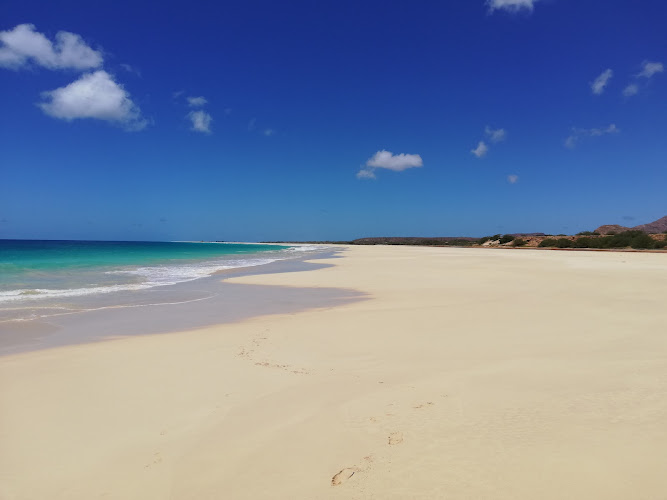
Praia de Santa Mónica
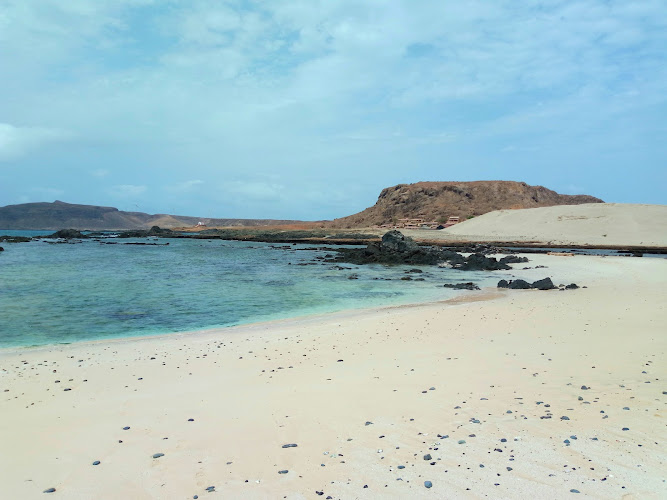
Praia de Cruz
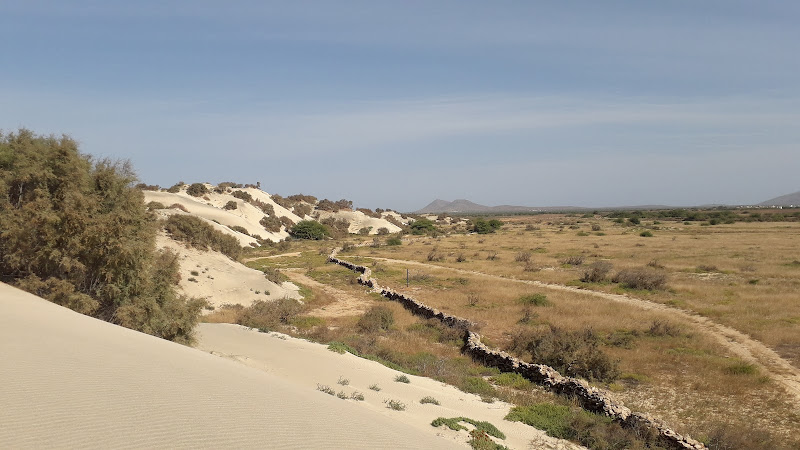
Maio
Find Accommodations Nearby
Recommended Tours & Activities
Visitor Reviews
There are no reviews yet. Be the first one to write one.
Share Your Experience
Have you visited Morro Negro lighthouse? Help other travelers by leaving a review.