

Dalston Eastern Curve Garden
About Dalston Eastern Curve Garden
Description
Dalston Eastern Curve Garden feels like one of those places you stumble upon by accident and then can’t stop thinking about. Tucked away behind the busy streets of East London, it’s a green pocket that somehow manages to feel both lively and peaceful at the same time. Built along a disused railway line, the garden has grown into a community-run haven where locals and travelers alike can breathe, chat, and sip something warm (or cold) under the trees. There’s this gentle hum of conversation, the smell of pizza baking in the outdoor oven, and the soft rustle of leaves that makes you forget you’re in one of the most urban corners of the city.
What’s really special about this place is how it’s not just a garden—it’s a living, breathing community space. You’ll often find parents chatting while kids chase each other between the flowerbeds, artists sketching quietly in a corner, or groups of friends sharing a bottle of wine at one of the picnic tables. It’s open all year round, and even in winter, the twinkling lights and cozy café make it feel warm and inviting. The garden was designed to encourage people to reconnect with nature and with each other, and it’s done exactly that. You can feel the care that’s gone into every detail—from the wildlife-friendly planting to the inclusive, welcoming atmosphere that makes everyone feel at home.
I remember the first time I wandered in, I was just looking for somewhere quiet to eat my lunch. I ended up staying for hours, chatting with a volunteer about how the garden was built on an old railway curve that hadn’t seen trains since the 1950s. There’s something poetic about that—a forgotten space turned into a sanctuary. You don’t need to be a gardener to appreciate it; you just need to enjoy good company, good coffee, and a bit of greenery in your day. It’s one of those hidden corners of London that remind you how creative and kind a community can be when given a little bit of space to grow.
Key Features
- Built on a former railway line, blending urban history with lush greenery.
- Community garden beds where local residents grow herbs, vegetables, and flowers.
- Wildlife-friendly planting that attracts bees, butterflies, and birds throughout the year.
- On-site café serving coffee, cakes, and freshly made pizza straight from the outdoor oven.
- Wheelchair-accessible entrance and gender-neutral restrooms, ensuring inclusivity for all visitors.
- Picnic tables and public restrooms available for comfort and convenience.
- Family-friendly with a small play area for children and space for them to explore safely.
- Dog-friendly policy, so you can bring your four-legged friend along.
- LGBTQ+ friendly and recognized as a transgender safe space, fostering a welcoming community vibe.
- Open seven days a week, with extended evening hours on weekends for relaxed social gatherings.
It’s not flashy or overly manicured—thankfully. The charm lies in its slightly wild edges, the handmade signs, and the way the space invites you to slow down. You might find yourself joining a gardening workshop without planning to, or just sitting quietly with a coffee watching the world go by. The garden’s ethos is all about connection—between people, plants, and the city around them. And honestly, that’s something we could all use a bit more of.
Best Time to Visit
There’s no bad time to visit Dalston Eastern Curve Garden, but each season brings its own kind of magic. In spring, the beds burst with color—tulips, daffodils, and the first green shoots of vegetables. It’s when the garden feels most alive with possibility. Summer is when it truly shines: long evenings, live music events, and the smell of pizza drifting through the air. If you’re lucky, you might catch one of their community gatherings or outdoor film nights. Autumn brings a quieter, cozier vibe, with golden leaves carpeting the paths and the café serving steaming mugs of hot chocolate. And winter—well, it’s surprisingly enchanting. The garden strings up soft fairy lights, and the wooden pavilion becomes a warm refuge from the cold. I once went there on a rainy December afternoon and ended up staying for hours, just reading by the heater with a slice of cake. It felt like home.
If you’re traveling to London, I’d say late spring through early autumn is the sweet spot. The plants are lush, the café is buzzing, and the evenings stretch on forever. But if you prefer a quieter experience—maybe you’re after a bit of reflection—then winter’s calm might suit you better. Just bring a warm coat and an appetite for good coffee.
How to Get There
Getting to Dalston Eastern Curve Garden is surprisingly easy, even if you’re not familiar with East London. The garden sits just off the main road, a short walk from Dalston Junction or Dalston Kingsland Overground stations. Both are well-connected to central London, so you can hop on a train from Shoreditch, Highbury, or Stratford and be there in under 15 minutes. Once you step off the train, it’s only a few minutes’ walk—follow the hum of conversation and the faint scent of woodsmoke, and you’ll find it. Buses run frequently along Dalston Lane, so it’s also simple to reach from Hackney, Islington, or Stoke Newington.
If you’re cycling, there are bike racks nearby, though space can fill up quickly on weekends. For those driving, parking can be tricky in this part of London—street spaces are limited, and the garden doesn’t have its own lot. It’s best to use public transport or walk if you can. Not only is it easier, but it also feels truer to the spirit of the place—eco-friendly and community-minded.
Tips for Visiting
Here’s the thing about Dalston Eastern Curve Garden: it’s not a “tourist attraction” in the traditional sense. It’s more like a neighborhood living room, and the best way to enjoy it is to treat it that way. Take your time. Don’t rush through. Grab a drink from the café, find a seat under the trees, and just let yourself be part of the rhythm of the space. You’ll notice how people greet each other, how kids help water the plants, how even strangers end up chatting over shared tables. It’s London, yes—but it’s also something gentler.
If you’re visiting in summer, come early in the afternoon if you want a quiet spot, or later in the evening if you’re after atmosphere. The garden often fills up with locals meeting after work, and it’s a great way to get a feel for the area’s community spirit. Bring cash or a card—they accept both—and maybe a blanket if you plan to linger. Dogs are welcome, but keep them on a lead, especially when the garden’s busy. And if you’re bringing kids, they’ll love the play area, but it’s best to keep an eye on them since the garden can get crowded.
Another tip: check the café menu before you go. Their pizzas are genuinely fantastic—crispy, wood-fired, and often topped with herbs grown right there in the garden. The coffee’s solid too, and they usually have a great selection of cakes. If you’re lucky, you might catch one of their seasonal events—lantern festivals, plant swaps, or community art projects. They’re low-key but full of heart, and they make you feel like part of something bigger.
And finally, respect the space. It’s free to enter, but it runs on love, donations, and volunteer hours. So tidy up after yourself, maybe drop a few coins in the donation box, and if you’re local—or staying nearby—consider coming back for one of their volunteer days. You’ll meet some genuinely kind people, learn a bit about urban gardening, and leave with dirt under your nails and a smile on your face. That’s the real Dalston Eastern Curve Garden experience.
In a city that moves at a hundred miles an hour, this little garden reminds you that slowing down isn’t just okay—it’s necessary. Whether you’re a traveler passing through or a Londoner looking for a breather, it’s the kind of place that stays with you long after you’ve left. Not because it’s flashy or famous, but because it feels real. And that’s rare these days.
Key Features
- Built on a former railway line, blending urban history with lush greenery.
- Community garden beds where local residents grow herbs, vegetables, and flowers.
- Wildlife-friendly planting that attracts bees, butterflies, and birds throughout the year.
- On-site café serving coffee, cakes, and freshly made pizza straight from the outdoor oven.
- Wheelchair-accessible entrance and gender-neutral restrooms, ensuring inclusivity for all visitors.
- Picnic tables and public restrooms available for comfort and convenience.
- Family-friendly with a small play area for children and space for them to explore safely.
- Dog-friendly policy, so you can bring your four-legged friend along.
More Details
Updated December 1, 2025
Table of Contents
Description
Dalston Eastern Curve Garden feels like one of those places you stumble upon by accident and then can’t stop thinking about. Tucked away behind the busy streets of East London, it’s a green pocket that somehow manages to feel both lively and peaceful at the same time. Built along a disused railway line, the garden has grown into a community-run haven where locals and travelers alike can breathe, chat, and sip something warm (or cold) under the trees. There’s this gentle hum of conversation, the smell of pizza baking in the outdoor oven, and the soft rustle of leaves that makes you forget you’re in one of the most urban corners of the city.
What’s really special about this place is how it’s not just a garden—it’s a living, breathing community space. You’ll often find parents chatting while kids chase each other between the flowerbeds, artists sketching quietly in a corner, or groups of friends sharing a bottle of wine at one of the picnic tables. It’s open all year round, and even in winter, the twinkling lights and cozy café make it feel warm and inviting. The garden was designed to encourage people to reconnect with nature and with each other, and it’s done exactly that. You can feel the care that’s gone into every detail—from the wildlife-friendly planting to the inclusive, welcoming atmosphere that makes everyone feel at home.
I remember the first time I wandered in, I was just looking for somewhere quiet to eat my lunch. I ended up staying for hours, chatting with a volunteer about how the garden was built on an old railway curve that hadn’t seen trains since the 1950s. There’s something poetic about that—a forgotten space turned into a sanctuary. You don’t need to be a gardener to appreciate it; you just need to enjoy good company, good coffee, and a bit of greenery in your day. It’s one of those hidden corners of London that remind you how creative and kind a community can be when given a little bit of space to grow.
Key Features
- Built on a former railway line, blending urban history with lush greenery.
- Community garden beds where local residents grow herbs, vegetables, and flowers.
- Wildlife-friendly planting that attracts bees, butterflies, and birds throughout the year.
- On-site café serving coffee, cakes, and freshly made pizza straight from the outdoor oven.
- Wheelchair-accessible entrance and gender-neutral restrooms, ensuring inclusivity for all visitors.
- Picnic tables and public restrooms available for comfort and convenience.
- Family-friendly with a small play area for children and space for them to explore safely.
- Dog-friendly policy, so you can bring your four-legged friend along.
- LGBTQ+ friendly and recognized as a transgender safe space, fostering a welcoming community vibe.
- Open seven days a week, with extended evening hours on weekends for relaxed social gatherings.
It’s not flashy or overly manicured—thankfully. The charm lies in its slightly wild edges, the handmade signs, and the way the space invites you to slow down. You might find yourself joining a gardening workshop without planning to, or just sitting quietly with a coffee watching the world go by. The garden’s ethos is all about connection—between people, plants, and the city around them. And honestly, that’s something we could all use a bit more of.
Best Time to Visit
There’s no bad time to visit Dalston Eastern Curve Garden, but each season brings its own kind of magic. In spring, the beds burst with color—tulips, daffodils, and the first green shoots of vegetables. It’s when the garden feels most alive with possibility. Summer is when it truly shines: long evenings, live music events, and the smell of pizza drifting through the air. If you’re lucky, you might catch one of their community gatherings or outdoor film nights. Autumn brings a quieter, cozier vibe, with golden leaves carpeting the paths and the café serving steaming mugs of hot chocolate. And winter—well, it’s surprisingly enchanting. The garden strings up soft fairy lights, and the wooden pavilion becomes a warm refuge from the cold. I once went there on a rainy December afternoon and ended up staying for hours, just reading by the heater with a slice of cake. It felt like home.
If you’re traveling to London, I’d say late spring through early autumn is the sweet spot. The plants are lush, the café is buzzing, and the evenings stretch on forever. But if you prefer a quieter experience—maybe you’re after a bit of reflection—then winter’s calm might suit you better. Just bring a warm coat and an appetite for good coffee.
How to Get There
Getting to Dalston Eastern Curve Garden is surprisingly easy, even if you’re not familiar with East London. The garden sits just off the main road, a short walk from Dalston Junction or Dalston Kingsland Overground stations. Both are well-connected to central London, so you can hop on a train from Shoreditch, Highbury, or Stratford and be there in under 15 minutes. Once you step off the train, it’s only a few minutes’ walk—follow the hum of conversation and the faint scent of woodsmoke, and you’ll find it. Buses run frequently along Dalston Lane, so it’s also simple to reach from Hackney, Islington, or Stoke Newington.
If you’re cycling, there are bike racks nearby, though space can fill up quickly on weekends. For those driving, parking can be tricky in this part of London—street spaces are limited, and the garden doesn’t have its own lot. It’s best to use public transport or walk if you can. Not only is it easier, but it also feels truer to the spirit of the place—eco-friendly and community-minded.
Tips for Visiting
Here’s the thing about Dalston Eastern Curve Garden: it’s not a “tourist attraction” in the traditional sense. It’s more like a neighborhood living room, and the best way to enjoy it is to treat it that way. Take your time. Don’t rush through. Grab a drink from the café, find a seat under the trees, and just let yourself be part of the rhythm of the space. You’ll notice how people greet each other, how kids help water the plants, how even strangers end up chatting over shared tables. It’s London, yes—but it’s also something gentler.
If you’re visiting in summer, come early in the afternoon if you want a quiet spot, or later in the evening if you’re after atmosphere. The garden often fills up with locals meeting after work, and it’s a great way to get a feel for the area’s community spirit. Bring cash or a card—they accept both—and maybe a blanket if you plan to linger. Dogs are welcome, but keep them on a lead, especially when the garden’s busy. And if you’re bringing kids, they’ll love the play area, but it’s best to keep an eye on them since the garden can get crowded.
Another tip: check the café menu before you go. Their pizzas are genuinely fantastic—crispy, wood-fired, and often topped with herbs grown right there in the garden. The coffee’s solid too, and they usually have a great selection of cakes. If you’re lucky, you might catch one of their seasonal events—lantern festivals, plant swaps, or community art projects. They’re low-key but full of heart, and they make you feel like part of something bigger.
And finally, respect the space. It’s free to enter, but it runs on love, donations, and volunteer hours. So tidy up after yourself, maybe drop a few coins in the donation box, and if you’re local—or staying nearby—consider coming back for one of their volunteer days. You’ll meet some genuinely kind people, learn a bit about urban gardening, and leave with dirt under your nails and a smile on your face. That’s the real Dalston Eastern Curve Garden experience.
In a city that moves at a hundred miles an hour, this little garden reminds you that slowing down isn’t just okay—it’s necessary. Whether you’re a traveler passing through or a Londoner looking for a breather, it’s the kind of place that stays with you long after you’ve left. Not because it’s flashy or famous, but because it feels real. And that’s rare these days.
Key Highlights
- Built on a former railway line, blending urban history with lush greenery.
- Community garden beds where local residents grow herbs, vegetables, and flowers.
- Wildlife-friendly planting that attracts bees, butterflies, and birds throughout the year.
- On-site café serving coffee, cakes, and freshly made pizza straight from the outdoor oven.
- Wheelchair-accessible entrance and gender-neutral restrooms, ensuring inclusivity for all visitors.
- Picnic tables and public restrooms available for comfort and convenience.
- Family-friendly with a small play area for children and space for them to explore safely.
- Dog-friendly policy, so you can bring your four-legged friend along.
Location
Places to Stay Near Dalston Eastern Curve Garden
Find and Book a Tour
Explore More Travel Guides
No reviews found! Be the first to review!
Traveler Reviews for Dalston Eastern Curve Garden
There are no reviews yet. Be the first one to write one.
Have you visited Dalston Eastern Curve Garden? Help other travelers by sharing your review.
You Might Also Like

Camden Art Centre
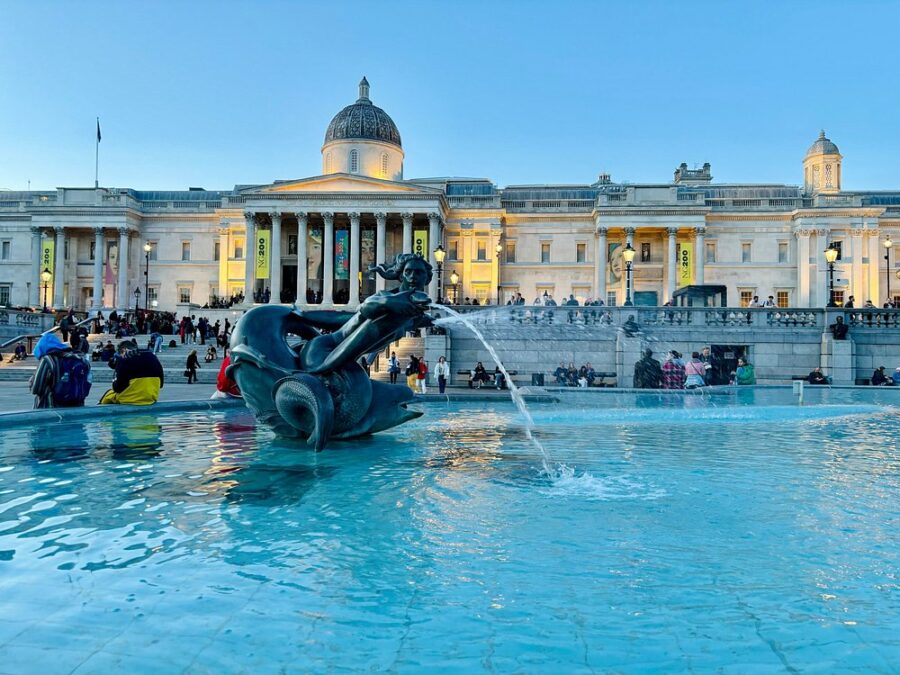
Trafalgar Square
Leadenhall Market
Find Accommodations Nearby
Recommended Tours & Activities
Visitor Reviews
There are no reviews yet. Be the first one to write one.
Share Your Experience
Have you visited Dalston Eastern Curve Garden? Help other travelers by leaving a review.