
TAMAR Project
About TAMAR Project
Description
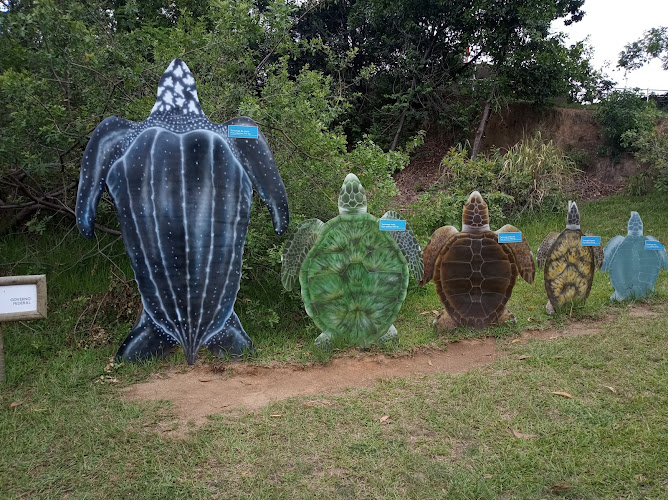
The TAMAR Project is one of those places that quietly changes how you see the world. It’s not flashy. It doesn’t try to impress with gimmicks. Instead, it does the slow, stubborn work of protecting sea turtles along Brazil’s coastline, and honestly, that’s what makes it special. Travelers often come expecting a quick visit and leave a couple hours later, a little sunburned, a little emotional, and way more informed than they planned to be.
This animal protection organization and research institute focuses almost entirely on sea turtles, species that have been around longer than dinosaurs and yet somehow still need us to not mess things up. The project began decades ago with a simple but radical idea: conservation only works if local communities are part of it. That philosophy still runs through everything here, from the research labs to the visitor areas.
Walking through the TAMAR Project feels part museum, part research center, part community hub. You’ll see tanks with rescued turtles at different stages of recovery, educational exhibits that explain migration routes (which are mind-blowing, by the way), and staff members who are clearly here because they care, not because it’s an easy job. I once overheard a researcher explaining turtle hatchling survival rates to a group of kids, using a handful of sand and a lot of patience. That stuck with me.
Is it perfect? No. Some travelers feel the exhibits are modest, or that it’s more educational than entertaining. And yeah, if you’re expecting a theme park vibe, you’ll be disappointed. But if you like learning something real while you travel, and seeing conservation in action, this place hits hard in the best way.
Accessibility is taken seriously here. The entrance and parking areas are wheelchair accessible, which isn’t always a given in research-focused places. That alone says something about their approach: conservation is for everyone, not just scientists or hardcore eco-travelers.
Key Features
- Sea Turtle Rehabilitation Tanks: Get close (but not too close) to rescued turtles being treated for injuries, illness, or human-related harm like fishing line entanglement.
- Educational Exhibits: Clear, well-designed displays explain turtle life cycles, nesting habits, and why survival rates are so low in the wild.
- Ongoing Scientific Research: This is an active research institute, not a static display. Data collection and monitoring happen year-round.
- Community-Based Conservation Model: Local residents are employed and trained, creating a real connection between conservation and livelihoods.
- Hatchling Programs (Seasonal): During nesting season, visitors may witness hatchlings heading to the sea, which is… yeah, it’s as moving as it sounds.
- Family-Friendly Layout: Kids can engage without things feeling dumbed down, which I always appreciate.
- Wheelchair Accessibility: Both entrance and parking areas are designed to be accessible.
Best Time to Visit
The best time to visit the TAMAR Project depends on what you want to see. If witnessing turtle nesting or hatchlings is high on your list, you’ll want to plan around the sea turtle breeding season, which generally runs from late spring through early autumn in Brazil. During this period, activity ramps up, and the educational programs feel especially alive.
That said, visiting outside peak nesting months has its own advantages. Fewer crowds, more time to talk with staff, and a calmer atmosphere overall. I visited once during a quieter month and ended up chatting with a volunteer for nearly half an hour about how climate change affects sand temperatures, which in turn determines hatchling sex. That’s not something you forget easily.
Weather-wise, warmer months mean more beach traffic nearby, while cooler months can feel more relaxed. Mornings tend to be best if you want a slower, more reflective experience. Afternoons are busier, especially with families.
How to Get There
The TAMAR Project is located along Brazil’s coast, often in areas already popular with travelers chasing beaches and sunshine. Getting there usually involves a combination of flights to a regional hub and then a drive or bus ride along the coast. Roads are generally well-marked, and signage for the project is clear enough that you won’t be second-guessing every turn.
If you’re driving, parking is straightforward and accessible. Public transportation works too, though schedules can be a bit… flexible. That’s Brazil for you. If you’re staying nearby, taxis and ride services are common and affordable.
One small piece of advice from personal experience: give yourself more time than you think you need. What looks like a quick stop often turns into a half-day visit, especially if you catch a feeding session or a talk by the staff.
Tips for Visiting
Go in curious. This isn’t a passive attraction. Read the exhibits, ask questions, listen. The more you engage, the more meaningful the visit becomes.
Be patient with kids. If you’re traveling with children, let them linger. Watching a turtle swim slowly in a tank can be oddly hypnotic, even for adults. I’ve seen grown men stand there longer than their kids, pretending to be “supervising.”
Respect the animals. Flash photography, loud noises, and tapping on glass are a no-go. The staff is polite but firm about this, and honestly, good.
Check daily schedules. Feeding times, talks, and special activities change depending on the season. Try to time your visit around one of these for extra insight.
Support the mission. Buying souvenirs or making a small donation helps fund ongoing research and rescue efforts. And the merchandise is actually decent, not the usual dusty gift shop stuff.
Manage expectations. This is a conservation project, not an aquarium. Some turtles are injured or recovering, and that reality is part of the experience. It’s not always pretty, but it’s honest.
Stay open-minded. You might hear viewpoints on fishing, tourism, and environmental responsibility that challenge your own habits. That’s kind of the point.
Visiting the TAMAR Project isn’t about ticking a box on your travel list. It’s about understanding a fragile system that most of us only think about when we’re lying on a beach towel. And maybe, just maybe, leaving with a little more respect for the ocean and the ancient creatures trying to survive in it. If you’re the kind of traveler who likes places that leave a mark, this one probably will.
Key Features
- Key Features
- Best Time to Visit
- How to Get There
- Tips for Visiting
More Details
Updated December 30, 2025
Table of Contents
Description
The TAMAR Project is one of those places that quietly changes how you see the world. It’s not flashy. It doesn’t try to impress with gimmicks. Instead, it does the slow, stubborn work of protecting sea turtles along Brazil’s coastline, and honestly, that’s what makes it special. Travelers often come expecting a quick visit and leave a couple hours later, a little sunburned, a little emotional, and way more informed than they planned to be.
This animal protection organization and research institute focuses almost entirely on sea turtles, species that have been around longer than dinosaurs and yet somehow still need us to not mess things up. The project began decades ago with a simple but radical idea: conservation only works if local communities are part of it. That philosophy still runs through everything here, from the research labs to the visitor areas.
Walking through the TAMAR Project feels part museum, part research center, part community hub. You’ll see tanks with rescued turtles at different stages of recovery, educational exhibits that explain migration routes (which are mind-blowing, by the way), and staff members who are clearly here because they care, not because it’s an easy job. I once overheard a researcher explaining turtle hatchling survival rates to a group of kids, using a handful of sand and a lot of patience. That stuck with me.
Is it perfect? No. Some travelers feel the exhibits are modest, or that it’s more educational than entertaining. And yeah, if you’re expecting a theme park vibe, you’ll be disappointed. But if you like learning something real while you travel, and seeing conservation in action, this place hits hard in the best way.
Accessibility is taken seriously here. The entrance and parking areas are wheelchair accessible, which isn’t always a given in research-focused places. That alone says something about their approach: conservation is for everyone, not just scientists or hardcore eco-travelers.
Key Features
- Sea Turtle Rehabilitation Tanks: Get close (but not too close) to rescued turtles being treated for injuries, illness, or human-related harm like fishing line entanglement.
- Educational Exhibits: Clear, well-designed displays explain turtle life cycles, nesting habits, and why survival rates are so low in the wild.
- Ongoing Scientific Research: This is an active research institute, not a static display. Data collection and monitoring happen year-round.
- Community-Based Conservation Model: Local residents are employed and trained, creating a real connection between conservation and livelihoods.
- Hatchling Programs (Seasonal): During nesting season, visitors may witness hatchlings heading to the sea, which is… yeah, it’s as moving as it sounds.
- Family-Friendly Layout: Kids can engage without things feeling dumbed down, which I always appreciate.
- Wheelchair Accessibility: Both entrance and parking areas are designed to be accessible.
Best Time to Visit
The best time to visit the TAMAR Project depends on what you want to see. If witnessing turtle nesting or hatchlings is high on your list, you’ll want to plan around the sea turtle breeding season, which generally runs from late spring through early autumn in Brazil. During this period, activity ramps up, and the educational programs feel especially alive.
That said, visiting outside peak nesting months has its own advantages. Fewer crowds, more time to talk with staff, and a calmer atmosphere overall. I visited once during a quieter month and ended up chatting with a volunteer for nearly half an hour about how climate change affects sand temperatures, which in turn determines hatchling sex. That’s not something you forget easily.
Weather-wise, warmer months mean more beach traffic nearby, while cooler months can feel more relaxed. Mornings tend to be best if you want a slower, more reflective experience. Afternoons are busier, especially with families.
How to Get There
The TAMAR Project is located along Brazil’s coast, often in areas already popular with travelers chasing beaches and sunshine. Getting there usually involves a combination of flights to a regional hub and then a drive or bus ride along the coast. Roads are generally well-marked, and signage for the project is clear enough that you won’t be second-guessing every turn.
If you’re driving, parking is straightforward and accessible. Public transportation works too, though schedules can be a bit… flexible. That’s Brazil for you. If you’re staying nearby, taxis and ride services are common and affordable.
One small piece of advice from personal experience: give yourself more time than you think you need. What looks like a quick stop often turns into a half-day visit, especially if you catch a feeding session or a talk by the staff.
Tips for Visiting
Go in curious. This isn’t a passive attraction. Read the exhibits, ask questions, listen. The more you engage, the more meaningful the visit becomes.
Be patient with kids. If you’re traveling with children, let them linger. Watching a turtle swim slowly in a tank can be oddly hypnotic, even for adults. I’ve seen grown men stand there longer than their kids, pretending to be “supervising.”
Respect the animals. Flash photography, loud noises, and tapping on glass are a no-go. The staff is polite but firm about this, and honestly, good.
Check daily schedules. Feeding times, talks, and special activities change depending on the season. Try to time your visit around one of these for extra insight.
Support the mission. Buying souvenirs or making a small donation helps fund ongoing research and rescue efforts. And the merchandise is actually decent, not the usual dusty gift shop stuff.
Manage expectations. This is a conservation project, not an aquarium. Some turtles are injured or recovering, and that reality is part of the experience. It’s not always pretty, but it’s honest.
Stay open-minded. You might hear viewpoints on fishing, tourism, and environmental responsibility that challenge your own habits. That’s kind of the point.
Visiting the TAMAR Project isn’t about ticking a box on your travel list. It’s about understanding a fragile system that most of us only think about when we’re lying on a beach towel. And maybe, just maybe, leaving with a little more respect for the ocean and the ancient creatures trying to survive in it. If you’re the kind of traveler who likes places that leave a mark, this one probably will.
Key Highlights
- Key Features
- Best Time to Visit
- How to Get There
- Tips for Visiting
Location
Places to Stay Near TAMAR Project
Find and Book a Tour
Explore More Travel Guides
No reviews found! Be the first to review!
Traveler Reviews for TAMAR Project
There are no reviews yet. Be the first one to write one.
Have you visited TAMAR Project? Help other travelers by sharing your review.
You Might Also Like
Fonte Grande State Park
Vale Museum
Parque Municipal do Horto de Maruípe
Find Accommodations Nearby
Recommended Tours & Activities
Visitor Reviews
There are no reviews yet. Be the first one to write one.
Share Your Experience
Have you visited TAMAR Project? Help other travelers by leaving a review.