
Gunma Museum of Natural History
About Gunma Museum of Natural History
Description
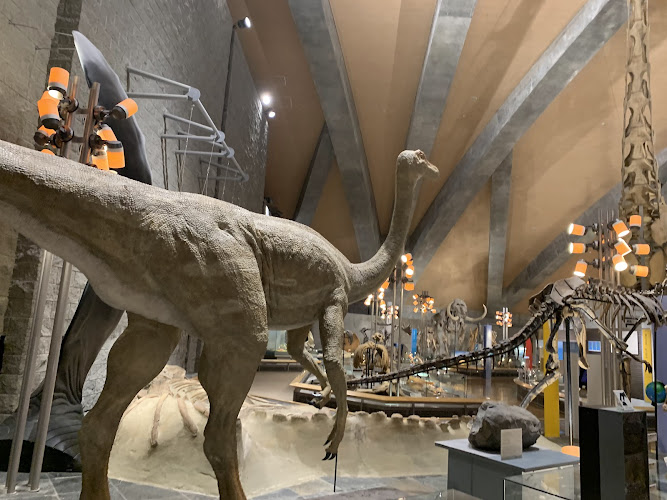
The Gunma Museum of Natural History stands as one of those places that quietly overdelivers. It’s not flashy in the theme-park sense, and that’s actually part of the charm. This is a serious, expansive natural history museum that leans hard into dinosaurs, fossils, and the long, strange story of life on Earth, with a special focus on Japan and the Gunma region. Travelers who expect a quick pop-in often end up staying hours longer than planned. And yeah, I’ve seen that happen more than once. I did it myself, honestly.
Set up with wide corridors, dramatic lighting, and a clear narrative flow, the museum walks visitors through deep time, starting with ancient oceans and marching right up to mammals and humans. The dinosaur hall is the star, no doubt about it. Full-scale skeletons loom overhead, some reconstructed in dynamic poses that make you instinctively step back a bit. Kids stare upward with mouths open, adults pretend they’re being cool about it. Nobody is fooled.
What makes the Gunma Museum of Natural History especially appealing for travelers is how grounded it feels. The exhibits don’t just throw facts at you; they explain why these discoveries matter. Fossils found in Japan are given proper context, and the historical dioramas help bridge the gap between scientific data and daily life in different eras. And while some displays feel traditional, even old-school, there’s a comforting clarity to that. You’re here to learn, not to be overwhelmed by screens.
The museum is well-kept, spacious, and thoughtfully designed for long visits. Wheelchair accessibility is solid throughout, restrooms are easy to find (a small miracle when traveling), and families with younger kids are clearly welcomed. There’s no restaurant inside, which some travelers grumble about, but it also means fewer crowds lingering in one spot. Bring snacks, plan ahead, and you’ll be fine.
Overall, the museum strikes a balance between educational depth and traveler-friendly ease. It’s not perfect, but it’s earnest, thorough, and memorable. For anyone exploring Gunma Prefecture beyond the usual highlights, this place makes a strong case for slowing down and learning something real.
Key Features
- Impressive dinosaur skeletons displayed at near life-size scale, including dramatic reconstructions that feel almost cinematic
- Extensive fossil collections showcasing marine life, plants, and land animals from different geological eras
- Detailed historical dioramas illustrating how ancient ecosystems functioned and how early humans may have lived
- Exhibits that highlight discoveries from Japan and the Gunma region, adding local relevance you don’t always get elsewhere
- Clear, well-organized exhibit flow that makes the museum easy to navigate even on a first visit
- Kid-friendly layouts, including hands-on elements and explanations written in approachable language
- Wheelchair accessible entrances, parking, and restrooms, making it a practical stop for diverse travelers
- Quiet corners and seating areas where you can actually sit and think for a minute (underrated feature)
Best Time to Visit
The Gunma Museum of Natural History is an indoor attraction, which already gives it an edge during less predictable weather. Rainy days, humid summers, or chilly winter afternoons are all fair game. That said, timing still matters if you want breathing room.
Weekday mornings are the sweet spot. School groups tend to arrive late morning or early afternoon, and weekends can feel busy, especially during Japanese school holidays. If you’re traveling with kids, arriving right when the museum opens gives them energy to explore before fatigue kicks in. Adults without kids might enjoy late afternoons, when things calm down and you can linger in the fossil halls without feeling rushed.
Seasonally, spring and autumn are ideal if you’re pairing the museum with other outdoor plans in Gunma. Summer brings more families, and winter sees fewer tourists overall, which can be lovely if you prefer quiet galleries. And just a personal aside, there’s something oddly fitting about looking at ice-age mammals while it’s cold outside. Makes it feel more real, somehow.
How to Get There
Getting to the Gunma Museum of Natural History is straightforward, though it does require a bit of planning if you’re relying on public transportation. Travelers usually approach via train to the nearest major station and then continue by local transport or taxi. The final stretch feels pleasantly removed from big-city chaos, which sets the tone for what you’re about to see.
For those driving, the museum is car-friendly, with accessible parking available. Roads in Gunma are generally less stressful than in larger metropolitan areas, and signage is clear enough even if your Japanese reading skills are, let’s say, a work in progress. I’ve navigated it with a half-dead phone battery before. Not recommended, but still doable.
If you’re building a broader itinerary, the museum pairs well with other cultural or nature-based stops in the region. Just give yourself enough buffer time. Rushing through a natural history museum kind of defeats the purpose.
Tips for Visiting
First tip, and this comes from experience: wear comfortable shoes. The museum is larger than it looks from the outside, and you’ll be on your feet a lot. There are benches, yes, but you’ll forget to sit because there’s always one more skeleton, one more panel, one more “wait, what is that thing?” moment.
Second, don’t underestimate how long you’ll want to stay. A quick visit can easily stretch into two or three hours. If you’re traveling with kids, plan breaks. There are restrooms with changing tables, which is a relief for families, and enough open space for kids to reset without causing chaos.
Third, bring snacks or eat beforehand. Since there’s no restaurant inside, hunger sneaks up on you. I once tried to power through on a coffee and optimism. Bad idea. Learn from my mistake.
Photography is generally allowed in many areas, but be mindful of signage. And please, watch your step around the displays. Some of the fossils are behind low barriers, and it’s easy to get carried away trying to find the perfect angle.
Lastly, read more than you think you need to. Even if you’re not a science nerd. The explanations are well-written and often include small, fascinating details that stick with you. Like how certain species were identified from surprisingly tiny fragments. It’s humbling, in a good way.
The Gunma Museum of Natural History rewards curiosity and patience. It’s not about rushing through highlights; it’s about letting the scale of time sink in. For travelers looking to balance sightseeing with substance, this museum quietly earns its place on the itinerary. And yeah, you might leave thinking a bit differently about the ground beneath your feet. That’s kind of the point.
Key Features
- Impressive dinosaur skeletons displayed at near life-size scale, including dramatic reconstructions that feel almost cinematic
- Extensive fossil collections showcasing marine life, plants, and land animals from different geological eras
- Detailed historical dioramas illustrating how ancient ecosystems functioned and how early humans may have lived
- Exhibits that highlight discoveries from Japan and the Gunma region, adding local relevance you don’t always get elsewhere
- Clear, well-organized exhibit flow that makes the museum easy to navigate even on a first visit
- Kid-friendly layouts, including hands-on elements and explanations written in approachable language
- Wheelchair accessible entrances, parking, and restrooms, making it a practical stop for diverse travelers
- Quiet corners and seating areas where you can actually sit and think for a minute (underrated feature)
More Details
Updated December 31, 2025
Table of Contents
Description
The Gunma Museum of Natural History stands as one of those places that quietly overdelivers. It’s not flashy in the theme-park sense, and that’s actually part of the charm. This is a serious, expansive natural history museum that leans hard into dinosaurs, fossils, and the long, strange story of life on Earth, with a special focus on Japan and the Gunma region. Travelers who expect a quick pop-in often end up staying hours longer than planned. And yeah, I’ve seen that happen more than once. I did it myself, honestly.
Set up with wide corridors, dramatic lighting, and a clear narrative flow, the museum walks visitors through deep time, starting with ancient oceans and marching right up to mammals and humans. The dinosaur hall is the star, no doubt about it. Full-scale skeletons loom overhead, some reconstructed in dynamic poses that make you instinctively step back a bit. Kids stare upward with mouths open, adults pretend they’re being cool about it. Nobody is fooled.
What makes the Gunma Museum of Natural History especially appealing for travelers is how grounded it feels. The exhibits don’t just throw facts at you; they explain why these discoveries matter. Fossils found in Japan are given proper context, and the historical dioramas help bridge the gap between scientific data and daily life in different eras. And while some displays feel traditional, even old-school, there’s a comforting clarity to that. You’re here to learn, not to be overwhelmed by screens.
The museum is well-kept, spacious, and thoughtfully designed for long visits. Wheelchair accessibility is solid throughout, restrooms are easy to find (a small miracle when traveling), and families with younger kids are clearly welcomed. There’s no restaurant inside, which some travelers grumble about, but it also means fewer crowds lingering in one spot. Bring snacks, plan ahead, and you’ll be fine.
Overall, the museum strikes a balance between educational depth and traveler-friendly ease. It’s not perfect, but it’s earnest, thorough, and memorable. For anyone exploring Gunma Prefecture beyond the usual highlights, this place makes a strong case for slowing down and learning something real.
Key Features
- Impressive dinosaur skeletons displayed at near life-size scale, including dramatic reconstructions that feel almost cinematic
- Extensive fossil collections showcasing marine life, plants, and land animals from different geological eras
- Detailed historical dioramas illustrating how ancient ecosystems functioned and how early humans may have lived
- Exhibits that highlight discoveries from Japan and the Gunma region, adding local relevance you don’t always get elsewhere
- Clear, well-organized exhibit flow that makes the museum easy to navigate even on a first visit
- Kid-friendly layouts, including hands-on elements and explanations written in approachable language
- Wheelchair accessible entrances, parking, and restrooms, making it a practical stop for diverse travelers
- Quiet corners and seating areas where you can actually sit and think for a minute (underrated feature)
Best Time to Visit
The Gunma Museum of Natural History is an indoor attraction, which already gives it an edge during less predictable weather. Rainy days, humid summers, or chilly winter afternoons are all fair game. That said, timing still matters if you want breathing room.
Weekday mornings are the sweet spot. School groups tend to arrive late morning or early afternoon, and weekends can feel busy, especially during Japanese school holidays. If you’re traveling with kids, arriving right when the museum opens gives them energy to explore before fatigue kicks in. Adults without kids might enjoy late afternoons, when things calm down and you can linger in the fossil halls without feeling rushed.
Seasonally, spring and autumn are ideal if you’re pairing the museum with other outdoor plans in Gunma. Summer brings more families, and winter sees fewer tourists overall, which can be lovely if you prefer quiet galleries. And just a personal aside, there’s something oddly fitting about looking at ice-age mammals while it’s cold outside. Makes it feel more real, somehow.
How to Get There
Getting to the Gunma Museum of Natural History is straightforward, though it does require a bit of planning if you’re relying on public transportation. Travelers usually approach via train to the nearest major station and then continue by local transport or taxi. The final stretch feels pleasantly removed from big-city chaos, which sets the tone for what you’re about to see.
For those driving, the museum is car-friendly, with accessible parking available. Roads in Gunma are generally less stressful than in larger metropolitan areas, and signage is clear enough even if your Japanese reading skills are, let’s say, a work in progress. I’ve navigated it with a half-dead phone battery before. Not recommended, but still doable.
If you’re building a broader itinerary, the museum pairs well with other cultural or nature-based stops in the region. Just give yourself enough buffer time. Rushing through a natural history museum kind of defeats the purpose.
Tips for Visiting
First tip, and this comes from experience: wear comfortable shoes. The museum is larger than it looks from the outside, and you’ll be on your feet a lot. There are benches, yes, but you’ll forget to sit because there’s always one more skeleton, one more panel, one more “wait, what is that thing?” moment.
Second, don’t underestimate how long you’ll want to stay. A quick visit can easily stretch into two or three hours. If you’re traveling with kids, plan breaks. There are restrooms with changing tables, which is a relief for families, and enough open space for kids to reset without causing chaos.
Third, bring snacks or eat beforehand. Since there’s no restaurant inside, hunger sneaks up on you. I once tried to power through on a coffee and optimism. Bad idea. Learn from my mistake.
Photography is generally allowed in many areas, but be mindful of signage. And please, watch your step around the displays. Some of the fossils are behind low barriers, and it’s easy to get carried away trying to find the perfect angle.
Lastly, read more than you think you need to. Even if you’re not a science nerd. The explanations are well-written and often include small, fascinating details that stick with you. Like how certain species were identified from surprisingly tiny fragments. It’s humbling, in a good way.
The Gunma Museum of Natural History rewards curiosity and patience. It’s not about rushing through highlights; it’s about letting the scale of time sink in. For travelers looking to balance sightseeing with substance, this museum quietly earns its place on the itinerary. And yeah, you might leave thinking a bit differently about the ground beneath your feet. That’s kind of the point.
Key Highlights
- Impressive dinosaur skeletons displayed at near life-size scale, including dramatic reconstructions that feel almost cinematic
- Extensive fossil collections showcasing marine life, plants, and land animals from different geological eras
- Detailed historical dioramas illustrating how ancient ecosystems functioned and how early humans may have lived
- Exhibits that highlight discoveries from Japan and the Gunma region, adding local relevance you don’t always get elsewhere
- Clear, well-organized exhibit flow that makes the museum easy to navigate even on a first visit
- Kid-friendly layouts, including hands-on elements and explanations written in approachable language
- Wheelchair accessible entrances, parking, and restrooms, making it a practical stop for diverse travelers
- Quiet corners and seating areas where you can actually sit and think for a minute (underrated feature)
Location
Places to Stay Near Gunma Museum of Natural History
Find and Book a Tour
Explore More Travel Guides
No reviews found! Be the first to review!
Traveler Reviews for Gunma Museum of Natural History
There are no reviews yet. Be the first one to write one.
Have you visited Gunma Museum of Natural History? Help other travelers by sharing your review.
You Might Also Like
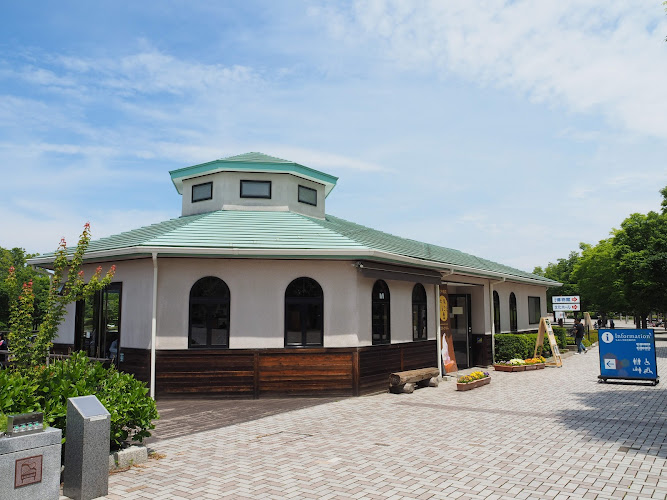
Momijidaira Park

Gunma Safari Park
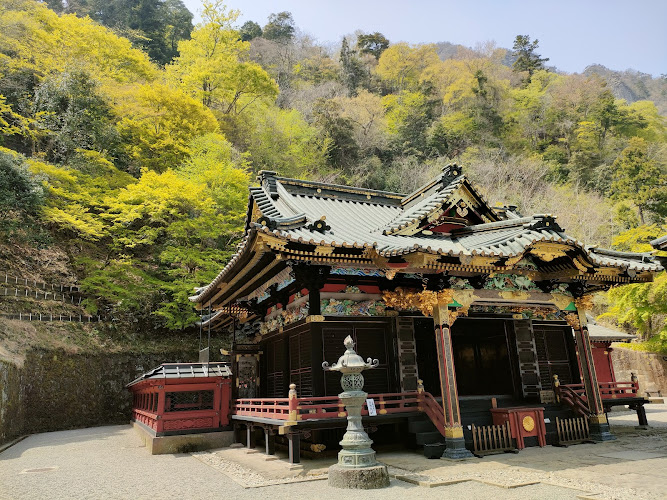
Myogi Shrine
Find Accommodations Nearby
Recommended Tours & Activities
Visitor Reviews
There are no reviews yet. Be the first one to write one.
Share Your Experience
Have you visited Gunma Museum of Natural History? Help other travelers by leaving a review.