
Myogi Shrine
About Myogi Shrine
Description
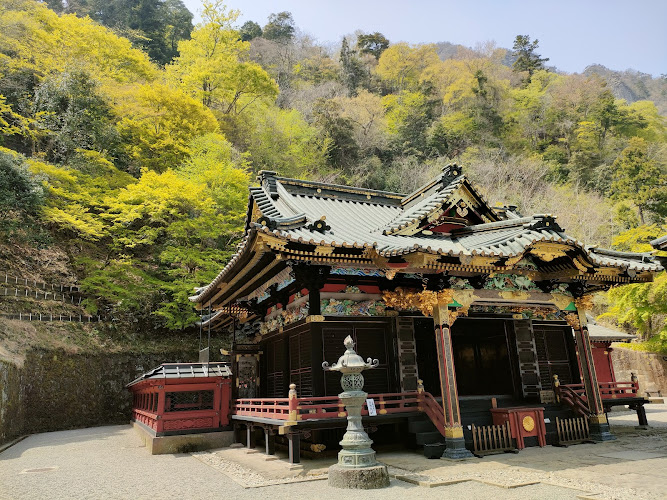
Myogi Shrine sits up in the mountains like it’s been minding its own business for centuries, which, honestly, it has. This is one of those places where the road starts to curl, the air cools off, and suddenly you realize you’re slowing down without trying. Travelers looking for a Shinto shrine that still feels deeply tied to its surroundings tend to fall hard for Myogi Shrine, and I get why. The buildings show off bold Edo-period architecture, full of carved details that reward you for lingering instead of rushing through with a camera on auto mode.
The shrine complex stretches across a forested slope, so your visit naturally turns into a bit of a walk. Not a casual stroll exactly, but not an expedition either. Stone steps lead upward through towering cedar trees, and on quiet days you can hear the wind push through branches like it’s clearing its throat. I remember visiting on a weekday afternoon once, thinking I’d just pop in for 20 minutes. An hour later, I was still there, staring at carvings and wondering how craftsmen pulled this off with hand tools. And yeah, my calves complained the next day. Worth it.
There’s a seriousness to Myogi Shrine, but it’s not stiff. The place feels lived-in spiritually, if that makes sense. You’ll see locals stopping to bow, clap, and move on with their day. Tourists are around too, but the mountain setting naturally keeps the mood respectful. And while it’s a well-known tourist attraction, it never felt overrun to me. That balance is rare.
The grounds are surrounded by thick trees that shift the light depending on the season and time of day. In the morning, the shrine feels hushed and almost secretive. By midday, sunlight hits the lacquered surfaces just right and suddenly the colors pop. And if you visit in autumn, the surrounding foliage does most of the talking. It’s one of those places where photos come out decent, but your memory of it is better.
Facilities are simple but practical. There are restrooms on site, which matters more than travel blogs admit. Accessibility is limited, though. The terrain and stairs make it difficult for wheelchair users or anyone with serious mobility issues, so planning ahead is important.
Key Features
- Edo-period architecture with intricate carvings and bold structural lines that reward slow observation.
- Mountain setting surrounded by tall trees, creating a quiet, contemplative atmosphere.
- Stone stairways that guide visitors upward through the shrine grounds, adding a physical sense of pilgrimage.
- Shinto rituals in action, where you can observe local worshippers going about their routines.
- Seasonal scenery that changes dramatically from spring greens to autumn reds and golds.
- Restroom facilities available on-site, which makes longer visits more comfortable.
- Connected roadside station nearby for snacks, souvenirs, and a quick rest before or after exploring.
Best Time to Visit
Timing your visit to Myogi Shrine makes a real difference, and not just for the weather. Spring brings fresh leaves and a lighter feeling overall, though it can be a bit damp underfoot. Summer is lush but humid. If you’re not great with heat, you might find yourself moving slower than planned. I once visited in August and remember thinking, why did I wear jeans? Learn from my mistakes.
Autumn is the star of the show. The mountain foliage transforms the entire shrine experience, adding layers of color behind every gate and hall. It’s popular, sure, but not chaotic. You’ll share the space, not fight for it. Winter, on the other hand, is quiet and stark. Snow isn’t guaranteed, but when it happens, the shrine feels almost unreal. Cold fingers, yes, but also deep calm.
As for time of day, mornings are best if you want tranquility. Late afternoon gives you warmer light for photos, but shadows can make steps tricky, so watch your footing. Weekdays are easier if you want space to breathe.
How to Get There
Getting to Myogi Shrine is part of the experience. The journey takes you off major urban routes and into mountain roads that gently remind you to slow down. Most travelers arrive by car, which honestly offers the most flexibility. The drive itself is scenic, especially as you get closer and the landscape shifts into forested slopes.
Public transportation is possible but requires planning and patience. Trains and buses can get you into the general area, but you’ll likely need to walk or use a local taxi for the final stretch. That last part, though, is where the anticipation builds. The road narrows, the trees thicken, and you start to feel like you’re going somewhere specific, not just ticking off another attraction.
Parking is available nearby, but it’s not massive. During peak seasons like autumn weekends, arriving earlier in the day helps. And if you’re combining your visit with the nearby roadside station, it’s convenient to plan both together.
Tips for Visiting
First tip: wear good shoes. This isn’t a flat, museum-style attraction. The stone steps can be uneven and slippery after rain. I’ve seen more than one person regretting fashion-forward footwear halfway up.
Second, take your time. Myogi Shrine isn’t about rushing from point A to point B. Pause at the carvings. Look up. Some of the best details are above eye level, and they’re easy to miss if you’re focused on the next photo.
Third, respect the rituals. Even if you’re not familiar with Shinto practices, following the general flow shows respect. Bow, clap if appropriate, and keep voices low. You don’t have to understand everything to appreciate it.
Fourth, plan for limited accessibility. If mobility is a concern, know that this shrine involves stairs and slopes. There’s no wheelchair-accessible entrance or parking, so it’s important to consider alternatives or decide whether this visit fits your travel style.
And finally, bring a bit of curiosity. Some of my favorite moments at Myogi Shrine came from reading plaques, chatting briefly with a local visitor, or just sitting on a step catching my breath. It’s not flashy. It doesn’t try to impress you. But if you let it, the place leaves a mark.
For travelers interested in Japanese history, architecture, and spiritual sites that still feel grounded in daily life, Myogi Shrine offers something honest. It asks for a bit of effort, rewards you with beauty and quiet, and sends you back down the mountain slightly calmer than when you arrived. And honestly, that’s the kind of souvenir I keep coming back for.
Key Features
- Key Features
- Best Time to Visit
- How to Get There
- Tips for Visiting
More Details
Updated December 31, 2025
Table of Contents
Description
Myogi Shrine sits up in the mountains like it’s been minding its own business for centuries, which, honestly, it has. This is one of those places where the road starts to curl, the air cools off, and suddenly you realize you’re slowing down without trying. Travelers looking for a Shinto shrine that still feels deeply tied to its surroundings tend to fall hard for Myogi Shrine, and I get why. The buildings show off bold Edo-period architecture, full of carved details that reward you for lingering instead of rushing through with a camera on auto mode.
The shrine complex stretches across a forested slope, so your visit naturally turns into a bit of a walk. Not a casual stroll exactly, but not an expedition either. Stone steps lead upward through towering cedar trees, and on quiet days you can hear the wind push through branches like it’s clearing its throat. I remember visiting on a weekday afternoon once, thinking I’d just pop in for 20 minutes. An hour later, I was still there, staring at carvings and wondering how craftsmen pulled this off with hand tools. And yeah, my calves complained the next day. Worth it.
There’s a seriousness to Myogi Shrine, but it’s not stiff. The place feels lived-in spiritually, if that makes sense. You’ll see locals stopping to bow, clap, and move on with their day. Tourists are around too, but the mountain setting naturally keeps the mood respectful. And while it’s a well-known tourist attraction, it never felt overrun to me. That balance is rare.
The grounds are surrounded by thick trees that shift the light depending on the season and time of day. In the morning, the shrine feels hushed and almost secretive. By midday, sunlight hits the lacquered surfaces just right and suddenly the colors pop. And if you visit in autumn, the surrounding foliage does most of the talking. It’s one of those places where photos come out decent, but your memory of it is better.
Facilities are simple but practical. There are restrooms on site, which matters more than travel blogs admit. Accessibility is limited, though. The terrain and stairs make it difficult for wheelchair users or anyone with serious mobility issues, so planning ahead is important.
Key Features
- Edo-period architecture with intricate carvings and bold structural lines that reward slow observation.
- Mountain setting surrounded by tall trees, creating a quiet, contemplative atmosphere.
- Stone stairways that guide visitors upward through the shrine grounds, adding a physical sense of pilgrimage.
- Shinto rituals in action, where you can observe local worshippers going about their routines.
- Seasonal scenery that changes dramatically from spring greens to autumn reds and golds.
- Restroom facilities available on-site, which makes longer visits more comfortable.
- Connected roadside station nearby for snacks, souvenirs, and a quick rest before or after exploring.
Best Time to Visit
Timing your visit to Myogi Shrine makes a real difference, and not just for the weather. Spring brings fresh leaves and a lighter feeling overall, though it can be a bit damp underfoot. Summer is lush but humid. If you’re not great with heat, you might find yourself moving slower than planned. I once visited in August and remember thinking, why did I wear jeans? Learn from my mistakes.
Autumn is the star of the show. The mountain foliage transforms the entire shrine experience, adding layers of color behind every gate and hall. It’s popular, sure, but not chaotic. You’ll share the space, not fight for it. Winter, on the other hand, is quiet and stark. Snow isn’t guaranteed, but when it happens, the shrine feels almost unreal. Cold fingers, yes, but also deep calm.
As for time of day, mornings are best if you want tranquility. Late afternoon gives you warmer light for photos, but shadows can make steps tricky, so watch your footing. Weekdays are easier if you want space to breathe.
How to Get There
Getting to Myogi Shrine is part of the experience. The journey takes you off major urban routes and into mountain roads that gently remind you to slow down. Most travelers arrive by car, which honestly offers the most flexibility. The drive itself is scenic, especially as you get closer and the landscape shifts into forested slopes.
Public transportation is possible but requires planning and patience. Trains and buses can get you into the general area, but you’ll likely need to walk or use a local taxi for the final stretch. That last part, though, is where the anticipation builds. The road narrows, the trees thicken, and you start to feel like you’re going somewhere specific, not just ticking off another attraction.
Parking is available nearby, but it’s not massive. During peak seasons like autumn weekends, arriving earlier in the day helps. And if you’re combining your visit with the nearby roadside station, it’s convenient to plan both together.
Tips for Visiting
First tip: wear good shoes. This isn’t a flat, museum-style attraction. The stone steps can be uneven and slippery after rain. I’ve seen more than one person regretting fashion-forward footwear halfway up.
Second, take your time. Myogi Shrine isn’t about rushing from point A to point B. Pause at the carvings. Look up. Some of the best details are above eye level, and they’re easy to miss if you’re focused on the next photo.
Third, respect the rituals. Even if you’re not familiar with Shinto practices, following the general flow shows respect. Bow, clap if appropriate, and keep voices low. You don’t have to understand everything to appreciate it.
Fourth, plan for limited accessibility. If mobility is a concern, know that this shrine involves stairs and slopes. There’s no wheelchair-accessible entrance or parking, so it’s important to consider alternatives or decide whether this visit fits your travel style.
And finally, bring a bit of curiosity. Some of my favorite moments at Myogi Shrine came from reading plaques, chatting briefly with a local visitor, or just sitting on a step catching my breath. It’s not flashy. It doesn’t try to impress you. But if you let it, the place leaves a mark.
For travelers interested in Japanese history, architecture, and spiritual sites that still feel grounded in daily life, Myogi Shrine offers something honest. It asks for a bit of effort, rewards you with beauty and quiet, and sends you back down the mountain slightly calmer than when you arrived. And honestly, that’s the kind of souvenir I keep coming back for.
Key Highlights
- Key Features
- Best Time to Visit
- How to Get There
- Tips for Visiting
Location
Places to Stay Near Myogi Shrine
Find and Book a Tour
Explore More Travel Guides
No reviews found! Be the first to review!
Traveler Reviews for Myogi Shrine
There are no reviews yet. Be the first one to write one.
Have you visited Myogi Shrine? Help other travelers by sharing your review.
You Might Also Like

Gunma Safari Park
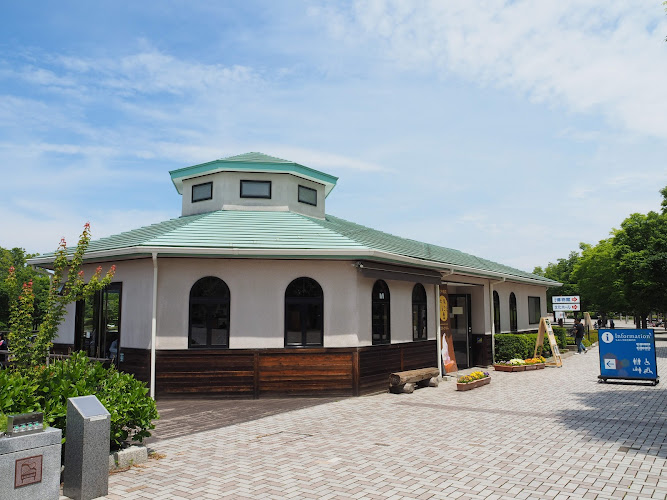
Momijidaira Park
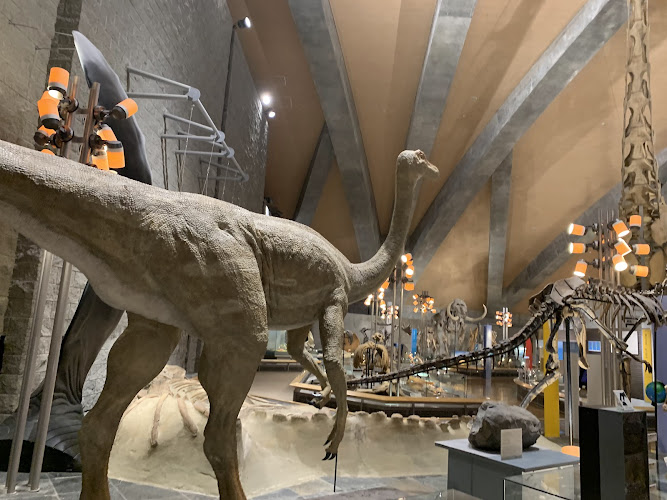
Gunma Museum of Natural History
Find Accommodations Nearby
Recommended Tours & Activities
Visitor Reviews
There are no reviews yet. Be the first one to write one.
Share Your Experience
Have you visited Myogi Shrine? Help other travelers by leaving a review.