
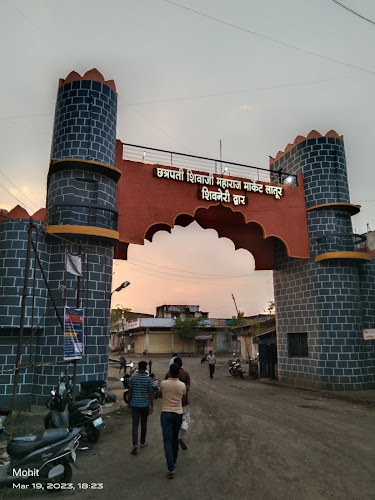
Latur
About Latur
Description
Latur sits in the Marathwada region of Maharashtra, and it’s one of those cities that doesn’t shout for attention but quietly earns it. For travelers who like places with layers—history, daily life, food smells drifting from small eateries—Latur makes sense. It used to be part of Osmanabad district until 1982, a fact locals still mention casually, like a family story passed down at tea time. And yes, Marathi is the language you’ll hear everywhere, spoken fast, musical, sometimes with a teasing edge.
The city has a reputation that’s a little mixed, if one is being honest. Some visitors come expecting grand tourist infrastructure and leave slightly underwhelmed. Others, especially those who slow down, end up surprised by how much character Latur packs in. It’s a working city, not a postcard city. You’ll see bustling markets, students heading to coaching classes, farmers selling produce, and temples that feel lived-in rather than staged.
Latur’s role as a regional hub matters. It’s an education center, a medical center, and for surrounding towns, a place to come for everything from court work to a decent cup of cutting chai. For travelers, this means you get a real slice of everyday Maharashtra life, not a polished version. And personally, I like that. I once spent an afternoon just watching the rhythm of Ambajogai Road traffic, chaos and order somehow coexisting. It sounds boring, but it told me more about Latur than any brochure could.
Historically, the area around Latur is rich, even if the city itself looks modern in patches. The Kharosa Caves nearby are a reminder that this land has been home to artists and monks centuries before buses and smartphones showed up. You don’t need to be a hardcore history buff to appreciate that kind of continuity. It humbles you a bit.
Key Features
- Located in the Marathwada region of Maharashtra, offering insight into a less tourist-heavy part of the state
- Close to historical sites like the Kharosa Caves, known for ancient rock-cut sculptures
- Strong Marathi cultural presence in language, food, and daily customs
- Acts as an educational and medical hub for nearby districts
- Busy local markets that reflect real, everyday life rather than curated tourism
- Well-connected to surrounding towns, making it a practical base for exploration
- Food scene focused on simple, hearty Marathwada-style meals
Best Time to Visit
The best time to visit Latur is between October and February. That’s when the heat backs off a little and walking around doesn’t feel like a test of endurance. Summers here are no joke. March onwards, temperatures can climb fast, and unless you grew up in this climate, it can drain your energy quicker than expected. I made the mistake of visiting once in late April. By noon, I was hunting for shade like it was treasure.
Monsoon season, from June to September, is a mixed bag. The landscape around Latur turns greener, which is lovely, but heavy rains can disrupt travel plans. Roads get unpredictable, and sightseeing becomes more about timing than desire. Still, if you enjoy moody skies and don’t mind adjusting plans, monsoon has its own charm.
Winter, though, is when Latur feels most approachable. Early mornings are cool, evenings are pleasant, and you can actually enjoy outdoor spots without constantly checking the sun. Festivals during this period also give you a glimpse into local traditions. And if you’re the kind of traveler who likes to wake up early and explore before breakfast, winter is your season.
How to Get There
Getting to Latur is straightforward, though it may take a bit of patience depending on where you’re coming from. Latur has a railway station that connects it to major cities in Maharashtra and neighboring states. Trains are often the preferred option for travelers who don’t want to deal with long road journeys. And honestly, Indian train journeys have their own stories baked in. I once shared a seat with a farmer who explained crop cycles to me for two hours straight. Learned more than I expected.
By road, Latur is accessible via state highways. Buses run regularly from cities like Pune, Aurangabad, and Nanded. The ride can be long, but it gives you a sense of the region—fields, small towns, roadside tea stalls that look identical yet taste slightly different each time.
The nearest major airports are not in Latur itself, so flying involves landing elsewhere and then continuing by road or rail. This extra step sometimes puts people off, but it also filters the crowd. Latur doesn’t get accidental tourists, which keeps the experience grounded.
Tips for Visiting
First tip: adjust expectations. Latur isn’t about luxury resorts or Instagram-famous viewpoints. It’s about observing, listening, tasting, and sometimes just sitting quietly. If you go in expecting drama, you might miss the details that actually matter.
Learning a few Marathi phrases goes a long way. Even simple greetings can open up conversations. Locals appreciate the effort, and you’ll often be rewarded with a smile or an unsolicited food recommendation. And trust those recommendations. Some of the best meals I’ve had in Latur came from places that didn’t even have proper signboards.
Plan short trips around the city rather than cramming everything into one day. Visit the Kharosa Caves when it’s cooler, preferably in the morning. Carry water, wear comfortable footwear, and don’t rush. These sites aren’t going anywhere.
Be mindful of local customs, especially around religious places. Dress modestly, observe before acting, and when in doubt, ask. People are generally helpful, though sometimes in a very direct way. That’s just how it is here.
Finally, give Latur time. It’s not a city that reveals itself in a checklist. Spend an extra day. Walk without a plan. Sit at a roadside stall and watch life unfold. That’s when Latur starts to make sense. And you might leave, like I did, thinking about it long after the dust has settled on your shoes.
Key Features
- Located in the Marathwada region of Maharashtra, offering insight into a less tourist-heavy part of the state
- Close to historical sites like the Kharosa Caves, known for ancient rock-cut sculptures
- Strong Marathi cultural presence in language, food, and daily customs
- Acts as an educational and medical hub for nearby districts
- Busy local markets that reflect real, everyday life rather than curated tourism
- Well-connected to surrounding towns, making it a practical base for exploration
- Food scene focused on simple, hearty Marathwada-style meals
More Details
Updated December 31, 2025
Table of Contents
Description
Latur sits in the Marathwada region of Maharashtra, and it’s one of those cities that doesn’t shout for attention but quietly earns it. For travelers who like places with layers—history, daily life, food smells drifting from small eateries—Latur makes sense. It used to be part of Osmanabad district until 1982, a fact locals still mention casually, like a family story passed down at tea time. And yes, Marathi is the language you’ll hear everywhere, spoken fast, musical, sometimes with a teasing edge.
The city has a reputation that’s a little mixed, if one is being honest. Some visitors come expecting grand tourist infrastructure and leave slightly underwhelmed. Others, especially those who slow down, end up surprised by how much character Latur packs in. It’s a working city, not a postcard city. You’ll see bustling markets, students heading to coaching classes, farmers selling produce, and temples that feel lived-in rather than staged.
Latur’s role as a regional hub matters. It’s an education center, a medical center, and for surrounding towns, a place to come for everything from court work to a decent cup of cutting chai. For travelers, this means you get a real slice of everyday Maharashtra life, not a polished version. And personally, I like that. I once spent an afternoon just watching the rhythm of Ambajogai Road traffic, chaos and order somehow coexisting. It sounds boring, but it told me more about Latur than any brochure could.
Historically, the area around Latur is rich, even if the city itself looks modern in patches. The Kharosa Caves nearby are a reminder that this land has been home to artists and monks centuries before buses and smartphones showed up. You don’t need to be a hardcore history buff to appreciate that kind of continuity. It humbles you a bit.
Key Features
- Located in the Marathwada region of Maharashtra, offering insight into a less tourist-heavy part of the state
- Close to historical sites like the Kharosa Caves, known for ancient rock-cut sculptures
- Strong Marathi cultural presence in language, food, and daily customs
- Acts as an educational and medical hub for nearby districts
- Busy local markets that reflect real, everyday life rather than curated tourism
- Well-connected to surrounding towns, making it a practical base for exploration
- Food scene focused on simple, hearty Marathwada-style meals
Best Time to Visit
The best time to visit Latur is between October and February. That’s when the heat backs off a little and walking around doesn’t feel like a test of endurance. Summers here are no joke. March onwards, temperatures can climb fast, and unless you grew up in this climate, it can drain your energy quicker than expected. I made the mistake of visiting once in late April. By noon, I was hunting for shade like it was treasure.
Monsoon season, from June to September, is a mixed bag. The landscape around Latur turns greener, which is lovely, but heavy rains can disrupt travel plans. Roads get unpredictable, and sightseeing becomes more about timing than desire. Still, if you enjoy moody skies and don’t mind adjusting plans, monsoon has its own charm.
Winter, though, is when Latur feels most approachable. Early mornings are cool, evenings are pleasant, and you can actually enjoy outdoor spots without constantly checking the sun. Festivals during this period also give you a glimpse into local traditions. And if you’re the kind of traveler who likes to wake up early and explore before breakfast, winter is your season.
How to Get There
Getting to Latur is straightforward, though it may take a bit of patience depending on where you’re coming from. Latur has a railway station that connects it to major cities in Maharashtra and neighboring states. Trains are often the preferred option for travelers who don’t want to deal with long road journeys. And honestly, Indian train journeys have their own stories baked in. I once shared a seat with a farmer who explained crop cycles to me for two hours straight. Learned more than I expected.
By road, Latur is accessible via state highways. Buses run regularly from cities like Pune, Aurangabad, and Nanded. The ride can be long, but it gives you a sense of the region—fields, small towns, roadside tea stalls that look identical yet taste slightly different each time.
The nearest major airports are not in Latur itself, so flying involves landing elsewhere and then continuing by road or rail. This extra step sometimes puts people off, but it also filters the crowd. Latur doesn’t get accidental tourists, which keeps the experience grounded.
Tips for Visiting
First tip: adjust expectations. Latur isn’t about luxury resorts or Instagram-famous viewpoints. It’s about observing, listening, tasting, and sometimes just sitting quietly. If you go in expecting drama, you might miss the details that actually matter.
Learning a few Marathi phrases goes a long way. Even simple greetings can open up conversations. Locals appreciate the effort, and you’ll often be rewarded with a smile or an unsolicited food recommendation. And trust those recommendations. Some of the best meals I’ve had in Latur came from places that didn’t even have proper signboards.
Plan short trips around the city rather than cramming everything into one day. Visit the Kharosa Caves when it’s cooler, preferably in the morning. Carry water, wear comfortable footwear, and don’t rush. These sites aren’t going anywhere.
Be mindful of local customs, especially around religious places. Dress modestly, observe before acting, and when in doubt, ask. People are generally helpful, though sometimes in a very direct way. That’s just how it is here.
Finally, give Latur time. It’s not a city that reveals itself in a checklist. Spend an extra day. Walk without a plan. Sit at a roadside stall and watch life unfold. That’s when Latur starts to make sense. And you might leave, like I did, thinking about it long after the dust has settled on your shoes.
Key Highlights
- Located in the Marathwada region of Maharashtra, offering insight into a less tourist-heavy part of the state
- Close to historical sites like the Kharosa Caves, known for ancient rock-cut sculptures
- Strong Marathi cultural presence in language, food, and daily customs
- Acts as an educational and medical hub for nearby districts
- Busy local markets that reflect real, everyday life rather than curated tourism
- Well-connected to surrounding towns, making it a practical base for exploration
- Food scene focused on simple, hearty Marathwada-style meals
Location
Places to Stay Near Latur
Find and Book a Tour
Explore More Travel Guides
No reviews found! Be the first to review!
Traveler Reviews for Latur
There are no reviews yet. Be the first one to write one.
Have you visited Latur? Help other travelers by sharing your review.
You Might Also Like
Brahma Kumaris Renapur

Ganj Golai Market
Bhakti Mobiles
Find Accommodations Nearby
Recommended Tours & Activities
Visitor Reviews
There are no reviews yet. Be the first one to write one.
Share Your Experience
Have you visited Latur? Help other travelers by leaving a review.