
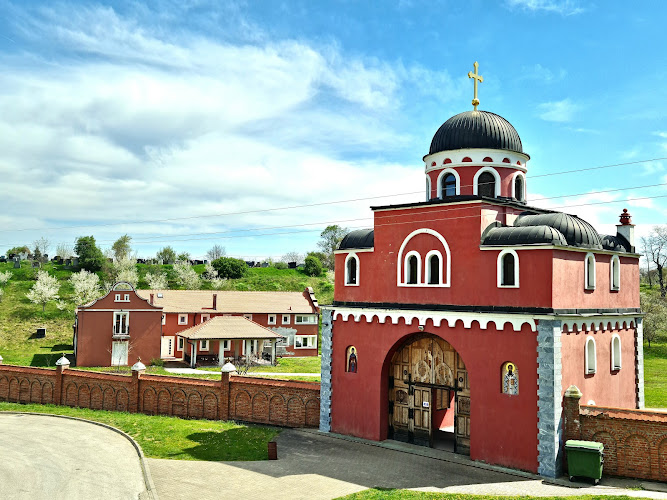
Krušedol Monastery
About Krušedol Monastery
Walking through Krušedol Monastery feels like stepping into a chapter of Balkan history that never fully closed. This 16th-century Serbian Orthodox monastery isn’t flashy or overly polished, and honestly, that’s part of its pull. It sits quietly in the Fruška Gora region, surrounded by trees, paths, and a calm that sneaks up on you. Travelers often expect a quick stop and end up lingering longer than planned. And yes, that happens a lot here.
Description
Krušedol Monastery was founded in the early 1500s and has lived several lives since then. Fires, wars, restorations, and centuries of prayer have shaped it into what visitors see today. The church walls still carry original frescoes, some faded, some surprisingly vivid, all telling stories that don’t need words. You don’t have to be religious to appreciate it. History buffs, architecture lovers, slow travelers, and even casual road-trippers tend to find something that sticks.
The monastery complex includes the main church, monastic quarters, and a park-like courtyard that feels more like a village square than a formal religious site. Birds chatter constantly. Wind moves through the trees. And sometimes there’s the faint smell of incense drifting out of the church. It’s a sensory place, not just a visual one.
One thing that stands out is how lived-in it feels. This isn’t a museum frozen in time. Monks still reside here. Services still happen. You might hear chanting or bells if you’re lucky with timing. The balance between being an active monastery and a tourist attraction is handled pretty gracefully, even if it means you occasionally feel like a guest in someone’s home. Which, in a way, you are.
I remember my first visit being oddly emotional. I didn’t expect that. I’d been hopping between sites all day, half-tired, half-distracted. But something about the quiet weight of the place slowed me down. I sat on a bench for twenty minutes doing absolutely nothing. That’s rare for me. And maybe for you too.
Key Features
- 16th-century Orthodox monastery with deep historical roots in Serbian culture
- Well-preserved wall frescoes depicting religious scenes and saints
- Peaceful, green surroundings ideal for slow walks and reflection
- Active monastic life that adds authenticity to the experience
- Wheelchair accessible entrance and parking, which is not always a given in historic sites
- Onsite restroom facilities, making longer visits more comfortable
- A blend of spiritual atmosphere and tourist-friendly openness
And a small side note here: the frescoes don’t all hit you at once. Some are dimly lit, others partially restored. Give your eyes time to adjust. The details come out slowly, like they’re testing your patience.
Best Time to Visit
Spring and early autumn are, in my opinion, the sweet spots. The weather is mild, the grounds look their best, and you can actually hear yourself think. Summer brings more visitors, especially on weekends, and while the energy isn’t bad, it does change the mood a bit. Winter, on the other hand, is quiet to the point of solitude. Cold, yes. But if you’re into stark beauty and fewer people, it’s kind of magical.
Weekday mornings are ideal. You’ll avoid larger tour groups and may even catch the monastery during prayer times, which adds depth to the visit. Sundays can be busy due to services, but they also offer a glimpse into local religious life. It’s a trade-off.
Time of day matters too. Late afternoon light softens the frescoes and the surrounding greenery. I once visited around golden hour and the place felt warmer, friendlier somehow. Maybe that’s just me romanticizing, but still, worth considering.
How to Get There
Krušedol Monastery is easiest to reach by car, especially if you’re already exploring the Fruška Gora area. The drive itself is part of the experience, with winding roads and stretches of forest that make you forget about city noise pretty quickly. Parking is available and accessible, which removes a lot of stress right away.
Public transport options exist, but they require patience and planning. Buses can get you part of the way, followed by a walk. That walk, though, is actually quite pleasant if the weather cooperates. Just wear decent shoes. I learned that the hard way, slipping slightly on gravel while wearing shoes that looked better than they performed.
If you’re traveling with a guide or on a regional tour, Krušedol is often included as a key stop. But going independently gives you more control over timing, and honestly, this is a place that benefits from unstructured wandering.
Tips for Visiting
First tip: slow down. This isn’t a checklist destination. Give yourself at least an hour, more if you can. Sit. Walk. Sit again. Let the place do its thing.
Dress modestly. It’s an active Orthodox monastery, and respectful clothing is appreciated. Nothing extreme, just be mindful. If you forget, you might still be allowed in, but you’ll feel better knowing you made the effort.
Photography is usually allowed, but be discreet. Avoid using flash near frescoes. And if a service is happening, put the camera away. Trust me, the memory sticks better than the photo anyway.
Accessibility-wise, the monastery does a decent job considering its age. Wheelchair access and parking are available, which opens the experience to more travelers. Some interior areas may still be tricky, though, so plan accordingly.
Bring water, especially in warmer months. There are amenities onsite, but it’s always good to be prepared. And maybe a small notebook? I’m serious. I’ve seen people jot down thoughts or sketch details. The place inspires that kind of thing.
Lastly, manage expectations. Not everyone leaves enchanted. Some visitors find it too quiet, too subtle, or too religious for their taste. That’s okay. But if you’re open to history, atmosphere, and a bit of introspection, Krušedol Monastery has a way of meeting you halfway.
And if you’re anything like me, you’ll leave thinking about it later that evening, maybe replaying the echo of footsteps on stone or the way the light hit the walls. That’s usually a sign the place did its job.
Key Features
- 16th-century Orthodox monastery with deep historical roots in Serbian culture
- Well-preserved wall frescoes depicting religious scenes and saints
- Peaceful, green surroundings ideal for slow walks and reflection
- Active monastic life that adds authenticity to the experience
- Wheelchair accessible entrance and parking, which is not always a given in historic sites
- Onsite restroom facilities, making longer visits more comfortable
- A blend of spiritual atmosphere and tourist-friendly openness
More Details
Updated December 31, 2025
Walking through Krušedol Monastery feels like stepping into a chapter of Balkan history that never fully closed. This 16th-century Serbian Orthodox monastery isn’t flashy or overly polished, and honestly, that’s part of its pull. It sits quietly in the Fruška Gora region, surrounded by trees, paths, and a calm that sneaks up on you. Travelers often expect a quick stop and end up lingering longer than planned. And yes, that happens a lot here.
Table of Contents
Description
Krušedol Monastery was founded in the early 1500s and has lived several lives since then. Fires, wars, restorations, and centuries of prayer have shaped it into what visitors see today. The church walls still carry original frescoes, some faded, some surprisingly vivid, all telling stories that don’t need words. You don’t have to be religious to appreciate it. History buffs, architecture lovers, slow travelers, and even casual road-trippers tend to find something that sticks.
The monastery complex includes the main church, monastic quarters, and a park-like courtyard that feels more like a village square than a formal religious site. Birds chatter constantly. Wind moves through the trees. And sometimes there’s the faint smell of incense drifting out of the church. It’s a sensory place, not just a visual one.
One thing that stands out is how lived-in it feels. This isn’t a museum frozen in time. Monks still reside here. Services still happen. You might hear chanting or bells if you’re lucky with timing. The balance between being an active monastery and a tourist attraction is handled pretty gracefully, even if it means you occasionally feel like a guest in someone’s home. Which, in a way, you are.
I remember my first visit being oddly emotional. I didn’t expect that. I’d been hopping between sites all day, half-tired, half-distracted. But something about the quiet weight of the place slowed me down. I sat on a bench for twenty minutes doing absolutely nothing. That’s rare for me. And maybe for you too.
Key Features
- 16th-century Orthodox monastery with deep historical roots in Serbian culture
- Well-preserved wall frescoes depicting religious scenes and saints
- Peaceful, green surroundings ideal for slow walks and reflection
- Active monastic life that adds authenticity to the experience
- Wheelchair accessible entrance and parking, which is not always a given in historic sites
- Onsite restroom facilities, making longer visits more comfortable
- A blend of spiritual atmosphere and tourist-friendly openness
And a small side note here: the frescoes don’t all hit you at once. Some are dimly lit, others partially restored. Give your eyes time to adjust. The details come out slowly, like they’re testing your patience.
Best Time to Visit
Spring and early autumn are, in my opinion, the sweet spots. The weather is mild, the grounds look their best, and you can actually hear yourself think. Summer brings more visitors, especially on weekends, and while the energy isn’t bad, it does change the mood a bit. Winter, on the other hand, is quiet to the point of solitude. Cold, yes. But if you’re into stark beauty and fewer people, it’s kind of magical.
Weekday mornings are ideal. You’ll avoid larger tour groups and may even catch the monastery during prayer times, which adds depth to the visit. Sundays can be busy due to services, but they also offer a glimpse into local religious life. It’s a trade-off.
Time of day matters too. Late afternoon light softens the frescoes and the surrounding greenery. I once visited around golden hour and the place felt warmer, friendlier somehow. Maybe that’s just me romanticizing, but still, worth considering.
How to Get There
Krušedol Monastery is easiest to reach by car, especially if you’re already exploring the Fruška Gora area. The drive itself is part of the experience, with winding roads and stretches of forest that make you forget about city noise pretty quickly. Parking is available and accessible, which removes a lot of stress right away.
Public transport options exist, but they require patience and planning. Buses can get you part of the way, followed by a walk. That walk, though, is actually quite pleasant if the weather cooperates. Just wear decent shoes. I learned that the hard way, slipping slightly on gravel while wearing shoes that looked better than they performed.
If you’re traveling with a guide or on a regional tour, Krušedol is often included as a key stop. But going independently gives you more control over timing, and honestly, this is a place that benefits from unstructured wandering.
Tips for Visiting
First tip: slow down. This isn’t a checklist destination. Give yourself at least an hour, more if you can. Sit. Walk. Sit again. Let the place do its thing.
Dress modestly. It’s an active Orthodox monastery, and respectful clothing is appreciated. Nothing extreme, just be mindful. If you forget, you might still be allowed in, but you’ll feel better knowing you made the effort.
Photography is usually allowed, but be discreet. Avoid using flash near frescoes. And if a service is happening, put the camera away. Trust me, the memory sticks better than the photo anyway.
Accessibility-wise, the monastery does a decent job considering its age. Wheelchair access and parking are available, which opens the experience to more travelers. Some interior areas may still be tricky, though, so plan accordingly.
Bring water, especially in warmer months. There are amenities onsite, but it’s always good to be prepared. And maybe a small notebook? I’m serious. I’ve seen people jot down thoughts or sketch details. The place inspires that kind of thing.
Lastly, manage expectations. Not everyone leaves enchanted. Some visitors find it too quiet, too subtle, or too religious for their taste. That’s okay. But if you’re open to history, atmosphere, and a bit of introspection, Krušedol Monastery has a way of meeting you halfway.
And if you’re anything like me, you’ll leave thinking about it later that evening, maybe replaying the echo of footsteps on stone or the way the light hit the walls. That’s usually a sign the place did its job.
Key Highlights
- 16th-century Orthodox monastery with deep historical roots in Serbian culture
- Well-preserved wall frescoes depicting religious scenes and saints
- Peaceful, green surroundings ideal for slow walks and reflection
- Active monastic life that adds authenticity to the experience
- Wheelchair accessible entrance and parking, which is not always a given in historic sites
- Onsite restroom facilities, making longer visits more comfortable
- A blend of spiritual atmosphere and tourist-friendly openness
Location
Places to Stay Near Krušedol Monastery
Find and Book a Tour
Explore More Travel Guides
No reviews found! Be the first to review!
Traveler Reviews for Krušedol Monastery
There are no reviews yet. Be the first one to write one.
Have you visited Krušedol Monastery? Help other travelers by sharing your review.
You Might Also Like
Kopaonik National Park
Млин Бадњевац

Municipality of Prijepolje
Find Accommodations Nearby
Recommended Tours & Activities
Visitor Reviews
There are no reviews yet. Be the first one to write one.
Share Your Experience
Have you visited Krušedol Monastery? Help other travelers by leaving a review.