
Ladeira João de Paiva – Ouro Preto
About Ladeira João de Paiva – Ouro Preto
Description
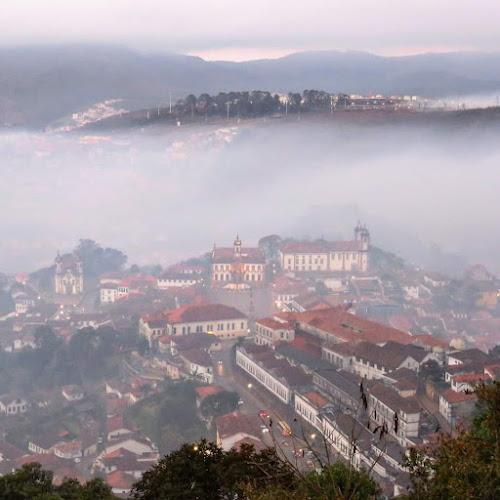
Ladeira João de Paiva is one of those places in Ouro Preto that doesn’t shout for attention, but quietly earns it. It’s a sloping street, yes, but calling it just a street feels unfair. This stretch of stone and history connects parts of the historic center in a way that makes you slow down, whether you want to or not. And trust me, you will slow down—partly because of the incline, partly because your eyes keep getting distracted by the scenery, and partly because Ouro Preto has that effect on people.
The ladeira is lined with colonial-era houses, many with slightly crooked windows and doors that have seen better centuries. The stones underfoot are uneven, polished smooth by hundreds of years of footsteps. Walking here feels intimate. You’re close to the walls, close to the past, and close to daily life. Locals still use this route to get from one point to another, carrying groceries or chatting with neighbors. It’s not a museum street, even though it easily could be.
I remember my first time walking up Ladeira João de Paiva thinking I had taken a wrong turn. It felt too quiet, too real, compared to the busier squares. But then a church tower peeked over a rooftop, the light shifted, and suddenly it all made sense. This street isn’t about grand statements. It’s about texture, rhythm, and those small details you only notice when you’re slightly out of breath and forced to look around.
For travelers who want to understand Ouro Preto beyond postcard angles, this ladeira offers something honest. It shows how the city actually works. And yes, it demands a bit of effort from your legs, but it pays you back with atmosphere, views, and a sense that you’ve stepped into a lived-in story rather than a staged one.
Key Features
- Steep stone-paved slope typical of historic Ouro Preto, challenging but memorable
- Colonial architecture with original façades and weathered details
- Connecting route between important areas of the historic center
- Authentic local movement rather than tourist-only traffic
- Changing perspectives and views as you climb or descend
- Quiet moments broken by everyday sounds—footsteps, voices, church bells
What really stands out is how the street changes depending on the time of day. In the morning, the stones can be slick with dew, and the light feels soft and forgiving. By afternoon, the sun hits harder, and shadows stretch across the slope in dramatic ways. And at night, well, it’s not about lighting shows or crowds—it’s about that hushed, slightly mysterious vibe that makes you walk a little slower.
Best Time to Visit
The best time to explore Ladeira João de Paiva is during the morning or late afternoon. Midday can be a bit brutal, especially if the sun is strong, and there’s not much shade in certain sections. Morning walks feel calm and personal, like the city is still waking up. You might see residents opening windows or sweeping their doorsteps. It’s subtle, but that’s kind of the point.
Late afternoon is when the light gets interesting. Photographers, even amateur ones (I count myself here, phone camera and all), will appreciate how the buildings glow and the street takes on more depth. The temperature also eases off, which your knees will thank you for.
If you’re visiting Ouro Preto during the rainy season, take extra care. The stones become slippery, and this is not the place to rush. But honestly, even a cloudy day has its charm. The mist sometimes settles low, and the whole ladeira feels like it belongs to another era. Just wear proper shoes. Flip-flops are a brave but questionable choice.
How to Get There
Ladeira João de Paiva sits within the historic core of Ouro Preto, so chances are you’ll encounter it naturally as you explore on foot. That’s really the best way to do it. The city isn’t made for cars in many areas, and this street in particular is best experienced at walking speed.
If you’re using public transport or arriving by taxi, ask to be dropped near the historic center and continue on foot. Drivers usually know the name, even if pronunciation varies. And yes, you might get a raised eyebrow when they realize you plan to walk up. Smile and nod. You’ll be fine.
One thing to keep in mind: Ouro Preto is all about elevation changes. What looks close on a map can feel much farther in real life. Build in extra time and don’t try to cram too much into one afternoon. Ladeira João de Paiva pairs well with nearby churches, museums, or just a slow wander with no agenda.
Tips for Visiting
First and most important tip: wear comfortable, non-slip shoes. I can’t stress this enough. The stones are beautiful but unforgiving. I once saw a very confident traveler attempt the slope in smooth-soled shoes, and it did not end gracefully. Learn from others’ mistakes.
Second, take your time. This isn’t a street you conquer; it’s one you negotiate. Stop, catch your breath, look around. No one’s judging. In fact, you’ll blend right in with locals doing the same thing.
Third, pay attention to details. Look at door knockers, window frames, tiny religious tiles embedded in walls. These are the things that stick with you later, long after you’ve forgotten which church was which.
And here’s a personal habit of mine: I like to walk the ladeira once going up and once going down, on different days if possible. It feels like two different places. Going up, you’re focused, slightly strained. Going down, everything opens up, and the views feel more generous.
Finally, respect the fact that people live here. Keep noise down, don’t block doorways, and resist the urge to treat every corner like a photo set. When you approach Ladeira João de Paiva with curiosity and patience, it gives back more than you expect. It’s not flashy. But it’s real. And sometimes, that’s exactly what you’re traveling for.
Key Features
- Steep stone-paved slope typical of historic Ouro Preto, challenging but memorable
- Colonial architecture with original façades and weathered details
- Connecting route between important areas of the historic center
- Authentic local movement rather than tourist-only traffic
- Changing perspectives and views as you climb or descend
- Quiet moments broken by everyday sounds—footsteps, voices, church bells
More Details
Updated December 31, 2025
Table of Contents
- Description
- Key Features
- Best Time to Visit
- How to Get There
- Tips for Visiting
- Key Highlights
- Location
- Places to Stay Near Ladeira João de Paiva - Ouro Preto
- Find and Book a Tour
- Explore More Travel Guides
- Nearby Places You Might Like
- Traveler Reviews for Ladeira João de Paiva – Ouro Preto
- Share Your Experience
Description
Ladeira João de Paiva is one of those places in Ouro Preto that doesn’t shout for attention, but quietly earns it. It’s a sloping street, yes, but calling it just a street feels unfair. This stretch of stone and history connects parts of the historic center in a way that makes you slow down, whether you want to or not. And trust me, you will slow down—partly because of the incline, partly because your eyes keep getting distracted by the scenery, and partly because Ouro Preto has that effect on people.
The ladeira is lined with colonial-era houses, many with slightly crooked windows and doors that have seen better centuries. The stones underfoot are uneven, polished smooth by hundreds of years of footsteps. Walking here feels intimate. You’re close to the walls, close to the past, and close to daily life. Locals still use this route to get from one point to another, carrying groceries or chatting with neighbors. It’s not a museum street, even though it easily could be.
I remember my first time walking up Ladeira João de Paiva thinking I had taken a wrong turn. It felt too quiet, too real, compared to the busier squares. But then a church tower peeked over a rooftop, the light shifted, and suddenly it all made sense. This street isn’t about grand statements. It’s about texture, rhythm, and those small details you only notice when you’re slightly out of breath and forced to look around.
For travelers who want to understand Ouro Preto beyond postcard angles, this ladeira offers something honest. It shows how the city actually works. And yes, it demands a bit of effort from your legs, but it pays you back with atmosphere, views, and a sense that you’ve stepped into a lived-in story rather than a staged one.
Key Features
- Steep stone-paved slope typical of historic Ouro Preto, challenging but memorable
- Colonial architecture with original façades and weathered details
- Connecting route between important areas of the historic center
- Authentic local movement rather than tourist-only traffic
- Changing perspectives and views as you climb or descend
- Quiet moments broken by everyday sounds—footsteps, voices, church bells
What really stands out is how the street changes depending on the time of day. In the morning, the stones can be slick with dew, and the light feels soft and forgiving. By afternoon, the sun hits harder, and shadows stretch across the slope in dramatic ways. And at night, well, it’s not about lighting shows or crowds—it’s about that hushed, slightly mysterious vibe that makes you walk a little slower.
Best Time to Visit
The best time to explore Ladeira João de Paiva is during the morning or late afternoon. Midday can be a bit brutal, especially if the sun is strong, and there’s not much shade in certain sections. Morning walks feel calm and personal, like the city is still waking up. You might see residents opening windows or sweeping their doorsteps. It’s subtle, but that’s kind of the point.
Late afternoon is when the light gets interesting. Photographers, even amateur ones (I count myself here, phone camera and all), will appreciate how the buildings glow and the street takes on more depth. The temperature also eases off, which your knees will thank you for.
If you’re visiting Ouro Preto during the rainy season, take extra care. The stones become slippery, and this is not the place to rush. But honestly, even a cloudy day has its charm. The mist sometimes settles low, and the whole ladeira feels like it belongs to another era. Just wear proper shoes. Flip-flops are a brave but questionable choice.
How to Get There
Ladeira João de Paiva sits within the historic core of Ouro Preto, so chances are you’ll encounter it naturally as you explore on foot. That’s really the best way to do it. The city isn’t made for cars in many areas, and this street in particular is best experienced at walking speed.
If you’re using public transport or arriving by taxi, ask to be dropped near the historic center and continue on foot. Drivers usually know the name, even if pronunciation varies. And yes, you might get a raised eyebrow when they realize you plan to walk up. Smile and nod. You’ll be fine.
One thing to keep in mind: Ouro Preto is all about elevation changes. What looks close on a map can feel much farther in real life. Build in extra time and don’t try to cram too much into one afternoon. Ladeira João de Paiva pairs well with nearby churches, museums, or just a slow wander with no agenda.
Tips for Visiting
First and most important tip: wear comfortable, non-slip shoes. I can’t stress this enough. The stones are beautiful but unforgiving. I once saw a very confident traveler attempt the slope in smooth-soled shoes, and it did not end gracefully. Learn from others’ mistakes.
Second, take your time. This isn’t a street you conquer; it’s one you negotiate. Stop, catch your breath, look around. No one’s judging. In fact, you’ll blend right in with locals doing the same thing.
Third, pay attention to details. Look at door knockers, window frames, tiny religious tiles embedded in walls. These are the things that stick with you later, long after you’ve forgotten which church was which.
And here’s a personal habit of mine: I like to walk the ladeira once going up and once going down, on different days if possible. It feels like two different places. Going up, you’re focused, slightly strained. Going down, everything opens up, and the views feel more generous.
Finally, respect the fact that people live here. Keep noise down, don’t block doorways, and resist the urge to treat every corner like a photo set. When you approach Ladeira João de Paiva with curiosity and patience, it gives back more than you expect. It’s not flashy. But it’s real. And sometimes, that’s exactly what you’re traveling for.
Key Highlights
- Steep stone-paved slope typical of historic Ouro Preto, challenging but memorable
- Colonial architecture with original façades and weathered details
- Connecting route between important areas of the historic center
- Authentic local movement rather than tourist-only traffic
- Changing perspectives and views as you climb or descend
- Quiet moments broken by everyday sounds—footsteps, voices, church bells
Location
Places to Stay Near Ladeira João de Paiva - Ouro Preto
Find and Book a Tour
Explore More Travel Guides
No reviews found! Be the first to review!
Traveler Reviews for Ladeira João de Paiva – Ouro Preto
There are no reviews yet. Be the first one to write one.
Have you visited Ladeira João de Paiva – Ouro Preto? Help other travelers by sharing your review.
You Might Also Like
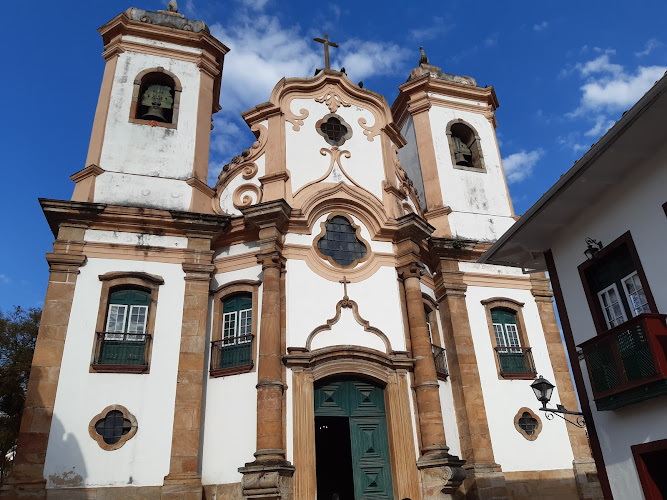
Basílica Nossa Senhora do Pilar
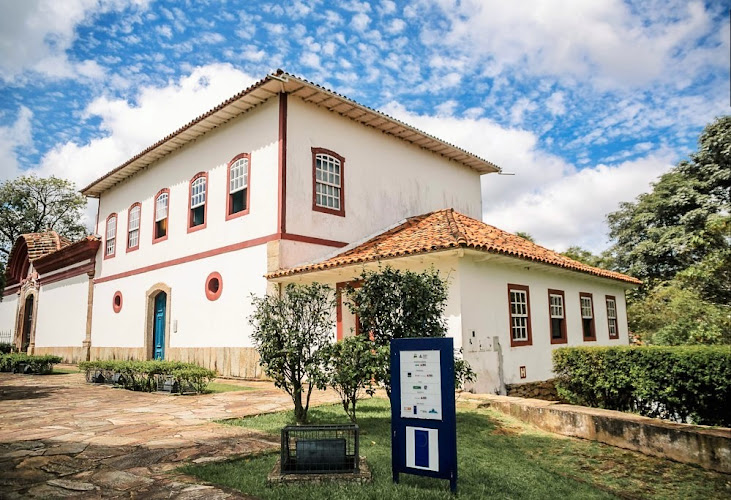
Oratory Museum

Itacolomi State Park
Find Accommodations Nearby
Recommended Tours & Activities
Visitor Reviews
There are no reviews yet. Be the first one to write one.
Share Your Experience
Have you visited Ladeira João de Paiva – Ouro Preto? Help other travelers by leaving a review.