Basque Block
About Basque Block
Description
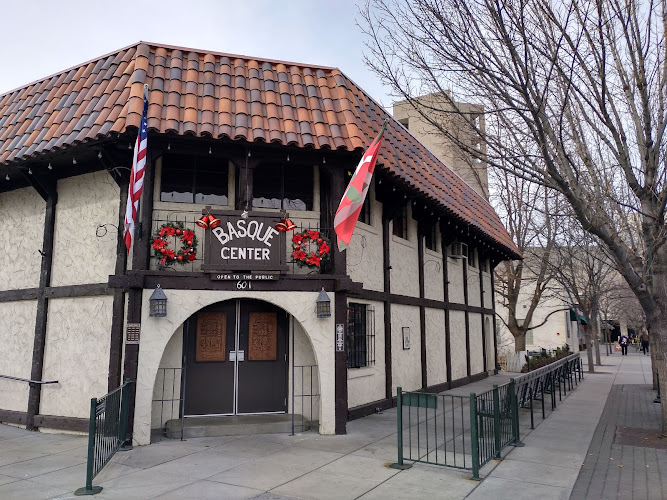
The Basque Block is one of those places that sneaks up on you. You might walk into it expecting a quick look around, maybe a photo or two, and then suddenly you realize an hour has passed and you’re still there, watching people dance, chatting with locals, or sniffing out what smells suspiciously like chorizo drifting through the air. It’s a cultural center and tourist attraction, sure, but it feels more like a living neighborhood than a museum. And that’s the point.
This small stretch of downtown is dedicated to preserving and sharing Basque heritage, which has deep roots in the area. If you didn’t grow up around Basque culture (I sure didn’t), the first visit can feel like stepping into a parallel world where language, food, and social customs follow slightly different rules. There’s a sense of pride here, but not the stiff, don’t-touch-anything kind. It’s warm, chatty, and often loud in the best way.
What really sets the Basque Block apart is how active it is. This isn’t a place that exists only for tourists to peer at from the sidewalk. People actually use it. Dancers rehearse and perform traditional routines that involve quick footwork and a lot of focus. Elders sit and talk, kids run around during festivals, and visitors like you kind of weave through it all, trying not to interrupt while also soaking everything in. I remember the first time I saw a Basque dance here, I had no idea what was happening, but I couldn’t stop watching. The rhythm just grabs you.
The space is thoughtfully designed for accessibility, which honestly makes a difference. Wheelchair-accessible entrances, restrooms, seating, and parking aren’t afterthoughts; they’re part of how the place works. That inclusivity extends beyond physical access too. You don’t need to know anything about Basque history to feel welcome. Curiosity is enough.
Facilities are modern and practical, with restrooms on-site and the ability to pay with credit or debit cards. That may sound boring, but when you’re traveling, those details matter more than you expect. Nobody wants to hunt for cash or wonder where the nearest restroom is when a performance runs long.
The overall vibe is positive, though not perfect. Like any cultural attraction that balances tradition and tourism, there are moments where it feels busy or a bit chaotic. But honestly, that’s part of its charm. It feels alive, not curated to death. And for travelers looking for something genuine, that aliveness is gold.
Key Features
- Dedicated cultural center celebrating Basque heritage through events, exhibits, and daily activity
- Traditional Basque dancing performances and rehearsals you can often watch in real time
- Wheelchair-accessible entrance, parking, seating, and restrooms throughout the area
- Onsite services that support events, gatherings, and visitor needs
- Restroom facilities available, which sounds small but feels huge when you’re exploring all day
- Payment flexibility with both credit and debit cards accepted
- A strong sense of community presence, not just a tourist façade
- Opportunities to hear the Basque language spoken casually, not just on signs or plaques
- Frequent cultural events that change depending on season and local calendars
Best Time to Visit
Timing your visit to the Basque Block can change the entire experience. If you show up on a quiet weekday morning, you’ll get a calmer, more reflective version of the place. It’s great for wandering, reading signage, and observing details without crowds. I like these slower visits because you notice things like the way people greet each other, or how the music echoes differently when fewer bodies are around.
But if you want energy, aim for weekends or festival days. That’s when the Basque Block really flexes its personality. Dances, music, and social gatherings spill into the open spaces, and it feels almost like a neighborhood party that you’ve been casually invited to join. Spring through early fall tends to be busiest, especially when the weather cooperates and events are scheduled back-to-back.
Summer is popular for a reason, but it can get crowded. If crowds stress you out, consider late spring or early fall. The weather is still comfortable, and you get a nice balance between activity and breathing room. Winter visits are quieter and more introspective. There may be fewer events, but you’ll see the cultural center in its everyday rhythm, which has its own appeal.
One tip from personal experience: check what’s happening before you go, even if you like surprises. I once stumbled into a dance rehearsal that turned into an impromptu performance, and it was incredible. Another time, I arrived expecting music and found a quieter day. Both were fine, but knowing what you’re walking into helps set expectations.
How to Get There
The Basque Block sits comfortably within the downtown area, which makes getting there relatively painless. If you’re staying nearby, walking is honestly the best option. You get a sense of how the neighborhood connects to the rest of the city, and you can linger without worrying about parking meters ticking away in your head.
For those driving in, there is wheelchair-accessible parking available, which is a big plus. Downtown parking can sometimes feel like a game of musical chairs, but with a little patience, it’s manageable. Public transportation is also an option, with routes that drop you within easy walking distance. Ride-shares work fine too, especially if you’re planning to visit during a busy event when parking might be tighter.
If you’re coming from out of town, the Basque Block is easy to fold into a larger downtown itinerary. You can pair it with nearby attractions, meals, or just a long afternoon of wandering. I’ve done that more than once, telling myself I’d stay for 20 minutes and then realizing it was almost dinner time.
Tips for Visiting
First tip: slow down. This isn’t a place you rush through. Give yourself time to watch, listen, and maybe even ask a question or two. People involved in keeping the culture alive are usually happy to explain what’s going on, especially if you show genuine interest.
Second, be respectful during performances and rehearsals. It might look informal, but these dances and traditions mean a lot to the people performing them. Watching quietly and applauding when appropriate goes a long way. And don’t be surprised if you feel a little emotional. I did, unexpectedly. Something about seeing traditions passed down in real time hits harder than reading about them.
Accessibility is strong here, but it’s still smart to plan ahead if you have specific needs. The good news is that entrances, restrooms, and seating are designed to be usable, not just technically compliant. That’s a big difference.
Bring curiosity and a flexible attitude. Not every visit will look the same. Some days are packed with activity, others are mellow. Both are valid, and both offer insight into Basque culture. If you’re the type who likes checking boxes, you might find that frustrating. But if you’re open to experiences unfolding naturally, you’ll probably love it.
Finally, don’t treat the Basque Block as a standalone photo stop. Spend money locally if you can, attend an event, sit and watch people interact. That’s how you support the place and get the most out of it. And who knows, you might leave with a new appreciation for a culture you hadn’t thought much about before. I certainly did.
Key Features
- Dedicated cultural center celebrating Basque heritage through events, exhibits, and daily activity
- Traditional Basque dancing performances and rehearsals you can often watch in real time
- Wheelchair-accessible entrance, parking, seating, and restrooms throughout the area
- Onsite services that support events, gatherings, and visitor needs
- Restroom facilities available, which sounds small but feels huge when you’re exploring all day
- Payment flexibility with both credit and debit cards accepted
- A strong sense of community presence, not just a tourist façade
- Opportunities to hear the Basque language spoken casually, not just on signs or plaques
More Details
Updated December 31, 2025
Table of Contents
Description
The Basque Block is one of those places that sneaks up on you. You might walk into it expecting a quick look around, maybe a photo or two, and then suddenly you realize an hour has passed and you’re still there, watching people dance, chatting with locals, or sniffing out what smells suspiciously like chorizo drifting through the air. It’s a cultural center and tourist attraction, sure, but it feels more like a living neighborhood than a museum. And that’s the point.
This small stretch of downtown is dedicated to preserving and sharing Basque heritage, which has deep roots in the area. If you didn’t grow up around Basque culture (I sure didn’t), the first visit can feel like stepping into a parallel world where language, food, and social customs follow slightly different rules. There’s a sense of pride here, but not the stiff, don’t-touch-anything kind. It’s warm, chatty, and often loud in the best way.
What really sets the Basque Block apart is how active it is. This isn’t a place that exists only for tourists to peer at from the sidewalk. People actually use it. Dancers rehearse and perform traditional routines that involve quick footwork and a lot of focus. Elders sit and talk, kids run around during festivals, and visitors like you kind of weave through it all, trying not to interrupt while also soaking everything in. I remember the first time I saw a Basque dance here, I had no idea what was happening, but I couldn’t stop watching. The rhythm just grabs you.
The space is thoughtfully designed for accessibility, which honestly makes a difference. Wheelchair-accessible entrances, restrooms, seating, and parking aren’t afterthoughts; they’re part of how the place works. That inclusivity extends beyond physical access too. You don’t need to know anything about Basque history to feel welcome. Curiosity is enough.
Facilities are modern and practical, with restrooms on-site and the ability to pay with credit or debit cards. That may sound boring, but when you’re traveling, those details matter more than you expect. Nobody wants to hunt for cash or wonder where the nearest restroom is when a performance runs long.
The overall vibe is positive, though not perfect. Like any cultural attraction that balances tradition and tourism, there are moments where it feels busy or a bit chaotic. But honestly, that’s part of its charm. It feels alive, not curated to death. And for travelers looking for something genuine, that aliveness is gold.
Key Features
- Dedicated cultural center celebrating Basque heritage through events, exhibits, and daily activity
- Traditional Basque dancing performances and rehearsals you can often watch in real time
- Wheelchair-accessible entrance, parking, seating, and restrooms throughout the area
- Onsite services that support events, gatherings, and visitor needs
- Restroom facilities available, which sounds small but feels huge when you’re exploring all day
- Payment flexibility with both credit and debit cards accepted
- A strong sense of community presence, not just a tourist façade
- Opportunities to hear the Basque language spoken casually, not just on signs or plaques
- Frequent cultural events that change depending on season and local calendars
Best Time to Visit
Timing your visit to the Basque Block can change the entire experience. If you show up on a quiet weekday morning, you’ll get a calmer, more reflective version of the place. It’s great for wandering, reading signage, and observing details without crowds. I like these slower visits because you notice things like the way people greet each other, or how the music echoes differently when fewer bodies are around.
But if you want energy, aim for weekends or festival days. That’s when the Basque Block really flexes its personality. Dances, music, and social gatherings spill into the open spaces, and it feels almost like a neighborhood party that you’ve been casually invited to join. Spring through early fall tends to be busiest, especially when the weather cooperates and events are scheduled back-to-back.
Summer is popular for a reason, but it can get crowded. If crowds stress you out, consider late spring or early fall. The weather is still comfortable, and you get a nice balance between activity and breathing room. Winter visits are quieter and more introspective. There may be fewer events, but you’ll see the cultural center in its everyday rhythm, which has its own appeal.
One tip from personal experience: check what’s happening before you go, even if you like surprises. I once stumbled into a dance rehearsal that turned into an impromptu performance, and it was incredible. Another time, I arrived expecting music and found a quieter day. Both were fine, but knowing what you’re walking into helps set expectations.
How to Get There
The Basque Block sits comfortably within the downtown area, which makes getting there relatively painless. If you’re staying nearby, walking is honestly the best option. You get a sense of how the neighborhood connects to the rest of the city, and you can linger without worrying about parking meters ticking away in your head.
For those driving in, there is wheelchair-accessible parking available, which is a big plus. Downtown parking can sometimes feel like a game of musical chairs, but with a little patience, it’s manageable. Public transportation is also an option, with routes that drop you within easy walking distance. Ride-shares work fine too, especially if you’re planning to visit during a busy event when parking might be tighter.
If you’re coming from out of town, the Basque Block is easy to fold into a larger downtown itinerary. You can pair it with nearby attractions, meals, or just a long afternoon of wandering. I’ve done that more than once, telling myself I’d stay for 20 minutes and then realizing it was almost dinner time.
Tips for Visiting
First tip: slow down. This isn’t a place you rush through. Give yourself time to watch, listen, and maybe even ask a question or two. People involved in keeping the culture alive are usually happy to explain what’s going on, especially if you show genuine interest.
Second, be respectful during performances and rehearsals. It might look informal, but these dances and traditions mean a lot to the people performing them. Watching quietly and applauding when appropriate goes a long way. And don’t be surprised if you feel a little emotional. I did, unexpectedly. Something about seeing traditions passed down in real time hits harder than reading about them.
Accessibility is strong here, but it’s still smart to plan ahead if you have specific needs. The good news is that entrances, restrooms, and seating are designed to be usable, not just technically compliant. That’s a big difference.
Bring curiosity and a flexible attitude. Not every visit will look the same. Some days are packed with activity, others are mellow. Both are valid, and both offer insight into Basque culture. If you’re the type who likes checking boxes, you might find that frustrating. But if you’re open to experiences unfolding naturally, you’ll probably love it.
Finally, don’t treat the Basque Block as a standalone photo stop. Spend money locally if you can, attend an event, sit and watch people interact. That’s how you support the place and get the most out of it. And who knows, you might leave with a new appreciation for a culture you hadn’t thought much about before. I certainly did.

Key Highlights
- Dedicated cultural center celebrating Basque heritage through events, exhibits, and daily activity
- Traditional Basque dancing performances and rehearsals you can often watch in real time
- Wheelchair-accessible entrance, parking, seating, and restrooms throughout the area
- Onsite services that support events, gatherings, and visitor needs
- Restroom facilities available, which sounds small but feels huge when you’re exploring all day
- Payment flexibility with both credit and debit cards accepted
- A strong sense of community presence, not just a tourist façade
- Opportunities to hear the Basque language spoken casually, not just on signs or plaques
Location
Places to Stay Near Basque Block
Find and Book a Tour
Explore More Travel Guides
No reviews found! Be the first to review!
Traveler Reviews for Basque Block
There are no reviews yet. Be the first one to write one.
Have you visited Basque Block? Help other travelers by sharing your review.
Find Accommodations Nearby
Recommended Tours & Activities
Visitor Reviews
There are no reviews yet. Be the first one to write one.
Share Your Experience
Have you visited Basque Block? Help other travelers by leaving a review.