Piracicaba
About Piracicaba
Description
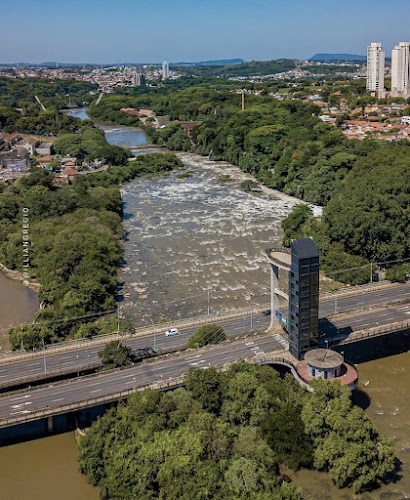
Piracicaba sits in the southeast of Brazil with a confidence that feels earned, not advertised. The city grew alongside the Piracicaba River, and you can sense that relationship everywhere, from the sound of rushing water near the falls to the way locals talk about the river as if it were a stubborn old friend. Travelers often overlook Piracicaba in favor of bigger names in São Paulo state, which is honestly part of its charm. It doesn’t perform for tourists. It just lives its life, and you’re invited to watch.
The urban layout mixes wide avenues with pockets of old architecture that refuse to disappear. One minute you’re walking past a modern café, the next you’re staring at a 19th-century structure that looks like it has a few stories it’s not done telling. The Alto do Mirante lookout is one of those places where the city suddenly makes sense. An elevator carries you up, smooth and quiet, and at the top the Piracicaba River cuts through the landscape in a way that feels deliberate. The view isn’t flashy, but it’s grounding. And yes, this writer remembers thinking, well, that escalated quickly, because the calm hits you all at once.
Piracicaba’s cultural identity leans heavily on its industrial and educational past. The old pump station turned Water Museum is a great example. Inside, you’ll find pipes, turbines, and mechanical solutions from another century. It’s surprisingly engaging, especially if you’ve ever wondered how cities kept running before everything went digital. Nearby, Engenho Central, once a sugar mill from the 1800s, has been repurposed into a cultural space with a theater. The brickwork alone is worth your time. And then there’s the Martha Watts Cultural Center, built on the first site of Piracicabano College, founded by a U.S. missionary. That international influence still echoes in subtle ways, like educational values and cultural exchange programs.
The city feels lived-in, not staged. Some streets are noisy, others slow to the point of silence. That balance makes Piracicaba appealing to travelers who enjoy observing daily life rather than rushing through landmarks. And if you’re the type who likes to sit with a coffee and watch the afternoon unfold, this place gets you.
Key Features
- Alto do Mirante lookout with panoramic views of the Piracicaba River and city skyline
- Water Museum housed in a preserved 19th-century pump station
- Engenho Central, an old sugar mill transformed into a theater and cultural venue
- Martha Watts Cultural Center highlighting the history of Piracicabano College
- Strong riverside culture with walking paths and informal gathering spots
- Blend of industrial heritage and modern urban life
- Less tourist traffic compared to larger São Paulo cities, which keeps things real
Best Time to Visit
The best time to visit Piracicaba is during the dry months, typically from May to September. Temperatures are mild, days are clearer, and walking around doesn’t feel like a battle against humidity. This is when the river views really shine, especially in the late afternoon when the light softens everything. Locals seem more relaxed too, which might be coincidence, but probably not.
Summer, from December to March, brings heat and rain. It’s not unbearable, but it can slow you down. On the upside, the city feels lush, and the river swells with energy. Festivals and cultural events pop up more frequently during this time, though schedules can be a bit unpredictable. If you don’t mind adjusting plans on the fly, summer has its rewards.
Spring and fall are the sweet spots for travelers who want balance. Fewer crowds, comfortable weather, and enough activity to keep things interesting. And honestly, Piracicaba doesn’t do bad seasons. It just does different moods.
How to Get There
Piracicaba is accessible from major hubs in São Paulo state, making it a practical addition to a broader Brazil itinerary. Most travelers arrive by road, as the city is well-connected via highways. Bus services run regularly from São Paulo city and nearby regional centers, offering a reliable and affordable option. The ride gives you a gradual transition from dense urban sprawl to more open landscapes, which sets the tone nicely.
For those driving, the roads are generally in good condition, and signage is clear enough that you won’t feel lost. Parking in central areas can be a bit tricky during peak hours, but patience usually pays off. Ride-sharing apps operate in the city too, and they’re often the easiest way to move around without worrying about directions.
While Piracicaba doesn’t have a major airport, nearby airports serve as convenient entry points. From there, ground transportation fills in the gap. It’s not complicated, just a couple of steps. And sometimes those in-between journeys end up being the most memorable part.
Tips for Visiting
First, give Piracicaba time. This isn’t a place you rush through in a checklist frenzy. Plan to stay at least two or three days so you can experience the rhythm of the city. Walk along the river in the morning, visit museums in the afternoon, and leave evenings open for wandering. Some of the best moments happen when you’re not chasing anything.
Second, talk to people. Locals are generally open and curious about visitors, especially since the city doesn’t see overwhelming tourism. Even basic Portuguese goes a long way. And if you mess it up, which happens to everyone, you’ll probably get a smile out of it. This writer once confused two words entirely and ended up being invited for coffee. Language is funny like that.
Third, respect the weather. Bring comfortable walking shoes, light clothing for warm days, and a layer for cooler evenings. Rain can appear suddenly, so a small umbrella isn’t a bad idea. Sunscreen is non-negotiable, even on cloudy days.
Food-wise, explore beyond obvious spots. Piracicaba has a strong local dining culture influenced by regional ingredients and traditional recipes. Ask for recommendations, especially near the river. Portions tend to be generous, so come hungry. Or don’t, and take leftovers. No one judges.
Finally, approach Piracicaba with curiosity rather than expectations. It doesn’t try to impress, and that’s exactly why it does. The city reveals itself slowly, through views from a lookout, the hum of old machinery in a museum, or a quiet moment by the river. If you let it, Piracicaba sticks with you. And you might find yourself thinking about it long after you’ve left, wondering when you can come back.
Key Features
- Alto do Mirante lookout with panoramic views of the Piracicaba River and city skyline
- Water Museum housed in a preserved 19th-century pump station
- Engenho Central, an old sugar mill transformed into a theater and cultural venue
- Martha Watts Cultural Center highlighting the history of Piracicabano College
- Strong riverside culture with walking paths and informal gathering spots
- Blend of industrial heritage and modern urban life
- Less tourist traffic compared to larger São Paulo cities, which keeps things real
More Details
Updated December 31, 2025
Table of Contents
Description
Piracicaba sits in the southeast of Brazil with a confidence that feels earned, not advertised. The city grew alongside the Piracicaba River, and you can sense that relationship everywhere, from the sound of rushing water near the falls to the way locals talk about the river as if it were a stubborn old friend. Travelers often overlook Piracicaba in favor of bigger names in São Paulo state, which is honestly part of its charm. It doesn’t perform for tourists. It just lives its life, and you’re invited to watch.
The urban layout mixes wide avenues with pockets of old architecture that refuse to disappear. One minute you’re walking past a modern café, the next you’re staring at a 19th-century structure that looks like it has a few stories it’s not done telling. The Alto do Mirante lookout is one of those places where the city suddenly makes sense. An elevator carries you up, smooth and quiet, and at the top the Piracicaba River cuts through the landscape in a way that feels deliberate. The view isn’t flashy, but it’s grounding. And yes, this writer remembers thinking, well, that escalated quickly, because the calm hits you all at once.
Piracicaba’s cultural identity leans heavily on its industrial and educational past. The old pump station turned Water Museum is a great example. Inside, you’ll find pipes, turbines, and mechanical solutions from another century. It’s surprisingly engaging, especially if you’ve ever wondered how cities kept running before everything went digital. Nearby, Engenho Central, once a sugar mill from the 1800s, has been repurposed into a cultural space with a theater. The brickwork alone is worth your time. And then there’s the Martha Watts Cultural Center, built on the first site of Piracicabano College, founded by a U.S. missionary. That international influence still echoes in subtle ways, like educational values and cultural exchange programs.
The city feels lived-in, not staged. Some streets are noisy, others slow to the point of silence. That balance makes Piracicaba appealing to travelers who enjoy observing daily life rather than rushing through landmarks. And if you’re the type who likes to sit with a coffee and watch the afternoon unfold, this place gets you.
Key Features
- Alto do Mirante lookout with panoramic views of the Piracicaba River and city skyline
- Water Museum housed in a preserved 19th-century pump station
- Engenho Central, an old sugar mill transformed into a theater and cultural venue
- Martha Watts Cultural Center highlighting the history of Piracicabano College
- Strong riverside culture with walking paths and informal gathering spots
- Blend of industrial heritage and modern urban life
- Less tourist traffic compared to larger São Paulo cities, which keeps things real
Best Time to Visit
The best time to visit Piracicaba is during the dry months, typically from May to September. Temperatures are mild, days are clearer, and walking around doesn’t feel like a battle against humidity. This is when the river views really shine, especially in the late afternoon when the light softens everything. Locals seem more relaxed too, which might be coincidence, but probably not.
Summer, from December to March, brings heat and rain. It’s not unbearable, but it can slow you down. On the upside, the city feels lush, and the river swells with energy. Festivals and cultural events pop up more frequently during this time, though schedules can be a bit unpredictable. If you don’t mind adjusting plans on the fly, summer has its rewards.
Spring and fall are the sweet spots for travelers who want balance. Fewer crowds, comfortable weather, and enough activity to keep things interesting. And honestly, Piracicaba doesn’t do bad seasons. It just does different moods.
How to Get There
Piracicaba is accessible from major hubs in São Paulo state, making it a practical addition to a broader Brazil itinerary. Most travelers arrive by road, as the city is well-connected via highways. Bus services run regularly from São Paulo city and nearby regional centers, offering a reliable and affordable option. The ride gives you a gradual transition from dense urban sprawl to more open landscapes, which sets the tone nicely.
For those driving, the roads are generally in good condition, and signage is clear enough that you won’t feel lost. Parking in central areas can be a bit tricky during peak hours, but patience usually pays off. Ride-sharing apps operate in the city too, and they’re often the easiest way to move around without worrying about directions.
While Piracicaba doesn’t have a major airport, nearby airports serve as convenient entry points. From there, ground transportation fills in the gap. It’s not complicated, just a couple of steps. And sometimes those in-between journeys end up being the most memorable part.
Tips for Visiting
First, give Piracicaba time. This isn’t a place you rush through in a checklist frenzy. Plan to stay at least two or three days so you can experience the rhythm of the city. Walk along the river in the morning, visit museums in the afternoon, and leave evenings open for wandering. Some of the best moments happen when you’re not chasing anything.
Second, talk to people. Locals are generally open and curious about visitors, especially since the city doesn’t see overwhelming tourism. Even basic Portuguese goes a long way. And if you mess it up, which happens to everyone, you’ll probably get a smile out of it. This writer once confused two words entirely and ended up being invited for coffee. Language is funny like that.
Third, respect the weather. Bring comfortable walking shoes, light clothing for warm days, and a layer for cooler evenings. Rain can appear suddenly, so a small umbrella isn’t a bad idea. Sunscreen is non-negotiable, even on cloudy days.
Food-wise, explore beyond obvious spots. Piracicaba has a strong local dining culture influenced by regional ingredients and traditional recipes. Ask for recommendations, especially near the river. Portions tend to be generous, so come hungry. Or don’t, and take leftovers. No one judges.
Finally, approach Piracicaba with curiosity rather than expectations. It doesn’t try to impress, and that’s exactly why it does. The city reveals itself slowly, through views from a lookout, the hum of old machinery in a museum, or a quiet moment by the river. If you let it, Piracicaba sticks with you. And you might find yourself thinking about it long after you’ve left, wondering when you can come back.

Key Highlights
- Alto do Mirante lookout with panoramic views of the Piracicaba River and city skyline
- Water Museum housed in a preserved 19th-century pump station
- Engenho Central, an old sugar mill transformed into a theater and cultural venue
- Martha Watts Cultural Center highlighting the history of Piracicabano College
- Strong riverside culture with walking paths and informal gathering spots
- Blend of industrial heritage and modern urban life
- Less tourist traffic compared to larger São Paulo cities, which keeps things real
Location
Places to Stay Near Piracicaba
Find and Book a Tour
Explore More Travel Guides
No reviews found! Be the first to review!
Traveler Reviews for Piracicaba
There are no reviews yet. Be the first one to write one.
Have you visited Piracicaba? Help other travelers by sharing your review.
Find Accommodations Nearby
Recommended Tours & Activities
Visitor Reviews
There are no reviews yet. Be the first one to write one.
Share Your Experience
Have you visited Piracicaba? Help other travelers by leaving a review.