
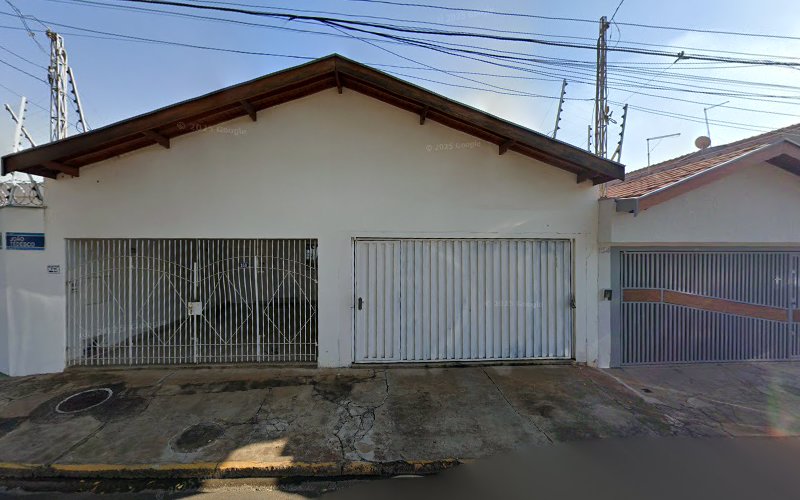
R. João Tedesco, 154 – Água Branca
About R. João Tedesco, 154 – Água Branca
Description
This spot in Água Branca sits in that interesting in-between zone of São Paulo where daily life and visitor curiosity overlap. It’s not a postcard landmark, and honestly, that’s part of the appeal. Travelers who end up around R. João Tedesco usually aren’t chasing shiny attractions; they’re here to understand how the neighborhood actually works, how people live, commute, eat, and wind down after work. And if you’re the kind of traveler who likes peeling back the surface of a city, you’ll probably enjoy this area more than you expect.
Água Branca itself has a layered personality. Historically tied to railways and industry, the district has been slowly reshaped by residential developments, cultural spaces, and small businesses that feel stubbornly local. Walking through the streets nearby, you’ll notice modest apartment buildings, mechanics with doors half-open, bakeries that smell like fresh pão francês at 7 a.m., and the occasional new café trying to look cooler than it probably is. It’s São Paulo in its everyday clothes.
I remember wandering through this part of town on a random Tuesday afternoon, no plan, phone battery dying (classic). What struck me wasn’t any single attraction, but the rhythm. People moving with purpose. Buses rumbling past. A dog barking from a balcony above. It felt grounded. Travelers often miss this version of São Paulo because they’re rushing between headline neighborhoods. But slowing down here shows you how massive cities actually breathe.
For visitors, this location works best as a base or a pause point. It’s close enough to bigger cultural and commercial areas without the chaos that comes with them. You’re not in a tourist bubble, and that can be refreshing. But, fair warning, it’s also not polished. Sidewalks can be uneven, signage isn’t always obvious, and English isn’t widely spoken. Still, that’s part of the real deal, right?
Key Features
- Located in a lived-in section of Água Branca, offering an authentic São Paulo neighborhood feel
- Good access to public transportation, including buses and nearby train connections
- Surrounded by everyday amenities like bakeries, pharmacies, and casual eateries
- Close to large urban green areas and cultural venues without being directly inside tourist zones
- Relatively quieter at night compared to central districts, though still active
- Architecture that reflects São Paulo’s mid-to-late 20th century growth rather than flashy new builds
Best Time to Visit
São Paulo doesn’t have dramatic seasons, but timing still matters. For this part of Água Branca, the sweet spot is between April and October. You’ll get drier days, cooler evenings, and fewer of those sudden downpours that appear out of nowhere and soak you to your socks. Trust me, I’ve learned that lesson the wet way.
Weekdays feel busier and more energetic, especially mornings and late afternoons when people commute. If you like observing local routines, grab a coffee early and sit near the street. It’s oddly entertaining. Weekends slow things down a bit, especially Sundays, when some shops close and the streets feel more relaxed. That’s when the neighborhood feels almost village-like, which is wild considering you’re still in one of the largest cities in the world.
As for time of day, daylight hours are best if you’re walking around and exploring. At night, it’s generally fine, but like anywhere in São Paulo, awareness is key. Evening visits are better suited for heading to dinner or catching an event nearby rather than aimless wandering.
How to Get There
Getting to this part of Água Branca is pretty straightforward, even if São Paulo’s scale looks intimidating at first. Public transportation is your friend here. Trains and buses connect the neighborhood to central hubs and other districts, and they’re used by everyone, all the time. If you’re coming from areas like Barra Funda or Perdizes, the journey is short and efficient.
Ride-hailing apps are another solid option, especially if you’re arriving with luggage or after a long day. Traffic can be unpredictable, though. Sometimes a trip that should take 15 minutes magically turns into 45. That’s São Paulo logic. If you’re driving, expect narrow streets and limited parking. Honestly, unless you really need a car, you’re better off without one.
Walking around once you’re there is doable, but wear comfortable shoes. Sidewalks vary in quality, and you’ll be stepping up and down a lot. I once thought, “I’ll just wear these nice shoes for a quick stroll.” Bad idea. Learn from my mistakes.
Tips for Visiting
First tip: come curious, not judgmental. This isn’t a curated experience. It’s real life. Some travelers expect instant charm and get confused when they don’t see it immediately. Give it time. Sit in a local café. Watch how people interact. The charm is subtle but genuine.
Second, basic Portuguese goes a long way. Even simple phrases make interactions smoother and warmer. People here are helpful, but English isn’t common. When I butchered my first attempt at ordering coffee in Portuguese, the woman behind the counter laughed, corrected me, and then gave me an extra pastry. True story.
Third, stay street-smart. Keep valuables discreet, avoid flashing your phone too much, and trust your instincts. This area isn’t especially dangerous, but it’s still a big city neighborhood. Common sense beats fear every time.
Fourth, use this location strategically. It’s a great jumping-off point to explore western São Paulo, especially cultural venues, markets, and parks nearby. Start your mornings early, head out, then return in the evening when things calm down.
And finally, allow yourself to do nothing here. No checklist. No must-see pressure. Some of my best travel memories come from places like this, where nothing dramatic happened, but everything felt honest. Sitting on a random bench, listening to the city hum, realizing you’re not just visiting São Paulo, you’re momentarily part of it. That’s a rare kind of travel win, if you ask me.
Key Features
- Located in a lived-in section of Água Branca, offering an authentic São Paulo neighborhood feel
- Good access to public transportation, including buses and nearby train connections
- Surrounded by everyday amenities like bakeries, pharmacies, and casual eateries
- Close to large urban green areas and cultural venues without being directly inside tourist zones
- Relatively quieter at night compared to central districts, though still active
- Architecture that reflects São Paulo’s mid-to-late 20th century growth rather than flashy new builds
More Details
Updated December 31, 2025
Table of Contents
- Description
- Key Features
- Best Time to Visit
- How to Get There
- Tips for Visiting
- Key Highlights
- Location
- Places to Stay Near R. João Tedesco, 154 - Água Branca
- Find and Book a Tour
- Explore More Travel Guides
- Nearby Places You Might Like
- Traveler Reviews for R. João Tedesco, 154 – Água Branca
- Share Your Experience
Description
This spot in Água Branca sits in that interesting in-between zone of São Paulo where daily life and visitor curiosity overlap. It’s not a postcard landmark, and honestly, that’s part of the appeal. Travelers who end up around R. João Tedesco usually aren’t chasing shiny attractions; they’re here to understand how the neighborhood actually works, how people live, commute, eat, and wind down after work. And if you’re the kind of traveler who likes peeling back the surface of a city, you’ll probably enjoy this area more than you expect.
Água Branca itself has a layered personality. Historically tied to railways and industry, the district has been slowly reshaped by residential developments, cultural spaces, and small businesses that feel stubbornly local. Walking through the streets nearby, you’ll notice modest apartment buildings, mechanics with doors half-open, bakeries that smell like fresh pão francês at 7 a.m., and the occasional new café trying to look cooler than it probably is. It’s São Paulo in its everyday clothes.
I remember wandering through this part of town on a random Tuesday afternoon, no plan, phone battery dying (classic). What struck me wasn’t any single attraction, but the rhythm. People moving with purpose. Buses rumbling past. A dog barking from a balcony above. It felt grounded. Travelers often miss this version of São Paulo because they’re rushing between headline neighborhoods. But slowing down here shows you how massive cities actually breathe.
For visitors, this location works best as a base or a pause point. It’s close enough to bigger cultural and commercial areas without the chaos that comes with them. You’re not in a tourist bubble, and that can be refreshing. But, fair warning, it’s also not polished. Sidewalks can be uneven, signage isn’t always obvious, and English isn’t widely spoken. Still, that’s part of the real deal, right?
Key Features
- Located in a lived-in section of Água Branca, offering an authentic São Paulo neighborhood feel
- Good access to public transportation, including buses and nearby train connections
- Surrounded by everyday amenities like bakeries, pharmacies, and casual eateries
- Close to large urban green areas and cultural venues without being directly inside tourist zones
- Relatively quieter at night compared to central districts, though still active
- Architecture that reflects São Paulo’s mid-to-late 20th century growth rather than flashy new builds
Best Time to Visit
São Paulo doesn’t have dramatic seasons, but timing still matters. For this part of Água Branca, the sweet spot is between April and October. You’ll get drier days, cooler evenings, and fewer of those sudden downpours that appear out of nowhere and soak you to your socks. Trust me, I’ve learned that lesson the wet way.
Weekdays feel busier and more energetic, especially mornings and late afternoons when people commute. If you like observing local routines, grab a coffee early and sit near the street. It’s oddly entertaining. Weekends slow things down a bit, especially Sundays, when some shops close and the streets feel more relaxed. That’s when the neighborhood feels almost village-like, which is wild considering you’re still in one of the largest cities in the world.
As for time of day, daylight hours are best if you’re walking around and exploring. At night, it’s generally fine, but like anywhere in São Paulo, awareness is key. Evening visits are better suited for heading to dinner or catching an event nearby rather than aimless wandering.
How to Get There
Getting to this part of Água Branca is pretty straightforward, even if São Paulo’s scale looks intimidating at first. Public transportation is your friend here. Trains and buses connect the neighborhood to central hubs and other districts, and they’re used by everyone, all the time. If you’re coming from areas like Barra Funda or Perdizes, the journey is short and efficient.
Ride-hailing apps are another solid option, especially if you’re arriving with luggage or after a long day. Traffic can be unpredictable, though. Sometimes a trip that should take 15 minutes magically turns into 45. That’s São Paulo logic. If you’re driving, expect narrow streets and limited parking. Honestly, unless you really need a car, you’re better off without one.
Walking around once you’re there is doable, but wear comfortable shoes. Sidewalks vary in quality, and you’ll be stepping up and down a lot. I once thought, “I’ll just wear these nice shoes for a quick stroll.” Bad idea. Learn from my mistakes.
Tips for Visiting
First tip: come curious, not judgmental. This isn’t a curated experience. It’s real life. Some travelers expect instant charm and get confused when they don’t see it immediately. Give it time. Sit in a local café. Watch how people interact. The charm is subtle but genuine.
Second, basic Portuguese goes a long way. Even simple phrases make interactions smoother and warmer. People here are helpful, but English isn’t common. When I butchered my first attempt at ordering coffee in Portuguese, the woman behind the counter laughed, corrected me, and then gave me an extra pastry. True story.
Third, stay street-smart. Keep valuables discreet, avoid flashing your phone too much, and trust your instincts. This area isn’t especially dangerous, but it’s still a big city neighborhood. Common sense beats fear every time.
Fourth, use this location strategically. It’s a great jumping-off point to explore western São Paulo, especially cultural venues, markets, and parks nearby. Start your mornings early, head out, then return in the evening when things calm down.
And finally, allow yourself to do nothing here. No checklist. No must-see pressure. Some of my best travel memories come from places like this, where nothing dramatic happened, but everything felt honest. Sitting on a random bench, listening to the city hum, realizing you’re not just visiting São Paulo, you’re momentarily part of it. That’s a rare kind of travel win, if you ask me.
Key Highlights
- Located in a lived-in section of Água Branca, offering an authentic São Paulo neighborhood feel
- Good access to public transportation, including buses and nearby train connections
- Surrounded by everyday amenities like bakeries, pharmacies, and casual eateries
- Close to large urban green areas and cultural venues without being directly inside tourist zones
- Relatively quieter at night compared to central districts, though still active
- Architecture that reflects São Paulo’s mid-to-late 20th century growth rather than flashy new builds
Location
Places to Stay Near R. João Tedesco, 154 - Água Branca
Find and Book a Tour
Explore More Travel Guides
No reviews found! Be the first to review!
Traveler Reviews for R. João Tedesco, 154 – Água Branca
There are no reviews yet. Be the first one to write one.
Have you visited R. João Tedesco, 154 – Água Branca? Help other travelers by sharing your review.
You Might Also Like
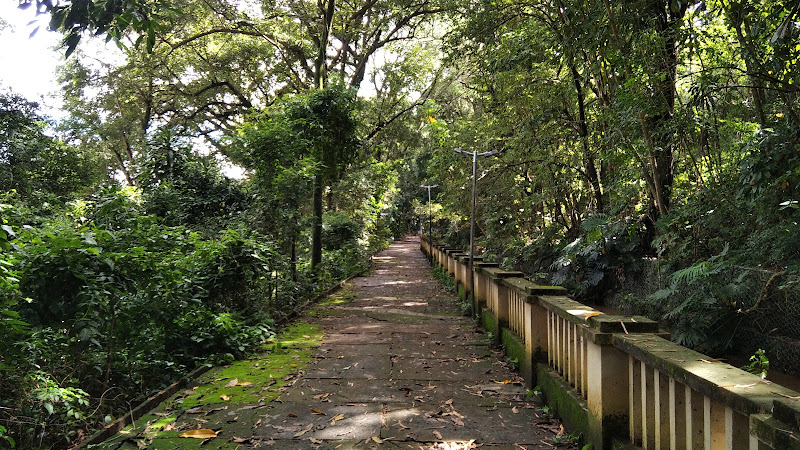
Parque do Mirante Ladice Soriano Salgot
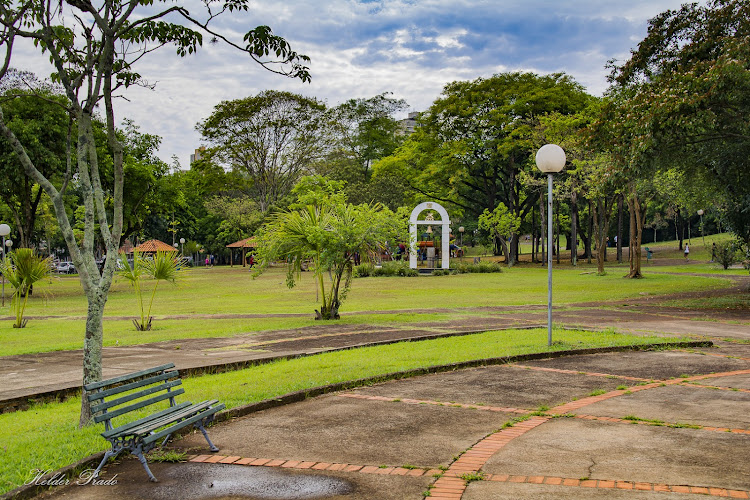
Marco da Paz
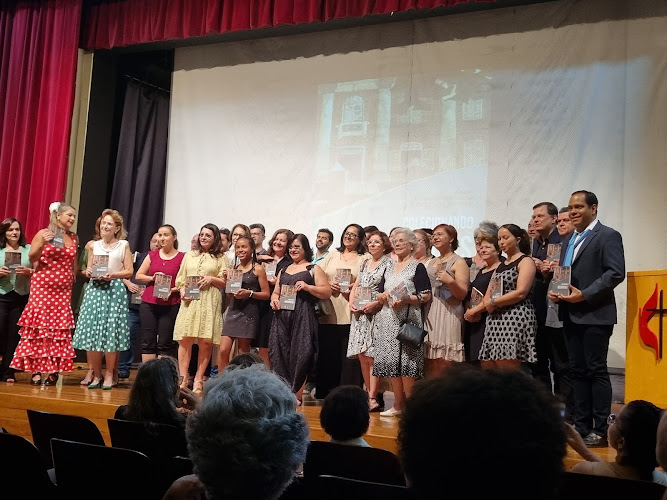
Centro Cultural Martha Watts
Find Accommodations Nearby
Recommended Tours & Activities
Visitor Reviews
There are no reviews yet. Be the first one to write one.
Share Your Experience
Have you visited R. João Tedesco, 154 – Água Branca? Help other travelers by leaving a review.