
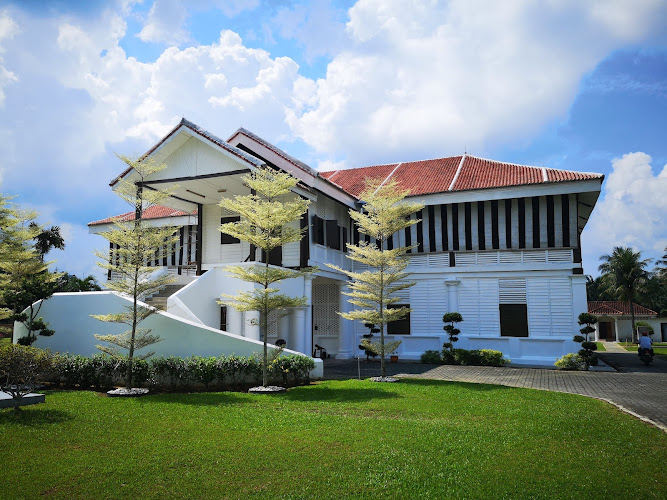
Kota Ngah Ibrahim
About Kota Ngah Ibrahim
Description
Kota Ngah Ibrahim is one of those places that doesn’t shout for attention. It sits quietly, letting its walls and cannons do the talking, and if you give it a bit of time, it starts whispering stories about power struggles, ambition, and the kind of politics that were settled with forts instead of press conferences. This historical landmark, now functioning as a small museum and tourist attraction, was built in the early 19th century by Ngah Ibrahim, a key figure in Kedah’s turbulent history. And yes, you can feel that turbulence when you walk around. I did, anyway. The air feels heavier somehow, like it remembers things.
For travelers interested in Malaysian history beyond the usual textbook summaries, Kota Ngah Ibrahim offers a grounded, almost intimate look at the past. It’s not flashy. There are no massive crowds or over-the-top exhibits. But that’s kind of the point. You get to explore a real fortification that once played a strategic role in local governance and resistance. The thick laterite walls, old cannons pointing outward, and the layout of the fort give you a solid sense of how defense and authority worked back then.
The museum inside adds another layer. It houses artifacts, old photographs, and written explanations that outline the political drama surrounding Ngah Ibrahim and the British involvement in Kedah. Some displays feel a bit dated, sure, but that oddly adds to the charm. It reminded me of visiting small-town museums as a kid, where the passion mattered more than perfect lighting or fancy screens. And honestly, that sincerity shows.
Families often come here, and it works surprisingly well for kids. There’s space to roam, things to touch (or at least get close to), and stories that can be told in a simple, dramatic way. I once overheard a father explaining the cannons to his son, making sound effects and all. The kid was hooked. That’s the magic of a place like this. It invites imagination.
Sentiment around the site tends to land on the positive side, though not without some honest critiques. Some travelers expect a grander experience and leave feeling it was a bit smaller or quieter than imagined. But those who come with curiosity, and not a checklist, usually walk away satisfied. Personally, I think Kota Ngah Ibrahim rewards patience. If you rush it, you’ll miss the good stuff.
Key Features
- Historic Fort Structure: Thick laterite walls, original layout, and a sense of real military architecture from the 1800s.
- Traditional Cannons: Positioned around the fort, these give insight into defensive strategies of the era.
- On-site Museum: Displays artifacts, documents, and visuals related to Ngah Ibrahim and Kedah history.
- Kid-Friendly Grounds: Open spaces and tangible history make it engaging for younger visitors.
- Wheelchair Accessible Parking: Accessibility is thoughtfully considered, which matters more than people admit.
- Quiet Atmosphere: Less crowded than major attractions, ideal for slow exploration and reflection.
- Educational Signage: Clear explanations that don’t overwhelm you with jargon.
Best Time to Visit
The best time to visit Kota Ngah Ibrahim is during the dry months, typically from December to February. The weather is kinder, and walking around the fort doesn’t feel like an endurance test. I once visited during a hotter period, and let me tell you, standing near stone walls that have been soaking up heat all day is not fun. You’ll still enjoy it, but you’ll sweat through your shirt. Consider yourself warned.
Morning visits are ideal. The light is softer, which makes for better photos, and the place feels calmer. There’s something about early hours at historical sites. It’s like you’re sharing the space with the past before the present fully wakes up. Weekdays are also better if you prefer quiet. Weekends can bring in families and school groups, which adds energy but also noise.
If you’re traveling during school holidays, expect more kids running around. Not a bad thing, just different vibes. And if you’re the reflective type, maybe aim for off-peak days. Rainy days? Honestly, I’d skip those. The grounds can get slippery, and the experience loses some of its charm when you’re dodging puddles.
How to Get There
Getting to Kota Ngah Ibrahim is fairly straightforward if you’re already in Kedah or nearby regions. Most travelers opt to drive, which gives you flexibility and saves time. Roads leading to the site are generally well-maintained, and signage is decent enough that you won’t feel lost, even if you’re not a local.
Public transport is possible, though it may require a bit of patience and planning. You might need to combine buses with a short walk or a ride-hailing service. Personally, I prefer the freedom of having my own transport when visiting historical landmarks like this. It allows for spontaneous stops and lingering longer if a place grabs you. And Kota Ngah Ibrahim does have that effect.
If you’re traveling with family or in a small group, hiring a car makes sense. Parking is available, including wheelchair accessible spaces, which is a relief. There’s nothing worse than arriving somewhere meaningful and then stressing about logistics. Here, at least, that part is handled.
Tips for Visiting
First tip, and I say this from experience: take your time. This isn’t a place to rush through in 20 minutes. Walk the perimeter. Read the signs. Sit for a bit and imagine what it was like when this fort was active. Sounds cheesy, I know, but it works.
Wear comfortable shoes. The ground can be uneven in places, and you’ll want to explore without worrying about slipping or sore feet. Bring water too, especially if you’re visiting midday. Shade is available, but not everywhere.
If you’re visiting with kids, turn it into a story. Ask them questions. Let them guess what certain rooms were used for. I’ve seen kids light up when they’re included like that. And it makes the visit more memorable for everyone.
Photography is allowed, and while it’s not Instagram-perfect in a glossy way, there’s beauty in the textures and angles. The cannons against the sky, the old walls with creeping moss, those details matter. Just be respectful. This is a historical site, not a playground, even if kids are welcome.
Don’t expect a massive gift shop or café. Plan your meals elsewhere. This place is about history, not souvenirs. And honestly, I like that. It keeps the focus where it should be.
Lastly, come with an open mind. Some visitors leave feeling underwhelmed because they expected more spectacle. But if you appreciate subtlety, authenticity, and stories that aren’t neatly packaged, Kota Ngah Ibrahim delivers. It’s a reminder that history doesn’t always come with fireworks. Sometimes it just sits there, waiting for you to notice.
Key Features
- Key Features
- Best Time to Visit
- How to Get There
- Tips for Visiting
More Details
Updated December 31, 2025
Table of Contents
Description
Kota Ngah Ibrahim is one of those places that doesn’t shout for attention. It sits quietly, letting its walls and cannons do the talking, and if you give it a bit of time, it starts whispering stories about power struggles, ambition, and the kind of politics that were settled with forts instead of press conferences. This historical landmark, now functioning as a small museum and tourist attraction, was built in the early 19th century by Ngah Ibrahim, a key figure in Kedah’s turbulent history. And yes, you can feel that turbulence when you walk around. I did, anyway. The air feels heavier somehow, like it remembers things.
For travelers interested in Malaysian history beyond the usual textbook summaries, Kota Ngah Ibrahim offers a grounded, almost intimate look at the past. It’s not flashy. There are no massive crowds or over-the-top exhibits. But that’s kind of the point. You get to explore a real fortification that once played a strategic role in local governance and resistance. The thick laterite walls, old cannons pointing outward, and the layout of the fort give you a solid sense of how defense and authority worked back then.
The museum inside adds another layer. It houses artifacts, old photographs, and written explanations that outline the political drama surrounding Ngah Ibrahim and the British involvement in Kedah. Some displays feel a bit dated, sure, but that oddly adds to the charm. It reminded me of visiting small-town museums as a kid, where the passion mattered more than perfect lighting or fancy screens. And honestly, that sincerity shows.
Families often come here, and it works surprisingly well for kids. There’s space to roam, things to touch (or at least get close to), and stories that can be told in a simple, dramatic way. I once overheard a father explaining the cannons to his son, making sound effects and all. The kid was hooked. That’s the magic of a place like this. It invites imagination.
Sentiment around the site tends to land on the positive side, though not without some honest critiques. Some travelers expect a grander experience and leave feeling it was a bit smaller or quieter than imagined. But those who come with curiosity, and not a checklist, usually walk away satisfied. Personally, I think Kota Ngah Ibrahim rewards patience. If you rush it, you’ll miss the good stuff.
Key Features
- Historic Fort Structure: Thick laterite walls, original layout, and a sense of real military architecture from the 1800s.
- Traditional Cannons: Positioned around the fort, these give insight into defensive strategies of the era.
- On-site Museum: Displays artifacts, documents, and visuals related to Ngah Ibrahim and Kedah history.
- Kid-Friendly Grounds: Open spaces and tangible history make it engaging for younger visitors.
- Wheelchair Accessible Parking: Accessibility is thoughtfully considered, which matters more than people admit.
- Quiet Atmosphere: Less crowded than major attractions, ideal for slow exploration and reflection.
- Educational Signage: Clear explanations that don’t overwhelm you with jargon.
Best Time to Visit
The best time to visit Kota Ngah Ibrahim is during the dry months, typically from December to February. The weather is kinder, and walking around the fort doesn’t feel like an endurance test. I once visited during a hotter period, and let me tell you, standing near stone walls that have been soaking up heat all day is not fun. You’ll still enjoy it, but you’ll sweat through your shirt. Consider yourself warned.
Morning visits are ideal. The light is softer, which makes for better photos, and the place feels calmer. There’s something about early hours at historical sites. It’s like you’re sharing the space with the past before the present fully wakes up. Weekdays are also better if you prefer quiet. Weekends can bring in families and school groups, which adds energy but also noise.
If you’re traveling during school holidays, expect more kids running around. Not a bad thing, just different vibes. And if you’re the reflective type, maybe aim for off-peak days. Rainy days? Honestly, I’d skip those. The grounds can get slippery, and the experience loses some of its charm when you’re dodging puddles.
How to Get There
Getting to Kota Ngah Ibrahim is fairly straightforward if you’re already in Kedah or nearby regions. Most travelers opt to drive, which gives you flexibility and saves time. Roads leading to the site are generally well-maintained, and signage is decent enough that you won’t feel lost, even if you’re not a local.
Public transport is possible, though it may require a bit of patience and planning. You might need to combine buses with a short walk or a ride-hailing service. Personally, I prefer the freedom of having my own transport when visiting historical landmarks like this. It allows for spontaneous stops and lingering longer if a place grabs you. And Kota Ngah Ibrahim does have that effect.
If you’re traveling with family or in a small group, hiring a car makes sense. Parking is available, including wheelchair accessible spaces, which is a relief. There’s nothing worse than arriving somewhere meaningful and then stressing about logistics. Here, at least, that part is handled.
Tips for Visiting
First tip, and I say this from experience: take your time. This isn’t a place to rush through in 20 minutes. Walk the perimeter. Read the signs. Sit for a bit and imagine what it was like when this fort was active. Sounds cheesy, I know, but it works.
Wear comfortable shoes. The ground can be uneven in places, and you’ll want to explore without worrying about slipping or sore feet. Bring water too, especially if you’re visiting midday. Shade is available, but not everywhere.
If you’re visiting with kids, turn it into a story. Ask them questions. Let them guess what certain rooms were used for. I’ve seen kids light up when they’re included like that. And it makes the visit more memorable for everyone.
Photography is allowed, and while it’s not Instagram-perfect in a glossy way, there’s beauty in the textures and angles. The cannons against the sky, the old walls with creeping moss, those details matter. Just be respectful. This is a historical site, not a playground, even if kids are welcome.
Don’t expect a massive gift shop or café. Plan your meals elsewhere. This place is about history, not souvenirs. And honestly, I like that. It keeps the focus where it should be.
Lastly, come with an open mind. Some visitors leave feeling underwhelmed because they expected more spectacle. But if you appreciate subtlety, authenticity, and stories that aren’t neatly packaged, Kota Ngah Ibrahim delivers. It’s a reminder that history doesn’t always come with fireworks. Sometimes it just sits there, waiting for you to notice.
Key Highlights
- Key Features
- Best Time to Visit
- How to Get There
- Tips for Visiting
Location
Places to Stay Near Kota Ngah Ibrahim
Find and Book a Tour
Explore More Travel Guides
No reviews found! Be the first to review!
Traveler Reviews for Kota Ngah Ibrahim
There are no reviews yet. Be the first one to write one.
Have you visited Kota Ngah Ibrahim? Help other travelers by sharing your review.
You Might Also Like
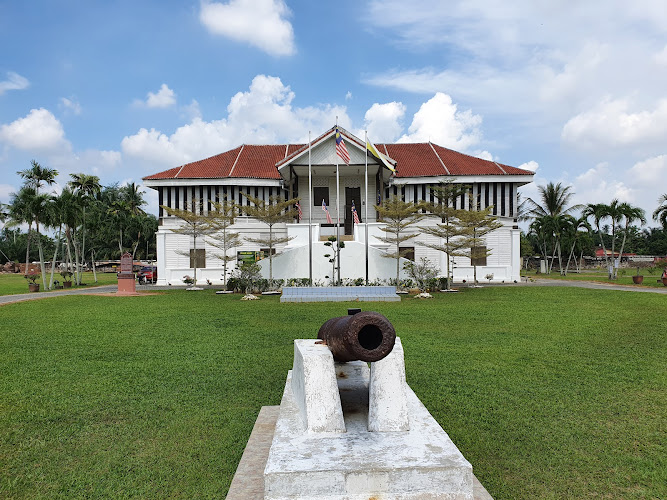
Matang Museum
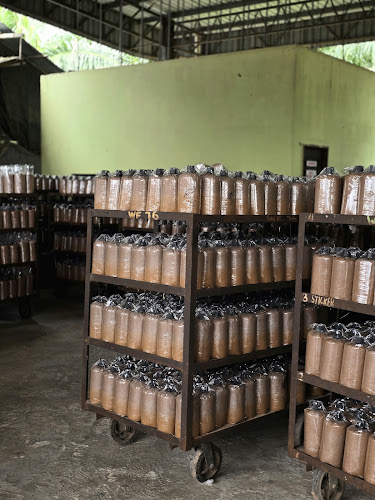
Wonder Farm Mushroom
Find Accommodations Nearby
Recommended Tours & Activities
Visitor Reviews
There are no reviews yet. Be the first one to write one.
Share Your Experience
Have you visited Kota Ngah Ibrahim? Help other travelers by leaving a review.