
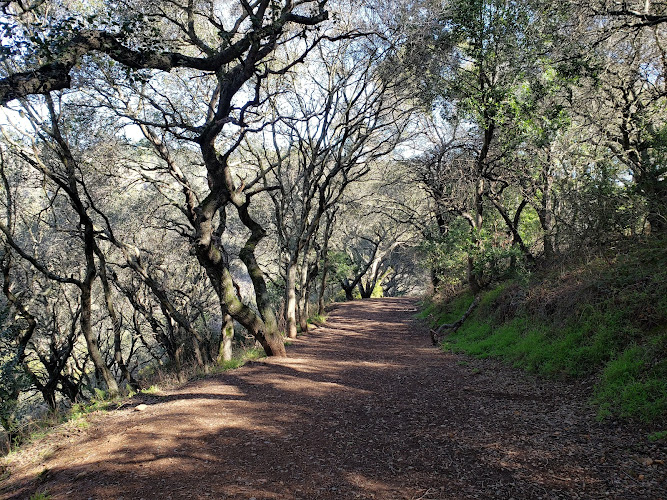
Leona Canyon Regional Open Space Preserve
About Leona Canyon Regional Open Space Preserve
Description
Leona Canyon Regional Open Space Preserve is one of those places that makes you wonder why more people don't know about it. Sprawling across 290 acres of protected woodland in the East Bay hills, this canyon park offers a genuine escape from the urban buzz without requiring a major road trip. I've always appreciated how some of the best outdoor experiences are hiding in plain sight, and this preserve definitely fits that category. The canyon itself creates this natural amphitheater of sorts, with dense woodlands, seasonal streams, and grasslands that change personality depending on when you visit. What strikes most visitors first is how quickly the sounds of civilization fade once you start walking the trails. You're still technically close to populated areas, but the canyon walls and thick tree cover create this buffer zone that feels surprisingly remote. The preserve manages to balance accessibility with that wild feeling people crave when they want to reconnect with nature. It's not manicured or overly developed – there's a rawness here that outdoor enthusiasts appreciate. The trails wind through bay laurel groves, oak woodlands, and chaparral, offering different ecosystems within a relatively compact area. And honestly, the fact that it remains somewhat under the radar compared to other Bay Area parks is part of its charm. Wildlife sightings happen regularly here. Deer are common enough that you'd be unlucky not to spot at least one during a visit. Birds are everywhere – the canyon serves as habitat for numerous species, making it popular with birders who bring their binoculars and field guides. I've heard stories from visitors who've encountered everything from red-tailed hawks to the occasional bobcat, though those latter sightings require some luck and early morning timing. The preserve's 290 acres might not sound massive compared to some regional parks, but the terrain makes it feel larger than the numbers suggest. The elevation changes and the way trails loop and connect create options for both quick nature breaks and longer explorations. You can easily spend a couple hours here or make it an all-day adventure depending on your energy level and interest in poking around the various trail branches.Key Features
- Multiple trail options ranging from easy walks to more challenging climbs with elevation gains that'll get your heart pumping
- Seasonal waterfall that flows during winter and spring months – timing your visit right makes a significant difference in what you'll experience
- Dense woodland areas dominated by bay laurel, coast live oak, and California buckeye trees that provide shade on warmer days
- Wildlife viewing opportunities including deer, coyotes, various bird species, and occasionally bobcats for the lucky few
- Dog-friendly trails where your four-legged companions can join the adventure (leash requirements apply)
- Wheelchair accessible parking facilities making the preserve more welcoming to visitors with mobility considerations
- Mountain biking opportunities on designated trails for cyclists looking for technical terrain
- Grassland areas that explode with wildflowers during spring months, creating photo opportunities that rival more famous parks
- Creek crossings that can be trickling brooks or rushing water depending on recent rainfall
- Panoramic viewpoints offering glimpses of the surrounding Bay Area when you climb to higher elevations
- Relatively uncrowded conditions compared to more popular regional parks – parking is usually available even on nice weekends
- Educational opportunities for kids to learn about local ecosystems, native plants, and animal habitats
Best Time to Visit
Here's where things get interesting because Leona Canyon really does transform throughout the year. Most visitors would tell you spring is the sweet spot, roughly March through May. The winter rains have done their job, the creek is flowing, wildflowers are blooming, and the hillsides wear this brilliant green that only lasts a few months in California. The seasonal waterfall actually has water, which sounds obvious but makes a huge difference when you're standing there taking it in. But I'd argue there's no truly bad time to visit, just different experiences. Summer brings drier conditions and brown grasses that some people find less appealing, though the shade in the wooded sections provides relief from heat. Early morning summer visits can be magical – the air is cooler, wildlife is more active, and you'll have trails mostly to yourself. Fall offers comfortable temperatures and fewer crowds. The light changes during autumn months, casting this golden quality across the canyon that photographers appreciate. Plus, you're not fighting the spring break families or weekend warrior crowds. Winter hiking here appeals to those who don't mind potentially muddy trails. Rain transforms the preserve – the creek runs strong, moss becomes vibrant green, and the whole ecosystem feels alive in ways that dried-out summer months can't match. Just check weather forecasts and trail conditions because some paths become challenging when wet. Weekday visits typically mean more solitude regardless of season. If your schedule allows flexibility, a Tuesday or Wednesday morning hike beats a Saturday afternoon in terms of the peaceful experience you'll have. The preserve sees steady use from locals, but it's never overwhelmed like some Bay Area destinations. Time of day matters too. Early morning brings wildlife activity and cooler temperatures. Late afternoon offers beautiful light but can feel rushed if you're trying to complete longer trails before dark. I knew someone who would visit at dawn specifically to watch the canyon wake up, and she swore those experiences were completely different from midday hikes.How to Get There
Getting to Leona Canyon requires a bit of navigation, but that's partly why it remains less crowded than other preserves. The main entrance isn't immediately obvious if you're unfamiliar with the area. Most visitors access the park from residential neighborhoods in the Oakland hills, which can feel slightly awkward the first time you're driving through someone's street looking for trailhead parking. The primary access point features a parking lot that accommodates a reasonable number of vehicles, including designated wheelchair accessible spaces. During peak times – think Saturday mornings in spring – parking can fill up, though it's rarely as competitive as more famous Bay Area parks. Arriving before 9 AM on weekends generally guarantees a spot. Public transportation can get you relatively close, though the final approach requires some walking through residential areas. The bus routes that serve nearby neighborhoods don't drop you right at the entrance, so you'll want to map out that last half-mile or so on foot. For travelers without rental cars, this adds complexity but isn't impossible if you're reasonably mobile and comfortable with urban hiking. Cycling to the trailhead is absolutely feasible and actually pretty popular among locals. The approach roads have enough shoulder space to feel safe for most cyclists, though you're dealing with some elevation gain depending on your starting point. Some visitors combine road cycling with trail hiking for a more comprehensive workout. Navigation apps generally provide accurate directions to the parking area, though cell service can get spotty once you're deeper in the canyon. Download offline maps if you're prone to relying heavily on GPS. The trails themselves are reasonably well-marked, but having a backup navigation method never hurts. If you're staying in San Francisco or other parts of the Bay Area, factor in drive time – you're probably looking at 30-45 minutes depending on traffic and your starting location. The preserve isn't right off a major highway, so those last few miles wind through neighborhoods at slower speeds.Tips for Visiting
Water is non-negotiable here, especially during warmer months. There are no facilities once you're on the trails, and some hikes involve enough elevation change that you'll work up a thirst faster than expected. I'd recommend at least a liter per person for moderate hikes, more if you're planning extended exploration or visiting during summer. Layers make sense year-round. The canyon can be significantly cooler than surrounding areas, particularly in shaded sections. But climb to exposed ridges and you'll want to shed that jacket pretty quickly. Even summer mornings can start cool before warming up considerably by midday. Trail conditions vary significantly based on recent weather. After rain, expect mud – sometimes quite a bit of it. Proper hiking boots with good tread make a difference between confident walking and slipping around nervously. I've seen people attempt trails in running shoes only to struggle through muddy sections that proper footwear would handle easily. If you're bringing dogs, keep them leashed both for their safety and to respect other visitors and wildlife. The preserve allows dogs on trails, which is great, but managing them around other hikers, cyclists, and wild animals requires responsible pet ownership. Bring waste bags because nobody wants to encounter that on their hike. Poison oak grows abundantly here. Learn to identify it and stay on established trails to minimize contact. The "leaves of three, let it be" rule applies, though in winter when leaves have fallen, the bare stems can still cause reactions if touched. Long pants provide some protection if you're bushwhacking or taking photos near trailsides. Tick prevention deserves attention, particularly during spring and early summer. Wearing light-colored clothing helps spot them, and tucking pants into socks looks dorky but works. Check yourself and any hiking companions (including dogs) after your visit. I knew a couple who got complacent about tick checks and regretted it after finding several attached later. Bring snacks even for shorter hikes. There's something about outdoor exertion that makes food taste better, and having energy available prevents those late-hike bonks where everything feels harder than it should. Trail mix, fruit, energy bars – whatever works for your preferences. Restroom facilities at the trailhead are limited, so plan accordingly before arrival. This isn't a developed park with visitor centers and multiple facilities throughout. Come prepared as you would for more remote hiking. Photography opportunities abound, but the dense tree cover in canyon bottoms means lighting can be tricky. Early morning and late afternoon provide the best natural light. Spring wildflower season offers the most color variety for those Instagram-worthy shots. Consider downloading trail maps before your visit since cell coverage isn't reliable everywhere. The preserve has multiple trail options and intersections where having a clear sense of your route prevents confusion and wasted energy backtracking. Start with easier trails if you're unfamiliar with the preserve or hiking with kids. You can always extend your adventure if everyone's feeling strong, but committing to a challenging route right away might lead to exhausted, unhappy hikers partway through. Check for any park closures or restrictions before visiting, particularly during fire season when access might be temporarily limited. The East Bay Regional Park District manages the preserve and posts current conditions on their website. Sunrise and sunset visits require extra planning since you'll potentially be hiking in low light conditions. Bring headlamps or flashlights if you're cutting it close on daylight hours. The canyon gets darker quicker than open terrain as the sun drops behind ridgelines.Key Features
- 290 acres of protected oak and riparian woodland
- Leona Trail with creekside and ridge-top sections
- Rifle Range Creek restoration and riparian habitat
- Wildlife viewing (birds, small mammals, reptiles)
- Close proximity to Merritt College and Oakland neighborhoods
More Details
Updated January 17, 2026
Table of Contents
- Description
- Key Features
- Best Time to Visit
- How to Get There
- Tips for Visiting
- Key Highlights
- Location
- Places to Stay Near Leona Canyon Regional Open Space Preserve
- Find and Book a Tour
- Explore More Travel Guides
- Nearby Places You Might Like
- Traveler Reviews for Leona Canyon Regional Open Space Preserve
- Share Your Experience
Description
Leona Canyon Regional Open Space Preserve is one of those places that makes you wonder why more people don’t know about it. Sprawling across 290 acres of protected woodland in the East Bay hills, this canyon park offers a genuine escape from the urban buzz without requiring a major road trip. I’ve always appreciated how some of the best outdoor experiences are hiding in plain sight, and this preserve definitely fits that category.
The canyon itself creates this natural amphitheater of sorts, with dense woodlands, seasonal streams, and grasslands that change personality depending on when you visit. What strikes most visitors first is how quickly the sounds of civilization fade once you start walking the trails. You’re still technically close to populated areas, but the canyon walls and thick tree cover create this buffer zone that feels surprisingly remote.
The preserve manages to balance accessibility with that wild feeling people crave when they want to reconnect with nature. It’s not manicured or overly developed – there’s a rawness here that outdoor enthusiasts appreciate. The trails wind through bay laurel groves, oak woodlands, and chaparral, offering different ecosystems within a relatively compact area. And honestly, the fact that it remains somewhat under the radar compared to other Bay Area parks is part of its charm.
Wildlife sightings happen regularly here. Deer are common enough that you’d be unlucky not to spot at least one during a visit. Birds are everywhere – the canyon serves as habitat for numerous species, making it popular with birders who bring their binoculars and field guides. I’ve heard stories from visitors who’ve encountered everything from red-tailed hawks to the occasional bobcat, though those latter sightings require some luck and early morning timing.
The preserve’s 290 acres might not sound massive compared to some regional parks, but the terrain makes it feel larger than the numbers suggest. The elevation changes and the way trails loop and connect create options for both quick nature breaks and longer explorations. You can easily spend a couple hours here or make it an all-day adventure depending on your energy level and interest in poking around the various trail branches.
Key Features
- Multiple trail options ranging from easy walks to more challenging climbs with elevation gains that’ll get your heart pumping
- Seasonal waterfall that flows during winter and spring months – timing your visit right makes a significant difference in what you’ll experience
- Dense woodland areas dominated by bay laurel, coast live oak, and California buckeye trees that provide shade on warmer days
- Wildlife viewing opportunities including deer, coyotes, various bird species, and occasionally bobcats for the lucky few
- Dog-friendly trails where your four-legged companions can join the adventure (leash requirements apply)
- Wheelchair accessible parking facilities making the preserve more welcoming to visitors with mobility considerations
- Mountain biking opportunities on designated trails for cyclists looking for technical terrain
- Grassland areas that explode with wildflowers during spring months, creating photo opportunities that rival more famous parks
- Creek crossings that can be trickling brooks or rushing water depending on recent rainfall
- Panoramic viewpoints offering glimpses of the surrounding Bay Area when you climb to higher elevations
- Relatively uncrowded conditions compared to more popular regional parks – parking is usually available even on nice weekends
- Educational opportunities for kids to learn about local ecosystems, native plants, and animal habitats
Best Time to Visit
Here’s where things get interesting because Leona Canyon really does transform throughout the year. Most visitors would tell you spring is the sweet spot, roughly March through May. The winter rains have done their job, the creek is flowing, wildflowers are blooming, and the hillsides wear this brilliant green that only lasts a few months in California. The seasonal waterfall actually has water, which sounds obvious but makes a huge difference when you’re standing there taking it in.
But I’d argue there’s no truly bad time to visit, just different experiences. Summer brings drier conditions and brown grasses that some people find less appealing, though the shade in the wooded sections provides relief from heat. Early morning summer visits can be magical – the air is cooler, wildlife is more active, and you’ll have trails mostly to yourself.
Fall offers comfortable temperatures and fewer crowds. The light changes during autumn months, casting this golden quality across the canyon that photographers appreciate. Plus, you’re not fighting the spring break families or weekend warrior crowds.
Winter hiking here appeals to those who don’t mind potentially muddy trails. Rain transforms the preserve – the creek runs strong, moss becomes vibrant green, and the whole ecosystem feels alive in ways that dried-out summer months can’t match. Just check weather forecasts and trail conditions because some paths become challenging when wet.
Weekday visits typically mean more solitude regardless of season. If your schedule allows flexibility, a Tuesday or Wednesday morning hike beats a Saturday afternoon in terms of the peaceful experience you’ll have. The preserve sees steady use from locals, but it’s never overwhelmed like some Bay Area destinations.
Time of day matters too. Early morning brings wildlife activity and cooler temperatures. Late afternoon offers beautiful light but can feel rushed if you’re trying to complete longer trails before dark. I knew someone who would visit at dawn specifically to watch the canyon wake up, and she swore those experiences were completely different from midday hikes.
How to Get There
Getting to Leona Canyon requires a bit of navigation, but that’s partly why it remains less crowded than other preserves. The main entrance isn’t immediately obvious if you’re unfamiliar with the area. Most visitors access the park from residential neighborhoods in the Oakland hills, which can feel slightly awkward the first time you’re driving through someone’s street looking for trailhead parking.
The primary access point features a parking lot that accommodates a reasonable number of vehicles, including designated wheelchair accessible spaces. During peak times – think Saturday mornings in spring – parking can fill up, though it’s rarely as competitive as more famous Bay Area parks. Arriving before 9 AM on weekends generally guarantees a spot.
Public transportation can get you relatively close, though the final approach requires some walking through residential areas. The bus routes that serve nearby neighborhoods don’t drop you right at the entrance, so you’ll want to map out that last half-mile or so on foot. For travelers without rental cars, this adds complexity but isn’t impossible if you’re reasonably mobile and comfortable with urban hiking.
Cycling to the trailhead is absolutely feasible and actually pretty popular among locals. The approach roads have enough shoulder space to feel safe for most cyclists, though you’re dealing with some elevation gain depending on your starting point. Some visitors combine road cycling with trail hiking for a more comprehensive workout.
Navigation apps generally provide accurate directions to the parking area, though cell service can get spotty once you’re deeper in the canyon. Download offline maps if you’re prone to relying heavily on GPS. The trails themselves are reasonably well-marked, but having a backup navigation method never hurts.
If you’re staying in San Francisco or other parts of the Bay Area, factor in drive time – you’re probably looking at 30-45 minutes depending on traffic and your starting location. The preserve isn’t right off a major highway, so those last few miles wind through neighborhoods at slower speeds.
Tips for Visiting
Water is non-negotiable here, especially during warmer months. There are no facilities once you’re on the trails, and some hikes involve enough elevation change that you’ll work up a thirst faster than expected. I’d recommend at least a liter per person for moderate hikes, more if you’re planning extended exploration or visiting during summer.
Layers make sense year-round. The canyon can be significantly cooler than surrounding areas, particularly in shaded sections. But climb to exposed ridges and you’ll want to shed that jacket pretty quickly. Even summer mornings can start cool before warming up considerably by midday.
Trail conditions vary significantly based on recent weather. After rain, expect mud – sometimes quite a bit of it. Proper hiking boots with good tread make a difference between confident walking and slipping around nervously. I’ve seen people attempt trails in running shoes only to struggle through muddy sections that proper footwear would handle easily.
If you’re bringing dogs, keep them leashed both for their safety and to respect other visitors and wildlife. The preserve allows dogs on trails, which is great, but managing them around other hikers, cyclists, and wild animals requires responsible pet ownership. Bring waste bags because nobody wants to encounter that on their hike.
Poison oak grows abundantly here. Learn to identify it and stay on established trails to minimize contact. The “leaves of three, let it be” rule applies, though in winter when leaves have fallen, the bare stems can still cause reactions if touched. Long pants provide some protection if you’re bushwhacking or taking photos near trailsides.
Tick prevention deserves attention, particularly during spring and early summer. Wearing light-colored clothing helps spot them, and tucking pants into socks looks dorky but works. Check yourself and any hiking companions (including dogs) after your visit. I knew a couple who got complacent about tick checks and regretted it after finding several attached later.
Bring snacks even for shorter hikes. There’s something about outdoor exertion that makes food taste better, and having energy available prevents those late-hike bonks where everything feels harder than it should. Trail mix, fruit, energy bars – whatever works for your preferences.
Restroom facilities at the trailhead are limited, so plan accordingly before arrival. This isn’t a developed park with visitor centers and multiple facilities throughout. Come prepared as you would for more remote hiking.
Photography opportunities abound, but the dense tree cover in canyon bottoms means lighting can be tricky. Early morning and late afternoon provide the best natural light. Spring wildflower season offers the most color variety for those Instagram-worthy shots.
Consider downloading trail maps before your visit since cell coverage isn’t reliable everywhere. The preserve has multiple trail options and intersections where having a clear sense of your route prevents confusion and wasted energy backtracking.
Start with easier trails if you’re unfamiliar with the preserve or hiking with kids. You can always extend your adventure if everyone’s feeling strong, but committing to a challenging route right away might lead to exhausted, unhappy hikers partway through.
Check for any park closures or restrictions before visiting, particularly during fire season when access might be temporarily limited. The East Bay Regional Park District manages the preserve and posts current conditions on their website.
Sunrise and sunset visits require extra planning since you’ll potentially be hiking in low light conditions. Bring headlamps or flashlights if you’re cutting it close on daylight hours. The canyon gets darker quicker than open terrain as the sun drops behind ridgelines.
Key Highlights
- 290 acres of protected oak and riparian woodland
- Leona Trail with creekside and ridge-top sections
- Rifle Range Creek restoration and riparian habitat
- Wildlife viewing (birds, small mammals, reptiles)
- Close proximity to Merritt College and Oakland neighborhoods
Location
Places to Stay Near Leona Canyon Regional Open Space Preserve
Find and Book a Tour
Explore More Travel Guides
No reviews found! Be the first to review!
Traveler Reviews for Leona Canyon Regional Open Space Preserve
There are no reviews yet. Be the first one to write one.
Have you visited Leona Canyon Regional Open Space Preserve? Help other travelers by sharing your review.
Nearby Attractions
You Might Also Like
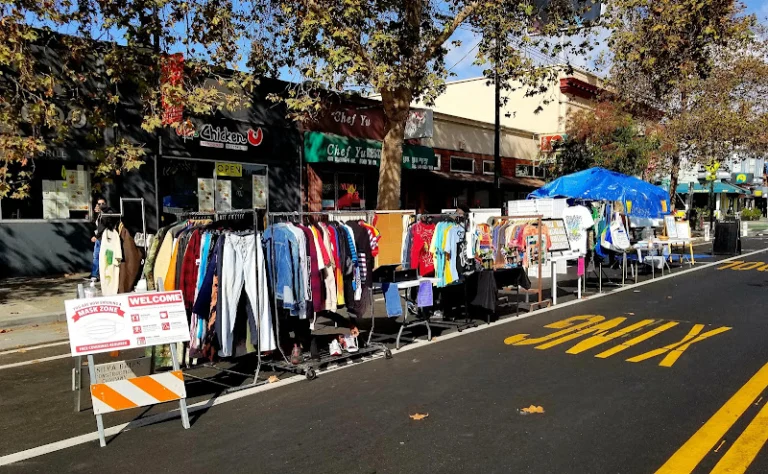
Temescal Telegraph BID

Oakland Zoo
![Museum of Children's Art [MOCHA]](https://www.realjourneytravels.com/wp-content/uploads/Museum-of-Childrens-Art-MOCHA-Oakland.jpg)
Museum of Children's Art [MOCHA]
Find Accommodations Nearby
Recommended Tours & Activities
Visitor Reviews
There are no reviews yet. Be the first one to write one.
Share Your Experience
Have you visited Leona Canyon Regional Open Space Preserve? Help other travelers by leaving a review.