

Fisheries College and Research Institute
About Fisheries College and Research Institute
Description
The Fisheries College and Research Institute is a unique spot that often surprises visitors who expect just another academic campus. It’s more than a place for students and researchers; it’s a living hub where science meets nature in the most fascinating ways. If you’re someone who’s curious about marine life, aquatic ecosystems, or the future of sustainable fishing, this place offers a glimpse into those worlds that you won’t find in typical tourist guides.
What really stands out here is how accessible the campus is — not just physically, with wheelchair-friendly entrances and parking, but also in the way it invites you to explore and engage. The grounds are thoughtfully laid out, making it easy to wander around and soak in the atmosphere without feeling overwhelmed. You might find yourself lingering longer than planned, drawn in by the mix of academic buzz and the calming presence of water bodies and research tanks scattered around.
Visitors often remark on the balance between serious research and a laid-back vibe. Sure, it’s a place of learning and discovery, but it’s also a place where you can catch a quiet moment by a pond or watch students and scientists at work, which somehow feels inspiring and down-to-earth at the same time. It’s not a flashy tourist trap, but for those who appreciate a behind-the-scenes look at fisheries science, it’s a gem.
And if you’re wondering about the overall experience, it’s pretty well-rounded. While some parts of the institute might feel a bit technical or specialized, the staff and students are generally welcoming, happy to share stories or explain their work if you ask. It’s a refreshing break from the usual tourist hustle — more like stepping into a living story about the ocean’s future and the people dedicated to it.
Key Features
- Wheelchair accessible entrances and parking, making it easy for visitors with mobility needs to navigate the campus comfortably.
- Hands-on exhibits and research tanks showcasing various species of fish and aquatic organisms, perfect for curious minds.
- Informative guided tours available on request, offering insights into fisheries science and sustainable practices.
- Beautifully maintained ponds and water features that create a peaceful setting amidst the scientific bustle.
- On-site library and resource center with a wealth of information for those wanting to dive deeper into marine studies.
- Regular workshops and public lectures that sometimes coincide with your visit, adding an extra layer of engagement.
- Friendly, approachable students and faculty who don’t mind sharing their passion and answering questions.
Best Time to Visit
Timing your visit here can make a big difference in what you get out of it. The cooler months, typically from November to February, are ideal — the weather is pleasant, and the campus is more comfortable to explore on foot without the sweltering heat. Plus, this period often aligns with some of the institute’s special events and workshops, which means you could catch a lecture or demonstration if you’re lucky.
But here’s a little insider tip: if you’re really interested in seeing the research activities in full swing, planning your visit during the academic year, especially around mid-semester, is the way to go. The place buzzes with energy, and you might even get to witness some live experiments or fieldwork preparations. Just avoid the peak summer months if you’re not a fan of intense heat — it can get pretty uncomfortable and might dampen your enthusiasm for wandering around.
How to Get There
Reaching the Fisheries College and Research Institute isn’t a hassle, but it does take a bit of planning depending on where you’re coming from. Most visitors find it easiest to get there by road. If you’re driving, the campus is well-signposted once you’re in the vicinity, and parking is straightforward, with accessible spots available.
If you’re relying on public transport, buses run regularly from nearby towns and cities, though schedules can be a bit sparse on weekends. It’s a good idea to check the latest timings before you set off. For those who prefer a more scenic route, hiring a cab or using a ride-sharing service might be worth the extra cost — it saves time and lets you relax on the way.
Once you arrive, the campus layout is pretty intuitive, so you won’t feel lost. And don’t hesitate to ask for directions — the locals and institute staff are generally quite helpful and friendly.
Tips for Visiting
Here’s the deal: this isn’t your typical tourist spot, so a little prep goes a long way. First off, wear comfortable shoes — you’ll likely be on your feet a lot, exploring ponds, labs, and outdoor exhibits. And bring a hat or sunscreen, especially if you’re visiting during sunnier months; there’s a fair bit of outdoor walking involved.
Don’t be shy about talking to the people around you. The students and researchers are usually more than happy to share what they’re working on, and you might pick up some fascinating tidbits about fisheries science that you’d never hear elsewhere. I remember chatting with a grad student once who was studying the breeding habits of a rare fish species — it was way cooler than any nature documentary I’d seen!
Also, keep in mind that some areas might be restricted due to ongoing research or safety protocols, so respect any signs or instructions. It’s all part of keeping the place running smoothly and safely.
If you’re a photography enthusiast, this place offers some neat opportunities — from close-ups of aquatic life to candid shots of campus life. Just be mindful of any restrictions on flash photography or sensitive equipment.
Lastly, if you want to get the full experience, try to time your visit to coincide with any public events or workshops. They’re not always on the calendar, but when they happen, they add a whole new dimension to the visit.
Key Features
- Wheelchair accessible entrances and parking, making it easy for visitors with mobility needs to navigate the campus comfortably.
- Hands-on exhibits and research tanks showcasing various species of fish and aquatic organisms, perfect for curious minds.
- Informative guided tours available on request, offering insights into fisheries science and sustainable practices.
- Beautifully maintained ponds and water features that create a peaceful setting amidst the scientific bustle.
- On-site library and resource center with a wealth of information for those wanting to dive deeper into marine studies.
- Regular workshops and public lectures that sometimes coincide with your visit, adding an extra layer of engagement.
- Friendly, approachable students and faculty who don’t mind sharing their passion and answering questions.
More Details
Updated July 20, 2025
Table of Contents
- Description
- Key Features
- Best Time to Visit
- How to Get There
- Tips for Visiting
- Key Highlights
- Location
- Places to Stay Near Fisheries College and Research Institute
- Find and Book a Tour
- Explore More Travel Guides
- Nearby Places You Might Like
- Traveler Reviews for Fisheries College and Research Institute
- Share Your Experience
Description
The Fisheries College and Research Institute is a unique spot that often surprises visitors who expect just another academic campus. It’s more than a place for students and researchers; it’s a living hub where science meets nature in the most fascinating ways. If you’re someone who’s curious about marine life, aquatic ecosystems, or the future of sustainable fishing, this place offers a glimpse into those worlds that you won’t find in typical tourist guides.
What really stands out here is how accessible the campus is — not just physically, with wheelchair-friendly entrances and parking, but also in the way it invites you to explore and engage. The grounds are thoughtfully laid out, making it easy to wander around and soak in the atmosphere without feeling overwhelmed. You might find yourself lingering longer than planned, drawn in by the mix of academic buzz and the calming presence of water bodies and research tanks scattered around.
Visitors often remark on the balance between serious research and a laid-back vibe. Sure, it’s a place of learning and discovery, but it’s also a place where you can catch a quiet moment by a pond or watch students and scientists at work, which somehow feels inspiring and down-to-earth at the same time. It’s not a flashy tourist trap, but for those who appreciate a behind-the-scenes look at fisheries science, it’s a gem.
And if you’re wondering about the overall experience, it’s pretty well-rounded. While some parts of the institute might feel a bit technical or specialized, the staff and students are generally welcoming, happy to share stories or explain their work if you ask. It’s a refreshing break from the usual tourist hustle — more like stepping into a living story about the ocean’s future and the people dedicated to it.
Key Features
- Wheelchair accessible entrances and parking, making it easy for visitors with mobility needs to navigate the campus comfortably.
- Hands-on exhibits and research tanks showcasing various species of fish and aquatic organisms, perfect for curious minds.
- Informative guided tours available on request, offering insights into fisheries science and sustainable practices.
- Beautifully maintained ponds and water features that create a peaceful setting amidst the scientific bustle.
- On-site library and resource center with a wealth of information for those wanting to dive deeper into marine studies.
- Regular workshops and public lectures that sometimes coincide with your visit, adding an extra layer of engagement.
- Friendly, approachable students and faculty who don’t mind sharing their passion and answering questions.
Best Time to Visit
Timing your visit here can make a big difference in what you get out of it. The cooler months, typically from November to February, are ideal — the weather is pleasant, and the campus is more comfortable to explore on foot without the sweltering heat. Plus, this period often aligns with some of the institute’s special events and workshops, which means you could catch a lecture or demonstration if you’re lucky.
But here’s a little insider tip: if you’re really interested in seeing the research activities in full swing, planning your visit during the academic year, especially around mid-semester, is the way to go. The place buzzes with energy, and you might even get to witness some live experiments or fieldwork preparations. Just avoid the peak summer months if you’re not a fan of intense heat — it can get pretty uncomfortable and might dampen your enthusiasm for wandering around.
How to Get There
Reaching the Fisheries College and Research Institute isn’t a hassle, but it does take a bit of planning depending on where you’re coming from. Most visitors find it easiest to get there by road. If you’re driving, the campus is well-signposted once you’re in the vicinity, and parking is straightforward, with accessible spots available.
If you’re relying on public transport, buses run regularly from nearby towns and cities, though schedules can be a bit sparse on weekends. It’s a good idea to check the latest timings before you set off. For those who prefer a more scenic route, hiring a cab or using a ride-sharing service might be worth the extra cost — it saves time and lets you relax on the way.
Once you arrive, the campus layout is pretty intuitive, so you won’t feel lost. And don’t hesitate to ask for directions — the locals and institute staff are generally quite helpful and friendly.
Tips for Visiting
Here’s the deal: this isn’t your typical tourist spot, so a little prep goes a long way. First off, wear comfortable shoes — you’ll likely be on your feet a lot, exploring ponds, labs, and outdoor exhibits. And bring a hat or sunscreen, especially if you’re visiting during sunnier months; there’s a fair bit of outdoor walking involved.
Don’t be shy about talking to the people around you. The students and researchers are usually more than happy to share what they’re working on, and you might pick up some fascinating tidbits about fisheries science that you’d never hear elsewhere. I remember chatting with a grad student once who was studying the breeding habits of a rare fish species — it was way cooler than any nature documentary I’d seen!
Also, keep in mind that some areas might be restricted due to ongoing research or safety protocols, so respect any signs or instructions. It’s all part of keeping the place running smoothly and safely.
If you’re a photography enthusiast, this place offers some neat opportunities — from close-ups of aquatic life to candid shots of campus life. Just be mindful of any restrictions on flash photography or sensitive equipment.
Lastly, if you want to get the full experience, try to time your visit to coincide with any public events or workshops. They’re not always on the calendar, but when they happen, they add a whole new dimension to the visit.
Key Highlights
- Wheelchair accessible entrances and parking, making it easy for visitors with mobility needs to navigate the campus comfortably.
- Hands-on exhibits and research tanks showcasing various species of fish and aquatic organisms, perfect for curious minds.
- Informative guided tours available on request, offering insights into fisheries science and sustainable practices.
- Beautifully maintained ponds and water features that create a peaceful setting amidst the scientific bustle.
- On-site library and resource center with a wealth of information for those wanting to dive deeper into marine studies.
- Regular workshops and public lectures that sometimes coincide with your visit, adding an extra layer of engagement.
- Friendly, approachable students and faculty who don’t mind sharing their passion and answering questions.
Location
Places to Stay Near Fisheries College and Research Institute
Find and Book a Tour
Explore More Travel Guides
No reviews found! Be the first to review!
Traveler Reviews for Fisheries College and Research Institute
There are no reviews yet. Be the first one to write one.
Have you visited Fisheries College and Research Institute? Help other travelers by sharing your review.
You Might Also Like
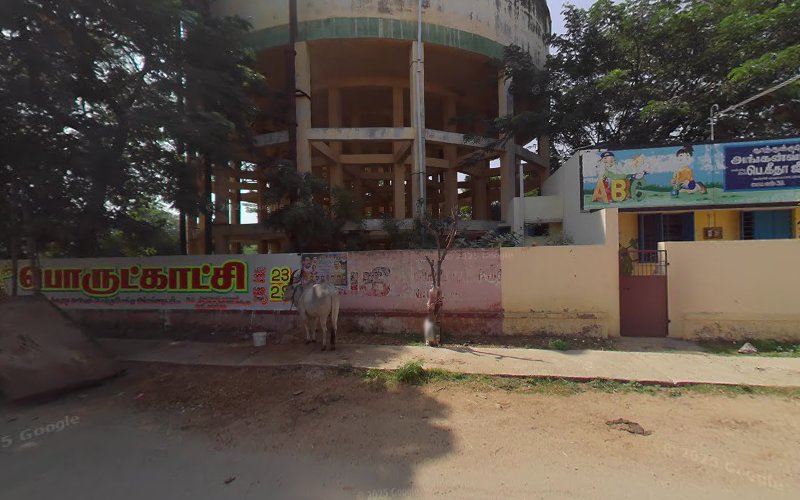
S.P.Ponusamy Memorial Water Tank, Millerpuram, Tuticorin.

Pulthottam park
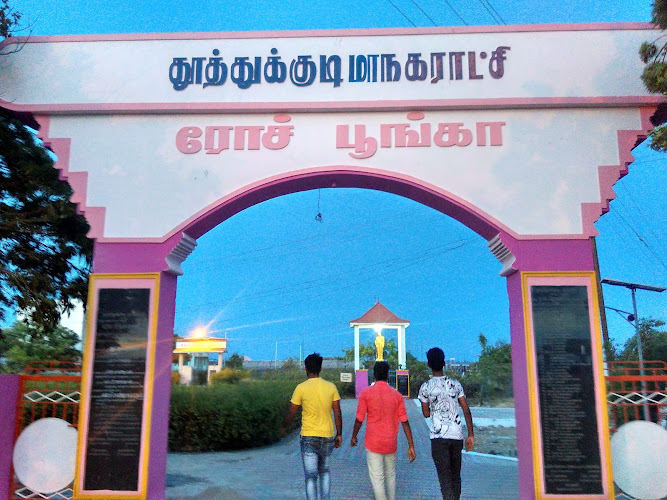
Roche Park
Find Accommodations Nearby
Recommended Tours & Activities
Visitor Reviews
There are no reviews yet. Be the first one to write one.
Share Your Experience
Have you visited Fisheries College and Research Institute? Help other travelers by leaving a review.