
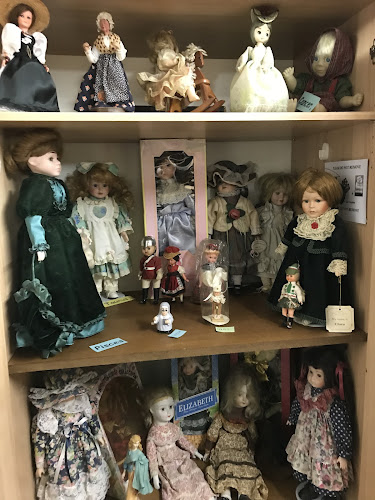
Doll’s House Museum
About Doll’s House Museum
Description
The Doll's House Museum offers travelers a delightfully unexpected window into miniature worlds that'll make you feel like you've stepped through Alice's looking glass. This charming museum presents an extraordinary collection of meticulously crafted dollhouses and miniatures that span different eras and architectural styles, each one telling its own story about domestic life, craftsmanship, and the art of tiny perfection. What strikes visitors first is just how seriously these miniature creations deserve to be taken. These aren't childhood toys collecting dust in an attic somewhere. The museum showcases genuine artistry where every piece has been constructed with incredible attention to detail—from working lights no bigger than a grain of rice to hand-painted wallpaper that'd make any interior designer jealous. You'll find yourself crouching down to peer into elaborately furnished rooms, marveling at tiny kitchen utensils, microscopic books on shelves, and furniture that somehow manages to capture the essence of full-sized pieces. And here's something I found genuinely fascinating when I first learned about places like this: dollhouses have historically served as teaching tools for young women learning household management, status symbols for wealthy families, and now as precious artifacts documenting how people lived across different time periods. The museum brilliantly captures all these dimensions, making it far more than just a nostalgic trip down memory lane. The collection appeals to an surprisingly broad audience. Architecture enthusiasts appreciate the scaled-down buildings, antique collectors study the period-appropriate furnishings, and families with children discover an engaging way to explore history together. There's something almost meditative about examining these miniature worlds—they demand you slow down, look closely, and appreciate craftsmanship that's become increasingly rare in our mass-produced age.Key Features
The museum's collection offers several standout elements that make it worth carving time out of any travel itinerary: • An impressive array of dollhouses representing various architectural periods and styles, from Victorian mansions to mid-century modern homes, providing a architectural timeline in miniature form • Incredibly detailed miniature furnishings and accessories that showcase the evolution of domestic life, including authentic period pieces that mirror the full-sized originals with remarkable accuracy • Specialized miniature shops and commercial buildings that recreate entire streetscapes and business establishments, complete with tiny merchandise and signage • Artisan-crafted pieces that demonstrate traditional miniature-making techniques, highlighting the skill and patience required to work at such a small scale • Educational displays that contextualize the dollhouses within their historical periods, explaining how they reflect social customs, technological changes, and aesthetic trends of their times • A collection particularly well-suited for families traveling with children, offering an engaging educational experience that holds kids' attention while teaching them about history and craftsmanship • Photo-friendly exhibits where visitors can capture the intricate details (though you'll want a decent camera or smartphone because these tiny details can be tricky to photograph well) • Rotating or seasonal displays that give repeat visitors something new to discover on subsequent visitsBest Time to Visit
Timing your visit to the Doll's House Museum requires a bit of strategy if you want to maximize your experience. Getting tickets in advance comes highly recommended, which tells you something important: this place attracts steady interest despite its specialized focus. Weekday mornings typically offer the most peaceful viewing experience. You'll have more space to linger in front of each display without feeling rushed or crowded by other visitors. This matters more than you might think—trying to examine intricate miniatures while someone's breathing down your neck or a group of schoolchildren are excitedly pointing and chattering can detract from the contemplative pleasure these exhibits provide. If you're traveling during school holidays, expect higher visitor numbers, though the museum generally handles crowds better than larger institutions. The trade-off is that children's enthusiasm can be contagious, and you might overhear some genuinely delightful observations from young visitors discovering the miniatures for the first time. Weather doesn't particularly impact your visit since you'll be entirely indoors, which makes the museum an excellent backup plan if rain derails your outdoor activities. But I'd actually argue that gloomy weather somehow makes the experience even better—there's something cozy about escaping into these tiny, perfectly ordered worlds while the weather does whatever it wants outside. Consider allocating at least 90 minutes to two hours for your visit. Rushing through defeats the entire purpose. The magic of this museum reveals itself gradually as you notice more and more details: the tiny paintings on the walls, the miniature books with actual printed pages, the working doors with functional hinges. These discoveries can't be hurried. Special exhibitions or events might influence your timing too. Museums dedicated to specialized collections often host temporary displays or workshops that add extra dimension to the standard offerings. Checking ahead can help you align your visit with these enhanced experiences.How to Get There
Planning your journey to the Doll's House Museum depends largely on where you're starting from and your preferred transportation method. Most travelers find the museum reasonably accessible, though as with many specialized museums, it might not sit right in the city center where the blockbuster attractions cluster. For those relying on public transportation, research the local bus or train routes serving the area. Specialized museums often end up in quieter neighborhoods where rent is more manageable, which can actually be a pleasant change from tourist-heavy districts. The journey there might take you through residential areas that offer authentic glimpses of local life you'd miss if you only stuck to main attractions. Driving offers flexibility, particularly if you're visiting as part of a broader exploration of the region. Parking availability varies, but smaller museums typically manage this better than major institutions. Still, checking parking options beforehand saves frustration when you arrive. Taxi or rideshare services provide straightforward door-to-door convenience. Just make sure you save the museum's information in your phone because not all drivers immediately recognize specialized museums by name. Having the specific details ready prevents confusion and wrong turns. If you're staying nearby, walking can be genuinely pleasant. Smaller museums often sit in charming neighborhoods worth exploring on foot. You might discover excellent cafes, interesting shops, or beautiful architecture along the way that wouldn't register if you drove past. International travelers should factor in the museum's location when planning their accommodation. Staying in the same neighborhood or along convenient transport routes saves travel time and energy—valuable commodities when you're trying to pack multiple experiences into limited vacation days.Tips for Visiting
Making the most of your Doll's House Museum experience involves some practical preparation and the right mindset. First and foremost, book your tickets ahead of time. Museums that specifically recommend advance booking usually have good reasons—limited capacity, timed entry slots, or simply the desire to manage visitor flow. Don't gamble on walk-up availability if you've planned your day around this visit. Bring reading glasses if you use them, even if you don't typically wear them all day. Seriously. The details in these exhibits are small, and you'll kick yourself if you can't properly appreciate the microscopic craftsmanship because you left your glasses at the hotel. Even people with generally good vision sometimes find themselves wishing they could magnify details. Photography policies vary by museum, so check beforehand. If photos are allowed, adjust your expectations about what your camera can capture. The combination of glass cases, careful lighting, and tiny subjects makes photography challenging. Your memories and full appreciation in the moment matter more than getting the perfect Instagram shot. Traveling with children? The museum rates as good for kids, which is excellent news, but set expectations appropriately. Younger children need reminders that these are look-but-don't-touch exhibits. The "no touching" rule becomes crucial when dealing with delicate antiques. Preparing kids beforehand about what they'll see and how they'll need to behave prevents disappointment and frustration for everyone. Plan to visit when you're not rushed or exhausted. This isn't a museum you power through on autopilot. The experience rewards patience and attention. If you're fitting it in between two other activities or you're on your third museum of the day and mentally fried, you won't appreciate what makes this place special. Wear comfortable shoes even though the museum likely isn't huge. You'll be standing more than you expect because you'll keep pausing to examine displays from different angles. Bending down to view eye-level with the miniatures becomes necessary, so restrictive clothing isn't ideal either. Don't expect restaurant facilities on-site. The museum doesn't offer dining options, so eat beforehand or plan where you'll grab food afterward. This actually works in your favor—it keeps the museum focused on its core mission and maintains the intimate, specialized atmosphere that makes it distinctive. Consider visiting solo or with just one companion if possible. Large groups can't easily cluster around the displays together, and you'll naturally move at different paces. The contemplative nature of examining miniatures suits individual exploration or quiet pairs better than chattering groups. Read any available information cards or guides. Context transforms these exhibits from "oh, that's cute" to genuine appreciation for the historical significance, craftsmanship techniques, and stories behind each piece. Understanding that a particular dollhouse took someone thousands of hours to complete or represents a now-demolished architectural style changes how you perceive it. Check if the museum offers any workshops or special programs during your visit. Some miniature museums host crafting sessions or lectures that deepen engagement with the art form. Even if you never imagined yourself interested in miniature-making, watching a demonstration can be genuinely captivating. Finally, approach this museum with openness rather than skepticism. Yes, it's specialized. Yes, it's about dollhouses. But travelers who dismiss it as trivial or only suitable for children miss out on something genuinely remarkable. The best travel experiences often come from places that initially seemed outside our usual interests. Let yourself be surprised by how enchanting these miniature worlds can be.Key Features
- Extensive collection of period dollhouses spanning Victorian to mid-20th century
- International souvenir dolls and costumes representing multiple countries
- Finely detailed miniature furniture, textiles and hand-painted interiors
- Compact, intimate gallery setting great for close-up viewing and photography
- Located on Haven Green near Ealing Broadway — easy access by public transport
More Details
Updated January 17, 2026
Table of Contents
Description
The Doll’s House Museum offers travelers a delightfully unexpected window into miniature worlds that’ll make you feel like you’ve stepped through Alice’s looking glass. This charming museum presents an extraordinary collection of meticulously crafted dollhouses and miniatures that span different eras and architectural styles, each one telling its own story about domestic life, craftsmanship, and the art of tiny perfection.
What strikes visitors first is just how seriously these miniature creations deserve to be taken. These aren’t childhood toys collecting dust in an attic somewhere. The museum showcases genuine artistry where every piece has been constructed with incredible attention to detail—from working lights no bigger than a grain of rice to hand-painted wallpaper that’d make any interior designer jealous. You’ll find yourself crouching down to peer into elaborately furnished rooms, marveling at tiny kitchen utensils, microscopic books on shelves, and furniture that somehow manages to capture the essence of full-sized pieces.
And here’s something I found genuinely fascinating when I first learned about places like this: dollhouses have historically served as teaching tools for young women learning household management, status symbols for wealthy families, and now as precious artifacts documenting how people lived across different time periods. The museum brilliantly captures all these dimensions, making it far more than just a nostalgic trip down memory lane.
The collection appeals to an surprisingly broad audience. Architecture enthusiasts appreciate the scaled-down buildings, antique collectors study the period-appropriate furnishings, and families with children discover an engaging way to explore history together. There’s something almost meditative about examining these miniature worlds—they demand you slow down, look closely, and appreciate craftsmanship that’s become increasingly rare in our mass-produced age.
Key Features
The museum’s collection offers several standout elements that make it worth carving time out of any travel itinerary:
• An impressive array of dollhouses representing various architectural periods and styles, from Victorian mansions to mid-century modern homes, providing a architectural timeline in miniature form
• Incredibly detailed miniature furnishings and accessories that showcase the evolution of domestic life, including authentic period pieces that mirror the full-sized originals with remarkable accuracy
• Specialized miniature shops and commercial buildings that recreate entire streetscapes and business establishments, complete with tiny merchandise and signage
• Artisan-crafted pieces that demonstrate traditional miniature-making techniques, highlighting the skill and patience required to work at such a small scale
• Educational displays that contextualize the dollhouses within their historical periods, explaining how they reflect social customs, technological changes, and aesthetic trends of their times
• A collection particularly well-suited for families traveling with children, offering an engaging educational experience that holds kids’ attention while teaching them about history and craftsmanship
• Photo-friendly exhibits where visitors can capture the intricate details (though you’ll want a decent camera or smartphone because these tiny details can be tricky to photograph well)
• Rotating or seasonal displays that give repeat visitors something new to discover on subsequent visits
Best Time to Visit
Timing your visit to the Doll’s House Museum requires a bit of strategy if you want to maximize your experience. Getting tickets in advance comes highly recommended, which tells you something important: this place attracts steady interest despite its specialized focus.
Weekday mornings typically offer the most peaceful viewing experience. You’ll have more space to linger in front of each display without feeling rushed or crowded by other visitors. This matters more than you might think—trying to examine intricate miniatures while someone’s breathing down your neck or a group of schoolchildren are excitedly pointing and chattering can detract from the contemplative pleasure these exhibits provide.
If you’re traveling during school holidays, expect higher visitor numbers, though the museum generally handles crowds better than larger institutions. The trade-off is that children’s enthusiasm can be contagious, and you might overhear some genuinely delightful observations from young visitors discovering the miniatures for the first time.
Weather doesn’t particularly impact your visit since you’ll be entirely indoors, which makes the museum an excellent backup plan if rain derails your outdoor activities. But I’d actually argue that gloomy weather somehow makes the experience even better—there’s something cozy about escaping into these tiny, perfectly ordered worlds while the weather does whatever it wants outside.
Consider allocating at least 90 minutes to two hours for your visit. Rushing through defeats the entire purpose. The magic of this museum reveals itself gradually as you notice more and more details: the tiny paintings on the walls, the miniature books with actual printed pages, the working doors with functional hinges. These discoveries can’t be hurried.
Special exhibitions or events might influence your timing too. Museums dedicated to specialized collections often host temporary displays or workshops that add extra dimension to the standard offerings. Checking ahead can help you align your visit with these enhanced experiences.
How to Get There
Planning your journey to the Doll’s House Museum depends largely on where you’re starting from and your preferred transportation method. Most travelers find the museum reasonably accessible, though as with many specialized museums, it might not sit right in the city center where the blockbuster attractions cluster.
For those relying on public transportation, research the local bus or train routes serving the area. Specialized museums often end up in quieter neighborhoods where rent is more manageable, which can actually be a pleasant change from tourist-heavy districts. The journey there might take you through residential areas that offer authentic glimpses of local life you’d miss if you only stuck to main attractions.
Driving offers flexibility, particularly if you’re visiting as part of a broader exploration of the region. Parking availability varies, but smaller museums typically manage this better than major institutions. Still, checking parking options beforehand saves frustration when you arrive.
Taxi or rideshare services provide straightforward door-to-door convenience. Just make sure you save the museum’s information in your phone because not all drivers immediately recognize specialized museums by name. Having the specific details ready prevents confusion and wrong turns.
If you’re staying nearby, walking can be genuinely pleasant. Smaller museums often sit in charming neighborhoods worth exploring on foot. You might discover excellent cafes, interesting shops, or beautiful architecture along the way that wouldn’t register if you drove past.
International travelers should factor in the museum’s location when planning their accommodation. Staying in the same neighborhood or along convenient transport routes saves travel time and energy—valuable commodities when you’re trying to pack multiple experiences into limited vacation days.
Tips for Visiting
Making the most of your Doll’s House Museum experience involves some practical preparation and the right mindset. First and foremost, book your tickets ahead of time. Museums that specifically recommend advance booking usually have good reasons—limited capacity, timed entry slots, or simply the desire to manage visitor flow. Don’t gamble on walk-up availability if you’ve planned your day around this visit.
Bring reading glasses if you use them, even if you don’t typically wear them all day. Seriously. The details in these exhibits are small, and you’ll kick yourself if you can’t properly appreciate the microscopic craftsmanship because you left your glasses at the hotel. Even people with generally good vision sometimes find themselves wishing they could magnify details.
Photography policies vary by museum, so check beforehand. If photos are allowed, adjust your expectations about what your camera can capture. The combination of glass cases, careful lighting, and tiny subjects makes photography challenging. Your memories and full appreciation in the moment matter more than getting the perfect Instagram shot.
Traveling with children? The museum rates as good for kids, which is excellent news, but set expectations appropriately. Younger children need reminders that these are look-but-don’t-touch exhibits. The “no touching” rule becomes crucial when dealing with delicate antiques. Preparing kids beforehand about what they’ll see and how they’ll need to behave prevents disappointment and frustration for everyone.
Plan to visit when you’re not rushed or exhausted. This isn’t a museum you power through on autopilot. The experience rewards patience and attention. If you’re fitting it in between two other activities or you’re on your third museum of the day and mentally fried, you won’t appreciate what makes this place special.
Wear comfortable shoes even though the museum likely isn’t huge. You’ll be standing more than you expect because you’ll keep pausing to examine displays from different angles. Bending down to view eye-level with the miniatures becomes necessary, so restrictive clothing isn’t ideal either.
Don’t expect restaurant facilities on-site. The museum doesn’t offer dining options, so eat beforehand or plan where you’ll grab food afterward. This actually works in your favor—it keeps the museum focused on its core mission and maintains the intimate, specialized atmosphere that makes it distinctive.
Consider visiting solo or with just one companion if possible. Large groups can’t easily cluster around the displays together, and you’ll naturally move at different paces. The contemplative nature of examining miniatures suits individual exploration or quiet pairs better than chattering groups.
Read any available information cards or guides. Context transforms these exhibits from “oh, that’s cute” to genuine appreciation for the historical significance, craftsmanship techniques, and stories behind each piece. Understanding that a particular dollhouse took someone thousands of hours to complete or represents a now-demolished architectural style changes how you perceive it.
Check if the museum offers any workshops or special programs during your visit. Some miniature museums host crafting sessions or lectures that deepen engagement with the art form. Even if you never imagined yourself interested in miniature-making, watching a demonstration can be genuinely captivating.
Finally, approach this museum with openness rather than skepticism. Yes, it’s specialized. Yes, it’s about dollhouses. But travelers who dismiss it as trivial or only suitable for children miss out on something genuinely remarkable. The best travel experiences often come from places that initially seemed outside our usual interests. Let yourself be surprised by how enchanting these miniature worlds can be.
Key Highlights
- Extensive collection of period dollhouses spanning Victorian to mid-20th century
- International souvenir dolls and costumes representing multiple countries
- Finely detailed miniature furniture, textiles and hand-painted interiors
- Compact, intimate gallery setting great for close-up viewing and photography
- Located on Haven Green near Ealing Broadway — easy access by public transport
Location
Places to Stay Near Doll's House Museum
Find and Book a Tour
Explore More Travel Guides
No reviews found! Be the first to review!
Traveler Reviews for Doll’s House Museum
There are no reviews yet. Be the first one to write one.
Have you visited Doll’s House Museum? Help other travelers by sharing your review.
Nearby Attractions
You Might Also Like

Stratford High Street
The London Dungeon
Garratt Park
Find Accommodations Nearby
Recommended Tours & Activities
Visitor Reviews
There are no reviews yet. Be the first one to write one.
Share Your Experience
Have you visited Doll’s House Museum? Help other travelers by leaving a review.