

University of Wisconsin–Madison Arboretum
About University of Wisconsin–Madison Arboretum
Description
The University of Wisconsin–Madison Arboretum stands as one of America's oldest and most respected ecological restoration sites, sprawling across 1,200 acres of carefully preserved landscapes right in the heart of Madison. And honestly, calling it just an arboretum doesn't quite capture what visitors experience here. This is where science meets beauty in a way that feels refreshingly unpretentious. Founded back in 1932, the Arboretum serves triple duty as a living laboratory for ecological research, an educational resource, and a sanctuary where travelers can disconnect from the buzz of daily life. The property holds the distinction of pioneering ecological restoration techniques that would eventually influence conservation efforts worldwide. But what makes this place truly special for visitors is how it manages to feel both wild and accessible at the same time. Walking through these grounds, travelers encounter restored prairies that look much like they did centuries ago, forests representing different North American biomes, and wetlands teeming with wildlife. The Arboretum isn't trying to be a manicured garden—it's striving to show what Wisconsin's landscape looked like before European settlement, and that mission creates an authenticity you won't find in typical botanical gardens. I've visited plenty of nature preserves that felt either too sterile or too unkempt, but this one strikes a balance that respects both the scientific purpose and the visitor experience. More than 20 miles of trails wind through these varied habitats, offering everything from easy strolls to longer hiking adventures. The research institute aspect means you're not just looking at pretty plants—you're witnessing ongoing conservation work that's been continuous for nearly a century. And that depth of commitment shows in every restored prairie flower and carefully managed forest plot.Key Features
The Arboretum presents several distinctive habitats and features that make it worth exploring:- Curtis Prairie - The world's oldest ecological prairie restoration project, started in 1936, showcasing hundreds of native plant species that bloom throughout the growing season
- Greene Prairie - Another meticulously restored prairie ecosystem where visitors can witness the results of decades of careful seed collection and planting techniques
- Gallistel Woods - A mature deciduous forest that demonstrates what southern Wisconsin woodlands looked like historically, complete with spring wildflowers and towering oaks
- Gardner Marsh - Wetland habitat that attracts diverse bird species and offers unique perspectives on aquatic ecosystems
- Longenecker Horticultural Gardens - Features the largest lilac collection in North America, with over 100 varieties, plus extensive shrub and tree collections from around the world
- Visitor Center - Houses educational exhibits about restoration ecology and serves as the starting point for many trail explorations
- Extensive Trail System - Over 20 miles of paths ranging from paved accessible routes to more rugged hiking trails through various ecosystems
- Wildlife Viewing Opportunities - Regular sightings of deer, foxes, numerous bird species, and seasonal butterfly populations
- Seasonal Educational Programs - Nature classes and guided walks led by knowledgeable staff and volunteers throughout the year
- Cycling Routes - Designated lanes for cyclists who want to cover more ground while exploring
Best Time to Visit
Here's where things get interesting, because the Arboretum genuinely offers different experiences depending on when you show up. Unlike some attractions that have one obvious "best" season, this place transforms throughout the year in ways that appeal to different types of travelers. Late spring through early summer, roughly May through June, brings the prairie restorations to life with wildflowers that'll make you stop mid-stride. The lupines create purple waves across the landscape, while other native flowers add splashes of yellow, orange, and white. This period also coincides with peak bird migration, making it ideal for anyone who enjoys birding. But fair warning—weekends during this time can get fairly crowded, especially when the lilacs bloom in late May. Early fall, particularly September and October, offers my personal favorite visiting conditions. The weather in Madison becomes crisp and comfortable for hiking, the summer crowds thin out considerably, and the deciduous forests put on their autumn color show. The prairies take on golden hues that photograph beautifully in the slanting autumn light. Plus, there's something about fall in Wisconsin that just feels right—maybe it's growing up in the Midwest talking, but that seasonal transition hits different here. Winter visiting might sound unappealing at first, but hear me out. The Arboretum maintains several trails for cross-country skiing and snowshoeing, and experiencing these landscapes under snow cover reveals structural beauty you miss during leafy seasons. The bare prairie grasses create patterns against the snow that feel almost meditative. Just bundle up properly—Wisconsin winter isn't playing around. Summer works perfectly fine too, though the heat and humidity can make midday hiking less pleasant in July and August. Early morning visits during summer months solve this issue while offering the bonus of active wildlife and dewey landscapes. Really, the "best" time depends on what you're after. Photographers should target spring wildflowers or fall colors. Families with kids might prefer summer when weather is most predictable. Solitude-seekers should aim for weekday visits in early spring or late fall.How to Get There
Getting to the Arboretum proves refreshingly straightforward, especially for travelers already visiting Madison. The property sits on the city's south side, easily accessible whether you're driving, cycling, or using public transportation. For those driving, the main entrance and Visitor Center are located off of McCaffrey Drive. From downtown Madison, the drive takes roughly 10-15 minutes depending on traffic. There's ample parking available, and designated wheelchair accessible parking spots sit close to the main facilities. The Arboretum doesn't charge admission or parking fees, which feels increasingly rare these days and makes it accessible for budget-conscious travelers. Public bus routes serve the Arboretum area, making it reachable for visitors without rental cars. The Madison Metro Transit system runs routes that stop near various Arboretum entrances, though checking current schedules before your visit makes sense since routes can change seasonally. Cyclists will appreciate that Madison generally ranks as one of America's most bike-friendly cities, and reaching the Arboretum by bike is definitely doable. The area around the property has dedicated bike lanes, and the Arboretum itself features cycling routes within its boundaries. Many Madison hotels and accommodations offer bike rentals if you don't have your own wheels. For travelers flying into Madison, Dane County Regional Airport sits about 20 minutes from the Arboretum by car. Rideshare services operate throughout Madison and provide another convenient option, particularly for visitors who want to skip car rental hassles entirely. The Arboretum's size means it has multiple entry points, which can initially confuse first-time visitors. Starting at the main Visitor Center on McCaffrey Drive makes the most sense for initial orientation. Staff there can provide trail maps and recommendations based on your interests and mobility level.Tips for Visiting
Stop by the Visitor Center first, even if you're eager to hit the trails immediately. The staff there can point you toward the habitats currently showing best and warn you about any trail closures or muddy conditions. They also offer free trail maps that prove invaluable for navigation—the property is big enough that wandering without a map can lead to longer hikes than intended. Dress in layers no matter what season you visit. Wisconsin weather can shift quickly, and nothing ruins a nature walk faster than being uncomfortably cold or overheated. The prairies offer minimal shade during summer months, so sun protection becomes essential. Conversely, those same open areas can feel brutally exposed during winter winds. Bring water and snacks since there aren't food vendors within the Arboretum itself. The trails range from easy to moderately difficult, but even shorter walks can work up an appetite. Public restrooms are available and wheelchair accessible, though they're concentrated near the main facilities rather than scattered throughout the property. Wear appropriate footwear—this seems obvious but deserves emphasis. Some trails stay relatively groomed, but others venture into areas where the ground can be uneven, muddy, or rocky depending on recent weather. Those cute sandals probably aren't gonna cut it if you plan to explore beyond the paved paths. The Arboretum welcomes families with children, and the variety of habitats keeps kids engaged better than you might expect. The shorter loop trails work well for little legs, and there's something about prairie grasses and forest exploration that sparks kid curiosity. Just remember that bikes are restricted to designated cycling lanes rather than all trails, which helps preserve the paths and ensures hiker safety. Photography enthusiasts should bring proper camera equipment—smartphones work fine for casual shots, but the wildlife and landscape opportunities here reward better gear. Early morning and late afternoon provide the best natural lighting, and patience often results in wildlife encounters worth capturing. Dogs are allowed on leashes throughout most of the Arboretum, making it popular with local dog owners. This creates a friendly atmosphere but also means you'll encounter plenty of canine companions during your visit. If you're not a dog person, weekday mornings tend to see fewer four-legged visitors. Check the Arboretum's program calendar before your visit. They regularly offer guided walks, nature classes, and special events that can enhance your understanding of the ecosystems. Some programs require registration, but many are free and open to drop-in participation. Plan for at least two to three hours if you want to experience multiple habitats properly. Sure, you could rush through in an hour, but that defeats the purpose. This isn't a place to check off a list—it's somewhere to slow down and actually observe. Finally, remember this is an active research site. Stay on designated trails to protect restoration work and respect any areas marked for scientific study. The ecological restoration happening here represents decades of careful effort, and visitor cooperation ensures the Arboretum can continue serving both research and public access purposes.Key Features
- Key Features
- Best Time to Visit
- How to Get There
- Tips for Visiting
More Details
Updated January 17, 2026
Table of Contents
- Description
- Key Features
- Best Time to Visit
- How to Get There
- Tips for Visiting
- Key Highlights
- Location
- Places to Stay Near University of Wisconsin–Madison Arboretum
- Find and Book a Tour
- Explore More Travel Guides
- Nearby Places You Might Like
- Traveler Reviews for University of Wisconsin–Madison Arboretum
- Share Your Experience
Description
The University of Wisconsin–Madison Arboretum stands as one of America’s oldest and most respected ecological restoration sites, sprawling across 1,200 acres of carefully preserved landscapes right in the heart of Madison. And honestly, calling it just an arboretum doesn’t quite capture what visitors experience here. This is where science meets beauty in a way that feels refreshingly unpretentious.
Founded back in 1932, the Arboretum serves triple duty as a living laboratory for ecological research, an educational resource, and a sanctuary where travelers can disconnect from the buzz of daily life. The property holds the distinction of pioneering ecological restoration techniques that would eventually influence conservation efforts worldwide. But what makes this place truly special for visitors is how it manages to feel both wild and accessible at the same time.
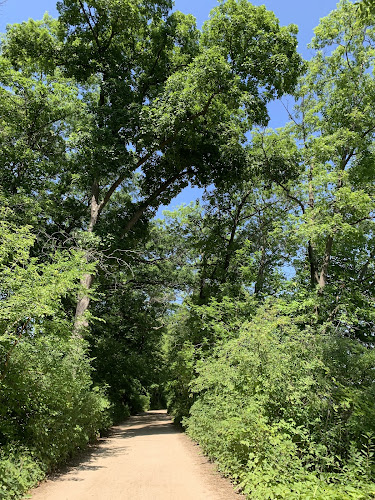
Walking through these grounds, travelers encounter restored prairies that look much like they did centuries ago, forests representing different North American biomes, and wetlands teeming with wildlife. The Arboretum isn’t trying to be a manicured garden—it’s striving to show what Wisconsin’s landscape looked like before European settlement, and that mission creates an authenticity you won’t find in typical botanical gardens. I’ve visited plenty of nature preserves that felt either too sterile or too unkempt, but this one strikes a balance that respects both the scientific purpose and the visitor experience.
More than 20 miles of trails wind through these varied habitats, offering everything from easy strolls to longer hiking adventures. The research institute aspect means you’re not just looking at pretty plants—you’re witnessing ongoing conservation work that’s been continuous for nearly a century. And that depth of commitment shows in every restored prairie flower and carefully managed forest plot.
Key Features
The Arboretum presents several distinctive habitats and features that make it worth exploring:
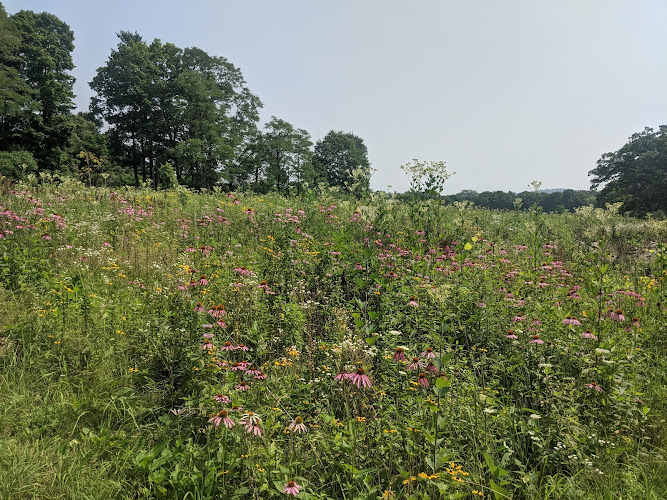
- Curtis Prairie – The world’s oldest ecological prairie restoration project, started in 1936, showcasing hundreds of native plant species that bloom throughout the growing season
- Greene Prairie – Another meticulously restored prairie ecosystem where visitors can witness the results of decades of careful seed collection and planting techniques
- Gallistel Woods – A mature deciduous forest that demonstrates what southern Wisconsin woodlands looked like historically, complete with spring wildflowers and towering oaks
- Gardner Marsh – Wetland habitat that attracts diverse bird species and offers unique perspectives on aquatic ecosystems
- Longenecker Horticultural Gardens – Features the largest lilac collection in North America, with over 100 varieties, plus extensive shrub and tree collections from around the world
- Visitor Center – Houses educational exhibits about restoration ecology and serves as the starting point for many trail explorations
- Extensive Trail System – Over 20 miles of paths ranging from paved accessible routes to more rugged hiking trails through various ecosystems
- Wildlife Viewing Opportunities – Regular sightings of deer, foxes, numerous bird species, and seasonal butterfly populations
- Seasonal Educational Programs – Nature classes and guided walks led by knowledgeable staff and volunteers throughout the year
- Cycling Routes – Designated lanes for cyclists who want to cover more ground while exploring
Best Time to Visit
Here’s where things get interesting, because the Arboretum genuinely offers different experiences depending on when you show up. Unlike some attractions that have one obvious “best” season, this place transforms throughout the year in ways that appeal to different types of travelers.
Late spring through early summer, roughly May through June, brings the prairie restorations to life with wildflowers that’ll make you stop mid-stride. The lupines create purple waves across the landscape, while other native flowers add splashes of yellow, orange, and white. This period also coincides with peak bird migration, making it ideal for anyone who enjoys birding. But fair warning—weekends during this time can get fairly crowded, especially when the lilacs bloom in late May.
Early fall, particularly September and October, offers my personal favorite visiting conditions. The weather in Madison becomes crisp and comfortable for hiking, the summer crowds thin out considerably, and the deciduous forests put on their autumn color show. The prairies take on golden hues that photograph beautifully in the slanting autumn light. Plus, there’s something about fall in Wisconsin that just feels right—maybe it’s growing up in the Midwest talking, but that seasonal transition hits different here.
Winter visiting might sound unappealing at first, but hear me out. The Arboretum maintains several trails for cross-country skiing and snowshoeing, and experiencing these landscapes under snow cover reveals structural beauty you miss during leafy seasons. The bare prairie grasses create patterns against the snow that feel almost meditative. Just bundle up properly—Wisconsin winter isn’t playing around.
Summer works perfectly fine too, though the heat and humidity can make midday hiking less pleasant in July and August. Early morning visits during summer months solve this issue while offering the bonus of active wildlife and dewey landscapes.
Really, the “best” time depends on what you’re after. Photographers should target spring wildflowers or fall colors. Families with kids might prefer summer when weather is most predictable. Solitude-seekers should aim for weekday visits in early spring or late fall.
How to Get There
Getting to the Arboretum proves refreshingly straightforward, especially for travelers already visiting Madison. The property sits on the city’s south side, easily accessible whether you’re driving, cycling, or using public transportation.
For those driving, the main entrance and Visitor Center are located off of McCaffrey Drive. From downtown Madison, the drive takes roughly 10-15 minutes depending on traffic. There’s ample parking available, and designated wheelchair accessible parking spots sit close to the main facilities. The Arboretum doesn’t charge admission or parking fees, which feels increasingly rare these days and makes it accessible for budget-conscious travelers.
Public bus routes serve the Arboretum area, making it reachable for visitors without rental cars. The Madison Metro Transit system runs routes that stop near various Arboretum entrances, though checking current schedules before your visit makes sense since routes can change seasonally.
Cyclists will appreciate that Madison generally ranks as one of America’s most bike-friendly cities, and reaching the Arboretum by bike is definitely doable. The area around the property has dedicated bike lanes, and the Arboretum itself features cycling routes within its boundaries. Many Madison hotels and accommodations offer bike rentals if you don’t have your own wheels.
For travelers flying into Madison, Dane County Regional Airport sits about 20 minutes from the Arboretum by car. Rideshare services operate throughout Madison and provide another convenient option, particularly for visitors who want to skip car rental hassles entirely.
The Arboretum’s size means it has multiple entry points, which can initially confuse first-time visitors. Starting at the main Visitor Center on McCaffrey Drive makes the most sense for initial orientation. Staff there can provide trail maps and recommendations based on your interests and mobility level.
Tips for Visiting
Stop by the Visitor Center first, even if you’re eager to hit the trails immediately. The staff there can point you toward the habitats currently showing best and warn you about any trail closures or muddy conditions. They also offer free trail maps that prove invaluable for navigation—the property is big enough that wandering without a map can lead to longer hikes than intended.
Dress in layers no matter what season you visit. Wisconsin weather can shift quickly, and nothing ruins a nature walk faster than being uncomfortably cold or overheated. The prairies offer minimal shade during summer months, so sun protection becomes essential. Conversely, those same open areas can feel brutally exposed during winter winds.
Bring water and snacks since there aren’t food vendors within the Arboretum itself. The trails range from easy to moderately difficult, but even shorter walks can work up an appetite. Public restrooms are available and wheelchair accessible, though they’re concentrated near the main facilities rather than scattered throughout the property.
Wear appropriate footwear—this seems obvious but deserves emphasis. Some trails stay relatively groomed, but others venture into areas where the ground can be uneven, muddy, or rocky depending on recent weather. Those cute sandals probably aren’t gonna cut it if you plan to explore beyond the paved paths.
The Arboretum welcomes families with children, and the variety of habitats keeps kids engaged better than you might expect. The shorter loop trails work well for little legs, and there’s something about prairie grasses and forest exploration that sparks kid curiosity. Just remember that bikes are restricted to designated cycling lanes rather than all trails, which helps preserve the paths and ensures hiker safety.
Photography enthusiasts should bring proper camera equipment—smartphones work fine for casual shots, but the wildlife and landscape opportunities here reward better gear. Early morning and late afternoon provide the best natural lighting, and patience often results in wildlife encounters worth capturing.
Dogs are allowed on leashes throughout most of the Arboretum, making it popular with local dog owners. This creates a friendly atmosphere but also means you’ll encounter plenty of canine companions during your visit. If you’re not a dog person, weekday mornings tend to see fewer four-legged visitors.
Check the Arboretum’s program calendar before your visit. They regularly offer guided walks, nature classes, and special events that can enhance your understanding of the ecosystems. Some programs require registration, but many are free and open to drop-in participation.
Plan for at least two to three hours if you want to experience multiple habitats properly. Sure, you could rush through in an hour, but that defeats the purpose. This isn’t a place to check off a list—it’s somewhere to slow down and actually observe.
Finally, remember this is an active research site. Stay on designated trails to protect restoration work and respect any areas marked for scientific study. The ecological restoration happening here represents decades of careful effort, and visitor cooperation ensures the Arboretum can continue serving both research and public access purposes.
Key Highlights
- Key Features
- Best Time to Visit
- How to Get There
- Tips for Visiting
Location
Places to Stay Near University of Wisconsin–Madison Arboretum
Find and Book a Tour
Explore More Travel Guides
No reviews found! Be the first to review!
Traveler Reviews for University of Wisconsin–Madison Arboretum
There are no reviews yet. Be the first one to write one.
Have you visited University of Wisconsin–Madison Arboretum? Help other travelers by sharing your review.
You Might Also Like

Weathers Ace Hardware of Madison
UW-Madison Lakeshore Nature Preserve
Owen Conservation Park
Find Accommodations Nearby
Recommended Tours & Activities
Visitor Reviews
There are no reviews yet. Be the first one to write one.
Share Your Experience
Have you visited University of Wisconsin–Madison Arboretum? Help other travelers by leaving a review.