UW-Madison Lakeshore Nature Preserve
About UW-Madison Lakeshore Nature Preserve
Description
The UW-Madison Lakeshore Nature Preserve offers travelers an unexpected escape right in the heart of a bustling university town. Spanning over 300 acres along the southern shore of Lake Mendota, this natural sanctuary proves that you don't need to venture deep into wilderness to find genuine tranquility and remarkable biodiversity. And honestly, that's what makes this place so special – it exists in this wonderful contradiction where academic buildings meet ancient oak savannas, where students studying for exams share trails with serious birders tracking migrating warblers. I've always found something deeply satisfying about nature preserves connected to universities. There's this intellectual curiosity baked into the experience, like the land itself is being studied and appreciated on multiple levels simultaneously. The preserve serves as both a living laboratory for research and a recreational haven for anyone seeking fresh air and natural beauty. Visitors will discover a complex mosaic of habitats including prairies, woodlands, wetlands, and lakefront shoreline – each supporting its own community of plants and wildlife. What really sets this preserve apart from your typical urban greenspace is the authentic restoration work happening here. This isn't just mowed lawn with a few trees thrown in. The university has invested serious effort into bringing back native plant communities that once dominated this landscape before European settlement. Walking through restored prairies in late summer, you'll see big bluestem grass towering overhead and native wildflowers creating scenes that would've been familiar to Ho-Chunk people who lived here centuries ago. The preserve wraps around the university campus in several disconnected parcels, which means you're essentially getting multiple nature experiences depending on which section you visit. Some areas feel wild and remote despite being minutes from lecture halls, while others offer more developed trails and easier access for those who prefer a gentler outdoor experience.Key Features
The preserve delivers an impressive array of features that appeal to different types of travelers and nature enthusiasts: • Over 14 miles of well-maintained trails ranging from easy lakefront strolls to more challenging woodland paths that'll get your heart rate up • Accessible shoreline areas along Lake Mendota providing stunning water views and perfect spots for watching sailboats drift by on summer afternoons • Picnic Point – probably the most iconic feature – extending nearly a mile into Lake Mendota and offering panoramic views that look spectacular during sunset (trust me on this one) • Frautschi Point and its fire circle, a gathering spot where you can actually build small fires with proper permits, creating memorable evening experiences • Biocore Prairie, one of the oldest prairie restorations in Wisconsin, showcasing what this region looked like before agriculture transformed the landscape • Bill's Woods, a mature oak forest that provides crucial habitat for woodland birds and creates that cathedral-like feeling under the tree canopy • Eagle Heights Woods, featuring steep ravines and spring ephemeral wildflowers that bloom before the trees leaf out • Wheelchair accessible entrance points and parking areas making much of the preserve available to visitors with mobility considerations • Educational signage throughout that explains ecological restoration, native species, and the preserve's management practices without being overly academic or boring • Wildlife viewing opportunities including white-tailed deer, foxes, various waterfowl, songbirds, and occasionally bald eagles fishing along the lakeshore • Kid-friendly trail options that work well for families wanting to introduce children to hiking without the challenge of difficult terrain The diversity here really can't be overstated. Within a single visit, you might walk through a wetland, climb through oak forest, emerge onto prairie, and end up with your feet nearly in the lake.Best Time to Visit
Each season transforms the preserve into something completely different, so your ideal visiting time depends on what kind of experience you're after. Spring brings an explosion of wildflowers, particularly in the woodland areas where trilliums, bloodroot, and hepatica carpet the forest floor before the trees fully leaf out. Late April through mid-May hits that sweet spot. The migrating birds are moving through too, making it an exceptional time for birdwatching. But be prepared for muddy trails – Wisconsin springs are notoriously wet, and the trails can be pretty sloppy. Summer offers the easiest access and warmest weather, naturally making it the most popular season. July and August see the prairies at their peak, with coneflowers, black-eyed Susans, and compass plants in full bloom. The lake beckons on hot days, and you'll find locals swimming at certain spots along the shore. However, you'll also encounter more mosquitoes and share the trails with lots of other visitors, particularly students and Madison residents escaping the heat. Fall might actually be my personal favorite time here. Late September through October delivers spectacular foliage as the oak and maple trees turn brilliant shades of red, orange, and gold. The cooler temperatures make for comfortable hiking, the bugs have mostly disappeared, and there's something poignant about walking through prairie grasses as they fade to golden brown. Plus, the preserve feels quieter once the summer crowds thin out. Winter shouldn't be overlooked either. When Lake Mendota freezes over, the preserve takes on this stark, beautiful quality. The trails remain open for winter hiking and snowshoeing, and you'll often have entire sections to yourself. The bare trees reveal views that are hidden during leafy months, and tracking animal footprints in fresh snow adds an element of discovery to your visit. Weekday mornings generally offer the most peaceful experience regardless of season, especially during the academic year when most students are in class. Weekend afternoons tend to be busiest, particularly on Picnic Point.How to Get There
Getting to the UW-Madison Lakeshore Nature Preserve is refreshingly straightforward, though the multiple access points can be initially confusing for first-time visitors. If you're driving, you'll find the preserve has several parking areas depending on which section you want to explore. The main parking lot near the University Bay Drive entrance provides good access to Picnic Point and the central trail system. There's also parking available near Eagle Heights Woods and other preserve sections. Be aware that parking can be limited during busy times, and some lots require university parking permits during weekday business hours. Checking the current parking regulations before your visit saves potential headaches and parking tickets. For those staying in downtown Madison, biking to the preserve makes excellent sense. The city has decent bike infrastructure, and several bike paths connect to preserve access points. It's about a 10-15 minute ride from the capitol square to most preserve entrances, making it totally doable even if you're not a serious cyclist. The Madison Metro Transit system serves areas near the preserve with several bus routes stopping within walking distance of different access points. Bus routes 2, 10, and 80 get you closest to various preserve sections. The university campus is generally walkable once you arrive by bus, and many travelers appreciate not dealing with parking altogether. If you're already on the UW-Madison campus for other reasons – maybe touring the university or attending an event – you can literally walk to preserve entrances from many academic buildings. The preserve was intentionally designed to be accessible to the campus community, which benefits visitors staying in the university area. The preserve doesn't have a single main entrance or visitor center in the traditional sense, which throws some people off initially. Instead, you've got multiple trail access points scattered around. Picnic Point serves as the most recognizable landmark and makes a good first destination for newcomers. From there, you can explore the connected trail system and get a feel for the preserve's layout.Tips for Visiting
Bringing your own water is essential because you won't find drinking fountains along the trails. I learned this the hard way during a particularly hot July afternoon when I severely underestimated my hydration needs. The lake water might look tempting but definitely isn't suitable for drinking. Check the trail conditions before heading out, especially during spring and after heavy rains. The preserve maintains a website with current trail status updates, and paying attention to these can prevent you from slogging through boot-sucking mud. Some trails close temporarily during wet periods to prevent erosion damage. Wearing appropriate footwear makes a huge difference in your experience. While some paved or well-packed trails work fine with regular sneakers, many paths can be uneven, rooty, or muddy. Actual hiking shoes or boots provide better ankle support and traction. The preserve allows dogs on leash, but you need to actually keep them leashed. Loose dogs disturb wildlife and other visitors, and rangers do enforce this rule. Also, pack out your dog's waste – the preserve isn't staffed like a city park with waste stations everywhere. Downloading or picking up a trail map helps tremendously since the preserve's fragmented layout can be disorienting. The trails aren't always clearly marked at every junction, and getting turned around is easier than you'd think even in this relatively compact area. Mosquito repellent during warmer months isn't optional – it's mandatory. The wetland areas breed impressive populations of these buzzing annoyances, and they can really diminish your enjoyment if you're not prepared. Sunrise and sunset transform the lakefront areas into something magical. Picnic Point facing west offers spectacular sunset views, while early morning light across the wetlands creates incredible photography opportunities. The preserve opens from dawn to dusk year-round. Respect the restoration areas and stay on designated trails. The preserve staff works incredibly hard to establish native plant communities, and trampling through restoration sites damages years of effort. Those "keep out" signs exist for good reasons. Winter visitors should dress in layers and consider traction devices for icy conditions. The trails aren't salted or plowed, so winter hiking requires appropriate preparation. Finally, taking your time reveals far more than rushing through does. This isn't a place to speed-walk through while checking your phone. Slow down, look around, listen to the bird calls, notice the small details. That's when the preserve really works its magic and you understand why this patch of nature within a university campus has become such a treasured resource.Key Features
- Over 300 acres of diverse habitats including prairies, wetlands, woodland and shoreline
- Approximately 4 miles of shoreline on Lake Mendota with scenic bluff and lake views
- Extensive trail network connecting campus sites, historic cottages and observation points
- Active restoration and research projects led by UW–Madison faculty, students and volunteers
- Excellent birdwatching and seasonal wildflower displays
More Details
Updated January 17, 2026
Table of Contents
- Description
- Key Features
- Best Time to Visit
- How to Get There
- Tips for Visiting
- Key Highlights
- Location
- Places to Stay Near UW-Madison Lakeshore Nature Preserve
- Find and Book a Tour
- Explore More Travel Guides
- Nearby Places You Might Like
- Traveler Reviews for UW-Madison Lakeshore Nature Preserve
- Share Your Experience
Description
The UW-Madison Lakeshore Nature Preserve offers travelers an unexpected escape right in the heart of a bustling university town. Spanning over 300 acres along the southern shore of Lake Mendota, this natural sanctuary proves that you don’t need to venture deep into wilderness to find genuine tranquility and remarkable biodiversity. And honestly, that’s what makes this place so special – it exists in this wonderful contradiction where academic buildings meet ancient oak savannas, where students studying for exams share trails with serious birders tracking migrating warblers.
I’ve always found something deeply satisfying about nature preserves connected to universities. There’s this intellectual curiosity baked into the experience, like the land itself is being studied and appreciated on multiple levels simultaneously. The preserve serves as both a living laboratory for research and a recreational haven for anyone seeking fresh air and natural beauty. Visitors will discover a complex mosaic of habitats including prairies, woodlands, wetlands, and lakefront shoreline – each supporting its own community of plants and wildlife.
What really sets this preserve apart from your typical urban greenspace is the authentic restoration work happening here. This isn’t just mowed lawn with a few trees thrown in. The university has invested serious effort into bringing back native plant communities that once dominated this landscape before European settlement. Walking through restored prairies in late summer, you’ll see big bluestem grass towering overhead and native wildflowers creating scenes that would’ve been familiar to Ho-Chunk people who lived here centuries ago.
The preserve wraps around the university campus in several disconnected parcels, which means you’re essentially getting multiple nature experiences depending on which section you visit. Some areas feel wild and remote despite being minutes from lecture halls, while others offer more developed trails and easier access for those who prefer a gentler outdoor experience.
Key Features
The preserve delivers an impressive array of features that appeal to different types of travelers and nature enthusiasts:
• Over 14 miles of well-maintained trails ranging from easy lakefront strolls to more challenging woodland paths that’ll get your heart rate up
• Accessible shoreline areas along Lake Mendota providing stunning water views and perfect spots for watching sailboats drift by on summer afternoons
• Picnic Point – probably the most iconic feature – extending nearly a mile into Lake Mendota and offering panoramic views that look spectacular during sunset (trust me on this one)
• Frautschi Point and its fire circle, a gathering spot where you can actually build small fires with proper permits, creating memorable evening experiences
• Biocore Prairie, one of the oldest prairie restorations in Wisconsin, showcasing what this region looked like before agriculture transformed the landscape
• Bill’s Woods, a mature oak forest that provides crucial habitat for woodland birds and creates that cathedral-like feeling under the tree canopy
• Eagle Heights Woods, featuring steep ravines and spring ephemeral wildflowers that bloom before the trees leaf out
• Wheelchair accessible entrance points and parking areas making much of the preserve available to visitors with mobility considerations
• Educational signage throughout that explains ecological restoration, native species, and the preserve’s management practices without being overly academic or boring
• Wildlife viewing opportunities including white-tailed deer, foxes, various waterfowl, songbirds, and occasionally bald eagles fishing along the lakeshore
• Kid-friendly trail options that work well for families wanting to introduce children to hiking without the challenge of difficult terrain
The diversity here really can’t be overstated. Within a single visit, you might walk through a wetland, climb through oak forest, emerge onto prairie, and end up with your feet nearly in the lake.
Best Time to Visit
Each season transforms the preserve into something completely different, so your ideal visiting time depends on what kind of experience you’re after.
Spring brings an explosion of wildflowers, particularly in the woodland areas where trilliums, bloodroot, and hepatica carpet the forest floor before the trees fully leaf out. Late April through mid-May hits that sweet spot. The migrating birds are moving through too, making it an exceptional time for birdwatching. But be prepared for muddy trails – Wisconsin springs are notoriously wet, and the trails can be pretty sloppy.
Summer offers the easiest access and warmest weather, naturally making it the most popular season. July and August see the prairies at their peak, with coneflowers, black-eyed Susans, and compass plants in full bloom. The lake beckons on hot days, and you’ll find locals swimming at certain spots along the shore. However, you’ll also encounter more mosquitoes and share the trails with lots of other visitors, particularly students and Madison residents escaping the heat.
Fall might actually be my personal favorite time here. Late September through October delivers spectacular foliage as the oak and maple trees turn brilliant shades of red, orange, and gold. The cooler temperatures make for comfortable hiking, the bugs have mostly disappeared, and there’s something poignant about walking through prairie grasses as they fade to golden brown. Plus, the preserve feels quieter once the summer crowds thin out.
Winter shouldn’t be overlooked either. When Lake Mendota freezes over, the preserve takes on this stark, beautiful quality. The trails remain open for winter hiking and snowshoeing, and you’ll often have entire sections to yourself. The bare trees reveal views that are hidden during leafy months, and tracking animal footprints in fresh snow adds an element of discovery to your visit.
Weekday mornings generally offer the most peaceful experience regardless of season, especially during the academic year when most students are in class. Weekend afternoons tend to be busiest, particularly on Picnic Point.
How to Get There
Getting to the UW-Madison Lakeshore Nature Preserve is refreshingly straightforward, though the multiple access points can be initially confusing for first-time visitors.
If you’re driving, you’ll find the preserve has several parking areas depending on which section you want to explore. The main parking lot near the University Bay Drive entrance provides good access to Picnic Point and the central trail system. There’s also parking available near Eagle Heights Woods and other preserve sections. Be aware that parking can be limited during busy times, and some lots require university parking permits during weekday business hours. Checking the current parking regulations before your visit saves potential headaches and parking tickets.
For those staying in downtown Madison, biking to the preserve makes excellent sense. The city has decent bike infrastructure, and several bike paths connect to preserve access points. It’s about a 10-15 minute ride from the capitol square to most preserve entrances, making it totally doable even if you’re not a serious cyclist.
The Madison Metro Transit system serves areas near the preserve with several bus routes stopping within walking distance of different access points. Bus routes 2, 10, and 80 get you closest to various preserve sections. The university campus is generally walkable once you arrive by bus, and many travelers appreciate not dealing with parking altogether.
If you’re already on the UW-Madison campus for other reasons – maybe touring the university or attending an event – you can literally walk to preserve entrances from many academic buildings. The preserve was intentionally designed to be accessible to the campus community, which benefits visitors staying in the university area.
The preserve doesn’t have a single main entrance or visitor center in the traditional sense, which throws some people off initially. Instead, you’ve got multiple trail access points scattered around. Picnic Point serves as the most recognizable landmark and makes a good first destination for newcomers. From there, you can explore the connected trail system and get a feel for the preserve’s layout.
Tips for Visiting
Bringing your own water is essential because you won’t find drinking fountains along the trails. I learned this the hard way during a particularly hot July afternoon when I severely underestimated my hydration needs. The lake water might look tempting but definitely isn’t suitable for drinking.
Check the trail conditions before heading out, especially during spring and after heavy rains. The preserve maintains a website with current trail status updates, and paying attention to these can prevent you from slogging through boot-sucking mud. Some trails close temporarily during wet periods to prevent erosion damage.
Wearing appropriate footwear makes a huge difference in your experience. While some paved or well-packed trails work fine with regular sneakers, many paths can be uneven, rooty, or muddy. Actual hiking shoes or boots provide better ankle support and traction.
The preserve allows dogs on leash, but you need to actually keep them leashed. Loose dogs disturb wildlife and other visitors, and rangers do enforce this rule. Also, pack out your dog’s waste – the preserve isn’t staffed like a city park with waste stations everywhere.
Downloading or picking up a trail map helps tremendously since the preserve’s fragmented layout can be disorienting. The trails aren’t always clearly marked at every junction, and getting turned around is easier than you’d think even in this relatively compact area.
Mosquito repellent during warmer months isn’t optional – it’s mandatory. The wetland areas breed impressive populations of these buzzing annoyances, and they can really diminish your enjoyment if you’re not prepared.
Sunrise and sunset transform the lakefront areas into something magical. Picnic Point facing west offers spectacular sunset views, while early morning light across the wetlands creates incredible photography opportunities. The preserve opens from dawn to dusk year-round.
Respect the restoration areas and stay on designated trails. The preserve staff works incredibly hard to establish native plant communities, and trampling through restoration sites damages years of effort. Those “keep out” signs exist for good reasons.
Winter visitors should dress in layers and consider traction devices for icy conditions. The trails aren’t salted or plowed, so winter hiking requires appropriate preparation.
Finally, taking your time reveals far more than rushing through does. This isn’t a place to speed-walk through while checking your phone. Slow down, look around, listen to the bird calls, notice the small details. That’s when the preserve really works its magic and you understand why this patch of nature within a university campus has become such a treasured resource.
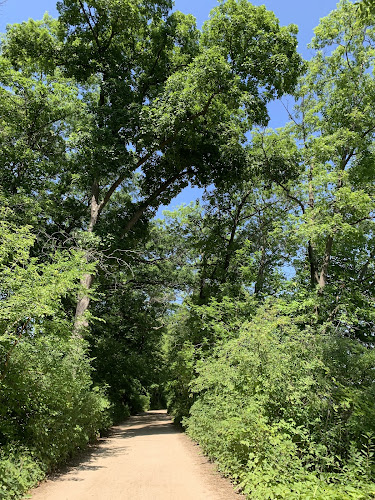
Key Highlights
- Over 300 acres of diverse habitats including prairies, wetlands, woodland and shoreline
- Approximately 4 miles of shoreline on Lake Mendota with scenic bluff and lake views
- Extensive trail network connecting campus sites, historic cottages and observation points
- Active restoration and research projects led by UW–Madison faculty, students and volunteers
- Excellent birdwatching and seasonal wildflower displays
Location
Places to Stay Near UW-Madison Lakeshore Nature Preserve
Find and Book a Tour
Explore More Travel Guides
No reviews found! Be the first to review!
Traveler Reviews for UW-Madison Lakeshore Nature Preserve
There are no reviews yet. Be the first one to write one.
Have you visited UW-Madison Lakeshore Nature Preserve? Help other travelers by sharing your review.
Nearby Attractions
Find Accommodations Nearby
Recommended Tours & Activities
Visitor Reviews
There are no reviews yet. Be the first one to write one.
Share Your Experience
Have you visited UW-Madison Lakeshore Nature Preserve? Help other travelers by leaving a review.
