
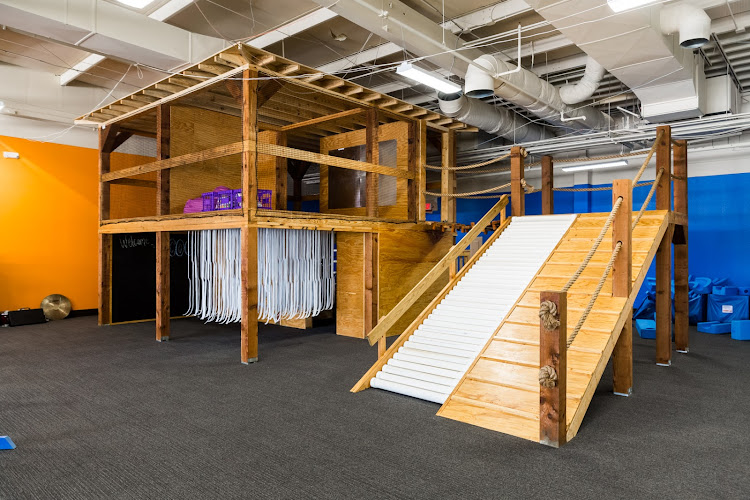
Explorium Denton Children’s Museum a Program of Denton County Friends of The Family.
About Explorium Denton Children’s Museum a Program of Denton County Friends of The Family.
Description
The Explorium Denton Children's Museum represents something pretty special in North Texas—a hands-on learning environment that's operated as a program of Denton County Friends of The Family, which means your visit actually supports a meaningful community cause. This isn't just another place to tire out the kids before nap time (though it definitely does that too). The museum creates an interactive space where children can explore, discover, and learn through play-based activities that genuinely engage their curiosity. What makes this place different from your typical children's museum is its connection to a nonprofit organization dedicated to breaking the cycle of family violence and promoting healthy relationships. So when families visit, they're supporting an organization that provides essential services to the Denton County community. It's one of those feel-good situations where everyone wins—kids get an amazing experience, and the community benefits from the admission fees that help fund important programs. The museum itself focuses on creating developmentally appropriate experiences for younger children, particularly those in the preschool to elementary age range. You won't find massive, overwhelming exhibits here. Instead, the space is thoughtfully designed to encourage imagination and hands-on exploration without sensory overload that can happen at larger institutions. And honestly? Sometimes smaller is better, especially when you're traveling with little ones who can get exhausted quickly. Travelers passing through the Denton area or staying nearby will find this museum offers a perfect break from highway driving or a rainy day alternative to outdoor activities. The facility provides a climate-controlled environment where kids can burn energy while parents can actually sit down for a moment—a rare luxury when you're on the road with children.Key Features
- Multiple play areas designed for different age groups and developmental stages, ensuring toddlers through early elementary kids all find age-appropriate activities
- Onsite cafe where families can grab snacks and drinks without having to pack out everyone and find a restaurant—this is genuinely such a lifesaver when traveling
- Completely wheelchair accessible throughout, including the entrance, parking lot, and restrooms, making it inclusive for families with varying mobility needs
- Free Wi-Fi access so parents can check directions, make reservations, or keep older siblings entertained if needed
- Interactive exhibits that change periodically, meaning repeat visitors get fresh experiences
- Climate-controlled indoor environment that works year-round regardless of Texas weather extremes
- Educational programming that aligns with early childhood development principles
- Community-focused mission that makes admission fees feel purposeful
- Playground area that extends the play experience beyond traditional museum exhibits
- Clean, well-maintained restroom facilities—any parent knows this matters way more than it should
Best Time to Visit
Timing your visit to the Explorium can make a significant difference in your experience. Weekday mornings, particularly Tuesday through Thursday between 10 AM and noon, tend to be the quietest times. You'll find fewer crowds, which means less waiting for popular exhibits and a more relaxed atmosphere overall. I've learned through traveling with kids that avoiding peak times isn't about being antisocial—it's about maximizing the actual play time versus standing-around time. Weekend mornings right when the museum opens also work well, though they fill up faster than weekdays. If you arrive within the first 30 minutes of opening, you'll still get that uncrowded experience before local families start trickling in around mid-morning. Avoid visiting during school holidays and breaks if possible, especially spring break and the summer months of June and July. These periods bring in maximum crowds, and the space can feel cramped. But if you're traveling during these times anyway, going on a weekday rather than weekend still helps manage the crowd factor. Weather plays an interesting role too. On beautiful sunny days, you'll find smaller crowds because families opt for outdoor activities. Conversely, rainy days or extreme heat days (and Texas gets plenty of those) bring everyone indoors. So checking the forecast before you plan your visit might influence your decision. The museum occasionally hosts special events or educational programs, and while these can be fantastic experiences, they also draw larger crowds. Check their schedule ahead of time so you know what to expect. Some travelers might actually want to coordinate their visit with these special programs for the added value. Season-wise, fall and spring offer the most comfortable overall experience. The weather's nice enough that you won't feel cooped up all day, and crowds tend to be moderate. Winter months can be great too, though watch out for holiday breaks when everyone's looking for indoor activities.How to Get There
The Explorium Denton Children's Museum sits in Denton, Texas, which is part of the Dallas-Fort Worth metropolitan area but maintains its own distinct character. For travelers flying into the region, both Dallas/Fort Worth International Airport (DFW) and Dallas Love Field serve as your main entry points. DFW is typically closer, sitting about 25-30 miles southeast depending on your route. From DFW Airport, you'll want to take the Airport exit toward International Parkway, then merge onto I-35E North. This becomes US-77 North/I-35E North, and you'll follow this for roughly 20-25 miles depending on traffic conditions. The drive typically takes 35-45 minutes without traffic, but the Dallas-Fort Worth area can experience significant congestion during rush hours, so plan accordingly. If you're already exploring the Dallas-Fort Worth region and driving from downtown Dallas, take I-35E North for about 40 miles. The route is straightforward—basically just stay on I-35E as it heads north through the suburbs and into Denton. From Fort Worth, you'd take I-35W North for approximately 35-40 miles until you reach Denton. For travelers coming from Oklahoma, you'll likely be on I-35 South already. Denton sits right along this major corridor, making it an easy stop if you're heading toward the Dallas area from points north. It's actually a strategic location for breaking up a longer drive—your kids can stretch their legs and play while you reset for the next leg of your journey. The museum provides wheelchair accessible parking right on site, which matters tremendously if you're traveling with mobility devices, strollers, or just lots of kid gear. Parking is generally plentiful except during peak weekend times. Public transportation in Denton exists through the Denton County Transportation Authority (DCTA), which connects to the larger Dallas Area Rapid Transit (DART) system. However, most travelers find driving more practical, especially with children and all the equipment that entails. Rideshare services like Uber and Lyft operate in Denton if you're staying nearby and prefer not to drive.Tips for Visiting
Arriving prepared makes all the difference when visiting any children's museum, but especially when you're traveling. First thing—pack snacks and water bottles even though there's a cafe onsite. Kids always need snacks at the most inconvenient times, and having your own supply prevents meltdowns. Plus, you can save some money on the little stuff while supporting the museum through admission fees. Dress your kids in comfortable clothes they can move freely in. This sounds obvious, but I've seen families arrive with kids in restrictive or fancy outfits that limit their play. Think layers too—museums sometimes run cold from air conditioning, but active kids heat up quickly. Bring socks for everyone. Many children's museums require or strongly encourage socks in certain play areas for hygiene reasons. Having them on hand prevents the annoying situation of needing to buy overpriced socks at the gift shop or missing out on exhibits. Plan for at least two to three hours at the museum. Rushing through defeats the purpose, and kids need time to fully engage with exhibits. But also know your children's limits—if they start getting overstimulated or tired, it's okay to leave early. You can always come back another time if you're in the area for an extended stay. Take advantage of the Wi-Fi to plan your next destination while kids play. This is actually one of the smartest uses of museum time for travelers—your kids are safely entertained and supervised while you can sit down, connect to reliable internet, and organize the next part of your trip. The accessibility features here are comprehensive, so if you're traveling with someone who uses a wheelchair or has mobility challenges, don't hesitate to take advantage of these accommodations. The staff understands accessibility needs and can help navigate any questions. Budget for the admission fees in your travel planning. While the museum is operated by a nonprofit and fees support community programs, it's still an expense to factor in alongside your other travel costs. Check if they offer any family packages or multi-visit options if you're staying in the area for several days. Visit the restrooms before you think you need to. This is parenting 101 but bears repeating for travelers—nothing derails an outing faster than a bathroom emergency when you don't know where facilities are located. Consider visiting during "off" meal times if you plan to use the cafe. Arriving around 11 AM or 1:30 PM means you can grab food before or after the lunch rush, reducing wait times and crowding. Connect with other traveling families. Museums like this naturally create community, and you might meet other families on the road who have great recommendations for your next stop. Some of my best travel tips have come from random conversations with other parents at children's museums. Take photos but don't spend the whole visit behind your phone. Yes, document the memories, but also be present. Kids notice when we're constantly filming rather than engaging with them. Check their policies on outside food if you have dietary restrictions or picky eaters. Most children's museums are understanding about allergies and special dietary needs, but knowing the rules ahead of time prevents any awkward situations. Finally, remember that the museum supports Denton County Friends of The Family's mission. Taking a moment to learn about the organization's work adds depth to your visit and helps kids understand that fun places can also serve important community purposes.Key Features
- Multiple play areas designed for different age groups and developmental stages, ensuring toddlers through early elementary kids all find age-appropriate activities
- Onsite cafe where families can grab snacks and drinks without having to pack out everyone and find a restaurant—this is genuinely such a lifesaver when traveling
- Completely wheelchair accessible throughout, including the entrance, parking lot, and restrooms, making it inclusive for families with varying mobility needs
- Free Wi-Fi access so parents can check directions, make reservations, or keep older siblings entertained if needed
- Interactive exhibits that change periodically, meaning repeat visitors get fresh experiences
- Climate-controlled indoor environment that works year-round regardless of Texas weather extremes
- Educational programming that aligns with early childhood development principles
- Community-focused mission that makes admission fees feel purposeful
More Details
Updated January 17, 2026
Table of Contents
- Description
- Key Features
- Best Time to Visit
- How to Get There
- Tips for Visiting
- Key Highlights
- Location
- Places to Stay Near Explorium Denton Children's Museum a Program of Denton County Friends of The Family.
- Find and Book a Tour
- Explore More Travel Guides
- Nearby Places You Might Like
- Traveler Reviews for Explorium Denton Children’s Museum a Program of Denton County Friends of The Family.
- Share Your Experience
Description
The Explorium Denton Children’s Museum represents something pretty special in North Texas—a hands-on learning environment that’s operated as a program of Denton County Friends of The Family, which means your visit actually supports a meaningful community cause. This isn’t just another place to tire out the kids before nap time (though it definitely does that too). The museum creates an interactive space where children can explore, discover, and learn through play-based activities that genuinely engage their curiosity.
What makes this place different from your typical children’s museum is its connection to a nonprofit organization dedicated to breaking the cycle of family violence and promoting healthy relationships. So when families visit, they’re supporting an organization that provides essential services to the Denton County community. It’s one of those feel-good situations where everyone wins—kids get an amazing experience, and the community benefits from the admission fees that help fund important programs.
The museum itself focuses on creating developmentally appropriate experiences for younger children, particularly those in the preschool to elementary age range. You won’t find massive, overwhelming exhibits here. Instead, the space is thoughtfully designed to encourage imagination and hands-on exploration without sensory overload that can happen at larger institutions. And honestly? Sometimes smaller is better, especially when you’re traveling with little ones who can get exhausted quickly.
Travelers passing through the Denton area or staying nearby will find this museum offers a perfect break from highway driving or a rainy day alternative to outdoor activities. The facility provides a climate-controlled environment where kids can burn energy while parents can actually sit down for a moment—a rare luxury when you’re on the road with children.
Key Features
- Multiple play areas designed for different age groups and developmental stages, ensuring toddlers through early elementary kids all find age-appropriate activities
- Onsite cafe where families can grab snacks and drinks without having to pack out everyone and find a restaurant—this is genuinely such a lifesaver when traveling
- Completely wheelchair accessible throughout, including the entrance, parking lot, and restrooms, making it inclusive for families with varying mobility needs
- Free Wi-Fi access so parents can check directions, make reservations, or keep older siblings entertained if needed
- Interactive exhibits that change periodically, meaning repeat visitors get fresh experiences
- Climate-controlled indoor environment that works year-round regardless of Texas weather extremes
- Educational programming that aligns with early childhood development principles
- Community-focused mission that makes admission fees feel purposeful
- Playground area that extends the play experience beyond traditional museum exhibits
- Clean, well-maintained restroom facilities—any parent knows this matters way more than it should
Best Time to Visit
Timing your visit to the Explorium can make a significant difference in your experience. Weekday mornings, particularly Tuesday through Thursday between 10 AM and noon, tend to be the quietest times. You’ll find fewer crowds, which means less waiting for popular exhibits and a more relaxed atmosphere overall. I’ve learned through traveling with kids that avoiding peak times isn’t about being antisocial—it’s about maximizing the actual play time versus standing-around time.
Weekend mornings right when the museum opens also work well, though they fill up faster than weekdays. If you arrive within the first 30 minutes of opening, you’ll still get that uncrowded experience before local families start trickling in around mid-morning.
Avoid visiting during school holidays and breaks if possible, especially spring break and the summer months of June and July. These periods bring in maximum crowds, and the space can feel cramped. But if you’re traveling during these times anyway, going on a weekday rather than weekend still helps manage the crowd factor.
Weather plays an interesting role too. On beautiful sunny days, you’ll find smaller crowds because families opt for outdoor activities. Conversely, rainy days or extreme heat days (and Texas gets plenty of those) bring everyone indoors. So checking the forecast before you plan your visit might influence your decision.
The museum occasionally hosts special events or educational programs, and while these can be fantastic experiences, they also draw larger crowds. Check their schedule ahead of time so you know what to expect. Some travelers might actually want to coordinate their visit with these special programs for the added value.
Season-wise, fall and spring offer the most comfortable overall experience. The weather’s nice enough that you won’t feel cooped up all day, and crowds tend to be moderate. Winter months can be great too, though watch out for holiday breaks when everyone’s looking for indoor activities.
How to Get There
The Explorium Denton Children’s Museum sits in Denton, Texas, which is part of the Dallas-Fort Worth metropolitan area but maintains its own distinct character. For travelers flying into the region, both Dallas/Fort Worth International Airport (DFW) and Dallas Love Field serve as your main entry points. DFW is typically closer, sitting about 25-30 miles southeast depending on your route.
From DFW Airport, you’ll want to take the Airport exit toward International Parkway, then merge onto I-35E North. This becomes US-77 North/I-35E North, and you’ll follow this for roughly 20-25 miles depending on traffic conditions. The drive typically takes 35-45 minutes without traffic, but the Dallas-Fort Worth area can experience significant congestion during rush hours, so plan accordingly.
If you’re already exploring the Dallas-Fort Worth region and driving from downtown Dallas, take I-35E North for about 40 miles. The route is straightforward—basically just stay on I-35E as it heads north through the suburbs and into Denton. From Fort Worth, you’d take I-35W North for approximately 35-40 miles until you reach Denton.
For travelers coming from Oklahoma, you’ll likely be on I-35 South already. Denton sits right along this major corridor, making it an easy stop if you’re heading toward the Dallas area from points north. It’s actually a strategic location for breaking up a longer drive—your kids can stretch their legs and play while you reset for the next leg of your journey.
The museum provides wheelchair accessible parking right on site, which matters tremendously if you’re traveling with mobility devices, strollers, or just lots of kid gear. Parking is generally plentiful except during peak weekend times.
Public transportation in Denton exists through the Denton County Transportation Authority (DCTA), which connects to the larger Dallas Area Rapid Transit (DART) system. However, most travelers find driving more practical, especially with children and all the equipment that entails. Rideshare services like Uber and Lyft operate in Denton if you’re staying nearby and prefer not to drive.
Tips for Visiting
Arriving prepared makes all the difference when visiting any children’s museum, but especially when you’re traveling. First thing—pack snacks and water bottles even though there’s a cafe onsite. Kids always need snacks at the most inconvenient times, and having your own supply prevents meltdowns. Plus, you can save some money on the little stuff while supporting the museum through admission fees.
Dress your kids in comfortable clothes they can move freely in. This sounds obvious, but I’ve seen families arrive with kids in restrictive or fancy outfits that limit their play. Think layers too—museums sometimes run cold from air conditioning, but active kids heat up quickly.
Bring socks for everyone. Many children’s museums require or strongly encourage socks in certain play areas for hygiene reasons. Having them on hand prevents the annoying situation of needing to buy overpriced socks at the gift shop or missing out on exhibits.
Plan for at least two to three hours at the museum. Rushing through defeats the purpose, and kids need time to fully engage with exhibits. But also know your children’s limits—if they start getting overstimulated or tired, it’s okay to leave early. You can always come back another time if you’re in the area for an extended stay.
Take advantage of the Wi-Fi to plan your next destination while kids play. This is actually one of the smartest uses of museum time for travelers—your kids are safely entertained and supervised while you can sit down, connect to reliable internet, and organize the next part of your trip.
The accessibility features here are comprehensive, so if you’re traveling with someone who uses a wheelchair or has mobility challenges, don’t hesitate to take advantage of these accommodations. The staff understands accessibility needs and can help navigate any questions.
Budget for the admission fees in your travel planning. While the museum is operated by a nonprofit and fees support community programs, it’s still an expense to factor in alongside your other travel costs. Check if they offer any family packages or multi-visit options if you’re staying in the area for several days.
Visit the restrooms before you think you need to. This is parenting 101 but bears repeating for travelers—nothing derails an outing faster than a bathroom emergency when you don’t know where facilities are located.
Consider visiting during “off” meal times if you plan to use the cafe. Arriving around 11 AM or 1:30 PM means you can grab food before or after the lunch rush, reducing wait times and crowding.
Connect with other traveling families. Museums like this naturally create community, and you might meet other families on the road who have great recommendations for your next stop. Some of my best travel tips have come from random conversations with other parents at children’s museums.
Take photos but don’t spend the whole visit behind your phone. Yes, document the memories, but also be present. Kids notice when we’re constantly filming rather than engaging with them.
Check their policies on outside food if you have dietary restrictions or picky eaters. Most children’s museums are understanding about allergies and special dietary needs, but knowing the rules ahead of time prevents any awkward situations.
Finally, remember that the museum supports Denton County Friends of The Family’s mission. Taking a moment to learn about the organization’s work adds depth to your visit and helps kids understand that fun places can also serve important community purposes.
Key Highlights
- Multiple play areas designed for different age groups and developmental stages, ensuring toddlers through early elementary kids all find age-appropriate activities
- Onsite cafe where families can grab snacks and drinks without having to pack out everyone and find a restaurant—this is genuinely such a lifesaver when traveling
- Completely wheelchair accessible throughout, including the entrance, parking lot, and restrooms, making it inclusive for families with varying mobility needs
- Free Wi-Fi access so parents can check directions, make reservations, or keep older siblings entertained if needed
- Interactive exhibits that change periodically, meaning repeat visitors get fresh experiences
- Climate-controlled indoor environment that works year-round regardless of Texas weather extremes
- Educational programming that aligns with early childhood development principles
- Community-focused mission that makes admission fees feel purposeful
Location
Places to Stay Near Explorium Denton Children's Museum a Program of Denton County Friends of The Family.
Find and Book a Tour
Explore More Travel Guides
No reviews found! Be the first to review!
Traveler Reviews for Explorium Denton Children’s Museum a Program of Denton County Friends of The Family.
There are no reviews yet. Be the first one to write one.
Have you visited Explorium Denton Children’s Museum a Program of Denton County Friends of The Family.? Help other travelers by sharing your review.
You Might Also Like

Denton - Historical Park

Texas Fashion Collection, University of North Texas

The DENTON Wall of Art
Find Accommodations Nearby
Recommended Tours & Activities
Visitor Reviews
There are no reviews yet. Be the first one to write one.
Share Your Experience
Have you visited Explorium Denton Children’s Museum a Program of Denton County Friends of The Family.? Help other travelers by leaving a review.