
Deokpyeong dinosaur the Arboretum
About Deokpyeong dinosaur the Arboretum
Description
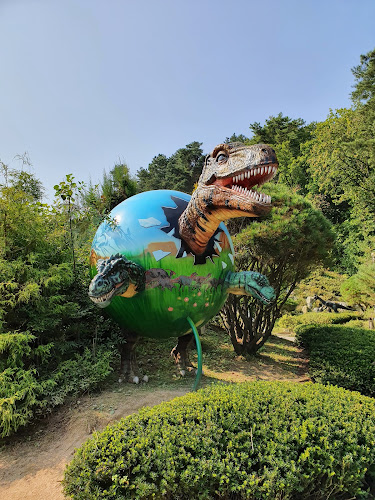
Deokpyeong Dinosaur Arboretum stands as one of South Korea's more intriguing family destinations, combining the ancient world of prehistoric creatures with the natural beauty of carefully curated botanical gardens. Located in the Gwangju area of Gyeonggi Province, this attraction manages to pull off something that sounds a bit odd on paper but works surprisingly well in practice—merging dinosaur replicas with living plant collections. The arboretum sprawls across a considerable area where visitors can wander through themed gardens while encountering life-sized dinosaur models positioned throughout the grounds. And honestly, it's exactly as quirky as it sounds. The concept might seem like it's trying to do too much at once, but there's something genuinely charming about stumbling upon a Tyrannosaurus Rex while you're admiring seasonal flowers. What makes this place different from your typical dinosaur theme park is the genuine attention paid to the botanical side of things. The staff has put real effort into cultivating diverse plant species across different garden zones, each designed with specific themes and purposes. You're not just getting plastic dinosaurs plopped into a field—though let's be real, there are definitely moments where it feels a bit like that—but rather a legitimate arboretum that happens to have prehistoric neighbors. The facility caters particularly well to families with young children, which explains why you'll often see groups of excited kids racing between dinosaur displays while their parents lag behind with cameras and diaper bags. But don't write it off as just a kiddie destination. I've watched plenty of adults get genuinely excited about the larger dinosaur installations, and the gardens themselves offer enough horticultural interest to satisfy plant enthusiasts who might initially scoff at the dinosaur gimmick.Key Features
The Deokpyeong Dinosaur Arboretum packs quite a bit into its grounds, offering visitors several distinct experiences: • Multiple themed garden areas featuring native Korean plants alongside exotic species from various climate zones • Over a hundred dinosaur models ranging from small raptors to massive sauropods positioned strategically throughout the walking paths • Dedicated hiking trails that wind through wooded areas, offering a more natural setting away from the main garden displays • A well-equipped playground area with swings and climbing structures where kids can burn off energy between garden walks • Designated picnic zones with tables scattered throughout the property, making it easy to settle in for an outdoor meal • Accessible facilities including wheelchair-friendly entrances, parking spaces, and restrooms ensuring visitors with mobility challenges can enjoy the full experience • Educational displays explaining both the dinosaur species represented and information about the surrounding plant life • Seasonal flower displays that change character depending on when you visit, from spring bulbs to autumn chrysanthemums • Photo opportunities at every turn—seriously, you'll fill up your phone's storage if you're not careful • Clean public restrooms which might seem like a minor point but trust me, it matters when you're spending hours walking around with kidsBest Time to Visit
Timing your visit to Deokpyeong Dinosaur Arboretum can make a substantial difference in your experience. Spring ranks as probably the most popular season, typically from late April through May, when the gardens explode with cherry blossoms, tulips, and various flowering trees. The weather sits in that perfect range where you're comfortable walking for hours without overheating, and the visual spectacle of flowers combined with dinosaurs creates photo opportunities that social media dreams are made of. But here's the thing about visiting during peak spring season—everyone else has the same idea. Weekends and Korean holidays can get genuinely crowded, with families flooding in from Seoul and surrounding areas. If you're someone who prefers a more peaceful experience, you might find yourself frustrated by the crowds bottlenecking around popular dinosaur installations. Autumn, particularly October, offers an excellent alternative. The changing foliage adds gorgeous color to the grounds, temperatures cool down to comfortable levels, and the crowds thin out compared to spring madness. I'd argue autumn might actually be the smarter choice if you're flexible with timing. Summer brings its own challenges—mainly heat and humidity that can make extensive walking uncomfortable, especially for younger children or elderly visitors. The gardens do look lush and full during this time, and you'll have more space to yourself, but prepare for sweaty conditions and bring extra water. Winter sees the fewest visitors, which makes sense given that many of the plants have died back and the outdoor experience becomes less appealing in cold weather. However, if you're a serious photographer looking for unique shots of dinosaurs in a winter landscape, this could be your moment. Regarding time of day, arriving early morning right when they open gives you the best chance at manageable crowds and optimal lighting for photographs. Late afternoon can also work well, though you'll want to check seasonal closing times to ensure you have adequate exploration time.How to Get There
Getting to Deokpyeong Dinosaur Arboretum requires some planning since it's not located in a major urban center. For travelers coming from Seoul, you're looking at roughly a 90-minute journey depending on traffic and your chosen transportation method. Driving remains the most convenient option if you have access to a rental car. The arboretum provides wheelchair-accessible parking spaces along with standard parking, and having your own vehicle gives you flexibility with departure times and the ability to stop at other nearby attractions. From Seoul, you'll take Highway 45 heading toward Gwangju, following signs once you get closer to the area. GPS navigation works reliably, though setting the destination in Korean characters helps avoid confusion. Public transportation is doable but requires more effort and planning. From Seoul, travelers can take an intercity bus from either Sangbong or Dong Seoul Bus Terminal heading toward Gwangju (the Gyeonggi Province one, not the larger city in Jeollanam-do—yes, it gets confusing). Once you arrive at Gwangju Bus Terminal, you'll need to catch a local bus or taxi to reach the arboretum itself. The taxi ride from the bus terminal runs about 15-20 minutes and costs somewhere in the range you'd expect for that distance. Some travel agencies and tour companies in Seoul offer day trip packages that include transportation to Deokpyeong Dinosaur Arboretum along with other nearby attractions, which can be worth considering if you prefer having logistics handled for you. These packages typically include round-trip bus transportation and sometimes combine the arboretum with visits to nearby farms or other family-friendly destinations. For international travelers staying in Seoul, the relative remoteness of the location means you should factor in at least half a day just for transportation. Plan on leaving early morning to maximize your time at the actual destination.Tips for Visiting
Buying tickets in advance comes highly recommended, especially if you're visiting during peak seasons or weekends. The arboretum accepts credit cards, debit cards, and NFC mobile payments, so you've got options for payment methods, but advance purchase helps you skip ticket lines and sometimes offers slight discounts. Comfortable walking shoes aren't optional—they're mandatory. You'll be covering significant ground on various surfaces including paved paths, natural trails, and potentially muddy areas depending on recent weather. I learned this the hard way wearing slightly too-fashionable shoes that looked great in photos but left my feet screaming by midday. Pack your own food and drinks if budget matters to you. The arboretum allows picnics and provides tables throughout the grounds, making it easy to bring your own spread. There are typically some food vendors on-site, but selection can be limited and prices run higher than what you'd pay outside. Bring sun protection regardless of season. The gardens have shaded areas, but you'll spend plenty of time in direct sunlight, and Korean sun can be intense. Sunscreen, hats, and sunglasses should be in your bag. For families with young children, the playground and swing areas work great as strategic breaks between garden walking. Kids have limited patience for botanical observation, and these activity zones let them release energy before you drag them to the next section. The hiking trails offer a nice escape if you want a break from the more developed garden areas. They're marked as kid-friendly, which generally means they're not too challenging, but they do provide a different atmosphere and usually fewer crowds. Photography enthusiasts should bring a proper camera rather than relying solely on phones. The combination of gardens and dinosaurs creates unique composition opportunities, and you'll want the flexibility of a real camera for better control. Check seasonal schedules before finalizing your visit. Operating hours can vary significantly between seasons, and some sections might close earlier than others during winter months. The wheelchair accessibility features are genuinely functional, not just token gestures. The accessible entrance, parking, and restrooms are well-maintained, and most main paths can accommodate wheelchairs or strollers without major difficulty. Weather can change quickly, particularly during spring and autumn. Bringing a light rain jacket or umbrella saves you from getting caught in sudden showers without shelter. If you're visiting specifically for certain flowers or plant displays, call ahead or check online for bloom status. Timing can vary by a week or two depending on that year's weather patterns, and arriving a week too early or late might mean missing the display you specifically wanted to see.Key Features
- Key Features
- Best Time to Visit
- How to Get There
- Tips for Visiting
More Details
Updated January 17, 2026
Table of Contents
Description
Deokpyeong Dinosaur Arboretum stands as one of South Korea’s more intriguing family destinations, combining the ancient world of prehistoric creatures with the natural beauty of carefully curated botanical gardens. Located in the Gwangju area of Gyeonggi Province, this attraction manages to pull off something that sounds a bit odd on paper but works surprisingly well in practice—merging dinosaur replicas with living plant collections.
The arboretum sprawls across a considerable area where visitors can wander through themed gardens while encountering life-sized dinosaur models positioned throughout the grounds. And honestly, it’s exactly as quirky as it sounds. The concept might seem like it’s trying to do too much at once, but there’s something genuinely charming about stumbling upon a Tyrannosaurus Rex while you’re admiring seasonal flowers.
What makes this place different from your typical dinosaur theme park is the genuine attention paid to the botanical side of things. The staff has put real effort into cultivating diverse plant species across different garden zones, each designed with specific themes and purposes. You’re not just getting plastic dinosaurs plopped into a field—though let’s be real, there are definitely moments where it feels a bit like that—but rather a legitimate arboretum that happens to have prehistoric neighbors.
The facility caters particularly well to families with young children, which explains why you’ll often see groups of excited kids racing between dinosaur displays while their parents lag behind with cameras and diaper bags. But don’t write it off as just a kiddie destination. I’ve watched plenty of adults get genuinely excited about the larger dinosaur installations, and the gardens themselves offer enough horticultural interest to satisfy plant enthusiasts who might initially scoff at the dinosaur gimmick.
Key Features
The Deokpyeong Dinosaur Arboretum packs quite a bit into its grounds, offering visitors several distinct experiences:
• Multiple themed garden areas featuring native Korean plants alongside exotic species from various climate zones
• Over a hundred dinosaur models ranging from small raptors to massive sauropods positioned strategically throughout the walking paths
• Dedicated hiking trails that wind through wooded areas, offering a more natural setting away from the main garden displays
• A well-equipped playground area with swings and climbing structures where kids can burn off energy between garden walks
• Designated picnic zones with tables scattered throughout the property, making it easy to settle in for an outdoor meal
• Accessible facilities including wheelchair-friendly entrances, parking spaces, and restrooms ensuring visitors with mobility challenges can enjoy the full experience
• Educational displays explaining both the dinosaur species represented and information about the surrounding plant life
• Seasonal flower displays that change character depending on when you visit, from spring bulbs to autumn chrysanthemums
• Photo opportunities at every turn—seriously, you’ll fill up your phone’s storage if you’re not careful
• Clean public restrooms which might seem like a minor point but trust me, it matters when you’re spending hours walking around with kids
Best Time to Visit
Timing your visit to Deokpyeong Dinosaur Arboretum can make a substantial difference in your experience. Spring ranks as probably the most popular season, typically from late April through May, when the gardens explode with cherry blossoms, tulips, and various flowering trees. The weather sits in that perfect range where you’re comfortable walking for hours without overheating, and the visual spectacle of flowers combined with dinosaurs creates photo opportunities that social media dreams are made of.
But here’s the thing about visiting during peak spring season—everyone else has the same idea. Weekends and Korean holidays can get genuinely crowded, with families flooding in from Seoul and surrounding areas. If you’re someone who prefers a more peaceful experience, you might find yourself frustrated by the crowds bottlenecking around popular dinosaur installations.
Autumn, particularly October, offers an excellent alternative. The changing foliage adds gorgeous color to the grounds, temperatures cool down to comfortable levels, and the crowds thin out compared to spring madness. I’d argue autumn might actually be the smarter choice if you’re flexible with timing.
Summer brings its own challenges—mainly heat and humidity that can make extensive walking uncomfortable, especially for younger children or elderly visitors. The gardens do look lush and full during this time, and you’ll have more space to yourself, but prepare for sweaty conditions and bring extra water.
Winter sees the fewest visitors, which makes sense given that many of the plants have died back and the outdoor experience becomes less appealing in cold weather. However, if you’re a serious photographer looking for unique shots of dinosaurs in a winter landscape, this could be your moment.
Regarding time of day, arriving early morning right when they open gives you the best chance at manageable crowds and optimal lighting for photographs. Late afternoon can also work well, though you’ll want to check seasonal closing times to ensure you have adequate exploration time.
How to Get There
Getting to Deokpyeong Dinosaur Arboretum requires some planning since it’s not located in a major urban center. For travelers coming from Seoul, you’re looking at roughly a 90-minute journey depending on traffic and your chosen transportation method.
Driving remains the most convenient option if you have access to a rental car. The arboretum provides wheelchair-accessible parking spaces along with standard parking, and having your own vehicle gives you flexibility with departure times and the ability to stop at other nearby attractions. From Seoul, you’ll take Highway 45 heading toward Gwangju, following signs once you get closer to the area. GPS navigation works reliably, though setting the destination in Korean characters helps avoid confusion.
Public transportation is doable but requires more effort and planning. From Seoul, travelers can take an intercity bus from either Sangbong or Dong Seoul Bus Terminal heading toward Gwangju (the Gyeonggi Province one, not the larger city in Jeollanam-do—yes, it gets confusing). Once you arrive at Gwangju Bus Terminal, you’ll need to catch a local bus or taxi to reach the arboretum itself. The taxi ride from the bus terminal runs about 15-20 minutes and costs somewhere in the range you’d expect for that distance.
Some travel agencies and tour companies in Seoul offer day trip packages that include transportation to Deokpyeong Dinosaur Arboretum along with other nearby attractions, which can be worth considering if you prefer having logistics handled for you. These packages typically include round-trip bus transportation and sometimes combine the arboretum with visits to nearby farms or other family-friendly destinations.
For international travelers staying in Seoul, the relative remoteness of the location means you should factor in at least half a day just for transportation. Plan on leaving early morning to maximize your time at the actual destination.
Tips for Visiting
Buying tickets in advance comes highly recommended, especially if you’re visiting during peak seasons or weekends. The arboretum accepts credit cards, debit cards, and NFC mobile payments, so you’ve got options for payment methods, but advance purchase helps you skip ticket lines and sometimes offers slight discounts.
Comfortable walking shoes aren’t optional—they’re mandatory. You’ll be covering significant ground on various surfaces including paved paths, natural trails, and potentially muddy areas depending on recent weather. I learned this the hard way wearing slightly too-fashionable shoes that looked great in photos but left my feet screaming by midday.
Pack your own food and drinks if budget matters to you. The arboretum allows picnics and provides tables throughout the grounds, making it easy to bring your own spread. There are typically some food vendors on-site, but selection can be limited and prices run higher than what you’d pay outside.
Bring sun protection regardless of season. The gardens have shaded areas, but you’ll spend plenty of time in direct sunlight, and Korean sun can be intense. Sunscreen, hats, and sunglasses should be in your bag.
For families with young children, the playground and swing areas work great as strategic breaks between garden walking. Kids have limited patience for botanical observation, and these activity zones let them release energy before you drag them to the next section.
The hiking trails offer a nice escape if you want a break from the more developed garden areas. They’re marked as kid-friendly, which generally means they’re not too challenging, but they do provide a different atmosphere and usually fewer crowds.
Photography enthusiasts should bring a proper camera rather than relying solely on phones. The combination of gardens and dinosaurs creates unique composition opportunities, and you’ll want the flexibility of a real camera for better control.
Check seasonal schedules before finalizing your visit. Operating hours can vary significantly between seasons, and some sections might close earlier than others during winter months.
The wheelchair accessibility features are genuinely functional, not just token gestures. The accessible entrance, parking, and restrooms are well-maintained, and most main paths can accommodate wheelchairs or strollers without major difficulty.
Weather can change quickly, particularly during spring and autumn. Bringing a light rain jacket or umbrella saves you from getting caught in sudden showers without shelter.
If you’re visiting specifically for certain flowers or plant displays, call ahead or check online for bloom status. Timing can vary by a week or two depending on that year’s weather patterns, and arriving a week too early or late might mean missing the display you specifically wanted to see.
Key Highlights
- Key Features
- Best Time to Visit
- How to Get There
- Tips for Visiting
Location
Places to Stay Near Deokpyeong dinosaur the Arboretum
Find and Book a Tour
Explore More Travel Guides
No reviews found! Be the first to review!
Traveler Reviews for Deokpyeong dinosaur the Arboretum
There are no reviews yet. Be the first one to write one.
Have you visited Deokpyeong dinosaur the Arboretum? Help other travelers by sharing your review.
You Might Also Like
Find Accommodations Nearby
Recommended Tours & Activities
Visitor Reviews
There are no reviews yet. Be the first one to write one.
Share Your Experience
Have you visited Deokpyeong dinosaur the Arboretum? Help other travelers by leaving a review.