
Lalon Shah Mukto Moncho
About Lalon Shah Mukto Moncho
Description
Traveling means discovering places that surprise you, and sometimes the most unexpected spots end up creating the most lasting memories. When you're planning your next adventure, you want to know what's really worth your time and what might leave you wanting more. The honest truth is that every destination has its own character, its own quirks, and its own way of either winning you over or leaving you a bit cold. I've learned over years of wandering that the best travel experiences come when you set your expectations right from the start. You need to understand what you're walking into, what makes a place tick, and whether it aligns with what you're actually looking for in your journey. Some destinations work magic on certain types of travelers while leaving others feeling disconnected. And that's perfectly fine – not every place needs to be everything to everyone. What matters most is getting the real story before you commit your precious vacation time and hard-earned money. The beauty of modern travel is that we can learn from others who've gone before us, taking their insights and experiences to shape our own adventures more intelligently. When you're considering adding any destination to your itinerary, you want the unvarnished truth – the good, the potentially challenging, and everything in between. The travel landscape has changed dramatically, and today's explorers are savvier than ever. We want authentic experiences that deliver on their promises. We want to feel like our time was well spent, that we learned something, experienced something meaningful, or simply enjoyed ourselves in a way that justified the effort of getting there.Key Features
When evaluating any travel destination, certain characteristics help you decide whether it's right for your particular style of exploration. Here's what you should consider: • The overall atmosphere and whether it matches your travel personality and what you're seeking from this particular trip • Accessibility factors that might impact your visit, including how easy or challenging it is to navigate the area once you arrive • The general maintenance and upkeep standards you can expect when you get there • Crowd levels during different times, which can dramatically affect your experience and enjoyment • Value proposition relative to what you'll invest in terms of time, money, and energy to make the visit happen • Amenities available on-site that might enhance or limit your comfort during your time there • Photo opportunities and visual appeal for those of us who like documenting our travels • Educational or cultural significance if you're someone who travels to learn and grow • Unique elements that distinguish this spot from similar destinations you might have visited elsewhere • Local character and authenticity versus more commercial or touristy vibes Understanding these features helps you make smarter decisions about where to allocate your travel resources. Because let's be real – your vacation days are limited, your budget has boundaries, and you want experiences that truly resonate with who you are as a traveler.Best Time to Visit
Timing can make or break any travel experience, and this is something I've learned the hard way more than once. Show up during the wrong season or on the wrong day, and even the most promising destination can disappoint. But catch it at just the right moment, and magic happens. Generally speaking, you'll want to consider several factors when planning your visit. Weather patterns obviously play a huge role – nobody wants to travel somewhere only to have rain, extreme heat, or bitter cold ruin their plans. Check historical weather data for the region and be realistic about your own comfort levels with various conditions. Crowd dynamics deserve serious consideration too. Peak tourist seasons bring energy and buzz, sure, but they also bring lines, inflated prices, and that sardine-can feeling that can sap the joy from exploration. Shoulder seasons often offer the sweet spot where you get decent weather without the overwhelming masses. Early mornings typically provide the best experience at most destinations, before tour buses arrive and when the light is often most beautiful for photography. Local events and holidays can either enhance your visit or complicate it significantly. Sometimes you want to time your arrival to coincide with festivals or special happenings, while other times you'll want to avoid them entirely to maintain a more peaceful experience. Your own schedule flexibility matters enormously. If you can travel mid-week rather than weekends, you'll usually find better conditions. If you're locked into specific dates, adjust your expectations accordingly and plan workarounds for the challenges that timing might present. Budget considerations also intersect with timing. Prices fluctuate wildly based on demand, so traveling during less popular periods can stretch your funds considerably further, allowing you to upgrade other aspects of your trip.How to Get There
Getting to any destination involves more than just plotting a point on a map – it requires understanding the practical realities of transportation, logistics, and what you'll encounter along the way. Start by researching your major transportation options. Depending on the location, you might be looking at flights, trains, buses, rental cars, or combinations thereof. Each mode has advantages and drawbacks based on your circumstances, budget, and travel style. I personally prefer having my own wheels when exploring, but that's not always practical or even advisable depending on where you're headed. Consider the last-mile problem too. You might get relatively close via major transportation, but then face challenges covering that final distance. Understanding whether you'll need taxis, rideshares, local buses, or significant walking helps you prepare appropriately. Navigation tools have become incredibly sophisticated, but don't rely solely on technology. Download offline maps, carry backup directions, and ask locals for advice when possible. Some of my best travel discoveries have come from getting slightly lost and asking for help, leading to conversations and experiences I never would have had otherwise. Factor in realistic travel times including stops, transfers, and potential delays. Build buffer time into your schedule because transportation rarely runs perfectly, and arriving stressed and rushed is no way to start any experience. Consider accessibility needs carefully. If you're traveling with mobility challenges, young children, or significant luggage, certain routes and transportation modes will work better than others. Research this thoroughly beforehand rather than discovering problems when you're already committed. Cost calculations should include all transportation elements, not just the most obvious ones. Those parking fees, toll roads, and short taxi rides add up faster than you'd expect, potentially impacting your overall budget significantly.Tips for Visiting
Success in travel often comes down to preparation meeting opportunity. Here's what years of exploring have taught me about making the most of any destination visit. Do your homework beforehand, but don't over-plan to the point of rigidity. You want enough structure to feel confident but enough flexibility to embrace spontaneity when something unexpected catches your attention. Some of my most cherished travel memories happened because I was willing to deviate from my carefully constructed plans. Dress appropriately for both the activities you'll undertake and the cultural context you're entering. Comfortable footwear makes an enormous difference – I cannot stress this enough. Your feet will make or break your travel experience, so invest in proper shoes and break them in before your trip. Bring essentials but avoid overpacking. Water, snacks, basic first aid supplies, and weather protection often prove invaluable. Your phone probably handles photography adequately, so don't stress about bringing elaborate camera equipment unless photography is specifically your passion. Manage your expectations realistically. Compare what you're visiting against similar experiences rather than some idealized fantasy version that exists only in heavily edited social media posts. Places are what they are, and approaching them with open-minded curiosity rather than rigid requirements typically leads to greater satisfaction. Engage respectfully with local people and customs. A friendly attitude and genuine interest go remarkably far in creating positive interactions. Learn a few basic phrases if you're visiting somewhere with a different language – even terrible pronunciation shows effort that locals usually appreciate. Budget extra time beyond what you think you'll need. Rushing through any experience diminishes it, while having breathing room allows you to absorb and appreciate what you're encountering. Be mindful of your impact. Travel carries responsibility – environmental, cultural, and social. Leave places better than you found them, support local economies thoughtfully, and consider the footprint you're creating through your choices. Finally, embrace imperfection. Things will go differently than planned, surprises will pop up, and some aspects might disappoint while others exceed expectations. That's not failure – that's authentic travel. The stories you'll tell later often come from those unexpected moments rather than the perfectly executed plans anyway.Key Features
- Key Features
- Best Time to Visit
- How to Get There
- Tips for Visiting
More Details
Updated January 18, 2026
Table of Contents
- Description
- Key Features
- Best Time to Visit
- How to Get There
- Tips for Visiting
- Key Highlights
- Location
- Places to Stay Near Lalon Shah Mukto Moncho"Like Playing novels, Concert etc."
- Find and Book a Tour
- Explore More Travel Guides
- Nearby Places You Might Like
- Traveler Reviews for Lalon Shah Mukto Moncho
- Share Your Experience
Description
Traveling means discovering places that surprise you, and sometimes the most unexpected spots end up creating the most lasting memories. When you’re planning your next adventure, you want to know what’s really worth your time and what might leave you wanting more. The honest truth is that every destination has its own character, its own quirks, and its own way of either winning you over or leaving you a bit cold.
I’ve learned over years of wandering that the best travel experiences come when you set your expectations right from the start. You need to understand what you’re walking into, what makes a place tick, and whether it aligns with what you’re actually looking for in your journey. Some destinations work magic on certain types of travelers while leaving others feeling disconnected. And that’s perfectly fine – not every place needs to be everything to everyone.
What matters most is getting the real story before you commit your precious vacation time and hard-earned money. The beauty of modern travel is that we can learn from others who’ve gone before us, taking their insights and experiences to shape our own adventures more intelligently. When you’re considering adding any destination to your itinerary, you want the unvarnished truth – the good, the potentially challenging, and everything in between.
The travel landscape has changed dramatically, and today’s explorers are savvier than ever. We want authentic experiences that deliver on their promises. We want to feel like our time was well spent, that we learned something, experienced something meaningful, or simply enjoyed ourselves in a way that justified the effort of getting there.
Key Features
When evaluating any travel destination, certain characteristics help you decide whether it’s right for your particular style of exploration. Here’s what you should consider:
• The overall atmosphere and whether it matches your travel personality and what you’re seeking from this particular trip
• Accessibility factors that might impact your visit, including how easy or challenging it is to navigate the area once you arrive
• The general maintenance and upkeep standards you can expect when you get there
• Crowd levels during different times, which can dramatically affect your experience and enjoyment
• Value proposition relative to what you’ll invest in terms of time, money, and energy to make the visit happen
• Amenities available on-site that might enhance or limit your comfort during your time there
• Photo opportunities and visual appeal for those of us who like documenting our travels
• Educational or cultural significance if you’re someone who travels to learn and grow
• Unique elements that distinguish this spot from similar destinations you might have visited elsewhere
• Local character and authenticity versus more commercial or touristy vibes
Understanding these features helps you make smarter decisions about where to allocate your travel resources. Because let’s be real – your vacation days are limited, your budget has boundaries, and you want experiences that truly resonate with who you are as a traveler.
Best Time to Visit
Timing can make or break any travel experience, and this is something I’ve learned the hard way more than once. Show up during the wrong season or on the wrong day, and even the most promising destination can disappoint. But catch it at just the right moment, and magic happens.
Generally speaking, you’ll want to consider several factors when planning your visit. Weather patterns obviously play a huge role – nobody wants to travel somewhere only to have rain, extreme heat, or bitter cold ruin their plans. Check historical weather data for the region and be realistic about your own comfort levels with various conditions.
Crowd dynamics deserve serious consideration too. Peak tourist seasons bring energy and buzz, sure, but they also bring lines, inflated prices, and that sardine-can feeling that can sap the joy from exploration. Shoulder seasons often offer the sweet spot where you get decent weather without the overwhelming masses. Early mornings typically provide the best experience at most destinations, before tour buses arrive and when the light is often most beautiful for photography.
Local events and holidays can either enhance your visit or complicate it significantly. Sometimes you want to time your arrival to coincide with festivals or special happenings, while other times you’ll want to avoid them entirely to maintain a more peaceful experience.
Your own schedule flexibility matters enormously. If you can travel mid-week rather than weekends, you’ll usually find better conditions. If you’re locked into specific dates, adjust your expectations accordingly and plan workarounds for the challenges that timing might present.
Budget considerations also intersect with timing. Prices fluctuate wildly based on demand, so traveling during less popular periods can stretch your funds considerably further, allowing you to upgrade other aspects of your trip.
How to Get There
Getting to any destination involves more than just plotting a point on a map – it requires understanding the practical realities of transportation, logistics, and what you’ll encounter along the way.
Start by researching your major transportation options. Depending on the location, you might be looking at flights, trains, buses, rental cars, or combinations thereof. Each mode has advantages and drawbacks based on your circumstances, budget, and travel style. I personally prefer having my own wheels when exploring, but that’s not always practical or even advisable depending on where you’re headed.
Consider the last-mile problem too. You might get relatively close via major transportation, but then face challenges covering that final distance. Understanding whether you’ll need taxis, rideshares, local buses, or significant walking helps you prepare appropriately.
Navigation tools have become incredibly sophisticated, but don’t rely solely on technology. Download offline maps, carry backup directions, and ask locals for advice when possible. Some of my best travel discoveries have come from getting slightly lost and asking for help, leading to conversations and experiences I never would have had otherwise.
Factor in realistic travel times including stops, transfers, and potential delays. Build buffer time into your schedule because transportation rarely runs perfectly, and arriving stressed and rushed is no way to start any experience.
Consider accessibility needs carefully. If you’re traveling with mobility challenges, young children, or significant luggage, certain routes and transportation modes will work better than others. Research this thoroughly beforehand rather than discovering problems when you’re already committed.
Cost calculations should include all transportation elements, not just the most obvious ones. Those parking fees, toll roads, and short taxi rides add up faster than you’d expect, potentially impacting your overall budget significantly.
Tips for Visiting
Success in travel often comes down to preparation meeting opportunity. Here’s what years of exploring have taught me about making the most of any destination visit.
Do your homework beforehand, but don’t over-plan to the point of rigidity. You want enough structure to feel confident but enough flexibility to embrace spontaneity when something unexpected catches your attention. Some of my most cherished travel memories happened because I was willing to deviate from my carefully constructed plans.
Dress appropriately for both the activities you’ll undertake and the cultural context you’re entering. Comfortable footwear makes an enormous difference – I cannot stress this enough. Your feet will make or break your travel experience, so invest in proper shoes and break them in before your trip.
Bring essentials but avoid overpacking. Water, snacks, basic first aid supplies, and weather protection often prove invaluable. Your phone probably handles photography adequately, so don’t stress about bringing elaborate camera equipment unless photography is specifically your passion.
Manage your expectations realistically. Compare what you’re visiting against similar experiences rather than some idealized fantasy version that exists only in heavily edited social media posts. Places are what they are, and approaching them with open-minded curiosity rather than rigid requirements typically leads to greater satisfaction.
Engage respectfully with local people and customs. A friendly attitude and genuine interest go remarkably far in creating positive interactions. Learn a few basic phrases if you’re visiting somewhere with a different language – even terrible pronunciation shows effort that locals usually appreciate.
Budget extra time beyond what you think you’ll need. Rushing through any experience diminishes it, while having breathing room allows you to absorb and appreciate what you’re encountering.
Be mindful of your impact. Travel carries responsibility – environmental, cultural, and social. Leave places better than you found them, support local economies thoughtfully, and consider the footprint you’re creating through your choices.
Finally, embrace imperfection. Things will go differently than planned, surprises will pop up, and some aspects might disappoint while others exceed expectations. That’s not failure – that’s authentic travel. The stories you’ll tell later often come from those unexpected moments rather than the perfectly executed plans anyway.
Key Highlights
- Key Features
- Best Time to Visit
- How to Get There
- Tips for Visiting
Location
Places to Stay Near Lalon Shah Mukto Moncho"Like Playing novels, Concert etc."
Find and Book a Tour
Explore More Travel Guides
No reviews found! Be the first to review!
Traveler Reviews for Lalon Shah Mukto Moncho
There are no reviews yet. Be the first one to write one.
Have you visited Lalon Shah Mukto Moncho? Help other travelers by sharing your review.
You Might Also Like
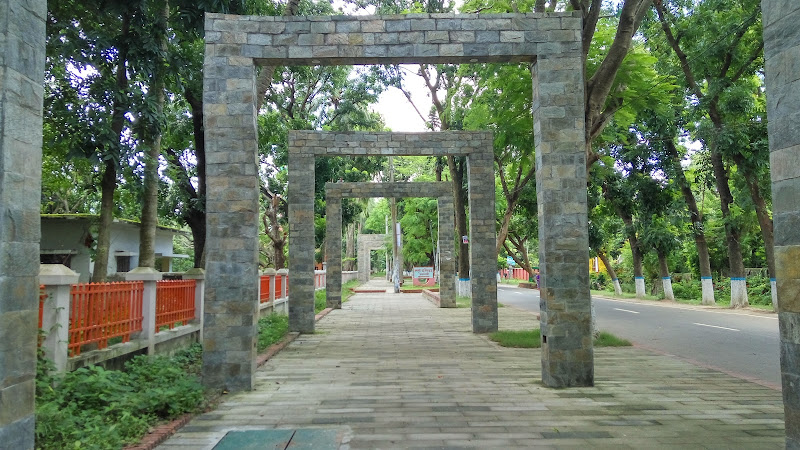
Rajshahi Simla Park
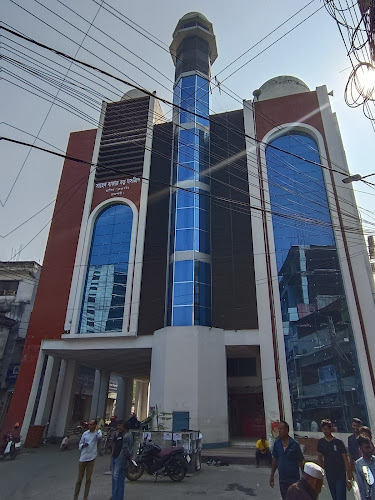
Saheb Bazar Zero Point
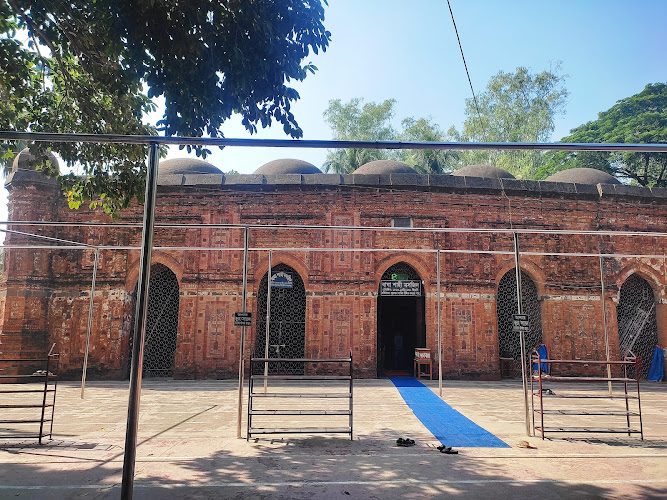
Bagha Shahi Mosque
Find Accommodations Nearby
Recommended Tours & Activities
Visitor Reviews
There are no reviews yet. Be the first one to write one.
Share Your Experience
Have you visited Lalon Shah Mukto Moncho? Help other travelers by leaving a review.