
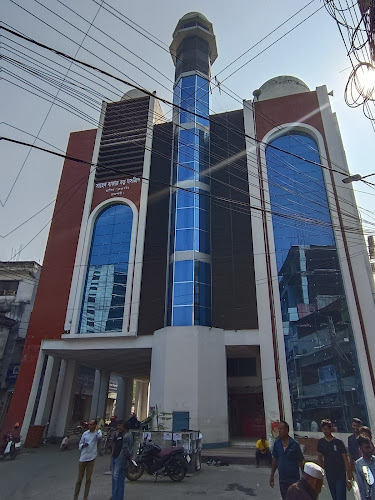
Saheb Bazar Zero Point
About Saheb Bazar Zero Point
Description
Saheb Bazar Zero Point stands as a compelling testament to Bangladesh's rich historical tapestry, serving as more than just a geographical marker in the urban landscape. This historical landmark has witnessed countless moments that shaped the region's identity, making it a significant destination for travelers who appreciate authentic cultural experiences rather than manufactured tourist attractions. The site functions as a central meeting point where history literally intersects with modern daily life. What makes this place particularly fascinating is how it hasn't been sanitized or overly commercialized like so many historical sites tend to become. You'll find real people going about their everyday routines against the backdrop of historical significance, which honestly gives you a much more genuine feel for the area's character. Walking through Saheb Bazar Zero Point, travelers encounter a space that refuses to exist solely as a museum piece. The area maintains its functional role in the community while simultaneously preserving its historical importance. And that's something I really respect about it – there's no pretense here, no attempt to create an artificial "tourist experience" that feels disconnected from reality. The landmark's accessibility features demonstrate a thoughtful approach to welcoming all visitors, regardless of their physical capabilities. This isn't always a given at historical sites, especially in this part of the world, so it deserves recognition. Families traveling with children will find the environment suitable and engaging, though managing expectations is important since this isn't an amusement park but rather a place of historical and cultural significance.Key Features
The distinctive characteristics of Saheb Bazar Zero Point reveal themselves to observant travelers willing to look beyond surface impressions: • Complete wheelchair accessibility including both entrance points and designated parking areas, making it one of the more inclusive historical landmarks in the region • Onsite services available to assist visitors in navigating and understanding the historical context of the location • Active integration into the local community's daily life, providing authentic cultural immersion opportunities • Architectural elements reflecting the historical period when the landmark gained its significance • Central location serving as a natural gathering point and orientation landmark for both locals and visitors • Family-friendly environment suitable for educational visits with children of various ages • Ongoing preservation efforts that respect the site's historical integrity while maintaining its practical function • Cultural atmosphere that represents genuine local character rather than tourist-oriented modifications • Photography opportunities capturing both historical architecture and contemporary street life • Connection to broader historical narratives about the region's development and transformationBest Time to Visit
Timing your visit to Saheb Bazar Zero Point requires consideration of several practical factors that'll significantly impact your experience. The cooler months between November and February offer the most comfortable conditions for exploring, though you'll need to share the space with more visitors during this peak season. Early mornings, particularly between 7 AM and 9 AM, provide a unique perspective when locals are beginning their daily routines. There's something special about witnessing a historical site come alive with contemporary purpose rather than visiting when it's staged for tourists. But if you're not a morning person, don't force it – authenticity matters more than timing perfection. The monsoon season from June through September presents challenges with heavy rainfall that can disrupt plans. However, I've heard from travelers who visited during light rain and found the experience atmospheric and less crowded. It really depends on your tolerance for unpredictable weather and potential changes to your itinerary. Weekdays generally see fewer tourists compared to weekends, though local activity remains consistent throughout the week. If you're photographically inclined or prefer quieter contemplation of historical spaces, targeting Tuesday through Thursday mornings might serve you well. Avoid major local holidays unless you specifically want to observe celebrations, as the area becomes significantly more crowded. That said, festival times can offer extraordinary cultural insights if you don't mind navigating through crowds and accepting that your visit will be more about observing contemporary traditions than quietly reflecting on history. Late afternoons around 4 PM to 6 PM bring beautiful natural lighting for photography while the day's heat begins to subside. The golden hour transforms the landmark's features, creating visual interest that midday visits simply can't match.How to Get There
Reaching Saheb Bazar Zero Point doesn't require elaborate planning, though understanding your transportation options helps ensure a smooth journey. The landmark's central positioning means multiple routes lead there, which is both convenient and occasionally confusing for first-time visitors. Local buses serve the area regularly from various parts of the city, offering the most economical transportation option. You'll need to ask drivers or conductors specifically about stops near Saheb Bazar Zero Point, as not all routes advertise their proximity to the landmark. Don't be shy about asking – locals generally appreciate when visitors make an effort to use public transportation rather than staying insulated in private vehicles. Auto-rickshaws and CNGs provide more direct service, though negotiating fair prices requires some awareness of reasonable rates. Establishing the fare before beginning your journey prevents awkward situations upon arrival. Most drivers know the landmark by name, but having the location marked on a digital map application provides backup communication when language barriers arise. Ride-sharing services have expanded throughout the region, offering convenience for travelers uncomfortable with traditional negotiation-based transportation. The apps handle pricing automatically and provide route tracking, which many visitors find reassuring. However, you'll pay premium rates compared to local transportation options. For those staying in nearby accommodations, walking presents a viable option depending on your mobility and comfort level with navigating unfamiliar streets. The landmark's role as a zero point means it serves as a natural navigation reference, so asking for directions generally yields helpful responses from pedestrians. Parking facilities accommodate those arriving by private vehicle, including accessible spaces for visitors with mobility requirements. Traffic congestion can be significant during peak hours, so building extra time into your schedule prevents stress and rushed visits.Tips for Visiting
Maximizing your experience at Saheb Bazar Zero Point involves practical preparation combined with openness to spontaneous moments. Dress modestly and comfortably, respecting local cultural norms while ensuring you can walk and explore without physical discomfort. Lightweight, breathable fabrics work best given the climate, and comfortable walking shoes are non-negotiable. Bringing water is essential, particularly during warmer months. While vendors operate in the area, having your own supply ensures you stay hydrated without constantly searching for refreshments. And honestly, the bottled water quality from street vendors can be questionable for travelers with sensitive stomachs. Photography is generally permitted, but exercising discretion and respect makes the difference between being a thoughtful visitor and an intrusive tourist. Ask permission before photographing individuals, especially in close-up shots. Some locals welcome being photographed while others prefer privacy, and assuming consent creates unnecessary friction. Hiring a local guide provides context that transforms the visit from simple sightseeing into genuine historical understanding. Not all guides possess equal knowledge or language skills, so asking questions before committing helps ensure compatibility. A good guide won't just recite memorized facts but will engage with your specific interests and questions. Cash remains the preferred payment method for any small purchases or services in the area. ATMs exist nearby, but relying on finding one exactly when needed creates unnecessary complications. Bringing small denominations facilitates easier transactions and eliminates the common problem of vendors lacking change for larger bills. Managing expectations proves crucial for satisfaction. This isn't a polished heritage site with extensive signage and visitor centers. It's a living historical landmark integrated into daily urban life. Some travelers find this authenticity refreshing while others feel disappointed by the lack of infrastructure. Understanding what type of experience awaits helps you mentally prepare and appreciate the site for what it actually offers rather than what you might imagine. Engaging with local vendors and residents respectfully can yield fascinating conversations and insights unavailable through formal tourist channels. Many people in the area have family histories connected to the landmark's significance. But remember that not everyone has time or interest in serving as an impromptu cultural ambassador, so read social cues and don't impose on people's daily activities. Visit duration typically ranges from 30 minutes to two hours depending on your interest level and whether you're simply seeing the landmark or deeply exploring the surrounding area. Planning adjacent activities in the same district maximizes your time and provides fuller understanding of the historical context. Combining your visit with exploration of nearby markets and neighborhoods creates a more comprehensive experience than treating Saheb Bazar Zero Point as an isolated checkbox on an itinerary. The landmark exists within a broader cultural ecosystem worth discovering. Safety concerns are minimal during daylight hours, though standard urban precautions apply regarding personal belongings and situational awareness. Evening visits aren't particularly dangerous but offer less to see since historical features become harder to appreciate in limited lighting.Key Features
- Historic crossroads marking the heart of Saheb Bazar
- Blend of traditional Bengali and colonial-era architecture
- Proximity to Saheb Bazaar Boro Mosjid (Zero Point Mosque)
- Vibrant market lanes with local vendors and street food
- Photogenic streetscapes and civic monument at the zero point
More Details
Updated January 18, 2026
Table of Contents
Description
Saheb Bazar Zero Point stands as a compelling testament to Bangladesh’s rich historical tapestry, serving as more than just a geographical marker in the urban landscape. This historical landmark has witnessed countless moments that shaped the region’s identity, making it a significant destination for travelers who appreciate authentic cultural experiences rather than manufactured tourist attractions.
The site functions as a central meeting point where history literally intersects with modern daily life. What makes this place particularly fascinating is how it hasn’t been sanitized or overly commercialized like so many historical sites tend to become. You’ll find real people going about their everyday routines against the backdrop of historical significance, which honestly gives you a much more genuine feel for the area’s character.
Walking through Saheb Bazar Zero Point, travelers encounter a space that refuses to exist solely as a museum piece. The area maintains its functional role in the community while simultaneously preserving its historical importance. And that’s something I really respect about it – there’s no pretense here, no attempt to create an artificial “tourist experience” that feels disconnected from reality.
The landmark’s accessibility features demonstrate a thoughtful approach to welcoming all visitors, regardless of their physical capabilities. This isn’t always a given at historical sites, especially in this part of the world, so it deserves recognition. Families traveling with children will find the environment suitable and engaging, though managing expectations is important since this isn’t an amusement park but rather a place of historical and cultural significance.
Key Features
The distinctive characteristics of Saheb Bazar Zero Point reveal themselves to observant travelers willing to look beyond surface impressions:
• Complete wheelchair accessibility including both entrance points and designated parking areas, making it one of the more inclusive historical landmarks in the region
• Onsite services available to assist visitors in navigating and understanding the historical context of the location
• Active integration into the local community’s daily life, providing authentic cultural immersion opportunities
• Architectural elements reflecting the historical period when the landmark gained its significance
• Central location serving as a natural gathering point and orientation landmark for both locals and visitors
• Family-friendly environment suitable for educational visits with children of various ages
• Ongoing preservation efforts that respect the site’s historical integrity while maintaining its practical function
• Cultural atmosphere that represents genuine local character rather than tourist-oriented modifications
• Photography opportunities capturing both historical architecture and contemporary street life
• Connection to broader historical narratives about the region’s development and transformation
Best Time to Visit
Timing your visit to Saheb Bazar Zero Point requires consideration of several practical factors that’ll significantly impact your experience. The cooler months between November and February offer the most comfortable conditions for exploring, though you’ll need to share the space with more visitors during this peak season.
Early mornings, particularly between 7 AM and 9 AM, provide a unique perspective when locals are beginning their daily routines. There’s something special about witnessing a historical site come alive with contemporary purpose rather than visiting when it’s staged for tourists. But if you’re not a morning person, don’t force it – authenticity matters more than timing perfection.
The monsoon season from June through September presents challenges with heavy rainfall that can disrupt plans. However, I’ve heard from travelers who visited during light rain and found the experience atmospheric and less crowded. It really depends on your tolerance for unpredictable weather and potential changes to your itinerary.
Weekdays generally see fewer tourists compared to weekends, though local activity remains consistent throughout the week. If you’re photographically inclined or prefer quieter contemplation of historical spaces, targeting Tuesday through Thursday mornings might serve you well.
Avoid major local holidays unless you specifically want to observe celebrations, as the area becomes significantly more crowded. That said, festival times can offer extraordinary cultural insights if you don’t mind navigating through crowds and accepting that your visit will be more about observing contemporary traditions than quietly reflecting on history.
Late afternoons around 4 PM to 6 PM bring beautiful natural lighting for photography while the day’s heat begins to subside. The golden hour transforms the landmark’s features, creating visual interest that midday visits simply can’t match.
How to Get There
Reaching Saheb Bazar Zero Point doesn’t require elaborate planning, though understanding your transportation options helps ensure a smooth journey. The landmark’s central positioning means multiple routes lead there, which is both convenient and occasionally confusing for first-time visitors.
Local buses serve the area regularly from various parts of the city, offering the most economical transportation option. You’ll need to ask drivers or conductors specifically about stops near Saheb Bazar Zero Point, as not all routes advertise their proximity to the landmark. Don’t be shy about asking – locals generally appreciate when visitors make an effort to use public transportation rather than staying insulated in private vehicles.
Auto-rickshaws and CNGs provide more direct service, though negotiating fair prices requires some awareness of reasonable rates. Establishing the fare before beginning your journey prevents awkward situations upon arrival. Most drivers know the landmark by name, but having the location marked on a digital map application provides backup communication when language barriers arise.
Ride-sharing services have expanded throughout the region, offering convenience for travelers uncomfortable with traditional negotiation-based transportation. The apps handle pricing automatically and provide route tracking, which many visitors find reassuring. However, you’ll pay premium rates compared to local transportation options.
For those staying in nearby accommodations, walking presents a viable option depending on your mobility and comfort level with navigating unfamiliar streets. The landmark’s role as a zero point means it serves as a natural navigation reference, so asking for directions generally yields helpful responses from pedestrians.
Parking facilities accommodate those arriving by private vehicle, including accessible spaces for visitors with mobility requirements. Traffic congestion can be significant during peak hours, so building extra time into your schedule prevents stress and rushed visits.
Tips for Visiting
Maximizing your experience at Saheb Bazar Zero Point involves practical preparation combined with openness to spontaneous moments. Dress modestly and comfortably, respecting local cultural norms while ensuring you can walk and explore without physical discomfort. Lightweight, breathable fabrics work best given the climate, and comfortable walking shoes are non-negotiable.
Bringing water is essential, particularly during warmer months. While vendors operate in the area, having your own supply ensures you stay hydrated without constantly searching for refreshments. And honestly, the bottled water quality from street vendors can be questionable for travelers with sensitive stomachs.
Photography is generally permitted, but exercising discretion and respect makes the difference between being a thoughtful visitor and an intrusive tourist. Ask permission before photographing individuals, especially in close-up shots. Some locals welcome being photographed while others prefer privacy, and assuming consent creates unnecessary friction.
Hiring a local guide provides context that transforms the visit from simple sightseeing into genuine historical understanding. Not all guides possess equal knowledge or language skills, so asking questions before committing helps ensure compatibility. A good guide won’t just recite memorized facts but will engage with your specific interests and questions.
Cash remains the preferred payment method for any small purchases or services in the area. ATMs exist nearby, but relying on finding one exactly when needed creates unnecessary complications. Bringing small denominations facilitates easier transactions and eliminates the common problem of vendors lacking change for larger bills.
Managing expectations proves crucial for satisfaction. This isn’t a polished heritage site with extensive signage and visitor centers. It’s a living historical landmark integrated into daily urban life. Some travelers find this authenticity refreshing while others feel disappointed by the lack of infrastructure. Understanding what type of experience awaits helps you mentally prepare and appreciate the site for what it actually offers rather than what you might imagine.
Engaging with local vendors and residents respectfully can yield fascinating conversations and insights unavailable through formal tourist channels. Many people in the area have family histories connected to the landmark’s significance. But remember that not everyone has time or interest in serving as an impromptu cultural ambassador, so read social cues and don’t impose on people’s daily activities.
Visit duration typically ranges from 30 minutes to two hours depending on your interest level and whether you’re simply seeing the landmark or deeply exploring the surrounding area. Planning adjacent activities in the same district maximizes your time and provides fuller understanding of the historical context.
Combining your visit with exploration of nearby markets and neighborhoods creates a more comprehensive experience than treating Saheb Bazar Zero Point as an isolated checkbox on an itinerary. The landmark exists within a broader cultural ecosystem worth discovering.
Safety concerns are minimal during daylight hours, though standard urban precautions apply regarding personal belongings and situational awareness. Evening visits aren’t particularly dangerous but offer less to see since historical features become harder to appreciate in limited lighting.
Key Highlights
- Historic crossroads marking the heart of Saheb Bazar
- Blend of traditional Bengali and colonial-era architecture
- Proximity to Saheb Bazaar Boro Mosjid (Zero Point Mosque)
- Vibrant market lanes with local vendors and street food
- Photogenic streetscapes and civic monument at the zero point
Location
Places to Stay Near Saheb Bazar Zero Point
Find and Book a Tour
Explore More Travel Guides
No reviews found! Be the first to review!
Traveler Reviews for Saheb Bazar Zero Point
There are no reviews yet. Be the first one to write one.
Have you visited Saheb Bazar Zero Point? Help other travelers by sharing your review.
Nearby Attractions
You Might Also Like
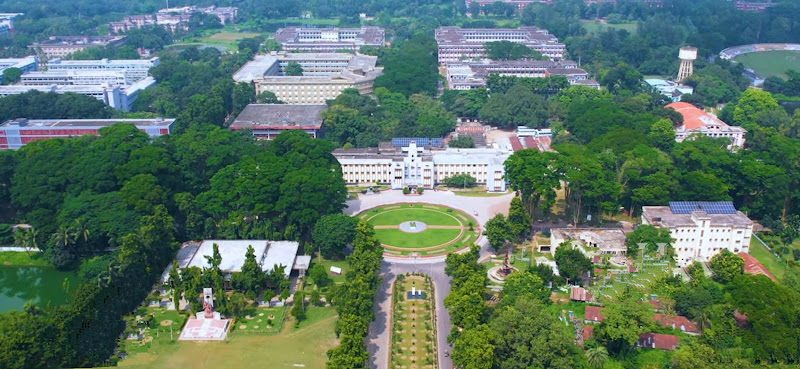
Rajshahi
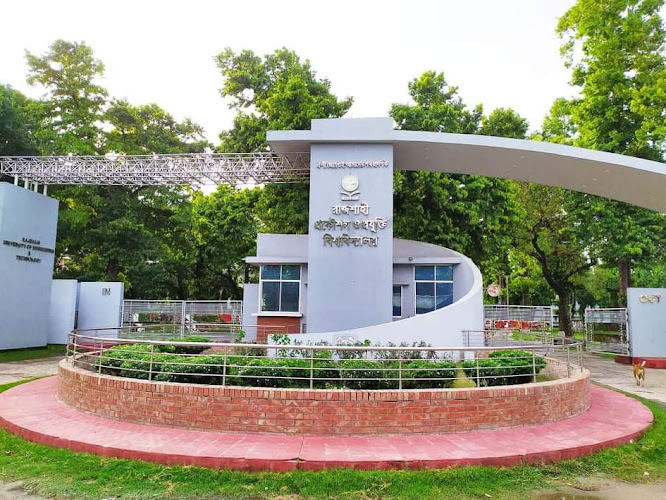
Rajshahi University of Engineering & Technology(RUET)
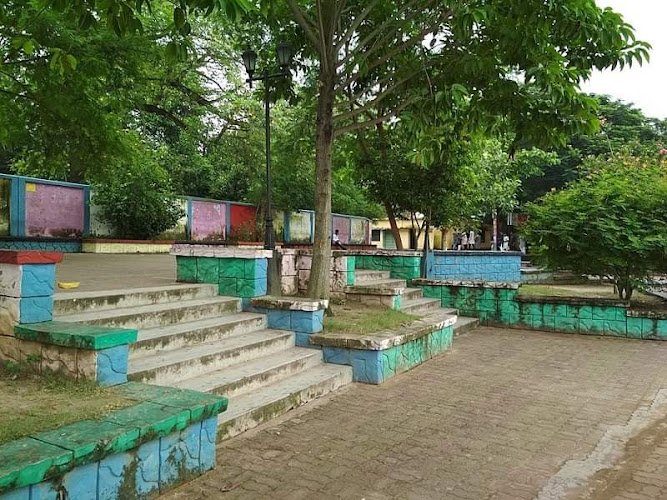
Padma Garden
Find Accommodations Nearby
Recommended Tours & Activities
Visitor Reviews
There are no reviews yet. Be the first one to write one.
Share Your Experience
Have you visited Saheb Bazar Zero Point? Help other travelers by leaving a review.