
Clark Museum and 4D theater
About Clark Museum and 4D theater
Description
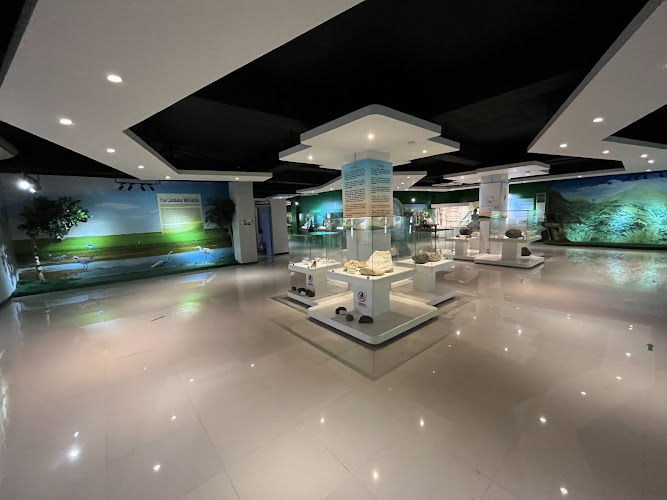
The Clark Museum and 4D Theater offers travelers an engaging journey through regional history that goes way beyond the typical glass-case museum experience. And honestly, that's what makes this place worth adding to your itinerary. This museum has managed to blend traditional artifact displays with cutting-edge technology in a way that actually works - which isn't something you can say about every historical institution trying to "modernize" these days. What really sets this place apart is its focus on telling local stories through objects that regular people used, owned, and treasured. You're not just looking at fancy treasures from wealthy families or military memorabilia. Instead, you'll find everyday items that paint a complete picture of how communities in this region actually lived, worked, and evolved over time. The curators clearly put thought into creating narratives that connect past to present in ways that make sense to visitors who might not have any prior knowledge of the area's history. The 4D theater component transforms the experience from passive observation into something much more memorable. This isn't just a documentary you could watch at home - it's an immersive experience that uses motion seats, environmental effects, and sensory elements to transport you into historical moments. I've been to plenty of museums with "interactive" exhibits that are basically just touchscreens with quiz questions, but this 4D theater actually delivers on the promise of making history feel immediate and real. The museum does an excellent job of making complex regional history accessible to visitors of all ages without dumbing anything down. That balance is harder to achieve than it looks, and many institutions fail at it spectacularly. But here, families with curious kids and serious history enthusiasts can both find value in the exhibits without feeling like the content is either too simple or too academic.Key Features
The museum packs several distinctive elements into its space that travelers should know about before visiting:- Regional Artifact Collections: Extensive displays featuring items that tell the complete story of the area's development, from indigenous history through modern times. The diversity here is genuinely impressive and covers aspects of daily life that bigger museums often overlook.
- Interactive 4D Documentary Experience: The theater presentation uses multiple sensory elements to create an immersive historical journey. Motion-enabled seating and environmental effects work together to make the storytelling physically engaging, not just visually interesting.
- Full Accessibility Features: Wheelchair accessible entrance, parking, and restrooms mean that visitors with mobility needs can explore everything the museum offers without barriers or limitations.
- Family-Friendly Design: Exhibits are designed to engage younger visitors without alienating adults. The pacing and presentation style keep kids interested while still delivering substantial educational content.
- Free Parking: Dedicated parking lot means you won't waste time or money hunting for spaces in surrounding areas - a bigger deal than it might sound when you're traveling and navigating unfamiliar territory.
- Restroom Facilities: Clean, accessible facilities are available throughout your visit, which matters more than people usually mention in travel planning.
- Diverse Exhibit Themes: The museum rotates and updates displays regularly enough that locals visit multiple times, which tells you something about the quality and variety of content.
Best Time to Visit
Timing your visit to the Clark Museum can make a real difference in your experience. Weekday mornings typically offer the most peaceful exploration opportunities, especially if you prefer examining artifacts without crowds pressing in around display cases. Tuesday through Thursday mornings, specifically between 10 AM and noon, tend to be the sweet spot for having exhibits mostly to yourself. Weekend visits bring more families and energy to the space, which actually enhances the 4D theater experience since shared reactions make the immersive elements more fun. But if you're someone who wants quiet contemplation of historical objects, weekends might test your patience a bit. School groups visit regularly during the academic year, particularly Tuesday and Wednesday afternoons. These scheduled visits can fill the museum quite substantially between 1 PM and 3 PM. If you're not comfortable navigating around enthusiastic students, check with the museum about group schedules before planning your visit. The museum experiences its highest traffic during local holiday periods and summer vacation months. July and August see significant increases in visitors, while the weeks surrounding major holidays bring both tourists and locals with visiting relatives. These busy periods aren't necessarily bad - the 4D theater runs more frequent showings, and the energy can be contagious - but expect to share the experience with more people. Weather actually plays a role in visit quality too. Rainy days bring indoor-activity seekers, while beautiful sunny days tend to thin out crowds as people opt for outdoor attractions. If you're flexible with your schedule, checking the forecast and planning museum visits for overcast days can work in your favor. Late afternoon visits, arriving around 3 PM, give you time to explore exhibits before catching one of the later 4D theater showings. This timing works particularly well if you've spent the morning at outdoor attractions and want to wind down your day with climate-controlled exploration.How to Get There
Reaching the Clark Museum is straightforward enough that even directionally challenged travelers (speaking from personal experience here) shouldn't have too much trouble. The facility's location makes it accessible whether you're driving, using rideshare services, or relying on local transportation options. For drivers, the museum's free parking lot is the obvious advantage. GPS directions generally route you accurately to the entrance, though you'll want to input "Clark Museum" specifically rather than just searching for museums in the area. The parking area accommodates standard vehicles and larger family vehicles without issue, and designated accessible spaces are positioned close to the entrance. If you're staying in the surrounding area, rideshare services like Uber and Lyft operate reliably in this location. The museum's entrance makes a clear pickup and dropoff point, and drivers familiar with the area know exactly where to go. Expect rides from central areas to run between $10-20 depending on distance and timing, though prices fluctuate based on demand as they always do. Public transportation options vary depending on your starting point. Local bus routes service the general area, though you might need to walk a few blocks from the nearest stop. Checking current route schedules makes sense since frequency can vary significantly throughout the week. Weekend and evening service tends to be less frequent, so plan accordingly if you're visiting during those times. Walking from nearby hotels is certainly possible if you're within a mile or so. The area around the museum has sidewalks and reasonably safe pedestrian routes, though the walk itself doesn't offer much in terms of scenery or interesting stops along the way. Cycling to the museum works if you're the type of traveler who rents bikes to explore destinations. There's space to secure bikes near the entrance, though dedicated bike racks aren't as extensive as the car parking facilities.Tips for Visiting
Making the most of your Clark Museum experience requires some strategic planning that goes beyond just showing up. These practical tips come from both personal observation and common-sense travel strategy that applies to museum visits generally. First thing - check the 4D theater schedule either online or immediately upon arrival. These showings run at specific times throughout the day rather than continuously, and building your visit around catching a showing prevents disappointment. The theater experience really is central to what makes this museum special, so missing it means missing the point somewhat. Allocate more time than you think you'll need. The exhibits contain more depth than initially appears, and rushing through defeats the purpose of visiting a history museum. Two to three hours provides enough time to read exhibit information thoroughly, watch the 4D documentary, and explore at a comfortable pace without feeling pressured. Bring layers regardless of outdoor temperature. Museum climate control keeps artifacts preserved but can feel chilly after you've been inside for a while, especially if you visited during warm weather wearing shorts and a t-shirt. A light jacket or sweater in your bag solves this problem easily. The museum doesn't have a restaurant on site, which means planning around meal times makes sense. Eating before you arrive or bringing snacks for afterward prevents hunger from cutting your visit short or making you cranky while trying to appreciate regional history. Water bottles are fine to carry with you, though obviously keep food and drinks away from artifact displays. Photography policies vary by exhibit area, so ask staff about current rules before snapping pictures. Some sections allow photos while others restrict them to protect sensitive materials. Knowing the policy prevents awkward interactions with museum staff and potential social media embarrassment. Engage with museum docents or staff if they're available. These folks usually know stories and context that don't make it onto display cards, and they genuinely enjoy sharing information with interested visitors. Don't be shy about asking questions - that's literally why they're there. The accessible features aren't just for visitors using wheelchairs. If you have any mobility concerns, fatigue easily, or are traveling with elderly family members, take advantage of these accommodations. The museum designed them to make everyone's experience better, not just a limited group. Visiting with children works best when you set expectations beforehand. The 4D theater will definitely hold their attention, but exhibit areas require more patience. Having a plan to let kids explore at their own pace within the exhibits prevents the "are we done yet" complaints that derail family museum visits. Consider visiting early in your trip rather than at the end. The regional context you'll gain from the museum's exhibits actually enhances appreciation for other local attractions and landmarks you might visit afterward. Historical background makes everything else make more sense. And lastly, don't feel obligated to see absolutely everything if certain sections don't interest you. Museums give you permission to skip parts that don't resonate - this isn't school where you'll be tested on all the material. Focus on what genuinely captures your attention and spend your time there instead.Key Features
- Four themed galleries covering geology, craftsmanship, Clark Air Field/aviation history, and local community life
- Interactive dioramas and hands-on displays designed for all ages
- State-of-the-art 4D Theater with a short documentary film about Clark’s history
- Authentic photographs, artifacts and replicas highlighting Kapampangan culture
- Accessible location within Clark Freeport Zone with visitor facilities
More Details
Updated January 18, 2026
Table of Contents
Description
The Clark Museum and 4D Theater offers travelers an engaging journey through regional history that goes way beyond the typical glass-case museum experience. And honestly, that’s what makes this place worth adding to your itinerary. This museum has managed to blend traditional artifact displays with cutting-edge technology in a way that actually works – which isn’t something you can say about every historical institution trying to “modernize” these days.
What really sets this place apart is its focus on telling local stories through objects that regular people used, owned, and treasured. You’re not just looking at fancy treasures from wealthy families or military memorabilia. Instead, you’ll find everyday items that paint a complete picture of how communities in this region actually lived, worked, and evolved over time. The curators clearly put thought into creating narratives that connect past to present in ways that make sense to visitors who might not have any prior knowledge of the area’s history.
The 4D theater component transforms the experience from passive observation into something much more memorable. This isn’t just a documentary you could watch at home – it’s an immersive experience that uses motion seats, environmental effects, and sensory elements to transport you into historical moments. I’ve been to plenty of museums with “interactive” exhibits that are basically just touchscreens with quiz questions, but this 4D theater actually delivers on the promise of making history feel immediate and real.
The museum does an excellent job of making complex regional history accessible to visitors of all ages without dumbing anything down. That balance is harder to achieve than it looks, and many institutions fail at it spectacularly. But here, families with curious kids and serious history enthusiasts can both find value in the exhibits without feeling like the content is either too simple or too academic.
Key Features
The museum packs several distinctive elements into its space that travelers should know about before visiting:
- Regional Artifact Collections: Extensive displays featuring items that tell the complete story of the area’s development, from indigenous history through modern times. The diversity here is genuinely impressive and covers aspects of daily life that bigger museums often overlook.
- Interactive 4D Documentary Experience: The theater presentation uses multiple sensory elements to create an immersive historical journey. Motion-enabled seating and environmental effects work together to make the storytelling physically engaging, not just visually interesting.
- Full Accessibility Features: Wheelchair accessible entrance, parking, and restrooms mean that visitors with mobility needs can explore everything the museum offers without barriers or limitations.
- Family-Friendly Design: Exhibits are designed to engage younger visitors without alienating adults. The pacing and presentation style keep kids interested while still delivering substantial educational content.
- Free Parking: Dedicated parking lot means you won’t waste time or money hunting for spaces in surrounding areas – a bigger deal than it might sound when you’re traveling and navigating unfamiliar territory.
- Restroom Facilities: Clean, accessible facilities are available throughout your visit, which matters more than people usually mention in travel planning.
- Diverse Exhibit Themes: The museum rotates and updates displays regularly enough that locals visit multiple times, which tells you something about the quality and variety of content.
Best Time to Visit
Timing your visit to the Clark Museum can make a real difference in your experience. Weekday mornings typically offer the most peaceful exploration opportunities, especially if you prefer examining artifacts without crowds pressing in around display cases. Tuesday through Thursday mornings, specifically between 10 AM and noon, tend to be the sweet spot for having exhibits mostly to yourself.
Weekend visits bring more families and energy to the space, which actually enhances the 4D theater experience since shared reactions make the immersive elements more fun. But if you’re someone who wants quiet contemplation of historical objects, weekends might test your patience a bit.
School groups visit regularly during the academic year, particularly Tuesday and Wednesday afternoons. These scheduled visits can fill the museum quite substantially between 1 PM and 3 PM. If you’re not comfortable navigating around enthusiastic students, check with the museum about group schedules before planning your visit.
The museum experiences its highest traffic during local holiday periods and summer vacation months. July and August see significant increases in visitors, while the weeks surrounding major holidays bring both tourists and locals with visiting relatives. These busy periods aren’t necessarily bad – the 4D theater runs more frequent showings, and the energy can be contagious – but expect to share the experience with more people.
Weather actually plays a role in visit quality too. Rainy days bring indoor-activity seekers, while beautiful sunny days tend to thin out crowds as people opt for outdoor attractions. If you’re flexible with your schedule, checking the forecast and planning museum visits for overcast days can work in your favor.
Late afternoon visits, arriving around 3 PM, give you time to explore exhibits before catching one of the later 4D theater showings. This timing works particularly well if you’ve spent the morning at outdoor attractions and want to wind down your day with climate-controlled exploration.
How to Get There
Reaching the Clark Museum is straightforward enough that even directionally challenged travelers (speaking from personal experience here) shouldn’t have too much trouble. The facility’s location makes it accessible whether you’re driving, using rideshare services, or relying on local transportation options.
For drivers, the museum’s free parking lot is the obvious advantage. GPS directions generally route you accurately to the entrance, though you’ll want to input “Clark Museum” specifically rather than just searching for museums in the area. The parking area accommodates standard vehicles and larger family vehicles without issue, and designated accessible spaces are positioned close to the entrance.
If you’re staying in the surrounding area, rideshare services like Uber and Lyft operate reliably in this location. The museum’s entrance makes a clear pickup and dropoff point, and drivers familiar with the area know exactly where to go. Expect rides from central areas to run between $10-20 depending on distance and timing, though prices fluctuate based on demand as they always do.
Public transportation options vary depending on your starting point. Local bus routes service the general area, though you might need to walk a few blocks from the nearest stop. Checking current route schedules makes sense since frequency can vary significantly throughout the week. Weekend and evening service tends to be less frequent, so plan accordingly if you’re visiting during those times.
Walking from nearby hotels is certainly possible if you’re within a mile or so. The area around the museum has sidewalks and reasonably safe pedestrian routes, though the walk itself doesn’t offer much in terms of scenery or interesting stops along the way.
Cycling to the museum works if you’re the type of traveler who rents bikes to explore destinations. There’s space to secure bikes near the entrance, though dedicated bike racks aren’t as extensive as the car parking facilities.
Tips for Visiting
Making the most of your Clark Museum experience requires some strategic planning that goes beyond just showing up. These practical tips come from both personal observation and common-sense travel strategy that applies to museum visits generally.
First thing – check the 4D theater schedule either online or immediately upon arrival. These showings run at specific times throughout the day rather than continuously, and building your visit around catching a showing prevents disappointment. The theater experience really is central to what makes this museum special, so missing it means missing the point somewhat.
Allocate more time than you think you’ll need. The exhibits contain more depth than initially appears, and rushing through defeats the purpose of visiting a history museum. Two to three hours provides enough time to read exhibit information thoroughly, watch the 4D documentary, and explore at a comfortable pace without feeling pressured.
Bring layers regardless of outdoor temperature. Museum climate control keeps artifacts preserved but can feel chilly after you’ve been inside for a while, especially if you visited during warm weather wearing shorts and a t-shirt. A light jacket or sweater in your bag solves this problem easily.
The museum doesn’t have a restaurant on site, which means planning around meal times makes sense. Eating before you arrive or bringing snacks for afterward prevents hunger from cutting your visit short or making you cranky while trying to appreciate regional history. Water bottles are fine to carry with you, though obviously keep food and drinks away from artifact displays.
Photography policies vary by exhibit area, so ask staff about current rules before snapping pictures. Some sections allow photos while others restrict them to protect sensitive materials. Knowing the policy prevents awkward interactions with museum staff and potential social media embarrassment.
Engage with museum docents or staff if they’re available. These folks usually know stories and context that don’t make it onto display cards, and they genuinely enjoy sharing information with interested visitors. Don’t be shy about asking questions – that’s literally why they’re there.
The accessible features aren’t just for visitors using wheelchairs. If you have any mobility concerns, fatigue easily, or are traveling with elderly family members, take advantage of these accommodations. The museum designed them to make everyone’s experience better, not just a limited group.
Visiting with children works best when you set expectations beforehand. The 4D theater will definitely hold their attention, but exhibit areas require more patience. Having a plan to let kids explore at their own pace within the exhibits prevents the “are we done yet” complaints that derail family museum visits.
Consider visiting early in your trip rather than at the end. The regional context you’ll gain from the museum’s exhibits actually enhances appreciation for other local attractions and landmarks you might visit afterward. Historical background makes everything else make more sense.
And lastly, don’t feel obligated to see absolutely everything if certain sections don’t interest you. Museums give you permission to skip parts that don’t resonate – this isn’t school where you’ll be tested on all the material. Focus on what genuinely captures your attention and spend your time there instead.
Key Highlights
- Four themed galleries covering geology, craftsmanship, Clark Air Field/aviation history, and local community life
- Interactive dioramas and hands-on displays designed for all ages
- State-of-the-art 4D Theater with a short documentary film about Clark’s history
- Authentic photographs, artifacts and replicas highlighting Kapampangan culture
- Accessible location within Clark Freeport Zone with visitor facilities
Location
Places to Stay Near Clark Museum and 4D theater
Find and Book a Tour
Explore More Travel Guides
No reviews found! Be the first to review!
Traveler Reviews for Clark Museum and 4D theater
There are no reviews yet. Be the first one to write one.
Have you visited Clark Museum and 4D theater? Help other travelers by sharing your review.
Nearby Attractions
You Might Also Like
Astro Park
Big Bang Games and Amusement
Santungan
Find Accommodations Nearby
Recommended Tours & Activities
Visitor Reviews
There are no reviews yet. Be the first one to write one.
Share Your Experience
Have you visited Clark Museum and 4D theater? Help other travelers by leaving a review.