
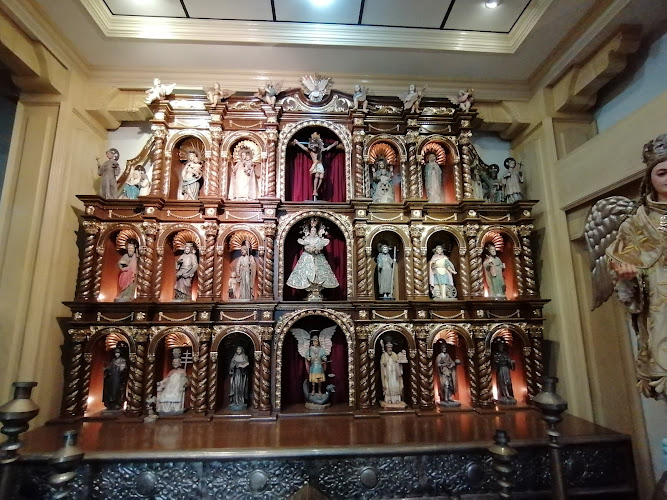
Center for Kapampangan Studies
About Center for Kapampangan Studies
Description
The Center for Kapampangan Studies stands as a remarkable testament to the rich cultural heritage of the Kapampangan people, one of the Philippines' most fascinating ethnic groups. This university museum offers travelers an authentic glimpse into a culture that's often overshadowed by more mainstream Filipino tourism destinations, and honestly, that's exactly what makes it special. Walking through this ethnographic museum feels like stepping into the collective memory of an entire people. The curators have done something really special here - they've managed to preserve not just objects, but actual stories and traditions that might otherwise fade into obscurity. And I think that's what struck me most when I first learned about this place. It's not just about looking at old things behind glass; it's about understanding how the Kapampangan identity was shaped through centuries of history. The collection spans everything from traditional textiles and household items to historical photographs that capture moments frozen in time. You'll find dioramas that recreate scenes from daily Kapampangan life, showing you how people lived, worked, and celebrated before modernization changed everything. What makes this museum particularly valuable for travelers seeking cultural depth is its focus on a specific regional identity rather than presenting a homogenized version of Philippine culture. The Kapampangan people have their own language, culinary traditions (they're actually famous throughout the Philippines for their cooking skills), and historical narrative that differs significantly from other Filipino groups. This museum gives you context for understanding Central Luzon in ways that generic guidebooks simply can't match. For anyone who believes that the best travel experiences come from understanding local perspectives rather than just checking off tourist attractions, this place delivers in spades.Key Features
The Center for Kapampangan Studies distinguishes itself through several noteworthy characteristics that make it worth including in your travel itinerary:- Comprehensive Artifact Collection: The museum houses an extensive array of authentic Kapampangan artifacts that span different historical periods, giving visitors a chronological understanding of cultural evolution
- Detailed Dioramas: Life-sized and miniature dioramas recreate traditional Kapampangan scenes, from household activities to ceremonial practices, offering visual context that photographs alone can't provide
- Historical Photography Archive: A curated collection of vintage photographs documents Kapampangan life through the decades, capturing faces, places, and moments that tell stories words sometimes can't
- Educational Displays: Information panels provide context in accessible language, making the exhibits approachable for international visitors unfamiliar with Philippine regional cultures
- University Setting: Being located within an academic institution means the exhibits maintain scholarly rigor while remaining engaging for general audiences
- Full Accessibility Features: The facility provides wheelchair-accessible entrances, parking, and restrooms, ensuring that all travelers can experience the museum comfortably
- Family-Friendly Environment: The museum caters well to visitors traveling with children, making it a practical option for families seeking educational experiences
- Climate-Controlled Comfort: Indoor exhibits provide respite from tropical heat while you explore, which any traveler who's experienced Philippine summers will appreciate
- Cultural Context for the Region: Understanding Kapampangan culture enhances appreciation for the surrounding area, its cuisine, festivals, and local interactions
- Affordable Cultural Immersion: Unlike expensive cultural shows or tours, this museum offers authentic insights at minimal cost
Best Time to Visit
Timing your visit to the Center for Kapampangan Studies requires consideration of several factors, though it's honestly less weather-dependent than outdoor attractions. The museum operates year-round, but weekdays generally offer a quieter, more contemplative experience. I'd personally recommend visiting on weekday mornings when you'll likely have more space to absorb the exhibits without crowds. University breaks and holidays might mean lighter foot traffic, though you'll want to confirm operating hours during these periods since academic schedules can affect accessibility. Climate-wise, the dry season from November through April makes travel to the region more comfortable overall. But since you'll be indoors for most of your visit, rainy season shouldn't necessarily deter you - it might actually be the perfect rainy-day activity when beach plans get cancelled. If you're interested in experiencing Kapampangan culture beyond the museum walls, timing your visit around major festivals adds another dimension to your understanding. The Giant Lantern Festival in December showcases Kapampangan craftsmanship and community spirit in spectacular fashion. Visiting the museum before or after attending such festivals creates a richer narrative - you'll understand the historical and cultural foundations of what you're witnessing. Morning visits work particularly well because you'll be fresh and able to give proper attention to the exhibits. Museums require a certain mental energy that diminishes as the day wears on, at least in my experience. Plus, you'll have the rest of your day free to explore local restaurants (and trust me, you want time for Kapampangan cuisine) or other regional attractions.How to Get There
Getting to the Center for Kapampangan Studies requires some planning, but it's definitely manageable for independent travelers and those joining organized tours alike. The museum is located in Pampanga province, which sits north of Manila in Central Luzon. Most international travelers will arrive through Ninoy Aquino International Airport in Manila, making that your likely starting point. From Manila, you've got several transportation options depending on your budget, comfort preferences, and sense of adventure. Driving yourself or hiring a private car gives you maximum flexibility. The journey takes roughly 90 minutes to two hours depending on traffic conditions, which can be unpredictable around Manila. Having your own transportation also lets you explore other Pampanga attractions on the same trip - the province has quite a bit to offer beyond this museum. Public buses heading to Pampanga depart regularly from various Manila terminals. Victory Liner and other bus companies service this route frequently, and it's considerably cheaper than private transport. The trade-off is less comfort and potentially longer travel time with stops. But if you're the type of traveler who enjoys local transport experiences, this option provides authentic interaction with how Filipinos actually move around. For a middle-ground option, ride-sharing apps operate in this area, though availability and pricing can vary. Some travelers arrange transport through their hotels or guesthouses, which often have partnerships with reliable drivers. Once you're in the general area, local tricycles (motorized three-wheeled vehicles) can get you to the specific location. Don't be shy about asking locals for directions - Filipinos are generally helpful to travelers, and asking for guidance often leads to unexpected conversations and recommendations. Plan to arrive during operating hours, which typically align with academic schedules. Calling ahead or checking current hours before making the trip saves disappointment, especially if you're visiting during holidays or university breaks.Tips for Visiting
Making the most of your Center for Kapampangan Studies experience involves some practical considerations and mindset adjustments that'll enhance your visit significantly. First off, allow more time than you think you'll need. I know, I know - everyone says this about museums, but it's true. Rushing through defeats the purpose entirely. The artifacts and displays here aren't just things to photograph and move on from; they're entry points into understanding an entire culture. Budget at least two hours, though true culture enthusiasts might want even longer. Bring a notebook if you're that type of person. Something about handwriting observations helps them stick in your memory better than phone notes, though maybe that's just me showing my age. Either way, capturing thoughts while you're still immersed in the experience creates better recall later. The museum is family-friendly, so don't hesitate to bring children. That said, prepare younger kids beforehand about museum behavior - you know, the "use your inside voice" talk and all that. The exhibits can actually engage children's imagination well, especially the dioramas that show how people lived differently in the past. Photography policies vary by institution, so ask about taking photos when you arrive. Some areas might restrict flash photography to protect delicate artifacts. Being respectful of these rules preserves the collection for future visitors. Comfortable walking shoes matter more than you'd expect. Museum floors get tiring, and you'll be standing more than you realize. This isn't a fashion show - prioritize comfort. The accessibility features mean travelers with mobility challenges can navigate the space, but it doesn't hurt to call ahead with specific questions about your needs. Staff can often provide assistance or information that makes your visit smoother. Consider combining your museum visit with exploration of Kapampangan cuisine. The region is legitimately famous for its food throughout the Philippines, and trying dishes like sisig, tocino, or various kakanin (rice cakes) after learning about the culture creates a fuller experience. Food and culture are inseparable, really. Engage with museum staff if they're available for questions. These folks often have knowledge that doesn't make it into the displays, and their personal perspectives can add depth to what you're seeing. Plus, showing genuine interest in someone's culture almost always leads to warmer interactions. Bring some cash for any entrance fees, donations, or museum shop purchases. Not all institutions in the Philippines have card payment capabilities, though this is changing. Finally, approach your visit with openness to learning about a culture that might be entirely new to you. The Kapampangan story is part of the broader Philippine narrative but has its own distinctive character. Resist the urge to make constant comparisons to other cultures you know - let this one speak on its own terms. That's when travel transforms from mere sightseeing into actual cultural understanding, and that's honestly why any of us bother leaving home in the first place.Key Features
- Ethnographic exhibits showcasing Kapampangan artifacts, textiles, and ritual items
- Interactive digital kiosks and multimedia presentations
- John A. Larkin Library and Ambeth Ocampo Collection for specialized research
- Little theatre for Kapampangan film screenings, lectures and performances
- University-backed research programs and rotating exhibitions
More Details
Updated January 18, 2026
Table of Contents
Description
The Center for Kapampangan Studies stands as a remarkable testament to the rich cultural heritage of the Kapampangan people, one of the Philippines’ most fascinating ethnic groups. This university museum offers travelers an authentic glimpse into a culture that’s often overshadowed by more mainstream Filipino tourism destinations, and honestly, that’s exactly what makes it special.
Walking through this ethnographic museum feels like stepping into the collective memory of an entire people. The curators have done something really special here – they’ve managed to preserve not just objects, but actual stories and traditions that might otherwise fade into obscurity. And I think that’s what struck me most when I first learned about this place. It’s not just about looking at old things behind glass; it’s about understanding how the Kapampangan identity was shaped through centuries of history.
The collection spans everything from traditional textiles and household items to historical photographs that capture moments frozen in time. You’ll find dioramas that recreate scenes from daily Kapampangan life, showing you how people lived, worked, and celebrated before modernization changed everything. What makes this museum particularly valuable for travelers seeking cultural depth is its focus on a specific regional identity rather than presenting a homogenized version of Philippine culture.
The Kapampangan people have their own language, culinary traditions (they’re actually famous throughout the Philippines for their cooking skills), and historical narrative that differs significantly from other Filipino groups. This museum gives you context for understanding Central Luzon in ways that generic guidebooks simply can’t match. For anyone who believes that the best travel experiences come from understanding local perspectives rather than just checking off tourist attractions, this place delivers in spades.
Key Features
The Center for Kapampangan Studies distinguishes itself through several noteworthy characteristics that make it worth including in your travel itinerary:
- Comprehensive Artifact Collection: The museum houses an extensive array of authentic Kapampangan artifacts that span different historical periods, giving visitors a chronological understanding of cultural evolution
- Detailed Dioramas: Life-sized and miniature dioramas recreate traditional Kapampangan scenes, from household activities to ceremonial practices, offering visual context that photographs alone can’t provide
- Historical Photography Archive: A curated collection of vintage photographs documents Kapampangan life through the decades, capturing faces, places, and moments that tell stories words sometimes can’t
- Educational Displays: Information panels provide context in accessible language, making the exhibits approachable for international visitors unfamiliar with Philippine regional cultures
- University Setting: Being located within an academic institution means the exhibits maintain scholarly rigor while remaining engaging for general audiences
- Full Accessibility Features: The facility provides wheelchair-accessible entrances, parking, and restrooms, ensuring that all travelers can experience the museum comfortably
- Family-Friendly Environment: The museum caters well to visitors traveling with children, making it a practical option for families seeking educational experiences
- Climate-Controlled Comfort: Indoor exhibits provide respite from tropical heat while you explore, which any traveler who’s experienced Philippine summers will appreciate
- Cultural Context for the Region: Understanding Kapampangan culture enhances appreciation for the surrounding area, its cuisine, festivals, and local interactions
- Affordable Cultural Immersion: Unlike expensive cultural shows or tours, this museum offers authentic insights at minimal cost
Best Time to Visit
Timing your visit to the Center for Kapampangan Studies requires consideration of several factors, though it’s honestly less weather-dependent than outdoor attractions.
The museum operates year-round, but weekdays generally offer a quieter, more contemplative experience. I’d personally recommend visiting on weekday mornings when you’ll likely have more space to absorb the exhibits without crowds. University breaks and holidays might mean lighter foot traffic, though you’ll want to confirm operating hours during these periods since academic schedules can affect accessibility.
Climate-wise, the dry season from November through April makes travel to the region more comfortable overall. But since you’ll be indoors for most of your visit, rainy season shouldn’t necessarily deter you – it might actually be the perfect rainy-day activity when beach plans get cancelled.
If you’re interested in experiencing Kapampangan culture beyond the museum walls, timing your visit around major festivals adds another dimension to your understanding. The Giant Lantern Festival in December showcases Kapampangan craftsmanship and community spirit in spectacular fashion. Visiting the museum before or after attending such festivals creates a richer narrative – you’ll understand the historical and cultural foundations of what you’re witnessing.
Morning visits work particularly well because you’ll be fresh and able to give proper attention to the exhibits. Museums require a certain mental energy that diminishes as the day wears on, at least in my experience. Plus, you’ll have the rest of your day free to explore local restaurants (and trust me, you want time for Kapampangan cuisine) or other regional attractions.
How to Get There
Getting to the Center for Kapampangan Studies requires some planning, but it’s definitely manageable for independent travelers and those joining organized tours alike.
The museum is located in Pampanga province, which sits north of Manila in Central Luzon. Most international travelers will arrive through Ninoy Aquino International Airport in Manila, making that your likely starting point. From Manila, you’ve got several transportation options depending on your budget, comfort preferences, and sense of adventure.
Driving yourself or hiring a private car gives you maximum flexibility. The journey takes roughly 90 minutes to two hours depending on traffic conditions, which can be unpredictable around Manila. Having your own transportation also lets you explore other Pampanga attractions on the same trip – the province has quite a bit to offer beyond this museum.
Public buses heading to Pampanga depart regularly from various Manila terminals. Victory Liner and other bus companies service this route frequently, and it’s considerably cheaper than private transport. The trade-off is less comfort and potentially longer travel time with stops. But if you’re the type of traveler who enjoys local transport experiences, this option provides authentic interaction with how Filipinos actually move around.
For a middle-ground option, ride-sharing apps operate in this area, though availability and pricing can vary. Some travelers arrange transport through their hotels or guesthouses, which often have partnerships with reliable drivers.
Once you’re in the general area, local tricycles (motorized three-wheeled vehicles) can get you to the specific location. Don’t be shy about asking locals for directions – Filipinos are generally helpful to travelers, and asking for guidance often leads to unexpected conversations and recommendations.
Plan to arrive during operating hours, which typically align with academic schedules. Calling ahead or checking current hours before making the trip saves disappointment, especially if you’re visiting during holidays or university breaks.
Tips for Visiting
Making the most of your Center for Kapampangan Studies experience involves some practical considerations and mindset adjustments that’ll enhance your visit significantly.
First off, allow more time than you think you’ll need. I know, I know – everyone says this about museums, but it’s true. Rushing through defeats the purpose entirely. The artifacts and displays here aren’t just things to photograph and move on from; they’re entry points into understanding an entire culture. Budget at least two hours, though true culture enthusiasts might want even longer.
Bring a notebook if you’re that type of person. Something about handwriting observations helps them stick in your memory better than phone notes, though maybe that’s just me showing my age. Either way, capturing thoughts while you’re still immersed in the experience creates better recall later.
The museum is family-friendly, so don’t hesitate to bring children. That said, prepare younger kids beforehand about museum behavior – you know, the “use your inside voice” talk and all that. The exhibits can actually engage children’s imagination well, especially the dioramas that show how people lived differently in the past.
Photography policies vary by institution, so ask about taking photos when you arrive. Some areas might restrict flash photography to protect delicate artifacts. Being respectful of these rules preserves the collection for future visitors.
Comfortable walking shoes matter more than you’d expect. Museum floors get tiring, and you’ll be standing more than you realize. This isn’t a fashion show – prioritize comfort.
The accessibility features mean travelers with mobility challenges can navigate the space, but it doesn’t hurt to call ahead with specific questions about your needs. Staff can often provide assistance or information that makes your visit smoother.
Consider combining your museum visit with exploration of Kapampangan cuisine. The region is legitimately famous for its food throughout the Philippines, and trying dishes like sisig, tocino, or various kakanin (rice cakes) after learning about the culture creates a fuller experience. Food and culture are inseparable, really.
Engage with museum staff if they’re available for questions. These folks often have knowledge that doesn’t make it into the displays, and their personal perspectives can add depth to what you’re seeing. Plus, showing genuine interest in someone’s culture almost always leads to warmer interactions.
Bring some cash for any entrance fees, donations, or museum shop purchases. Not all institutions in the Philippines have card payment capabilities, though this is changing.
Finally, approach your visit with openness to learning about a culture that might be entirely new to you. The Kapampangan story is part of the broader Philippine narrative but has its own distinctive character. Resist the urge to make constant comparisons to other cultures you know – let this one speak on its own terms. That’s when travel transforms from mere sightseeing into actual cultural understanding, and that’s honestly why any of us bother leaving home in the first place.
Key Highlights
- Ethnographic exhibits showcasing Kapampangan artifacts, textiles, and ritual items
- Interactive digital kiosks and multimedia presentations
- John A. Larkin Library and Ambeth Ocampo Collection for specialized research
- Little theatre for Kapampangan film screenings, lectures and performances
- University-backed research programs and rotating exhibitions
Location
Places to Stay Near Center for Kapampangan Studies
Find and Book a Tour
Explore More Travel Guides
No reviews found! Be the first to review!
Traveler Reviews for Center for Kapampangan Studies
There are no reviews yet. Be the first one to write one.
Have you visited Center for Kapampangan Studies? Help other travelers by sharing your review.
Nearby Attractions
You Might Also Like

Clark Aqua Planet
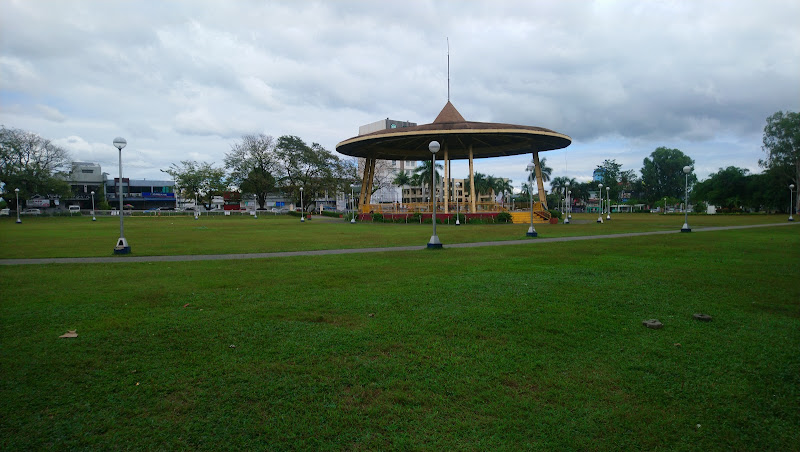
Bayanihan Park
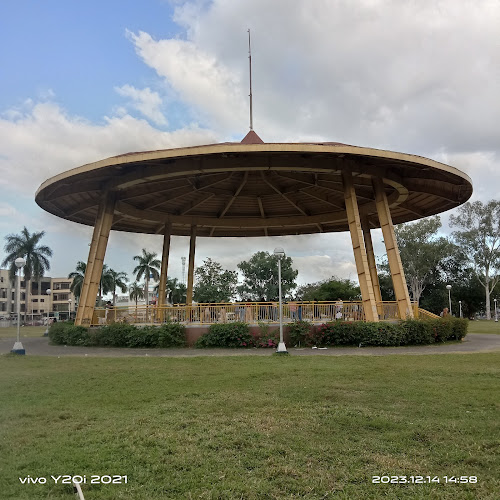
Astro Park
Find Accommodations Nearby
Recommended Tours & Activities
Visitor Reviews
There are no reviews yet. Be the first one to write one.
Share Your Experience
Have you visited Center for Kapampangan Studies? Help other travelers by leaving a review.