
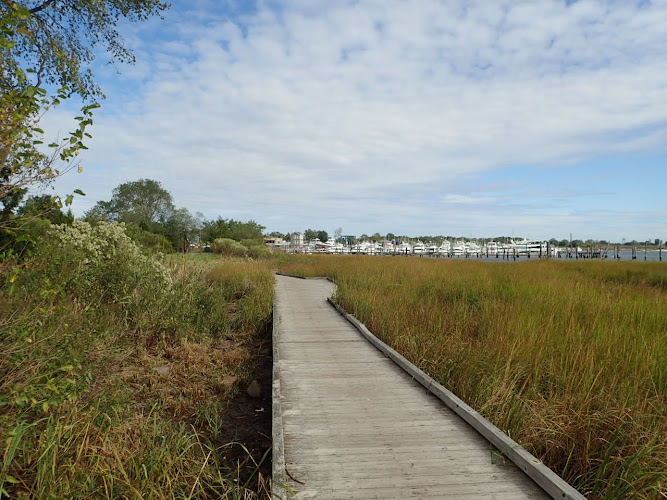
Seaside Wildlife Nature Park
About Seaside Wildlife Nature Park
Description
Seaside Wildlife Nature Park offers visitors a genuinely unique blend of natural habitat preservation and family-friendly outdoor recreation that you won't find at your typical nature preserve. The park strikes this interesting balance between being a serious wildlife conservation area and a place where kids can actually be kids—running around, playing, and experiencing nature firsthand rather than just observing it from behind barriers. What makes this place stand out is how it manages to serve multiple purposes without compromising on any of them. I've visited plenty of nature parks that felt more like outdoor museums where you're supposed to walk quietly and look but not touch. And I've been to countless playgrounds that are just equipment plopped down on rubber mats with zero connection to the natural world. This park does something different. It integrates play areas with genuine wildlife habitats in a way that feels intentional and thoughtful. The wildlife viewing opportunities here are legitimate—this isn't just a park with a few bird feeders scattered around. Visitors regularly spot coastal birds, small mammals, and various species that thrive in seaside ecosystems. But unlike some nature preserves that feel almost hostile to families with young children, this park actually welcomes them. The playground equipment is well-maintained and thoughtfully placed, allowing parents to keep an eye on wildlife activity while their kids burn off energy. Accessibility is clearly a priority here, which honestly shouldn't be as rare as it is in outdoor recreational spaces. The park features proper wheelchair-accessible entrances and parking, making it genuinely usable for visitors with mobility challenges rather than just technically compliant.Key Features
The park's standout characteristics include:- Dedicated wildlife observation areas positioned throughout the preserve where visitors can watch coastal and inland species in their natural habitats without disturbing them
- A complete playground facility featuring slides and swings that actually fit into the natural landscape rather than looking like they were dropped there by helicopter
- Multiple picnic areas with proper tables, perfect for extended family outings or casual lunch breaks during your visit
- Walking trails that wind through different habitat zones, giving you varied scenery and wildlife viewing opportunities within a single visit
- Wheelchair-accessible facilities including both the parking area and main entrance pathways, ensuring everyone can experience what the park offers
- Coastal ecosystem features that provide educational value alongside recreational opportunities—kids can learn about tidal zones, native plants, and wildlife behavior through direct observation
- Open green spaces suitable for active play, kite flying, or just stretching out on a blanket
- Shaded areas throughout the park, which is something I've learned to really appreciate after too many sunburned park visits
Best Time to Visit
Timing your visit to Seaside Wildlife Nature Park can significantly impact your experience, and I'm talking about more than just avoiding crowds. Early morning visits, particularly between 7 AM and 10 AM, offer the best wildlife viewing opportunities. Many coastal bird species are most active during these hours, and you'll catch animals during their morning routines before the park gets busy. The lighting is also better for photography if that's your thing. But here's the trade-off—the playground areas are usually deserted this early, which is great if you have young kids who like having equipment to themselves, but the whole experience might feel a bit quiet if you're looking for that lively park atmosphere. Late afternoon visits, especially the couple hours before sunset, give you that golden hour lighting and another peak period for wildlife activity. Animals often become more active again as temperatures cool down. The park typically has a decent number of visitors during this time but not overwhelming crowds. Weekday visits generally mean fewer people overall, which translates to better wildlife viewing since there's less noise and commotion. However, weekends bring a different energy that some families prefer—there's something nice about being part of a community of other park-goers, especially if your kids enjoy playing with others at the playground. Season-wise, spring offers incredible opportunities to see migrating birds and baby animals, though weather can be unpredictable. Summer brings the most consistent weather and the longest days, giving you more flexibility in timing your visit. Fall provides comfortable temperatures and often spectacular coastal views with clearer skies. Winter is actually underrated here—yes, it's cooler, but the park takes on this peaceful quality, and certain bird species are actually easier to spot when vegetation is less dense. Weather matters more than you might think. Overcast days can actually be ideal for wildlife viewing since animals tend to be more active when it's not blazingly sunny. But for playground activities and picnicking, you'll obviously want decent weather. Wind can be a factor in coastal areas, so check forecasts and dress accordingly.How to Get There
Getting to Seaside Wildlife Nature Park is straightforward enough that you won't need to be a navigation expert, though having a GPS or phone with maps certainly helps. If you're driving, the park is designed with visitors in mind, featuring a proper parking lot with designated accessible spaces. The parking area isn't massive, so arriving earlier in the day—especially on weekends or holidays—increases your chances of snagging a spot close to the entrance. I've learned that showing up mid-morning on a Saturday might mean a longer walk from your car, which isn't terrible but can be challenging if you're hauling coolers, strollers, and all the gear that comes with family outings. The accessible parking and entrance mean visitors with mobility devices can actually access the park without wrestling with gravel paths or stairs, which should be standard everywhere but unfortunately isn't. For visitors relying on public transportation, you'll want to research local bus routes that service the area. Coastal areas sometimes have seasonal transit options or tourist routes that weren't operating year-round when I last checked, so verify current schedules before planning your trip around public transit. Ride-share services work well for getting here, particularly if you're staying at a nearby hotel or vacation rental. Just be aware that cell service can sometimes be spotty in nature preserve areas, so arrange your return pickup ahead of time or be prepared to walk to an area with better signal. If you're biking, which I personally think is a great way to approach any nature park, you'll appreciate the coastal scenery on the way. Just make sure you've got somewhere to secure your bike once you arrive.Tips for Visiting
Pack more water than you think you'll need. Seriously. Coastal areas can be deceptive—the breeze makes you feel cooler than you are, and you'll be walking more than you expect once you start exploring trails and moving between the nature preserve areas and playground zones. Bring binoculars if you have them. Even basic ones will dramatically improve your wildlife viewing experience. I used to skip this step thinking I could just get close enough to see things, but quality observation happens from a respectful distance. Sunscreen and hats are non-negotiable, even on cloudy days. Coastal UV exposure is real, and you'll be outside longer than planned once you get engaged with everything the park offers. Layer your clothing. Temperatures near the coast can shift quickly, and what feels comfortable in the parking lot might feel completely different on an exposed trail or in a shaded picnic area. I've made the mistake of dressing for arrival temperature rather than all-day conditions more times than I care to admit. Consider the picnic option seriously. Yes, you could leave for lunch somewhere nearby, but having a picnic means you can stay longer, relax between activities, and save the time and energy of packing everyone back into the car. The park provides tables, so you just need to bring the food. If you're bringing kids, set expectations before arriving about the wildlife observation portions. This isn't a zoo where animals perform on demand. Sometimes you'll see incredible wildlife activity, and sometimes you'll need patience. Teaching kids to be quiet and observant in wildlife areas while knowing they can release that energy at the playground creates a better experience for everyone. The wheelchair-accessible features are genuinely functional, but if you're visiting with someone using mobility devices, calling ahead or checking current conditions can help you plan which areas to prioritize. Not every trail may be equally accessible. Photography enthusiasts should bring proper camera equipment, but honestly, modern phones capture pretty impressive images. Whatever you're using, remember that wildlife photography requires patience and respect for animal space. Check weather forecasts, but also prepare for conditions to differ from predictions. Coastal weather has its own personality and doesn't always follow the forecast script. Timing bathroom breaks matters more at nature parks than urban attractions. Facilities may be limited compared to shopping centers or theme parks, so plan accordingly, especially with young children. Bug spray might be necessary depending on season and recent weather. Coastal areas can attract biting insects, particularly in warmer months or after rain. Consider bringing a blanket for sitting on grass areas beyond the picnic tables. Sometimes the best spot for wildlife watching or just relaxing isn't where the furniture is located. Respect the wildlife and stay on designated paths. These guidelines exist because the park is actively preserving ecosystems, not because someone wanted to create arbitrary rules.Key Features
- Dedicated wildlife observation areas positioned throughout the preserve where visitors can watch coastal and inland species in their natural habitats without disturbing them
- A complete playground facility featuring slides and swings that actually fit into the natural landscape rather than looking like they were dropped there by helicopter
- Multiple picnic areas with proper tables, perfect for extended family outings or casual lunch breaks during your visit
- Walking trails that wind through different habitat zones, giving you varied scenery and wildlife viewing opportunities within a single visit
- Wheelchair-accessible facilities including both the parking area and main entrance pathways, ensuring everyone can experience what the park offers
- Coastal ecosystem features that provide educational value alongside recreational opportunities—kids can learn about tidal zones, native plants, and wildlife behavior through direct observation
- Open green spaces suitable for active play, kite flying, or just stretching out on a blanket
- Shaded areas throughout the park, which is something I've learned to really appreciate after too many sunburned park visits
More Details
Updated January 18, 2026
Table of Contents
Description
Seaside Wildlife Nature Park offers visitors a genuinely unique blend of natural habitat preservation and family-friendly outdoor recreation that you won’t find at your typical nature preserve. The park strikes this interesting balance between being a serious wildlife conservation area and a place where kids can actually be kids—running around, playing, and experiencing nature firsthand rather than just observing it from behind barriers.
What makes this place stand out is how it manages to serve multiple purposes without compromising on any of them. I’ve visited plenty of nature parks that felt more like outdoor museums where you’re supposed to walk quietly and look but not touch. And I’ve been to countless playgrounds that are just equipment plopped down on rubber mats with zero connection to the natural world. This park does something different. It integrates play areas with genuine wildlife habitats in a way that feels intentional and thoughtful.
The wildlife viewing opportunities here are legitimate—this isn’t just a park with a few bird feeders scattered around. Visitors regularly spot coastal birds, small mammals, and various species that thrive in seaside ecosystems. But unlike some nature preserves that feel almost hostile to families with young children, this park actually welcomes them. The playground equipment is well-maintained and thoughtfully placed, allowing parents to keep an eye on wildlife activity while their kids burn off energy.
Accessibility is clearly a priority here, which honestly shouldn’t be as rare as it is in outdoor recreational spaces. The park features proper wheelchair-accessible entrances and parking, making it genuinely usable for visitors with mobility challenges rather than just technically compliant.
Key Features
The park’s standout characteristics include:
- Dedicated wildlife observation areas positioned throughout the preserve where visitors can watch coastal and inland species in their natural habitats without disturbing them
- A complete playground facility featuring slides and swings that actually fit into the natural landscape rather than looking like they were dropped there by helicopter
- Multiple picnic areas with proper tables, perfect for extended family outings or casual lunch breaks during your visit
- Walking trails that wind through different habitat zones, giving you varied scenery and wildlife viewing opportunities within a single visit
- Wheelchair-accessible facilities including both the parking area and main entrance pathways, ensuring everyone can experience what the park offers
- Coastal ecosystem features that provide educational value alongside recreational opportunities—kids can learn about tidal zones, native plants, and wildlife behavior through direct observation
- Open green spaces suitable for active play, kite flying, or just stretching out on a blanket
- Shaded areas throughout the park, which is something I’ve learned to really appreciate after too many sunburned park visits
Best Time to Visit
Timing your visit to Seaside Wildlife Nature Park can significantly impact your experience, and I’m talking about more than just avoiding crowds.
Early morning visits, particularly between 7 AM and 10 AM, offer the best wildlife viewing opportunities. Many coastal bird species are most active during these hours, and you’ll catch animals during their morning routines before the park gets busy. The lighting is also better for photography if that’s your thing. But here’s the trade-off—the playground areas are usually deserted this early, which is great if you have young kids who like having equipment to themselves, but the whole experience might feel a bit quiet if you’re looking for that lively park atmosphere.
Late afternoon visits, especially the couple hours before sunset, give you that golden hour lighting and another peak period for wildlife activity. Animals often become more active again as temperatures cool down. The park typically has a decent number of visitors during this time but not overwhelming crowds.
Weekday visits generally mean fewer people overall, which translates to better wildlife viewing since there’s less noise and commotion. However, weekends bring a different energy that some families prefer—there’s something nice about being part of a community of other park-goers, especially if your kids enjoy playing with others at the playground.
Season-wise, spring offers incredible opportunities to see migrating birds and baby animals, though weather can be unpredictable. Summer brings the most consistent weather and the longest days, giving you more flexibility in timing your visit. Fall provides comfortable temperatures and often spectacular coastal views with clearer skies. Winter is actually underrated here—yes, it’s cooler, but the park takes on this peaceful quality, and certain bird species are actually easier to spot when vegetation is less dense.
Weather matters more than you might think. Overcast days can actually be ideal for wildlife viewing since animals tend to be more active when it’s not blazingly sunny. But for playground activities and picnicking, you’ll obviously want decent weather. Wind can be a factor in coastal areas, so check forecasts and dress accordingly.
How to Get There
Getting to Seaside Wildlife Nature Park is straightforward enough that you won’t need to be a navigation expert, though having a GPS or phone with maps certainly helps.
If you’re driving, the park is designed with visitors in mind, featuring a proper parking lot with designated accessible spaces. The parking area isn’t massive, so arriving earlier in the day—especially on weekends or holidays—increases your chances of snagging a spot close to the entrance. I’ve learned that showing up mid-morning on a Saturday might mean a longer walk from your car, which isn’t terrible but can be challenging if you’re hauling coolers, strollers, and all the gear that comes with family outings.
The accessible parking and entrance mean visitors with mobility devices can actually access the park without wrestling with gravel paths or stairs, which should be standard everywhere but unfortunately isn’t.
For visitors relying on public transportation, you’ll want to research local bus routes that service the area. Coastal areas sometimes have seasonal transit options or tourist routes that weren’t operating year-round when I last checked, so verify current schedules before planning your trip around public transit.
Ride-share services work well for getting here, particularly if you’re staying at a nearby hotel or vacation rental. Just be aware that cell service can sometimes be spotty in nature preserve areas, so arrange your return pickup ahead of time or be prepared to walk to an area with better signal.
If you’re biking, which I personally think is a great way to approach any nature park, you’ll appreciate the coastal scenery on the way. Just make sure you’ve got somewhere to secure your bike once you arrive.
Tips for Visiting
Pack more water than you think you’ll need. Seriously. Coastal areas can be deceptive—the breeze makes you feel cooler than you are, and you’ll be walking more than you expect once you start exploring trails and moving between the nature preserve areas and playground zones.
Bring binoculars if you have them. Even basic ones will dramatically improve your wildlife viewing experience. I used to skip this step thinking I could just get close enough to see things, but quality observation happens from a respectful distance.
Sunscreen and hats are non-negotiable, even on cloudy days. Coastal UV exposure is real, and you’ll be outside longer than planned once you get engaged with everything the park offers.
Layer your clothing. Temperatures near the coast can shift quickly, and what feels comfortable in the parking lot might feel completely different on an exposed trail or in a shaded picnic area. I’ve made the mistake of dressing for arrival temperature rather than all-day conditions more times than I care to admit.
Consider the picnic option seriously. Yes, you could leave for lunch somewhere nearby, but having a picnic means you can stay longer, relax between activities, and save the time and energy of packing everyone back into the car. The park provides tables, so you just need to bring the food.
If you’re bringing kids, set expectations before arriving about the wildlife observation portions. This isn’t a zoo where animals perform on demand. Sometimes you’ll see incredible wildlife activity, and sometimes you’ll need patience. Teaching kids to be quiet and observant in wildlife areas while knowing they can release that energy at the playground creates a better experience for everyone.
The wheelchair-accessible features are genuinely functional, but if you’re visiting with someone using mobility devices, calling ahead or checking current conditions can help you plan which areas to prioritize. Not every trail may be equally accessible.
Photography enthusiasts should bring proper camera equipment, but honestly, modern phones capture pretty impressive images. Whatever you’re using, remember that wildlife photography requires patience and respect for animal space.
Check weather forecasts, but also prepare for conditions to differ from predictions. Coastal weather has its own personality and doesn’t always follow the forecast script.
Timing bathroom breaks matters more at nature parks than urban attractions. Facilities may be limited compared to shopping centers or theme parks, so plan accordingly, especially with young children.
Bug spray might be necessary depending on season and recent weather. Coastal areas can attract biting insects, particularly in warmer months or after rain.
Consider bringing a blanket for sitting on grass areas beyond the picnic tables. Sometimes the best spot for wildlife watching or just relaxing isn’t where the furniture is located.
Respect the wildlife and stay on designated paths. These guidelines exist because the park is actively preserving ecosystems, not because someone wanted to create arbitrary rules.
Key Highlights
- Dedicated wildlife observation areas positioned throughout the preserve where visitors can watch coastal and inland species in their natural habitats without disturbing them
- A complete playground facility featuring slides and swings that actually fit into the natural landscape rather than looking like they were dropped there by helicopter
- Multiple picnic areas with proper tables, perfect for extended family outings or casual lunch breaks during your visit
- Walking trails that wind through different habitat zones, giving you varied scenery and wildlife viewing opportunities within a single visit
- Wheelchair-accessible facilities including both the parking area and main entrance pathways, ensuring everyone can experience what the park offers
- Coastal ecosystem features that provide educational value alongside recreational opportunities—kids can learn about tidal zones, native plants, and wildlife behavior through direct observation
- Open green spaces suitable for active play, kite flying, or just stretching out on a blanket
- Shaded areas throughout the park, which is something I've learned to really appreciate after too many sunburned park visits
Location
Places to Stay Near Seaside Wildlife Nature Park
Find and Book a Tour
Explore More Travel Guides
No reviews found! Be the first to review!
Traveler Reviews for Seaside Wildlife Nature Park
There are no reviews yet. Be the first one to write one.
Have you visited Seaside Wildlife Nature Park? Help other travelers by sharing your review.
You Might Also Like

The Staten Island September 11th Memorial
Greenbelt Nature Center

Willowbrook Park
Find Accommodations Nearby
Recommended Tours & Activities
Visitor Reviews
There are no reviews yet. Be the first one to write one.
Share Your Experience
Have you visited Seaside Wildlife Nature Park? Help other travelers by leaving a review.