
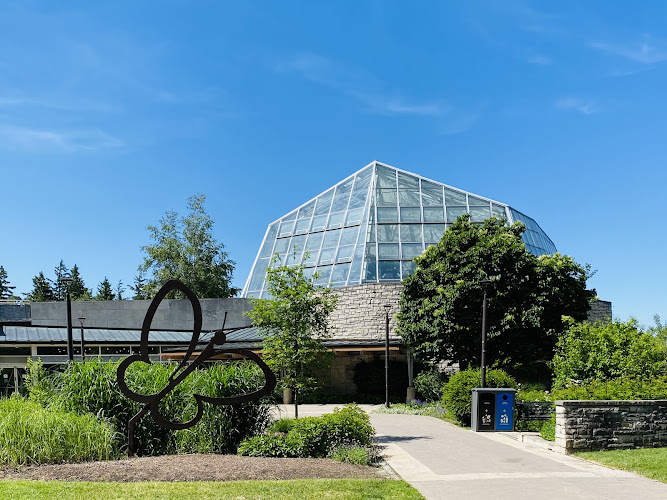
Butterfly Conservatory
About Butterfly Conservatory
Description
The Butterfly Conservatory offers visitors an immersive experience with over 2,000 butterflies from around the world, all housed within a carefully maintained rainforest environment that replicates their natural habitat. Walking through this attraction feels like stepping into another world entirely – one where hundreds of delicate wings flutter past your shoulders and the air hangs heavy with tropical humidity. I've always been fascinated by how these conservatories manage to recreate entire ecosystems under one roof, and this particular venue does an exceptional job of maintaining the precise conditions butterflies need to thrive. The temperature stays consistently warm year-round, usually hovering around 80 degrees Fahrenheit with humidity levels that'll make you feel like you've been transported to a Central American cloud forest. What makes this place special isn't just the sheer number of butterflies – though that's certainly impressive – but the way visitors can observe these creatures up close as they go about their daily activities. You'll see them feeding on fresh fruit, sipping nectar from tropical flowers, and if you're lucky enough to visit during emergence times, you might even witness a butterfly breaking free from its chrysalis for the very first time. And trust me, that's something that stays with you. The conservatory serves as both an educational facility and a peaceful retreat from everyday life. Families come here to teach their children about metamorphosis and biodiversity, while others simply want to spend an hour surrounded by natural beauty. The rainforest setting includes lush vegetation, small waterfalls, and winding pathways that encourage slow exploration rather than rushing through.Key Features
Visitors to the Butterfly Conservatory can expect to encounter several distinctive features that enhance the overall experience:- Over 2,000 free-flying butterflies representing dozens of species from tropical regions across the globe, including some particularly rare specimens that you won't find in most similar facilities
- A fully enclosed rainforest habitat maintained at optimal temperature and humidity levels throughout all seasons, creating a perfect microclimate regardless of weather conditions outside
- Multiple emergence windows where chrysalises are displayed, allowing guests to potentially witness the magical moment when butterflies complete their transformation
- Educational displays and informational plaques throughout the conservatory that explain butterfly life cycles, migration patterns, and conservation efforts
- Designated feeding stations where butterflies gather to consume fresh fruit and nectar, providing excellent photo opportunities and close-up viewing
- Wheelchair accessible pathways and facilities ensuring that all visitors can navigate the space comfortably
- Onsite staff members and volunteers who share knowledge about specific species and answer questions throughout the day
- Climate-controlled environment that doubles as a welcome escape during harsh winter months or sweltering summer days
- Photo-friendly policy encouraging visitors to capture memories, though flash photography is typically prohibited to protect the butterflies
- Clean, well-maintained restroom facilities and comfortable spaces for resting during your visit
Best Time to Visit
Here's where things get interesting – unlike many outdoor attractions where timing can make or break your experience, the Butterfly Conservatory maintains fairly consistent conditions year-round. But that doesn't mean all visiting times are created equal. Winter months, particularly January through March, tend to draw larger crowds because people are desperate for a taste of warmth and color during those grey, cold days. There's something almost therapeutic about stepping from a freezing parking lot into a tropical paradise, which explains why so many locals treat this place like a seasonal refuge. The contrast is jarring in the best possible way. If you're hoping to avoid crowds, weekday mornings right when they open usually offer the most peaceful experience. I've found that getting there early means you'll have more unobstructed views and better chances of butterflies landing on you – they seem more active and curious when there aren't dozens of people moving through the space. Summer visits have their own appeal despite the outdoor weather being warm already. The conservatory stays perfectly climate-controlled, and you might find smaller crowds since families are often pursuing outdoor activities instead. Plus, this is when you'll typically see the greatest variety of butterfly species since breeding programs tend to be most productive during these months. The absolute best time for butterfly activity? Mid-morning to early afternoon, roughly between 10 AM and 2 PM. Butterflies are cold-blooded creatures, and even in the controlled environment, they're most active when temperatures peak. You'll see more flying, more feeding, and more interaction during these hours compared to early morning or late afternoon visits. Avoid visiting during school field trip season if crowds bother you. Spring months especially see an influx of educational groups, which can make the pathways feel congested. But honestly? Sometimes the excitement of kids discovering butterflies for the first time adds to the atmosphere rather than detracting from it.How to Get There
The conservatory is designed with accessibility in mind, which means getting there shouldn't present too many challenges regardless of your transportation method. For those driving, the facility provides wheelchair accessible parking spaces close to the entrance, and the parking lot is well-marked and maintained. Many visitors find driving to be the most convenient option since it allows flexibility with timing and doesn't require coordinating with public transportation schedules. The entrance is clearly marked from the parking area, and you won't need to walk far to reach the doors. Public transportation options vary depending on your starting location, but the conservatory is typically accessible via local bus routes. Check current schedules before planning your trip though, since service frequency can change seasonally. Some visitors prefer using ride-sharing services like Uber or Lyft, which provides the convenience of direct drop-off without worrying about parking. Once you arrive at the facility, signage guides you toward the ticket counter and entrance. The building itself is wheelchair accessible with ramps and automatic doors, making entry smooth for visitors with mobility considerations. Advanced ticket purchase is recommended – and honestly, it's more than just a recommendation if you're visiting during peak times. The conservatory manages crowd levels to ensure both visitor comfort and butterfly welfare, which means they do sell out on busy days. Buying tickets online beforehand saves you from potential disappointment and usually lets you skip some of the entry line. The facility accepts credit cards, debit cards, and NFC mobile payments, so you don't need to worry about carrying cash. This modern payment approach extends to their gift shop and any additional purchases you might make during your visit.Tips for Visiting
Let me share some insights that'll help you make the most of your butterfly conservatory experience, because there's definitely a learning curve to getting this right. First things first – dress appropriately for tropical conditions. I've seen too many visitors show up in heavy sweaters and jackets only to be miserable within five minutes. The conservatory maintains rainforest temperatures and humidity, so think lightweight, breathable clothing. Layers work well since you'll be transitioning from whatever weather exists outside into this controlled climate. And ladies, if you're wearing makeup, prepare for it to potentially not survive the humidity intact. Wear colors that butterflies find appealing if you want them to land on you. Bright reds, purples, pinks, and yellows tend to attract more attention than dark or neutral colors. I've noticed people wearing floral patterns often become butterfly magnets, though this isn't guaranteed. Sometimes butterflies just choose randomly, landing on someone wearing all black while ignoring the person in a bright orange shirt. Move slowly and deliberately through the space. Butterflies startle easily, and quick movements send them scattering. Plus, when you slow down, you notice so much more – the intricate patterns on their wings, the way they taste food with their feet, how they communicate through flight patterns. This isn't an attraction to rush through in twenty minutes. Bring your camera but learn the settings beforehand. Butterfly photography requires some skill since these creatures rarely stay still for long. Use a fast shutter speed to freeze wing movement, and avoid using flash which can disturb the butterflies and is usually prohibited anyway. The lighting inside can be tricky – bright enough for photos but filtered through foliage, creating interesting shadows. Watch where you step and where you sit. Butterflies sometimes rest on the ground or on benches, and they're easy to miss if you're not paying attention. The last thing anyone wants is to accidentally harm one of these delicate creatures because they sat down without looking first. Don't try to touch or grab butterflies. If one lands on you, consider yourself lucky and stay still to enjoy the moment. But reaching for them or trying to make them land on you usually doesn't work and can damage their wings. The staff is pretty vigilant about this rule, and for good reason. Plan to spend at least an hour inside, maybe longer if you're really into the experience. Some people breeze through in thirty minutes and wonder what the fuss was about, but they're missing the point. This is a place for observation and patience. Bring a bottle of water if allowed, since the humidity can be dehydrating. Visit the emergence area multiple times during your stay. Butterflies emerge on their own schedule, and what might be empty chrysalises during your first pass could be active transformations twenty minutes later. It's worth checking back periodically. Come with realistic expectations. Not every visit will result in dozens of butterflies landing on you or witnessing an emergence. Sometimes the butterflies are less active, or the conservatory is between shipments of new specimens, or it's just an off day. But even on slower days, the peaceful environment and natural beauty make it worthwhile. If you're bringing kids, talk to them beforehand about gentle behavior and respect for living creatures. The conservatory is wonderfully kid-friendly, but children need to understand they're entering the butterflies' home and should act as respectful guests. Many families find this becomes a teachable moment about conservation and environmental responsibility. Check if there are any special programs or guided tours happening during your visit. Sometimes the conservatory offers butterfly releases, educational talks, or behind-the-scenes glimpses at their breeding programs. These extras can really elevate the experience from good to memorable. Finally, give yourself permission to just be present. Put your phone down for a bit. Stop worrying about getting the perfect Instagram shot. Just watch these remarkable creatures live their lives around you. That's when the magic really happens.Key Features
- Over 2,000 free-flying butterflies representing dozens of species from tropical regions across the globe, including some particularly rare specimens that you won't find in most similar facilities
- A fully enclosed rainforest habitat maintained at optimal temperature and humidity levels throughout all seasons, creating a perfect microclimate regardless of weather conditions outside
- Multiple emergence windows where chrysalises are displayed, allowing guests to potentially witness the magical moment when butterflies complete their transformation
- Educational displays and informational plaques throughout the conservatory that explain butterfly life cycles, migration patterns, and conservation efforts
- Designated feeding stations where butterflies gather to consume fresh fruit and nectar, providing excellent photo opportunities and close-up viewing
- Wheelchair accessible pathways and facilities ensuring that all visitors can navigate the space comfortably
- Onsite staff members and volunteers who share knowledge about specific species and answer questions throughout the day
- Climate-controlled environment that doubles as a welcome escape during harsh winter months or sweltering summer days
More Details
Updated January 19, 2026
Table of Contents
Description
The Butterfly Conservatory offers visitors an immersive experience with over 2,000 butterflies from around the world, all housed within a carefully maintained rainforest environment that replicates their natural habitat. Walking through this attraction feels like stepping into another world entirely – one where hundreds of delicate wings flutter past your shoulders and the air hangs heavy with tropical humidity.
I’ve always been fascinated by how these conservatories manage to recreate entire ecosystems under one roof, and this particular venue does an exceptional job of maintaining the precise conditions butterflies need to thrive. The temperature stays consistently warm year-round, usually hovering around 80 degrees Fahrenheit with humidity levels that’ll make you feel like you’ve been transported to a Central American cloud forest.
What makes this place special isn’t just the sheer number of butterflies – though that’s certainly impressive – but the way visitors can observe these creatures up close as they go about their daily activities. You’ll see them feeding on fresh fruit, sipping nectar from tropical flowers, and if you’re lucky enough to visit during emergence times, you might even witness a butterfly breaking free from its chrysalis for the very first time. And trust me, that’s something that stays with you.
The conservatory serves as both an educational facility and a peaceful retreat from everyday life. Families come here to teach their children about metamorphosis and biodiversity, while others simply want to spend an hour surrounded by natural beauty. The rainforest setting includes lush vegetation, small waterfalls, and winding pathways that encourage slow exploration rather than rushing through.
Key Features
Visitors to the Butterfly Conservatory can expect to encounter several distinctive features that enhance the overall experience:
- Over 2,000 free-flying butterflies representing dozens of species from tropical regions across the globe, including some particularly rare specimens that you won’t find in most similar facilities
- A fully enclosed rainforest habitat maintained at optimal temperature and humidity levels throughout all seasons, creating a perfect microclimate regardless of weather conditions outside
- Multiple emergence windows where chrysalises are displayed, allowing guests to potentially witness the magical moment when butterflies complete their transformation
- Educational displays and informational plaques throughout the conservatory that explain butterfly life cycles, migration patterns, and conservation efforts
- Designated feeding stations where butterflies gather to consume fresh fruit and nectar, providing excellent photo opportunities and close-up viewing
- Wheelchair accessible pathways and facilities ensuring that all visitors can navigate the space comfortably
- Onsite staff members and volunteers who share knowledge about specific species and answer questions throughout the day
- Climate-controlled environment that doubles as a welcome escape during harsh winter months or sweltering summer days
- Photo-friendly policy encouraging visitors to capture memories, though flash photography is typically prohibited to protect the butterflies
- Clean, well-maintained restroom facilities and comfortable spaces for resting during your visit
Best Time to Visit
Here’s where things get interesting – unlike many outdoor attractions where timing can make or break your experience, the Butterfly Conservatory maintains fairly consistent conditions year-round. But that doesn’t mean all visiting times are created equal.
Winter months, particularly January through March, tend to draw larger crowds because people are desperate for a taste of warmth and color during those grey, cold days. There’s something almost therapeutic about stepping from a freezing parking lot into a tropical paradise, which explains why so many locals treat this place like a seasonal refuge. The contrast is jarring in the best possible way.
If you’re hoping to avoid crowds, weekday mornings right when they open usually offer the most peaceful experience. I’ve found that getting there early means you’ll have more unobstructed views and better chances of butterflies landing on you – they seem more active and curious when there aren’t dozens of people moving through the space.
Summer visits have their own appeal despite the outdoor weather being warm already. The conservatory stays perfectly climate-controlled, and you might find smaller crowds since families are often pursuing outdoor activities instead. Plus, this is when you’ll typically see the greatest variety of butterfly species since breeding programs tend to be most productive during these months.
The absolute best time for butterfly activity? Mid-morning to early afternoon, roughly between 10 AM and 2 PM. Butterflies are cold-blooded creatures, and even in the controlled environment, they’re most active when temperatures peak. You’ll see more flying, more feeding, and more interaction during these hours compared to early morning or late afternoon visits.
Avoid visiting during school field trip season if crowds bother you. Spring months especially see an influx of educational groups, which can make the pathways feel congested. But honestly? Sometimes the excitement of kids discovering butterflies for the first time adds to the atmosphere rather than detracting from it.
How to Get There
The conservatory is designed with accessibility in mind, which means getting there shouldn’t present too many challenges regardless of your transportation method.
For those driving, the facility provides wheelchair accessible parking spaces close to the entrance, and the parking lot is well-marked and maintained. Many visitors find driving to be the most convenient option since it allows flexibility with timing and doesn’t require coordinating with public transportation schedules. The entrance is clearly marked from the parking area, and you won’t need to walk far to reach the doors.
Public transportation options vary depending on your starting location, but the conservatory is typically accessible via local bus routes. Check current schedules before planning your trip though, since service frequency can change seasonally. Some visitors prefer using ride-sharing services like Uber or Lyft, which provides the convenience of direct drop-off without worrying about parking.
Once you arrive at the facility, signage guides you toward the ticket counter and entrance. The building itself is wheelchair accessible with ramps and automatic doors, making entry smooth for visitors with mobility considerations.
Advanced ticket purchase is recommended – and honestly, it’s more than just a recommendation if you’re visiting during peak times. The conservatory manages crowd levels to ensure both visitor comfort and butterfly welfare, which means they do sell out on busy days. Buying tickets online beforehand saves you from potential disappointment and usually lets you skip some of the entry line.
The facility accepts credit cards, debit cards, and NFC mobile payments, so you don’t need to worry about carrying cash. This modern payment approach extends to their gift shop and any additional purchases you might make during your visit.
Tips for Visiting
Let me share some insights that’ll help you make the most of your butterfly conservatory experience, because there’s definitely a learning curve to getting this right.
First things first – dress appropriately for tropical conditions. I’ve seen too many visitors show up in heavy sweaters and jackets only to be miserable within five minutes. The conservatory maintains rainforest temperatures and humidity, so think lightweight, breathable clothing. Layers work well since you’ll be transitioning from whatever weather exists outside into this controlled climate. And ladies, if you’re wearing makeup, prepare for it to potentially not survive the humidity intact.
Wear colors that butterflies find appealing if you want them to land on you. Bright reds, purples, pinks, and yellows tend to attract more attention than dark or neutral colors. I’ve noticed people wearing floral patterns often become butterfly magnets, though this isn’t guaranteed. Sometimes butterflies just choose randomly, landing on someone wearing all black while ignoring the person in a bright orange shirt.
Move slowly and deliberately through the space. Butterflies startle easily, and quick movements send them scattering. Plus, when you slow down, you notice so much more – the intricate patterns on their wings, the way they taste food with their feet, how they communicate through flight patterns. This isn’t an attraction to rush through in twenty minutes.
Bring your camera but learn the settings beforehand. Butterfly photography requires some skill since these creatures rarely stay still for long. Use a fast shutter speed to freeze wing movement, and avoid using flash which can disturb the butterflies and is usually prohibited anyway. The lighting inside can be tricky – bright enough for photos but filtered through foliage, creating interesting shadows.
Watch where you step and where you sit. Butterflies sometimes rest on the ground or on benches, and they’re easy to miss if you’re not paying attention. The last thing anyone wants is to accidentally harm one of these delicate creatures because they sat down without looking first.
Don’t try to touch or grab butterflies. If one lands on you, consider yourself lucky and stay still to enjoy the moment. But reaching for them or trying to make them land on you usually doesn’t work and can damage their wings. The staff is pretty vigilant about this rule, and for good reason.
Plan to spend at least an hour inside, maybe longer if you’re really into the experience. Some people breeze through in thirty minutes and wonder what the fuss was about, but they’re missing the point. This is a place for observation and patience. Bring a bottle of water if allowed, since the humidity can be dehydrating.
Visit the emergence area multiple times during your stay. Butterflies emerge on their own schedule, and what might be empty chrysalises during your first pass could be active transformations twenty minutes later. It’s worth checking back periodically.
Come with realistic expectations. Not every visit will result in dozens of butterflies landing on you or witnessing an emergence. Sometimes the butterflies are less active, or the conservatory is between shipments of new specimens, or it’s just an off day. But even on slower days, the peaceful environment and natural beauty make it worthwhile.
If you’re bringing kids, talk to them beforehand about gentle behavior and respect for living creatures. The conservatory is wonderfully kid-friendly, but children need to understand they’re entering the butterflies’ home and should act as respectful guests. Many families find this becomes a teachable moment about conservation and environmental responsibility.
Check if there are any special programs or guided tours happening during your visit. Sometimes the conservatory offers butterfly releases, educational talks, or behind-the-scenes glimpses at their breeding programs. These extras can really elevate the experience from good to memorable.
Finally, give yourself permission to just be present. Put your phone down for a bit. Stop worrying about getting the perfect Instagram shot. Just watch these remarkable creatures live their lives around you. That’s when the magic really happens.
Key Highlights
- Over 2,000 free-flying butterflies representing dozens of species from tropical regions across the globe, including some particularly rare specimens that you won't find in most similar facilities
- A fully enclosed rainforest habitat maintained at optimal temperature and humidity levels throughout all seasons, creating a perfect microclimate regardless of weather conditions outside
- Multiple emergence windows where chrysalises are displayed, allowing guests to potentially witness the magical moment when butterflies complete their transformation
- Educational displays and informational plaques throughout the conservatory that explain butterfly life cycles, migration patterns, and conservation efforts
- Designated feeding stations where butterflies gather to consume fresh fruit and nectar, providing excellent photo opportunities and close-up viewing
- Wheelchair accessible pathways and facilities ensuring that all visitors can navigate the space comfortably
- Onsite staff members and volunteers who share knowledge about specific species and answer questions throughout the day
- Climate-controlled environment that doubles as a welcome escape during harsh winter months or sweltering summer days
Location
Places to Stay Near Butterfly Conservatory
Find and Book a Tour
Explore More Travel Guides
No reviews found! Be the first to review!
Traveler Reviews for Butterfly Conservatory
There are no reviews yet. Be the first one to write one.
Have you visited Butterfly Conservatory? Help other travelers by sharing your review.
You Might Also Like

Rainbow International Bridge

Fallsview Indoor Waterpark

Niagara Falls Fireworks Displays
Find Accommodations Nearby
Recommended Tours & Activities
Visitor Reviews
There are no reviews yet. Be the first one to write one.
Share Your Experience
Have you visited Butterfly Conservatory? Help other travelers by leaving a review.