Guided Sightseeing Tours & Activities in Beppu
- Browse sightseeing excursions and activities in Beppu
- Check live availability, rates & traveler reviews on Viator
- Secure online booking with flexible options
Japan, 〒874-0000 Oita, Beppu, Minamitateishi, 字寒原10−7

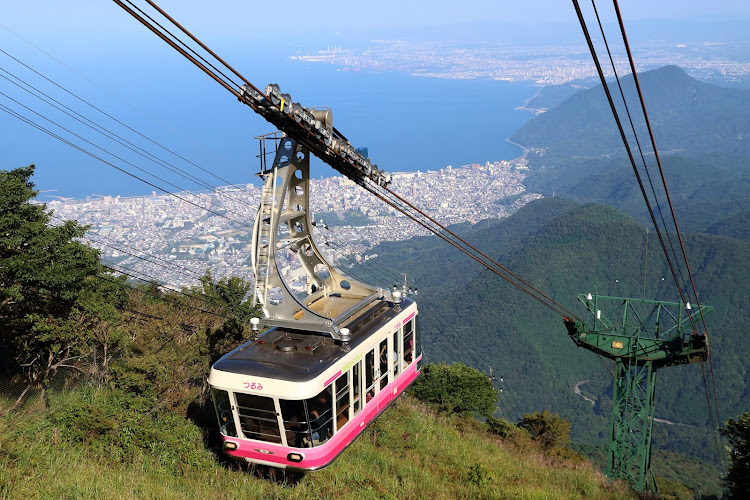
Perched on the slopes of Mount Tsurumi above Beppu, the Beppu Ropeway is a dramatic, airy ascent that has transported residents and visitors since the mid-20th century. The modern gondola covers roughly 1.8 kilometers and climbs from Beppu Kōgen (about 500 m) to Tsurumi Sanjō (about 1,300 m) in roughly ten minutes, delivering expansive views over Beppu Bay, the city’s steaming onsen districts and the Kujū mountain range. What makes it special is the scale and openness of the cabins—some of the largest in Kyushu—combined with the sudden change in landscape from urban coastal vistas to cool alpine meadows and volcanic terrain. A ride at sunrise or during autumn foliage is particularly memorable, and the summit offers short walking trails, seasonal flower displays and panoramic viewpoints that reward a brief hike. History, scenery and easy access make the ropeway an ideal outing for photographers, families and anyone wanting a quick escape from the city into Beppu’s volcanic highlands.
The Beppu Ropeway offers one of those experiences that sticks with you long after you’ve returned home – and I mean that in the best possible way. This aerial gondola system whisks visitors up the slopes of Mount Tsurumi, climbing to heights where the entire city of Beppu spreads out below like a detailed map. The ride itself is pretty steep, which honestly adds to the thrill if you’re not too bothered by heights.
What makes this attraction special isn’t just the engineering feat of hauling people up a mountain in enclosed cabins. It’s what waits at the top that really seals the deal. Mount Tsurumi stands as one of the region’s most accessible peaks, and the ropeway transforms what would be an exhausting hike into a comfortable journey that takes just minutes. Once you reach the summit station, you’ll find yourself in a completely different world – cooler temperatures, mountain air that feels cleaner somehow, and panoramic views that extend across Beppu Bay and the surrounding landscapes.
The park area at the top has developed into more than just a viewpoint. Hiking trails wind through forests that change character with the seasons, leading adventurous visitors to explore the mountain’s natural beauty at their own pace. And yeah, you can actually spot the famous steam rising from Beppu’s numerous hot springs from up there, which creates this almost mystical atmosphere on cooler days.
The Beppu Ropeway distinguishes itself through several practical and experiential elements that travelers should know about before planning their visit:
• The gondola cabins accommodate groups comfortably while providing large windows for unobstructed photography and viewing during the ascent and descent
• Mount Tsurumi’s summit area features multiple observation decks positioned at different angles to capture various perspectives of Beppu city, the bay, and neighboring mountain ranges
• Well-maintained hiking trails of varying difficulty levels branch out from the upper station, allowing visitors to extend their mountain experience beyond the ropeway ride itself
• Seasonal transformations bring completely different scenery – cherry blossoms in spring, lush greenery in summer, spectacular autumn foliage, and occasional winter snowscapes that transform the mountain into a white wonderland
• The facility provides wheelchair accessible entrances, parking areas, and restrooms, making the attraction genuinely accessible for visitors with mobility considerations
• Payment flexibility includes credit cards and PayPay, which is convenient for international travelers who might not carry excessive cash
• Onsite services and facilities mean you won’t need to rush back down if you want to spend more time at the summit
• Family-friendly design makes it suitable for traveling with children, though parents should keep an eye on younger kids near observation points
• The unique vantage point offers photography opportunities that differ significantly from ground-level perspectives of Beppu
• Rest facilities and basic amenities at both the base and summit stations provide comfort during your visit
Timing your visit to the Beppu Ropeway can dramatically affect your experience, and I’ve learned through various mountain visits that weather and season matter more than most people initially think.
Autumn, particularly late October through mid-November, brings what many consider the peak season. The mountain forests explode into colors – reds, oranges, and yellows that photographers dream about. But here’s the thing: everyone knows this, so expect crowds during this period. The ropeway can get busy, and you might wait a bit longer for your turn to ascend.
Spring offers a completely different charm. When cherry blossoms bloom typically in early to mid-April at these elevations, the mountain takes on a softer, more delicate beauty. The temperatures are comfortable for hiking the trails, and the crowds haven’t reached their autumn levels yet.
Summer visits have their own appeal, especially if you’re escaping Beppu’s lower-elevation heat. The summit stays noticeably cooler, and the lush greenery creates a refreshing atmosphere. Morning visits work particularly well during summer months – clearer skies generally mean better visibility before afternoon clouds potentially roll in.
Winter shouldn’t be dismissed either. While colder and occasionally experiencing snow, the mountain offers a peaceful atmosphere with far fewer visitors. Clear winter days provide some of the sharpest visibility you’ll find all year. Just dress warmly because that wind at the summit doesn’t mess around.
Regarding time of day, early morning visits right when the ropeway opens tend to provide the clearest atmospheric conditions. Mornings also mean fewer crowds, which translates to better photo opportunities without random strangers photobombing your shots. Late afternoon can be beautiful too, especially if you time it to catch the sunset, though visibility sometimes decreases as the day progresses.
Weekdays beat weekends hands down for crowd avoidance, unless you’re visiting during a major holiday period when all bets are off. The Japanese holiday weeks in Golden Week and Obon see significant visitor increases.
Getting to the Beppu Ropeway requires a bit of planning, but it’s definitely manageable even if you’re not familiar with the area. The base station sits in the western part of Beppu, and you’ve got several transportation options depending on your preferences and budget.
By bus from central Beppu, you’ll find regular services that head toward the ropeway. The journey takes approximately 20 to 25 minutes depending on traffic conditions. Buses in this area run fairly reliably, though checking the current schedule makes sense since frequencies can vary by season and day of the week. The bus stop sits conveniently close to the ropeway’s lower station.
Taxis offer a more direct option if you’re traveling in a group or value convenience over cost savings. The ride from central Beppu takes roughly 15 to 20 minutes, and drivers generally know the location well – just saying “Beppu Ropeway” should get you there without communication struggles.
If you’re driving, the ropeway provides parking facilities that accommodate regular vehicles. The parking lot includes wheelchair accessible spaces close to the entrance. Having your own vehicle gives you flexibility with timing and allows you to explore other nearby attractions at your own pace. Navigation systems usually recognize the ropeway as a destination, though having the Japanese name written down helps if your GPS acts up.
From other cities in Kyushu, Beppu Station serves as your primary arrival point. The station connects to major cities like Fukuoka, Kumamoto, and Kagoshima through both regular and limited express train services. Once you reach Beppu Station, the bus or taxi options mentioned above apply.
Some hotels in Beppu offer tour packages or shuttle services that include the ropeway as part of broader sightseeing itineraries. If you’re staying at a larger hotel, asking at the front desk about transportation options might reveal convenient solutions you hadn’t considered.
After hearing from travelers who’ve made the trip and considering the practical realities of mountain attractions, several tips can enhance your Beppu Ropeway experience significantly.
Dress in layers, seriously. The temperature difference between Beppu city and Mount Tsurumi’s summit can surprise visitors who assume it’ll be similar. Even on warm days at lower elevations, the summit might feel considerably cooler, especially with wind factored in. Bringing a light jacket or sweater saves you from spending your time at the top shivering instead of enjoying the views.
Comfortable walking shoes make sense if you plan to explore any of the hiking trails. The trails aren’t technically difficult, but they’re still mountain paths with some uneven terrain. Those cute sandals might work for the ropeway ride itself, but they’ll limit your exploration options at the summit.
Check weather conditions before making the trip. Clouds and fog can completely obscure the views that make the ropeway worthwhile. While the ride itself remains interesting regardless, you’d probably feel disappointed paying for an experience where visibility extends only a few meters. Many accommodation front desks can provide current mountain weather information, or you can check online forecasts that specifically cover Mount Tsurumi.
Bring your camera or ensure your phone has sufficient battery and storage space. The photographic opportunities start during the ropeway ascent and continue throughout the summit area. And honestly, you’ll want to capture these views – they’re not something you see everyday.
Allocate more time than you initially think necessary. Quick visitors might plan for just the ropeway ride up and down, but that really shortchanges the experience. Spending at least an hour and a half to two hours allows for the round-trip ride plus meaningful time exploring the summit area without feeling rushed.
The restroom facilities exist at both stations, but they’re more limited at the summit. Taking care of such needs before ascending just makes practical sense, especially if you’re planning longer hikes.
Regarding accessibility, while the facility offers wheelchair accessible features at entrances, parking, and restrooms, some summit areas and hiking trails present challenges for wheelchair users. Reviewing the specific accessible routes beforehand helps set realistic expectations.
Consider visiting during less popular seasons if crowds bother you. The mountain offers beauty year-round, and experiencing it without throngs of other tourists creates a more peaceful, personal connection with the landscape.
Pack some snacks and water, particularly if you’re planning to hike. While vending machines exist at the stations, options become more limited once you venture onto the trails. Staying hydrated at elevation matters more than people realize.
And here’s something people don’t always think about – the descent offers completely different views than the ascent. Don’t spend the entire ride down staring at your photos. Look out the windows and appreciate how the perspective shifts as you return to lower elevations.
The ropeway provides an experience that combines convenience with natural beauty in a way that few attractions manage. It makes the mountain accessible without completely domesticating it, offering both casual visitors and serious hikers something worthwhile.

Last modified August 17, 2026
The Beppu Ropeway offers one of those experiences that sticks with you long after you’ve returned home – and I mean that in the best possible way. This aerial gondola system whisks visitors up the slopes of Mount Tsurumi, climbing to heights where the entire city of Beppu spreads out below like a detailed map. The ride itself is pretty steep, which honestly adds to the thrill if you’re not too bothered by heights.
What makes this attraction special isn’t just the engineering feat of hauling people up a mountain in enclosed cabins. It’s what waits at the top that really seals the deal. Mount Tsurumi stands as one of the region’s most accessible peaks, and the ropeway transforms what would be an exhausting hike into a comfortable journey that takes just minutes. Once you reach the summit station, you’ll find yourself in a completely different world – cooler temperatures, mountain air that feels cleaner somehow, and panoramic views that extend across Beppu Bay and the surrounding landscapes.
The park area at the top has developed into more than just a viewpoint. Hiking trails wind through forests that change character with the seasons, leading adventurous visitors to explore the mountain’s natural beauty at their own pace. And yeah, you can actually spot the famous steam rising from Beppu’s numerous hot springs from up there, which creates this almost mystical atmosphere on cooler days.
The Beppu Ropeway distinguishes itself through several practical and experiential elements that travelers should know about before planning their visit:
• The gondola cabins accommodate groups comfortably while providing large windows for unobstructed photography and viewing during the ascent and descent
• Mount Tsurumi’s summit area features multiple observation decks positioned at different angles to capture various perspectives of Beppu city, the bay, and neighboring mountain ranges
• Well-maintained hiking trails of varying difficulty levels branch out from the upper station, allowing visitors to extend their mountain experience beyond the ropeway ride itself
• Seasonal transformations bring completely different scenery – cherry blossoms in spring, lush greenery in summer, spectacular autumn foliage, and occasional winter snowscapes that transform the mountain into a white wonderland
• The facility provides wheelchair accessible entrances, parking areas, and restrooms, making the attraction genuinely accessible for visitors with mobility considerations
• Payment flexibility includes credit cards and PayPay, which is convenient for international travelers who might not carry excessive cash
• Onsite services and facilities mean you won’t need to rush back down if you want to spend more time at the summit
• Family-friendly design makes it suitable for traveling with children, though parents should keep an eye on younger kids near observation points
• The unique vantage point offers photography opportunities that differ significantly from ground-level perspectives of Beppu
• Rest facilities and basic amenities at both the base and summit stations provide comfort during your visit
Timing your visit to the Beppu Ropeway can dramatically affect your experience, and I’ve learned through various mountain visits that weather and season matter more than most people initially think.
Autumn, particularly late October through mid-November, brings what many consider the peak season. The mountain forests explode into colors – reds, oranges, and yellows that photographers dream about. But here’s the thing: everyone knows this, so expect crowds during this period. The ropeway can get busy, and you might wait a bit longer for your turn to ascend.
Spring offers a completely different charm. When cherry blossoms bloom typically in early to mid-April at these elevations, the mountain takes on a softer, more delicate beauty. The temperatures are comfortable for hiking the trails, and the crowds haven’t reached their autumn levels yet.
Summer visits have their own appeal, especially if you’re escaping Beppu’s lower-elevation heat. The summit stays noticeably cooler, and the lush greenery creates a refreshing atmosphere. Morning visits work particularly well during summer months – clearer skies generally mean better visibility before afternoon clouds potentially roll in.
Winter shouldn’t be dismissed either. While colder and occasionally experiencing snow, the mountain offers a peaceful atmosphere with far fewer visitors. Clear winter days provide some of the sharpest visibility you’ll find all year. Just dress warmly because that wind at the summit doesn’t mess around.
Regarding time of day, early morning visits right when the ropeway opens tend to provide the clearest atmospheric conditions. Mornings also mean fewer crowds, which translates to better photo opportunities without random strangers photobombing your shots. Late afternoon can be beautiful too, especially if you time it to catch the sunset, though visibility sometimes decreases as the day progresses.
Weekdays beat weekends hands down for crowd avoidance, unless you’re visiting during a major holiday period when all bets are off. The Japanese holiday weeks in Golden Week and Obon see significant visitor increases.
Getting to the Beppu Ropeway requires a bit of planning, but it’s definitely manageable even if you’re not familiar with the area. The base station sits in the western part of Beppu, and you’ve got several transportation options depending on your preferences and budget.
By bus from central Beppu, you’ll find regular services that head toward the ropeway. The journey takes approximately 20 to 25 minutes depending on traffic conditions. Buses in this area run fairly reliably, though checking the current schedule makes sense since frequencies can vary by season and day of the week. The bus stop sits conveniently close to the ropeway’s lower station.
Taxis offer a more direct option if you’re traveling in a group or value convenience over cost savings. The ride from central Beppu takes roughly 15 to 20 minutes, and drivers generally know the location well – just saying “Beppu Ropeway” should get you there without communication struggles.
If you’re driving, the ropeway provides parking facilities that accommodate regular vehicles. The parking lot includes wheelchair accessible spaces close to the entrance. Having your own vehicle gives you flexibility with timing and allows you to explore other nearby attractions at your own pace. Navigation systems usually recognize the ropeway as a destination, though having the Japanese name written down helps if your GPS acts up.
From other cities in Kyushu, Beppu Station serves as your primary arrival point. The station connects to major cities like Fukuoka, Kumamoto, and Kagoshima through both regular and limited express train services. Once you reach Beppu Station, the bus or taxi options mentioned above apply.
Some hotels in Beppu offer tour packages or shuttle services that include the ropeway as part of broader sightseeing itineraries. If you’re staying at a larger hotel, asking at the front desk about transportation options might reveal convenient solutions you hadn’t considered.
After hearing from travelers who’ve made the trip and considering the practical realities of mountain attractions, several tips can enhance your Beppu Ropeway experience significantly.
Dress in layers, seriously. The temperature difference between Beppu city and Mount Tsurumi’s summit can surprise visitors who assume it’ll be similar. Even on warm days at lower elevations, the summit might feel considerably cooler, especially with wind factored in. Bringing a light jacket or sweater saves you from spending your time at the top shivering instead of enjoying the views.
Comfortable walking shoes make sense if you plan to explore any of the hiking trails. The trails aren’t technically difficult, but they’re still mountain paths with some uneven terrain. Those cute sandals might work for the ropeway ride itself, but they’ll limit your exploration options at the summit.
Check weather conditions before making the trip. Clouds and fog can completely obscure the views that make the ropeway worthwhile. While the ride itself remains interesting regardless, you’d probably feel disappointed paying for an experience where visibility extends only a few meters. Many accommodation front desks can provide current mountain weather information, or you can check online forecasts that specifically cover Mount Tsurumi.
Bring your camera or ensure your phone has sufficient battery and storage space. The photographic opportunities start during the ropeway ascent and continue throughout the summit area. And honestly, you’ll want to capture these views – they’re not something you see everyday.
Allocate more time than you initially think necessary. Quick visitors might plan for just the ropeway ride up and down, but that really shortchanges the experience. Spending at least an hour and a half to two hours allows for the round-trip ride plus meaningful time exploring the summit area without feeling rushed.
The restroom facilities exist at both stations, but they’re more limited at the summit. Taking care of such needs before ascending just makes practical sense, especially if you’re planning longer hikes.
Regarding accessibility, while the facility offers wheelchair accessible features at entrances, parking, and restrooms, some summit areas and hiking trails present challenges for wheelchair users. Reviewing the specific accessible routes beforehand helps set realistic expectations.
Consider visiting during less popular seasons if crowds bother you. The mountain offers beauty year-round, and experiencing it without throngs of other tourists creates a more peaceful, personal connection with the landscape.
Pack some snacks and water, particularly if you’re planning to hike. While vending machines exist at the stations, options become more limited once you venture onto the trails. Staying hydrated at elevation matters more than people realize.
And here’s something people don’t always think about – the descent offers completely different views than the ascent. Don’t spend the entire ride down staring at your photos. Look out the windows and appreciate how the perspective shifts as you return to lower elevations.
The ropeway provides an experience that combines convenience with natural beauty in a way that few attractions manage. It makes the mountain accessible without completely domesticating it, offering both casual visitors and serious hikers something worthwhile.
No reviews found! Be the first to review!
Beppu Ropeway is a prominent attractions located in Beppu.
Visit us at: Japan, 〒874-0000 Oita, Beppu, Minamitateishi, 字寒原10−7.
Explore verified points of interest within walking or short transit distance.
No neighboring places mapped within 5 km yet.
Stay22 provides this accommodation search. We may earn a commission if you book through it; verify current prices and terms with the provider.
GetYourGuide provides this tour inventory. We may earn a commission if you book through it; verify current availability, prices, and terms with the provider.
We may earn a commission if you book through links on this page at no extra cost to you. All tours feature verified customer reviews and flexible cancellation options.
No traveler reviews yet. Share your experience below!
No traveler questions yet. Be the first to ask a local!