
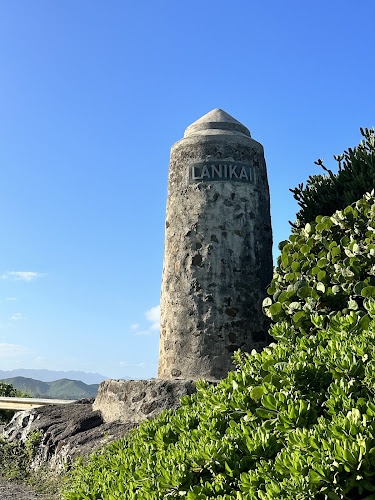
Lanikai Monument
About Lanikai Monument
Description
The Lanikai Monument stands as a remarkable testament to the natural beauty and cultural significance of one of Hawaii's most cherished coastal areas. When you first encounter this landmark, you'll understand why locals and visitors alike have developed such a deep connection to this spot. The monument itself serves as more than just a physical marker - it represents the enduring spirit of the Lanikai community and its commitment to preserving the area's unique character. I remember the first time I stumbled upon this place during an early morning walk, and honestly, I wasn't expecting much. But there's something about the way the morning light hits the structure, combined with the ocean breeze and the sound of waves in the background, that creates this almost meditative atmosphere. It's one of those places where you can actually feel the weight of history and natural beauty converging. The monument has become a popular gathering point for photographers, history enthusiasts, and travelers seeking to understand the deeper story of Lanikai beyond its famous beaches. While many visitors rush through on their way to other attractions, those who take the time to pause here often find themselves rewarded with a different perspective on this Hawaiian paradise. The structure itself may not be massive or ornate, but its significance lies in what it represents and the experiences that unfold around it. What makes this spot particularly special is how it serves as a quiet reminder of the area's evolution while standing firm against the passage of time. You won't find tour buses crowding around or souvenir stands cluttering the view - just pure, unadulterated connection to place.Key Features
The Lanikai Monument offers several distinctive characteristics that make it worth including in your travel itinerary:- A peaceful setting that provides excellent opportunities for contemplation and photography away from the busier beach areas
- Historical significance that tells the story of Lanikai's development and the community's dedication to preservation
- Panoramic views of the surrounding coastal landscape that change dramatically throughout the day
- Easy accessibility for most visitors, though those with mobility challenges should be aware that wheelchair accessible entrances and parking are not available
- Family-friendly environment that's particularly suitable for children who enjoy outdoor exploration
- Strategic location that works well as a starting or ending point for coastal walks
- Minimal commercial development around the area, maintaining an authentic and unspoiled atmosphere
- Opportunities to observe local wildlife and native plants in their natural habitat
- A gathering spot that occasionally hosts informal community events and cultural activities
Best Time to Visit
Timing your visit to the Lanikai Monument can significantly enhance your experience, and I've learned this through trial and error over multiple visits. The early morning hours, particularly around sunrise, offer the most magical conditions. Between 6:00 AM and 8:00 AM, you'll find softer light perfect for photography, cooler temperatures, and fewer people sharing the space. There's something almost sacred about watching the sun illuminate the monument while the rest of the world is still waking up. But here's the thing - late afternoon visits have their own charm too. The golden hour before sunset, roughly between 4:30 PM and 6:00 PM depending on the season, provides equally stunning lighting conditions and a different energy altogether. The heat of the day has passed, and you'll often catch locals wrapping up their beach day, which adds to the authentic community feel. Weather-wise, Hawaii's dry season from April through October generally provides the most consistent conditions, though honestly, Lanikai's microclimate can be unpredictable any time of year. I've had beautiful experiences during the wetter months too - sometimes a light rain shower just adds to the atmosphere. The trade winds typically pick up in the afternoons, which can be refreshing but might make it challenging if you're trying to photograph or simply want calm conditions. Weekdays tend to be quieter than weekends, particularly avoiding Saturday mornings when both tourists and locals are out exploring. If you're someone who values solitude and reflection, Tuesday through Thursday mornings are your best bet. During major Hawaiian holidays or local events, you might encounter larger crowds, but these can also provide unique cultural insights you wouldn't otherwise experience. The winter months bring slightly cooler temperatures and the possibility of higher surf conditions in the distance, which creates a more dramatic backdrop. Summer offers calmer waters and clearer skies, though the midday sun can be intense. I'd say avoid the middle of the day between 11:00 AM and 2:00 PM when the sun is strongest and the heat most oppressive, unless you're well-prepared with sun protection.How to Get There
Reaching the Lanikai Monument requires a bit of planning, as this area isn't serviced by major public transportation routes. Most visitors arrive by rental car, which remains the most flexible option for exploring Oahu's windward side. From Waikiki, you're looking at roughly a 30-40 minute drive depending on traffic conditions, which can vary wildly throughout the day. The route itself is straightforward - you'll take the Pali Highway (Route 61) through the dramatic mountain pass, or alternatively, you can take the slightly longer but equally scenic route through Kailua. Both options offer their own rewards in terms of views and experiences. The Pali Highway provides those jaw-dropping lookout points where you can stop and catch your breath (literally, given the strong winds), while the Kailua route takes you through more residential areas that give you a feel for local life. Parking presents the biggest challenge, and I'm not gonna sugarcoat this - it can be frustrating. The streets around Lanikai are narrow, residential, and have strict parking regulations. You'll need to find street parking in designated areas, being extremely mindful of posted signs regarding time limits and restricted zones. The residential nature of the neighborhood means that parking enforcement is active, and tickets are common for those who don't pay attention. Many experienced visitors park in Kailua town and either walk or bike the roughly 2 miles to the monument. This approach actually enhances the experience, allowing you to appreciate the journey through one of Oahu's most beautiful neighborhoods. The flat terrain makes it an easy walk or bike ride for most fitness levels. Rideshare services like Uber and Lyft operate in the area, though availability can be spotty depending on the time of day. If you go this route, plan for potential wait times when requesting a return pickup, as drivers aren't always readily available in this residential area. For the adventurous, some visitors incorporate the monument into a longer coastal walk from Kailua Beach Park, which takes roughly 30-45 minutes but offers incredible scenery along the way. Just wear good walking shoes and bring water - the Hawaiian sun doesn't mess around.Tips for Visiting
Making the most of your visit to the Lanikai Monument involves more than just showing up. First and foremost, respect the residential nature of this area. The people who live here have chosen this community for its peace and beauty, and they've been dealing with increased tourism for years. Keep noise levels down, don't block driveways, and always pack out what you pack in. Bring sun protection - and I mean serious sun protection. The Hawaiian sun is no joke, even on cloudy days. A good reef-safe sunscreen, hat, and sunglasses are essential. I learned this the hard way during my first visit when I thought the morning clouds would protect me. Spoiler alert: they didn't. Water and snacks are important too, since there aren't any facilities or vendors right at the monument. You'll want to stay hydrated, especially if you're planning to spend time exploring the area or taking photographs. A small backpack with essentials makes your visit much more comfortable. Photography enthusiasts should bring a camera with various lens options if possible. The lighting changes rapidly throughout the day, and you'll want flexibility to capture different perspectives. A tripod can be useful for sunrise or sunset shots, though be mindful of not obstructing pathways or creating hazards for other visitors. Wear appropriate footwear - closed-toe shoes with good grip work best. While the immediate area might seem manageable in flip-flops, if you plan to explore the surrounding terrain at all, you'll appreciate having proper shoes. The ground can be uneven in places, and you don't want a twisted ankle ruining your Hawaiian vacation. Check the weather forecast before heading out, but also understand that weather in this part of Oahu can change quickly. Bring a light rain jacket just in case, particularly during the wetter months. A sudden shower doesn't have to end your visit if you're prepared. Be aware of the accessibility limitations if you're traveling with someone who uses a wheelchair or has mobility challenges. The lack of designated accessible parking and entrances means you'll need to plan accordingly and possibly choose alternative viewpoints in the area. If you're visiting with children, the site is generally safe and appropriate, but keep an eye on little ones as there aren't barriers or safety rails in all areas. It's a great educational opportunity to talk about Hawaiian history and environmental conservation with kids in a hands-on setting. Consider timing your visit to avoid peak traffic hours if you're driving. Rush hour on Oahu can turn a 30-minute drive into over an hour, and that's time better spent enjoying your destination. Early mornings naturally avoid this issue, but if you're going later, plan accordingly. Lastly, take your time. One of the biggest mistakes I see visitors make is rushing through experiences, checking boxes on an itinerary rather than actually absorbing where they are. The Lanikai Monument isn't a place that demands hours of your time, but it deserves more than a quick photo stop. Sit for a while, breathe the ocean air, and let yourself actually be present in this remarkable place.Key Features
- Historic 1920s concrete and stone pillar marking Lanikai neighborhood
- Panoramic views of Kailua Bay and the Mokulua Islands
- Easy roadside access adjacent to Mokulua Drive/Aalapapa Drive
- Popular photo spot and orientation marker for beachgoers
- Close walking distance to Kailua Beach and Lanikai Beach access points
More Details
Updated March 30, 2026
Table of Contents
Description
The Lanikai Monument stands as a remarkable testament to the natural beauty and cultural significance of one of Hawaii’s most cherished coastal areas. When you first encounter this landmark, you’ll understand why locals and visitors alike have developed such a deep connection to this spot. The monument itself serves as more than just a physical marker – it represents the enduring spirit of the Lanikai community and its commitment to preserving the area’s unique character.
I remember the first time I stumbled upon this place during an early morning walk, and honestly, I wasn’t expecting much. But there’s something about the way the morning light hits the structure, combined with the ocean breeze and the sound of waves in the background, that creates this almost meditative atmosphere. It’s one of those places where you can actually feel the weight of history and natural beauty converging.
The monument has become a popular gathering point for photographers, history enthusiasts, and travelers seeking to understand the deeper story of Lanikai beyond its famous beaches. While many visitors rush through on their way to other attractions, those who take the time to pause here often find themselves rewarded with a different perspective on this Hawaiian paradise. The structure itself may not be massive or ornate, but its significance lies in what it represents and the experiences that unfold around it.
What makes this spot particularly special is how it serves as a quiet reminder of the area’s evolution while standing firm against the passage of time. You won’t find tour buses crowding around or souvenir stands cluttering the view – just pure, unadulterated connection to place.
Key Features
The Lanikai Monument offers several distinctive characteristics that make it worth including in your travel itinerary:
- A peaceful setting that provides excellent opportunities for contemplation and photography away from the busier beach areas
- Historical significance that tells the story of Lanikai’s development and the community’s dedication to preservation
- Panoramic views of the surrounding coastal landscape that change dramatically throughout the day
- Easy accessibility for most visitors, though those with mobility challenges should be aware that wheelchair accessible entrances and parking are not available
- Family-friendly environment that’s particularly suitable for children who enjoy outdoor exploration
- Strategic location that works well as a starting or ending point for coastal walks
- Minimal commercial development around the area, maintaining an authentic and unspoiled atmosphere
- Opportunities to observe local wildlife and native plants in their natural habitat
- A gathering spot that occasionally hosts informal community events and cultural activities
The monument truly shines as a place where you can escape the typical tourist rush. And let me tell you, in Hawaii, finding those quiet pockets of authenticity becomes increasingly valuable. The fact that it remains relatively uncommercialized speaks volumes about the local community’s priorities and their relationship with this land.
Best Time to Visit
Timing your visit to the Lanikai Monument can significantly enhance your experience, and I’ve learned this through trial and error over multiple visits. The early morning hours, particularly around sunrise, offer the most magical conditions. Between 6:00 AM and 8:00 AM, you’ll find softer light perfect for photography, cooler temperatures, and fewer people sharing the space. There’s something almost sacred about watching the sun illuminate the monument while the rest of the world is still waking up.
But here’s the thing – late afternoon visits have their own charm too. The golden hour before sunset, roughly between 4:30 PM and 6:00 PM depending on the season, provides equally stunning lighting conditions and a different energy altogether. The heat of the day has passed, and you’ll often catch locals wrapping up their beach day, which adds to the authentic community feel.
Weather-wise, Hawaii’s dry season from April through October generally provides the most consistent conditions, though honestly, Lanikai’s microclimate can be unpredictable any time of year. I’ve had beautiful experiences during the wetter months too – sometimes a light rain shower just adds to the atmosphere. The trade winds typically pick up in the afternoons, which can be refreshing but might make it challenging if you’re trying to photograph or simply want calm conditions.
Weekdays tend to be quieter than weekends, particularly avoiding Saturday mornings when both tourists and locals are out exploring. If you’re someone who values solitude and reflection, Tuesday through Thursday mornings are your best bet. During major Hawaiian holidays or local events, you might encounter larger crowds, but these can also provide unique cultural insights you wouldn’t otherwise experience.
The winter months bring slightly cooler temperatures and the possibility of higher surf conditions in the distance, which creates a more dramatic backdrop. Summer offers calmer waters and clearer skies, though the midday sun can be intense. I’d say avoid the middle of the day between 11:00 AM and 2:00 PM when the sun is strongest and the heat most oppressive, unless you’re well-prepared with sun protection.
How to Get There
Reaching the Lanikai Monument requires a bit of planning, as this area isn’t serviced by major public transportation routes. Most visitors arrive by rental car, which remains the most flexible option for exploring Oahu’s windward side. From Waikiki, you’re looking at roughly a 30-40 minute drive depending on traffic conditions, which can vary wildly throughout the day.
The route itself is straightforward – you’ll take the Pali Highway (Route 61) through the dramatic mountain pass, or alternatively, you can take the slightly longer but equally scenic route through Kailua. Both options offer their own rewards in terms of views and experiences. The Pali Highway provides those jaw-dropping lookout points where you can stop and catch your breath (literally, given the strong winds), while the Kailua route takes you through more residential areas that give you a feel for local life.
Parking presents the biggest challenge, and I’m not gonna sugarcoat this – it can be frustrating. The streets around Lanikai are narrow, residential, and have strict parking regulations. You’ll need to find street parking in designated areas, being extremely mindful of posted signs regarding time limits and restricted zones. The residential nature of the neighborhood means that parking enforcement is active, and tickets are common for those who don’t pay attention.
Many experienced visitors park in Kailua town and either walk or bike the roughly 2 miles to the monument. This approach actually enhances the experience, allowing you to appreciate the journey through one of Oahu’s most beautiful neighborhoods. The flat terrain makes it an easy walk or bike ride for most fitness levels.
Rideshare services like Uber and Lyft operate in the area, though availability can be spotty depending on the time of day. If you go this route, plan for potential wait times when requesting a return pickup, as drivers aren’t always readily available in this residential area.
For the adventurous, some visitors incorporate the monument into a longer coastal walk from Kailua Beach Park, which takes roughly 30-45 minutes but offers incredible scenery along the way. Just wear good walking shoes and bring water – the Hawaiian sun doesn’t mess around.
Tips for Visiting
Making the most of your visit to the Lanikai Monument involves more than just showing up. First and foremost, respect the residential nature of this area. The people who live here have chosen this community for its peace and beauty, and they’ve been dealing with increased tourism for years. Keep noise levels down, don’t block driveways, and always pack out what you pack in.
Bring sun protection – and I mean serious sun protection. The Hawaiian sun is no joke, even on cloudy days. A good reef-safe sunscreen, hat, and sunglasses are essential. I learned this the hard way during my first visit when I thought the morning clouds would protect me. Spoiler alert: they didn’t.
Water and snacks are important too, since there aren’t any facilities or vendors right at the monument. You’ll want to stay hydrated, especially if you’re planning to spend time exploring the area or taking photographs. A small backpack with essentials makes your visit much more comfortable.
Photography enthusiasts should bring a camera with various lens options if possible. The lighting changes rapidly throughout the day, and you’ll want flexibility to capture different perspectives. A tripod can be useful for sunrise or sunset shots, though be mindful of not obstructing pathways or creating hazards for other visitors.
Wear appropriate footwear – closed-toe shoes with good grip work best. While the immediate area might seem manageable in flip-flops, if you plan to explore the surrounding terrain at all, you’ll appreciate having proper shoes. The ground can be uneven in places, and you don’t want a twisted ankle ruining your Hawaiian vacation.
Check the weather forecast before heading out, but also understand that weather in this part of Oahu can change quickly. Bring a light rain jacket just in case, particularly during the wetter months. A sudden shower doesn’t have to end your visit if you’re prepared.
Be aware of the accessibility limitations if you’re traveling with someone who uses a wheelchair or has mobility challenges. The lack of designated accessible parking and entrances means you’ll need to plan accordingly and possibly choose alternative viewpoints in the area.
If you’re visiting with children, the site is generally safe and appropriate, but keep an eye on little ones as there aren’t barriers or safety rails in all areas. It’s a great educational opportunity to talk about Hawaiian history and environmental conservation with kids in a hands-on setting.
Consider timing your visit to avoid peak traffic hours if you’re driving. Rush hour on Oahu can turn a 30-minute drive into over an hour, and that’s time better spent enjoying your destination. Early mornings naturally avoid this issue, but if you’re going later, plan accordingly.
Lastly, take your time. One of the biggest mistakes I see visitors make is rushing through experiences, checking boxes on an itinerary rather than actually absorbing where they are. The Lanikai Monument isn’t a place that demands hours of your time, but it deserves more than a quick photo stop. Sit for a while, breathe the ocean air, and let yourself actually be present in this remarkable place.
Key Highlights
- Historic 1920s concrete and stone pillar marking Lanikai neighborhood
- Panoramic views of Kailua Bay and the Mokulua Islands
- Easy roadside access adjacent to Mokulua Drive/Aalapapa Drive
- Popular photo spot and orientation marker for beachgoers
- Close walking distance to Kailua Beach and Lanikai Beach access points
Location
Places to Stay Near Lanikai Monument
Find and Book a Tour
Explore More Travel Guides
No reviews found! Be the first to review!
Lanikai Monument is a prominent attractions located in Kailua.
Visit us at: 140 Mokulua Dr, Kailua, HI 96734.
Traveler Reviews for Lanikai Monument
There are no reviews yet. Be the first one to write one.
Have you visited Lanikai Monument? Help other travelers by sharing your review.
Nearby Attractions
You Might Also Like
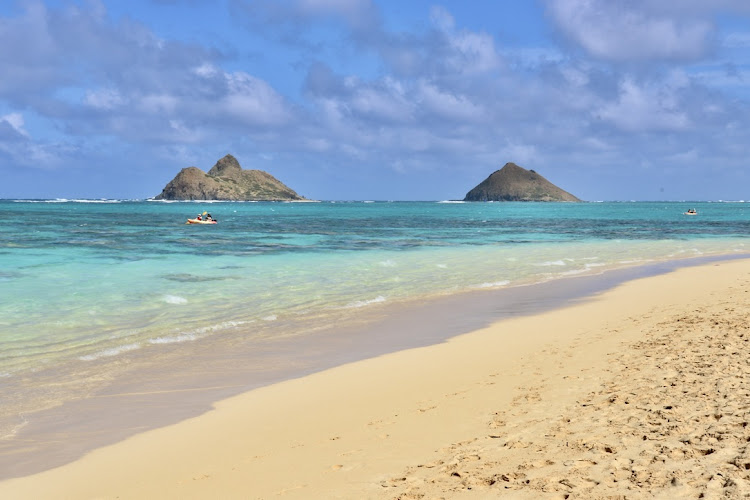
Lanikai Beach
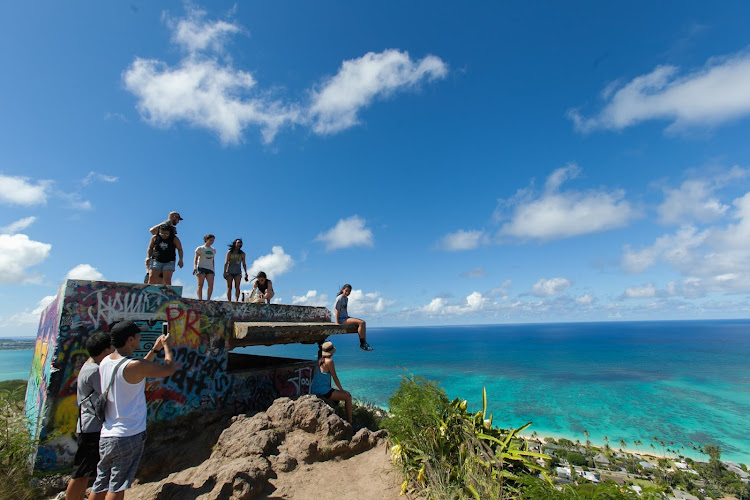
Lanikai Pillbox Trail
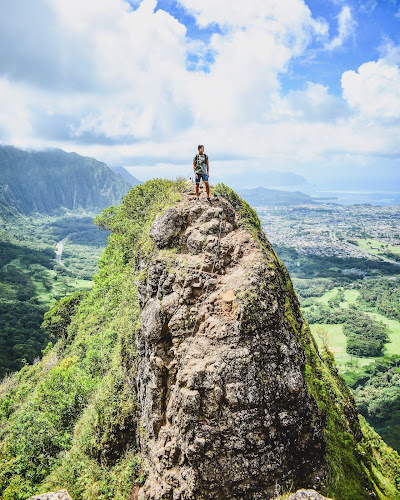
Pali Notches
Find Accommodations Nearby
Recommended Tours & Activities
Visitor Reviews
There are no reviews yet. Be the first one to write one.
Share Your Experience
Have you visited Lanikai Monument? Help other travelers by leaving a review.