

Ulupō Heiau State Historic Site
About Ulupō Heiau State Historic Site
Description
The Ulupō Heiau State Historic Site represents one of those remarkable places where ancient Hawaiian history literally rises from the ground to tell its story. This massive stone platform temple—or heiau—stands as a testament to the engineering prowess and spiritual dedication of Native Hawaiian people who built it centuries ago. Located in Kailua on Oʻahu's windward side, this sacred site offers travelers a genuine glimpse into pre-contact Hawaiian culture that you simply won't find at more commercialized tourist attractions. What strikes most visitors first is the sheer scale of this structure. We're talking about a stone platform that measures roughly 140 feet by 180 feet and rises about 30 feet high at its highest point. And here's the thing that always gets me—this entire structure was built by hand, stone by stone, without modern equipment or even metal tools. According to Hawaiian legend, the heiau was constructed in a single night by menehune, the mythical little people of Hawaiian folklore, who passed stones hand-to-hand all the way from Waianae Valley. While that makes for a great story, the reality of human construction makes it even more impressive in my opinion. The site sits adjacent to Kawainui Marsh, Hawaii's largest wetland, which adds another layer of significance to the location. Ancient Hawaiians didn't just randomly pick spots for their temples—they chose places with powerful mana, or spiritual energy. The connection between this heiau and the surrounding landscape demonstrates the deep understanding Hawaiian ancestors had about their environment and how physical spaces could enhance spiritual practices. Today's visitors can walk around the perimeter of the heiau and take in interpretive signs that explain the site's historical and cultural importance. The atmosphere here feels different from typical tourist spots. There's a quietness, a sense of reverence that naturally settles over people as they contemplate the generations of Hawaiians who used this space for religious ceremonies, agricultural rituals, and community gatherings.Key Features
The Ulupō Heiau State Historic Site offers several distinctive elements that make it worth adding to your Oahu itinerary:- Massive stone platform construction – The heiau's impressive size and dry-stacked stone walls showcase ancient Hawaiian engineering capabilities that rival construction techniques from other ancient civilizations
- Agricultural heiau classification – Unlike war temples or those used for human sacrifice, Ulupō Heiau was primarily dedicated to Lono, the god of agriculture, fertility, and peace, making it a temple focused on life-giving practices
- Connection to Kawainui Marsh – The adjacent wetland once supported extensive taro cultivation and fishpond systems that fed the local population, demonstrating how the heiau fit into a larger subsistence ecosystem
- Interpretive signage – Well-designed educational displays help visitors understand the construction methods, cultural significance, and historical context without needing a guided tour
- Family-friendly accessibility – The site works well for children who can see and touch (respectfully) real ancient structures rather than just reading about them in books
- Free admission – Unlike many historical sites, there's no entrance fee, making it an budget-friendly option for travelers
- Relatively uncrowded experience – You won't be fighting through masses of tourists here, which allows for genuine reflection and photography without photobombers in every shot
- Authentic cultural site – This isn't a reconstruction or replica—you're looking at actual stones placed by Hawaiian hands hundreds of years ago
Best Time to Visit
Honestly, the Ulupō Heiau can be visited year-round since it's an outdoor site that doesn't depend on seasonal changes the way mainland attractions might. But let me share some thoughts based on practical considerations and personal experience. The early morning hours, particularly between 8 and 10 AM, offer the most comfortable conditions. Hawaii's sun gets intense pretty quickly, and since there's limited shade around the heiau itself, you'll appreciate beating the heat. Plus, morning light creates beautiful photography conditions—the golden glow hitting those ancient stones creates some really memorable shots. Weekdays generally see fewer visitors than weekends, which matters if you're hoping for a contemplative experience. There's something special about having the space mostly to yourself, being able to sit quietly and really absorb the historical weight of where you're standing. That's harder to achieve when you're sharing the space with school groups or family reunions. Weather-wise, Kailua's windward location means it gets more rain than Honolulu or the island's leeward side. The wettest months typically run from November through March, though honestly, Hawaiian rain often comes in brief showers rather than all-day downpours. A light rain shower actually enhances the experience sometimes—the stones glisten, the surrounding plants perk up, and you get that rich, earthy smell that connects you even more to the land. If you're planning your overall Oahu trip and wondering when to fit this in, I'd suggest avoiding major Hawaiian holidays when local families might be holding ceremonies or gatherings at the site. While visitors are generally welcome, being respectful of active cultural practices means giving people space when they're engaged in traditional activities. The summer months from May through September offer the most consistently dry weather and longer daylight hours, which gives you flexibility in timing your visit. But don't let weather concerns keep you away entirely—this site is worth seeing even if conditions aren't absolutely perfect.How to Get There
Getting to Ulupō Heiau requires a bit of local knowledge since it's not right on the main tourist circuit, but that's part of what keeps it authentic and less crowded. If you're renting a car, which I highly recommend for exploring Oahu beyond Waikiki, you'll head toward Kailua on the windward side. From Waikiki or Honolulu, take the Pali Highway (Route 61) through the spectacular mountain tunnel. The drive itself is gorgeous, by the way—you emerge from that tunnel to a completely different landscape that never fails to impress. Once you're in Kailua, you'll navigate to the Windward YMCA, which sits right next to the heiau. The site is actually accessed through the YMCA parking lot, which confuses some visitors at first. Don't worry—you're not trespassing. The YMCA and the historic site share this space, and there's signage directing you to the heiau. Just be respectful of YMCA members and activities happening there. Parking is available in the YMCA lot, though spaces can sometimes be limited during peak YMCA hours. I've never had serious problems finding a spot, but arriving earlier in the day generally means easier parking. For those relying on public transportation, The Bus route 70 serves Kailua, though you'll need to check current schedules and potentially do some walking from the bus stop. Oahu's public transit system is reliable but can be time-consuming, so factor in extra travel time if you're going this route. Some travelers combine a visit to Ulupō Heiau with time at Kailua Beach, which is just a few minutes away and consistently ranks among America's best beaches. This makes practical sense since you're already on the windward side—you can get your cultural and historical fix in the morning, then spend the afternoon enjoying that gorgeous turquoise water and white sand. Ride-share services like Uber and Lyft operate in Kailua, so that's another option if you don't want to drive yourself. Just remember you'll need to arrange a pickup afterward since this isn't exactly a busy commercial area where cars are constantly passing by.Tips for Visiting
Approaching any Hawaiian sacred site requires cultural sensitivity, and Ulupō Heiau is no exception. Even though it's a state historic site open to the public, this remains a spiritually significant place for Native Hawaiians. Don't climb on the structure itself—walking the perimeter is fine, but the platform top is kapu (forbidden) to visitors. I've seen tourists ignore this guideline, and it's honestly disrespectful and potentially dangerous since the stones aren't maintained for foot traffic. Bring water and sun protection. There's virtually no shade at the site, and Hawaii's sun is stronger than many mainland visitors expect. Even on overcast days, UV rays penetrate clouds here. A hat, sunscreen, and a refillable water bottle should be non-negotiable items in your day pack. Photography is allowed and encouraged from an educational standpoint, but approach it thoughtfully. If you see anyone engaged in what appears to be ceremony or spiritual practice, give them privacy. Don't photograph them without permission. And while selfies are fine, maybe consider whether treating an ancient temple as just another Instagram backdrop truly honors the space. The ground can be uneven and rocky, so proper footwear matters more than you might think. Those cute sandals you bought at the resort gift shop? Probably not ideal here. Closed-toe shoes with good traction will make your visit more comfortable and safer. Plan for about 30-45 minutes at the site itself. This isn't an all-day attraction, but rushing through in ten minutes means you'll miss the educational value and the chance to really absorb the atmosphere. Bring a curious mindset and actually read the interpretive signs—they contain fascinating information about construction techniques and cultural practices that bring the stones to life. If you're traveling with children (and the site is genuinely kid-friendly), prepare them beforehand about appropriate behavior at sacred sites. This becomes a wonderful teaching opportunity about cultural respect, world history, and how different societies built impressive structures. Kids often respond really well to the menehune legends, which can make the history more engaging for younger minds. Consider timing your visit as part of a broader windward Oahu exploration. The Kawainui Marsh has walking trails worth exploring, Kailua town offers excellent local restaurants and shops, and those beaches I mentioned earlier are spectacular. Treating the heiau as one stop on a full-day windward adventure maximizes your time and transportation efforts. Check weather conditions before heading out, but don't be overly deterred by forecast rain. As I mentioned earlier, windward Oahu gets passing showers that often clear quickly. A small rain jacket or umbrella provides insurance without taking up much space. Finally, leave only footprints and take only photographs, as the saying goes. Don't remove stones "as souvenirs" or leave offerings unless you're Hawaiian and participating in cultural practices. The site's preservation depends on visitors respecting it as both a historical monument and an active sacred space. The Ulupō Heiau State Historic Site won't blow your mind with flashy exhibits or costumed interpreters, and that's precisely what makes it valuable. This is real history standing exactly where it was built centuries ago, offering travelers willing to venture slightly off the beaten path an authentic connection to Hawaii's rich cultural heritage.Key Features
- Large lava-rock heiau (stone temple) platform and walls
- Overlooks Kawainui Marsh — one of Hawaii’s largest wetland ecosystems
- Interpretive signs and short, easy walking paths
- Historic significance: ceremonial site dedicated to the god Kāne and linked to traditional taro agriculture
- Scenic views of Kailua and the Koʻolau Mountain ridge
More Details
Updated March 30, 2026
Table of Contents
Description
The Ulupō Heiau State Historic Site represents one of those remarkable places where ancient Hawaiian history literally rises from the ground to tell its story. This massive stone platform temple—or heiau—stands as a testament to the engineering prowess and spiritual dedication of Native Hawaiian people who built it centuries ago. Located in Kailua on Oʻahu’s windward side, this sacred site offers travelers a genuine glimpse into pre-contact Hawaiian culture that you simply won’t find at more commercialized tourist attractions.
What strikes most visitors first is the sheer scale of this structure. We’re talking about a stone platform that measures roughly 140 feet by 180 feet and rises about 30 feet high at its highest point. And here’s the thing that always gets me—this entire structure was built by hand, stone by stone, without modern equipment or even metal tools. According to Hawaiian legend, the heiau was constructed in a single night by menehune, the mythical little people of Hawaiian folklore, who passed stones hand-to-hand all the way from Waianae Valley. While that makes for a great story, the reality of human construction makes it even more impressive in my opinion.
The site sits adjacent to Kawainui Marsh, Hawaii’s largest wetland, which adds another layer of significance to the location. Ancient Hawaiians didn’t just randomly pick spots for their temples—they chose places with powerful mana, or spiritual energy. The connection between this heiau and the surrounding landscape demonstrates the deep understanding Hawaiian ancestors had about their environment and how physical spaces could enhance spiritual practices.
Today’s visitors can walk around the perimeter of the heiau and take in interpretive signs that explain the site’s historical and cultural importance. The atmosphere here feels different from typical tourist spots. There’s a quietness, a sense of reverence that naturally settles over people as they contemplate the generations of Hawaiians who used this space for religious ceremonies, agricultural rituals, and community gatherings.
Key Features
The Ulupō Heiau State Historic Site offers several distinctive elements that make it worth adding to your Oahu itinerary:
- Massive stone platform construction – The heiau’s impressive size and dry-stacked stone walls showcase ancient Hawaiian engineering capabilities that rival construction techniques from other ancient civilizations
- Agricultural heiau classification – Unlike war temples or those used for human sacrifice, Ulupō Heiau was primarily dedicated to Lono, the god of agriculture, fertility, and peace, making it a temple focused on life-giving practices
- Connection to Kawainui Marsh – The adjacent wetland once supported extensive taro cultivation and fishpond systems that fed the local population, demonstrating how the heiau fit into a larger subsistence ecosystem
- Interpretive signage – Well-designed educational displays help visitors understand the construction methods, cultural significance, and historical context without needing a guided tour
- Family-friendly accessibility – The site works well for children who can see and touch (respectfully) real ancient structures rather than just reading about them in books
- Free admission – Unlike many historical sites, there’s no entrance fee, making it an budget-friendly option for travelers
- Relatively uncrowded experience – You won’t be fighting through masses of tourists here, which allows for genuine reflection and photography without photobombers in every shot
- Authentic cultural site – This isn’t a reconstruction or replica—you’re looking at actual stones placed by Hawaiian hands hundreds of years ago
Best Time to Visit
Honestly, the Ulupō Heiau can be visited year-round since it’s an outdoor site that doesn’t depend on seasonal changes the way mainland attractions might. But let me share some thoughts based on practical considerations and personal experience.
The early morning hours, particularly between 8 and 10 AM, offer the most comfortable conditions. Hawaii’s sun gets intense pretty quickly, and since there’s limited shade around the heiau itself, you’ll appreciate beating the heat. Plus, morning light creates beautiful photography conditions—the golden glow hitting those ancient stones creates some really memorable shots.
Weekdays generally see fewer visitors than weekends, which matters if you’re hoping for a contemplative experience. There’s something special about having the space mostly to yourself, being able to sit quietly and really absorb the historical weight of where you’re standing. That’s harder to achieve when you’re sharing the space with school groups or family reunions.
Weather-wise, Kailua’s windward location means it gets more rain than Honolulu or the island’s leeward side. The wettest months typically run from November through March, though honestly, Hawaiian rain often comes in brief showers rather than all-day downpours. A light rain shower actually enhances the experience sometimes—the stones glisten, the surrounding plants perk up, and you get that rich, earthy smell that connects you even more to the land.
If you’re planning your overall Oahu trip and wondering when to fit this in, I’d suggest avoiding major Hawaiian holidays when local families might be holding ceremonies or gatherings at the site. While visitors are generally welcome, being respectful of active cultural practices means giving people space when they’re engaged in traditional activities.
The summer months from May through September offer the most consistently dry weather and longer daylight hours, which gives you flexibility in timing your visit. But don’t let weather concerns keep you away entirely—this site is worth seeing even if conditions aren’t absolutely perfect.
How to Get There
Getting to Ulupō Heiau requires a bit of local knowledge since it’s not right on the main tourist circuit, but that’s part of what keeps it authentic and less crowded.
If you’re renting a car, which I highly recommend for exploring Oahu beyond Waikiki, you’ll head toward Kailua on the windward side. From Waikiki or Honolulu, take the Pali Highway (Route 61) through the spectacular mountain tunnel. The drive itself is gorgeous, by the way—you emerge from that tunnel to a completely different landscape that never fails to impress.
Once you’re in Kailua, you’ll navigate to the Windward YMCA, which sits right next to the heiau. The site is actually accessed through the YMCA parking lot, which confuses some visitors at first. Don’t worry—you’re not trespassing. The YMCA and the historic site share this space, and there’s signage directing you to the heiau. Just be respectful of YMCA members and activities happening there.
Parking is available in the YMCA lot, though spaces can sometimes be limited during peak YMCA hours. I’ve never had serious problems finding a spot, but arriving earlier in the day generally means easier parking.
For those relying on public transportation, The Bus route 70 serves Kailua, though you’ll need to check current schedules and potentially do some walking from the bus stop. Oahu’s public transit system is reliable but can be time-consuming, so factor in extra travel time if you’re going this route.
Some travelers combine a visit to Ulupō Heiau with time at Kailua Beach, which is just a few minutes away and consistently ranks among America’s best beaches. This makes practical sense since you’re already on the windward side—you can get your cultural and historical fix in the morning, then spend the afternoon enjoying that gorgeous turquoise water and white sand.
Ride-share services like Uber and Lyft operate in Kailua, so that’s another option if you don’t want to drive yourself. Just remember you’ll need to arrange a pickup afterward since this isn’t exactly a busy commercial area where cars are constantly passing by.
Tips for Visiting
Approaching any Hawaiian sacred site requires cultural sensitivity, and Ulupō Heiau is no exception. Even though it’s a state historic site open to the public, this remains a spiritually significant place for Native Hawaiians. Don’t climb on the structure itself—walking the perimeter is fine, but the platform top is kapu (forbidden) to visitors. I’ve seen tourists ignore this guideline, and it’s honestly disrespectful and potentially dangerous since the stones aren’t maintained for foot traffic.
Bring water and sun protection. There’s virtually no shade at the site, and Hawaii’s sun is stronger than many mainland visitors expect. Even on overcast days, UV rays penetrate clouds here. A hat, sunscreen, and a refillable water bottle should be non-negotiable items in your day pack.
Photography is allowed and encouraged from an educational standpoint, but approach it thoughtfully. If you see anyone engaged in what appears to be ceremony or spiritual practice, give them privacy. Don’t photograph them without permission. And while selfies are fine, maybe consider whether treating an ancient temple as just another Instagram backdrop truly honors the space.
The ground can be uneven and rocky, so proper footwear matters more than you might think. Those cute sandals you bought at the resort gift shop? Probably not ideal here. Closed-toe shoes with good traction will make your visit more comfortable and safer.
Plan for about 30-45 minutes at the site itself. This isn’t an all-day attraction, but rushing through in ten minutes means you’ll miss the educational value and the chance to really absorb the atmosphere. Bring a curious mindset and actually read the interpretive signs—they contain fascinating information about construction techniques and cultural practices that bring the stones to life.
If you’re traveling with children (and the site is genuinely kid-friendly), prepare them beforehand about appropriate behavior at sacred sites. This becomes a wonderful teaching opportunity about cultural respect, world history, and how different societies built impressive structures. Kids often respond really well to the menehune legends, which can make the history more engaging for younger minds.
Consider timing your visit as part of a broader windward Oahu exploration. The Kawainui Marsh has walking trails worth exploring, Kailua town offers excellent local restaurants and shops, and those beaches I mentioned earlier are spectacular. Treating the heiau as one stop on a full-day windward adventure maximizes your time and transportation efforts.
Check weather conditions before heading out, but don’t be overly deterred by forecast rain. As I mentioned earlier, windward Oahu gets passing showers that often clear quickly. A small rain jacket or umbrella provides insurance without taking up much space.
Finally, leave only footprints and take only photographs, as the saying goes. Don’t remove stones “as souvenirs” or leave offerings unless you’re Hawaiian and participating in cultural practices. The site’s preservation depends on visitors respecting it as both a historical monument and an active sacred space.
The Ulupō Heiau State Historic Site won’t blow your mind with flashy exhibits or costumed interpreters, and that’s precisely what makes it valuable. This is real history standing exactly where it was built centuries ago, offering travelers willing to venture slightly off the beaten path an authentic connection to Hawaii’s rich cultural heritage.
Key Highlights
- Large lava-rock heiau (stone temple) platform and walls
- Overlooks Kawainui Marsh — one of Hawaii’s largest wetland ecosystems
- Interpretive signs and short, easy walking paths
- Historic significance: ceremonial site dedicated to the god Kāne and linked to traditional taro agriculture
- Scenic views of Kailua and the Koʻolau Mountain ridge
Location
Places to Stay Near Ulupō Heiau State Historic Site
Find and Book a Tour
Explore More Travel Guides
No reviews found! Be the first to review!
Ulupō Heiau State Historic Site is a prominent attractions located in Kailua.
Visit us at: Kailua, HI 96734, USA.
Traveler Reviews for Ulupō Heiau State Historic Site
There are no reviews yet. Be the first one to write one.
Have you visited Ulupō Heiau State Historic Site? Help other travelers by sharing your review.
Nearby Attractions
You Might Also Like
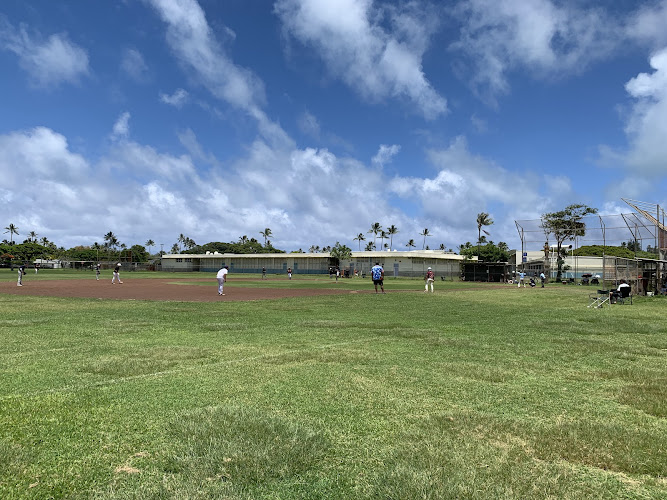
Kailua District Park

Lanikai Pillbox
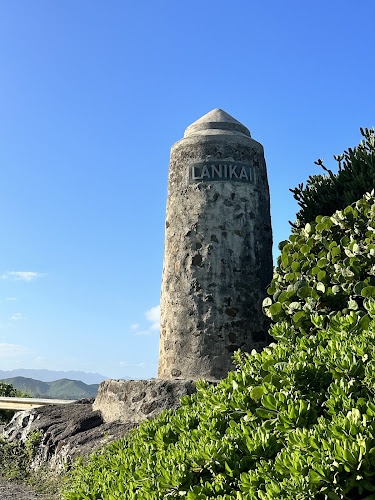
Lanikai Monument
Find Accommodations Nearby
Recommended Tours & Activities
Visitor Reviews
There are no reviews yet. Be the first one to write one.
Share Your Experience
Have you visited Ulupō Heiau State Historic Site? Help other travelers by leaving a review.