
Huaniao Island Scenic Spot
About Huaniao Island Scenic Spot
Description
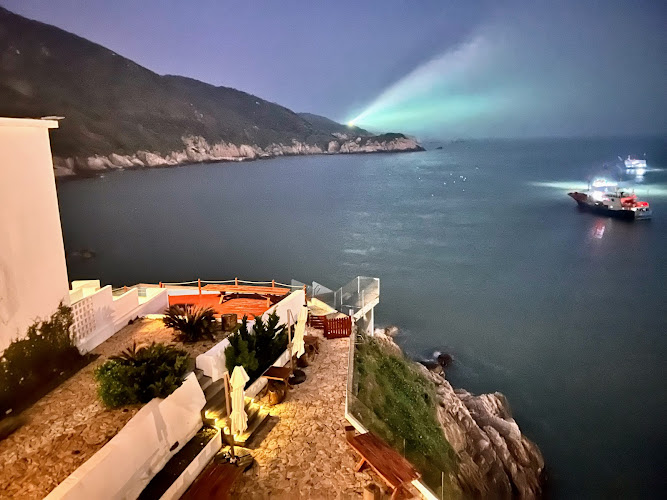
Huaniao Island Scenic Spot sits off the eastern coast of China, and honestly, it's one of those places that doesn't scream for attention but absolutely deserves it. The name itself translates to "Flower and Bird Island," which gives you a pretty good hint about what you're getting into here. This isn't your typical overcrowded tourist destination where you're fighting for space to take a decent photo. The island stretches across a relatively compact area, making it perfect for travelers who want to explore without feeling exhausted by the end of the day. What really sets this place apart is its lighthouse – and I'm not talking about just any lighthouse. The structure here has become something of an Instagram sensation, though when I first heard about it, I thought people were exaggerating. They weren't. The white and blue striped tower against the backdrop of endless ocean creates this almost Mediterranean vibe that feels transported from somewhere in Greece. But beyond the postcard-perfect scenes, Huaniao Island offers something increasingly rare in our connected world: genuine tranquility. The local fishing community goes about their daily routines, and you'll find small guesthouses run by families who've lived here for generations. The island's rocky coastline gets pounded by waves that create this constant, soothing soundtrack. And the air? It smells like salt and freedom, if that makes any sense. The seafood here comes straight from the boats to your plate, sometimes within hours. I remember talking to a friend who visited last summer, and she couldn't stop raving about the yellow croaker she had at a tiny family-run restaurant. Said it ruined restaurant fish for her back home because nothing could compare to that freshness.Key Features
The island packs quite a punch despite its modest size. Here's what makes Huaniao Island worth adding to your travel itinerary:- The Iconic Lighthouse: This blue and white striped beacon has become the island's calling card. Built decades ago, it still functions today and offers phenomenal views from its base. The surrounding area with its white-washed buildings creates an almost surreal atmosphere that photographers absolutely love.
- Pristine Beaches: Unlike mainland beaches that get trampled by thousands of visitors, Huaniao's shorelines maintain their natural character. The pebbled beaches might not be ideal for sunbathing, but they're perfect for contemplative walks and tide pool exploration.
- Birdwatching Opportunities: True to its name, the island serves as a stopover point for migratory birds. Spring and autumn bring species that birdwatchers travel considerable distances to observe. You don't need to be an expert to appreciate seeing these creatures in their natural habitat.
- Traditional Fishing Village: The local community maintains traditional ways of life that are disappearing elsewhere. Watching fishermen mend nets or prepare their boats provides a window into maritime culture that's genuinely authentic.
- Crystal Clear Waters: The surrounding seas maintain remarkable clarity, especially during calmer months. Snorkeling here reveals underwater landscapes that surprise first-time visitors who didn't expect such biodiversity.
- Stone House Architecture: The island's buildings use local stone construction methods passed down through generations. These structures withstand typhoons and harsh weather while maintaining their aesthetic charm.
- Seafood Dining Experience: Fresh catches prepared with minimal fuss but maximum flavor. The yellow croaker, swimming crab, and various shellfish dishes represent coastal cuisine at its most honest.
- Sunrise and Sunset Viewing Points: Multiple vantage points around the island offer spectacular views during golden hour. The lighthouse area particularly shines during these times, literally and figuratively.
Best Time to Visit
Timing your visit to Huaniao Island makes a substantial difference in your experience. The island experiences distinct seasonal changes, and each period brings different advantages and challenges. Late spring, specifically May through early June, represents probably the sweet spot for most travelers. The weather has warmed up enough to be comfortable, but the summer crowds haven't arrived yet. Water temperatures start becoming tolerable for swimming, and the island's vegetation reaches peak greenness. And this is when you'll catch many migratory birds passing through. Summer months from July through August bring the warmest weather and calmest seas, which sounds ideal until you factor in that everyone else has the same idea. Accommodation fills up fast, and prices climb accordingly. But if you don't mind company and want guaranteed beach weather, this works. Just book everything way in advance – and I mean months ahead. Autumn, particularly September and October, deserves serious consideration. The summer rush dies down, temperatures remain pleasant, and another wave of migratory birds arrives. The sea stays warm enough for swimming well into October. I'd argue this might actually beat spring for overall experience, though you're gambling a bit more with weather patterns. Winter? That's for the hardcore travelers who want the island practically to themselves. November through February can get quite chilly, and ferry schedules become less reliable due to rougher seas. Some guesthouses close for the season. But if solitude ranks high on your priority list and you don't mind bundling up, winter has its appeal. The dramatic seascapes during stormy weather create moody photo opportunities that fair-weather visitors never see. Avoid typhoon season peak periods in late summer and early autumn. While the island handles storms well, transportation gets disrupted, and you might find yourself stuck on the island longer than planned. Or worse, stuck on the mainland unable to reach the island at all.How to Get There
Getting to Huaniao Island requires some planning because it's not exactly accessible by car or train. The journey becomes part of the adventure, though it might test your patience if you're used to straightforward travel routes. Your journey starts in Shanghai for most international travelers. From Shanghai, you need to reach Shengsi County, which involves either taking a bus to Xiaoyangshan Port or traveling to Shenjiawan Port. The bus option from Shanghai takes roughly two to three hours depending on traffic, and buses run regularly from various points in the city. From the port, you'll board a ferry to Shengsi. These ferries run multiple times daily, but schedules vary seasonally. The crossing takes about an hour, and on rough days, it can get bumpy. If you're prone to seasickness, come prepared with medication. Once you reach Shengsi, you're not done yet. You need to catch another ferry specifically to Huaniao Island. Here's where things get trickier – these ferries don't run as frequently, and schedules depend heavily on weather conditions. During peak season, there might be two or three departures daily. Off-season? Sometimes just one, or none if conditions are poor. The final ferry leg takes approximately two hours. I've heard from travelers that this crossing can range from peaceful to downright adventurous depending on sea conditions. The boats aren't huge, and waves can make things interesting. Total travel time from Shanghai to Huaniao Island typically ranges from six to eight hours, sometimes more if you hit bad timing with ferry schedules. This is definitely not a day trip destination. Plan to stay at least two nights to make the journey worthwhile. Some travelers arrange private boat services, but these cost significantly more and still depend on weather cooperation. Unless you're traveling with a large group or have specific timing requirements, the public ferry system works fine and adds to the authentic experience.Tips for Visiting
Huaniao Island isn't the kind of place where you can just wing it and expect everything to work out smoothly. A bit of preparation goes a long way toward ensuring your visit becomes memorable for the right reasons. Book accommodation before you arrive. The island has limited lodging options, mostly small guesthouses and homestays. During peak season, showing up without reservations basically guarantees you'll be scrambling or potentially stuck without a room. Even off-season, confirming your stay ahead of time eliminates unnecessary stress. Pack layers regardless of when you visit. Island weather changes quickly, and that ocean breeze feels deceptive. You might start the day in shorts and finish it wanting a jacket. Also, the ferry rides can feel considerably cooler than land temperatures suggest. Bring cash – plenty of it. While some establishments now accept mobile payments, the island hasn't fully embraced cashless transactions. ATMs are scarce to nonexistent, so withdrawing money before you board that final ferry saves potential headaches. Ferry schedules need constant checking. Weather impacts departures frequently, and you don't want to plan a tight return schedule only to find yourself stranded because seas got rough. Build buffer time into your itinerary, especially if you have flights or important appointments afterward. The island has limited dining options, and restaurants don't stay open late. Eat when you can, and don't expect room service or late-night food delivery. Your guesthouse might offer meals, which often provides the best value and quality anyway. Walking shoes matter more than you'd think. The island's paths aren't always smooth, and exploring the coastline involves navigating rocks and uneven terrain. Those fashionable sandals might photograph well near the lighthouse, but they'll torture your feet on actual walks. Sunscreen and sun protection are essential even on cloudy days. The ocean reflects UV rays, and you'll spend more time outdoors than you realize. I've heard too many stories of travelers returning home looking like lobsters because they underestimated island sun exposure. Learn a few basic Chinese phrases if you don't speak the language. English isn't widely spoken on Huaniao Island, and translation apps require internet connectivity that can be spotty. Knowing how to ask for basics like food, directions, and bathroom locations helps tremendously. Respect the local fishing community and their work. Don't wander into private property or interfere with fishing operations for photo opportunities. The residents tolerate tourism because it brings income, but they're working people first and foremost. Take your trash with you or dispose of it properly. The island has limited waste management infrastructure, and keeping it clean depends on visitor cooperation. Leave the beaches and paths cleaner than you found them. Check weather forecasts obsessively before your trip. A typhoon or strong storm system can derail plans entirely, and you want maximum advance warning to adjust dates if necessary. Finally, slow down and embrace island time. Huaniao Island rewards travelers who aren't rushing from sight to sight checking boxes. Sit by the water, watch fishermen work, eat slowly, and let the pace of island life reset your internal clock. That's when this place really works its magic.Key Features
- Flower and Bird Lighthouse — prominent historic lighthouse and photo point
- Rich coastal vegetation and seasonal wildflowers
- Good birdwatching opportunities (sea and shore species)
- Scenic cliff and shoreline walking trails with panoramic sea views
- Proximity to Shengsi County and access via local ferry/boat services
More Details
Updated March 30, 2026
Table of Contents
Description
Huaniao Island Scenic Spot sits off the eastern coast of China, and honestly, it’s one of those places that doesn’t scream for attention but absolutely deserves it. The name itself translates to “Flower and Bird Island,” which gives you a pretty good hint about what you’re getting into here. This isn’t your typical overcrowded tourist destination where you’re fighting for space to take a decent photo.
The island stretches across a relatively compact area, making it perfect for travelers who want to explore without feeling exhausted by the end of the day. What really sets this place apart is its lighthouse – and I’m not talking about just any lighthouse. The structure here has become something of an Instagram sensation, though when I first heard about it, I thought people were exaggerating. They weren’t. The white and blue striped tower against the backdrop of endless ocean creates this almost Mediterranean vibe that feels transported from somewhere in Greece.
But beyond the postcard-perfect scenes, Huaniao Island offers something increasingly rare in our connected world: genuine tranquility. The local fishing community goes about their daily routines, and you’ll find small guesthouses run by families who’ve lived here for generations. The island’s rocky coastline gets pounded by waves that create this constant, soothing soundtrack. And the air? It smells like salt and freedom, if that makes any sense.
The seafood here comes straight from the boats to your plate, sometimes within hours. I remember talking to a friend who visited last summer, and she couldn’t stop raving about the yellow croaker she had at a tiny family-run restaurant. Said it ruined restaurant fish for her back home because nothing could compare to that freshness.
Key Features
The island packs quite a punch despite its modest size. Here’s what makes Huaniao Island worth adding to your travel itinerary:
- The Iconic Lighthouse: This blue and white striped beacon has become the island’s calling card. Built decades ago, it still functions today and offers phenomenal views from its base. The surrounding area with its white-washed buildings creates an almost surreal atmosphere that photographers absolutely love.
- Pristine Beaches: Unlike mainland beaches that get trampled by thousands of visitors, Huaniao’s shorelines maintain their natural character. The pebbled beaches might not be ideal for sunbathing, but they’re perfect for contemplative walks and tide pool exploration.
- Birdwatching Opportunities: True to its name, the island serves as a stopover point for migratory birds. Spring and autumn bring species that birdwatchers travel considerable distances to observe. You don’t need to be an expert to appreciate seeing these creatures in their natural habitat.
- Traditional Fishing Village: The local community maintains traditional ways of life that are disappearing elsewhere. Watching fishermen mend nets or prepare their boats provides a window into maritime culture that’s genuinely authentic.
- Crystal Clear Waters: The surrounding seas maintain remarkable clarity, especially during calmer months. Snorkeling here reveals underwater landscapes that surprise first-time visitors who didn’t expect such biodiversity.
- Stone House Architecture: The island’s buildings use local stone construction methods passed down through generations. These structures withstand typhoons and harsh weather while maintaining their aesthetic charm.
- Seafood Dining Experience: Fresh catches prepared with minimal fuss but maximum flavor. The yellow croaker, swimming crab, and various shellfish dishes represent coastal cuisine at its most honest.
- Sunrise and Sunset Viewing Points: Multiple vantage points around the island offer spectacular views during golden hour. The lighthouse area particularly shines during these times, literally and figuratively.
Best Time to Visit
Timing your visit to Huaniao Island makes a substantial difference in your experience. The island experiences distinct seasonal changes, and each period brings different advantages and challenges.
Late spring, specifically May through early June, represents probably the sweet spot for most travelers. The weather has warmed up enough to be comfortable, but the summer crowds haven’t arrived yet. Water temperatures start becoming tolerable for swimming, and the island’s vegetation reaches peak greenness. And this is when you’ll catch many migratory birds passing through.
Summer months from July through August bring the warmest weather and calmest seas, which sounds ideal until you factor in that everyone else has the same idea. Accommodation fills up fast, and prices climb accordingly. But if you don’t mind company and want guaranteed beach weather, this works. Just book everything way in advance – and I mean months ahead.
Autumn, particularly September and October, deserves serious consideration. The summer rush dies down, temperatures remain pleasant, and another wave of migratory birds arrives. The sea stays warm enough for swimming well into October. I’d argue this might actually beat spring for overall experience, though you’re gambling a bit more with weather patterns.
Winter? That’s for the hardcore travelers who want the island practically to themselves. November through February can get quite chilly, and ferry schedules become less reliable due to rougher seas. Some guesthouses close for the season. But if solitude ranks high on your priority list and you don’t mind bundling up, winter has its appeal. The dramatic seascapes during stormy weather create moody photo opportunities that fair-weather visitors never see.
Avoid typhoon season peak periods in late summer and early autumn. While the island handles storms well, transportation gets disrupted, and you might find yourself stuck on the island longer than planned. Or worse, stuck on the mainland unable to reach the island at all.
How to Get There
Getting to Huaniao Island requires some planning because it’s not exactly accessible by car or train. The journey becomes part of the adventure, though it might test your patience if you’re used to straightforward travel routes.
Your journey starts in Shanghai for most international travelers. From Shanghai, you need to reach Shengsi County, which involves either taking a bus to Xiaoyangshan Port or traveling to Shenjiawan Port. The bus option from Shanghai takes roughly two to three hours depending on traffic, and buses run regularly from various points in the city.
From the port, you’ll board a ferry to Shengsi. These ferries run multiple times daily, but schedules vary seasonally. The crossing takes about an hour, and on rough days, it can get bumpy. If you’re prone to seasickness, come prepared with medication.
Once you reach Shengsi, you’re not done yet. You need to catch another ferry specifically to Huaniao Island. Here’s where things get trickier – these ferries don’t run as frequently, and schedules depend heavily on weather conditions. During peak season, there might be two or three departures daily. Off-season? Sometimes just one, or none if conditions are poor.
The final ferry leg takes approximately two hours. I’ve heard from travelers that this crossing can range from peaceful to downright adventurous depending on sea conditions. The boats aren’t huge, and waves can make things interesting.
Total travel time from Shanghai to Huaniao Island typically ranges from six to eight hours, sometimes more if you hit bad timing with ferry schedules. This is definitely not a day trip destination. Plan to stay at least two nights to make the journey worthwhile.
Some travelers arrange private boat services, but these cost significantly more and still depend on weather cooperation. Unless you’re traveling with a large group or have specific timing requirements, the public ferry system works fine and adds to the authentic experience.
Tips for Visiting
Huaniao Island isn’t the kind of place where you can just wing it and expect everything to work out smoothly. A bit of preparation goes a long way toward ensuring your visit becomes memorable for the right reasons.
Book accommodation before you arrive. The island has limited lodging options, mostly small guesthouses and homestays. During peak season, showing up without reservations basically guarantees you’ll be scrambling or potentially stuck without a room. Even off-season, confirming your stay ahead of time eliminates unnecessary stress.
Pack layers regardless of when you visit. Island weather changes quickly, and that ocean breeze feels deceptive. You might start the day in shorts and finish it wanting a jacket. Also, the ferry rides can feel considerably cooler than land temperatures suggest.
Bring cash – plenty of it. While some establishments now accept mobile payments, the island hasn’t fully embraced cashless transactions. ATMs are scarce to nonexistent, so withdrawing money before you board that final ferry saves potential headaches.
Ferry schedules need constant checking. Weather impacts departures frequently, and you don’t want to plan a tight return schedule only to find yourself stranded because seas got rough. Build buffer time into your itinerary, especially if you have flights or important appointments afterward.
The island has limited dining options, and restaurants don’t stay open late. Eat when you can, and don’t expect room service or late-night food delivery. Your guesthouse might offer meals, which often provides the best value and quality anyway.
Walking shoes matter more than you’d think. The island’s paths aren’t always smooth, and exploring the coastline involves navigating rocks and uneven terrain. Those fashionable sandals might photograph well near the lighthouse, but they’ll torture your feet on actual walks.
Sunscreen and sun protection are essential even on cloudy days. The ocean reflects UV rays, and you’ll spend more time outdoors than you realize. I’ve heard too many stories of travelers returning home looking like lobsters because they underestimated island sun exposure.
Learn a few basic Chinese phrases if you don’t speak the language. English isn’t widely spoken on Huaniao Island, and translation apps require internet connectivity that can be spotty. Knowing how to ask for basics like food, directions, and bathroom locations helps tremendously.
Respect the local fishing community and their work. Don’t wander into private property or interfere with fishing operations for photo opportunities. The residents tolerate tourism because it brings income, but they’re working people first and foremost.
Take your trash with you or dispose of it properly. The island has limited waste management infrastructure, and keeping it clean depends on visitor cooperation. Leave the beaches and paths cleaner than you found them.
Check weather forecasts obsessively before your trip. A typhoon or strong storm system can derail plans entirely, and you want maximum advance warning to adjust dates if necessary.
Finally, slow down and embrace island time. Huaniao Island rewards travelers who aren’t rushing from sight to sight checking boxes. Sit by the water, watch fishermen work, eat slowly, and let the pace of island life reset your internal clock. That’s when this place really works its magic.
Key Highlights
- Flower and Bird Lighthouse — prominent historic lighthouse and photo point
- Rich coastal vegetation and seasonal wildflowers
- Good birdwatching opportunities (sea and shore species)
- Scenic cliff and shoreline walking trails with panoramic sea views
- Proximity to Shengsi County and access via local ferry/boat services
Location
Places to Stay Near Huaniao Island Scenic Spot
Find and Book a Tour
Explore More Travel Guides
No reviews found! Be the first to review!
Huaniao Island Scenic Spot is a prominent 景点 located in 花鸟岛.
Visit us at: China, 花鸟岛, Shengsi County, 98, 连心路, 98号CN 浙江省 舟山市近花鸟灯塔 邮政编码: 202456.
Traveler Reviews for Huaniao Island Scenic Spot
There are no reviews yet. Be the first one to write one.
Have you visited Huaniao Island Scenic Spot? Help other travelers by sharing your review.
Nearby Attractions
Find Accommodations Nearby
Recommended Tours & Activities
Visitor Reviews
There are no reviews yet. Be the first one to write one.
Share Your Experience
Have you visited Huaniao Island Scenic Spot? Help other travelers by leaving a review.