
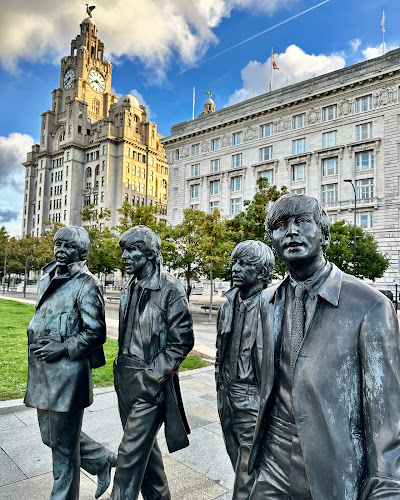
The Beatles Statues
About The Beatles Statues
Description
Liverpool's bronze Beatles statues stand as one of the city's most photographed landmarks, and honestly, they deserve every bit of that attention. Created by sculptor Andy Edwards and unveiled in 2015, these life-sized figures capture the Fab Four in their iconic stride along the waterfront. The four members—John, Paul, George, and Ringo—are immortalized in bronze, frozen mid-walk as if they're heading toward their next gig or maybe just strolling through their hometown. What strikes visitors immediately is how accessible these statues are. They're not cordoned off behind barriers or elevated on some untouchable pedestal. You can walk right up to them, stand beside them, and really feel like you're part of the band for a moment. The sculptures sit at Pier Head, right by the Liverpool waterfront, where the city's maritime history meets its musical legacy in a pretty spectacular way. The detail work is remarkable when you get up close. Edwards didn't just create generic figures—he captured the individual personalities and mannerisms of each Beatle. You'll notice the way each member stands, their clothing folds, even the subtle expressions on their faces. It's this attention to detail that separates these from being just another tourist photo op and elevates them to genuine works of art. Since their installation, the statues have become a pilgrimage site for Beatles fans from across the globe. But they're not just for die-hard fans who can name every B-side. Even casual music lovers and people who simply appreciate good public art find themselves drawn to these bronze figures. There's something universal about what they represent—youth, creativity, revolution, and the magic that happens when talent meets opportunity.Key Features
The Beatles statues offer several distinctive characteristics that make them stand out among Liverpool's many attractions: • Life-sized bronze sculptures of all four Beatles—John Lennon, Paul McCartney, George Harrison, and Ringo Starr—walking together in formation • Created by acclaimed sculptor Andy Edwards and officially unveiled on December 4, 2015 • Located at the historic Pier Head area on Liverpool's waterfront, positioning them against the backdrop of the River Mersey • Completely open access allowing visitors to touch, pose with, and photograph the statues without restrictions • Wheelchair accessible entrance and surrounding area, making it inclusive for all visitors • Each statue captures unique physical characteristics and personalities of the individual band members • Situated near other Liverpool landmarks including the Royal Liver Building and the Museum of Liverpool • Free to visit at any time of day or night, no admission fee required • Bronze material ensures durability while developing a natural patina over time • Popular gathering spot that's become one of the most Instagram-worthy locations in Liverpool • Parking available nearby with paid street parking options throughout the waterfront area • Part of the broader Beatles tourism experience Liverpool offers, though impressive as a standalone attractionBest Time to Visit
Timing your visit to the Beatles statues can make a real difference in your experience, and I learned this the hard way during my first trip when I showed up on a sunny Saturday afternoon to find myself in a queue of about fifty people all waiting for their turn to snap a photo. Early mornings are genuinely magical. If you can drag yourself out of bed around 7 or 8 AM, you'll often have the statues almost entirely to yourself. The morning light coming off the River Mersey creates this golden glow that makes for stunning photographs, and you won't be photobombing anyone else's shots. Plus, there's something peaceful about having a moment with the statues before the crowds descend. Weekdays generally see fewer visitors than weekends, particularly Tuesday through Thursday. If your travel schedule is flexible, aiming for midweek visits will save you considerable waiting time. Summer months bring the largest crowds, which makes sense given that's when most international tourists descend upon Liverpool. But don't let that deter you completely—the waterfront atmosphere during summer evenings is pretty special. Weather-wise, Liverpool isn't exactly known for endless sunshine. The city gets its fair share of rain, and while the statues look atmospheric in a light drizzle, heavy rain isn't ideal for photo sessions. Spring and early autumn offer decent weather compromises—you'll avoid the worst of the crowds while still having a reasonable chance of dry conditions. Late evening visits have their own charm too. The statues are accessible 24/7, and watching sunset from this spot on the waterfront is something I'd recommend to anyone. The surrounding area is well-lit and generally safe, making evening photography sessions quite feasible. Just be prepared for potentially chilly winds coming off the Mersey. If you're planning around Beatles-related events, the anniversary of the band's formation or significant dates in their history can see increased visitor numbers but also create a more festive atmosphere. December can be surprisingly quiet despite the winter chill, though you'll want to bundle up properly.How to Get There
Getting to the Beatles statues is refreshingly straightforward, which isn't something you can say about reaching every tourist attraction. The Pier Head location is well-connected to Liverpool's public transportation network and easily walkable from the city center. If you're staying anywhere in central Liverpool, walking is probably your best bet. The statues are roughly a 15-minute walk from Liverpool Lime Street station, the city's main railway hub. The route takes you through some interesting parts of the city, passing various shops and landmarks along the way. From the Liverpool ONE shopping district, you're looking at about 10 minutes on foot. The Merseyrail system serves the area well. James Street station is the closest stop, sitting just a few minutes walk from Pier Head. Trains run frequently throughout the day, and the system is pretty user-friendly even for first-time visitors. Moorfields station is another nearby option, perhaps a minute or two further but still very convenient. Multiple bus routes service the waterfront area. Routes stopping at Pier Head or the nearby bus stands include numerous options from different parts of the city and surrounding areas. The bus network in Liverpool is extensive, and most routes are clearly marked. Real-time information displays at stops make timing your journey easier. For those driving, paid street parking is available around the waterfront area, though spaces can be competitive during peak times. Several car parks operate within walking distance, including facilities near the Albert Dock. Be aware that parking in Liverpool isn't cheap, and you might find public transport more economical unless you're traveling with a group. The accessibility features deserve mention. Wheelchair users will find the entire area around the statues fully accessible with smooth pathways and dropped curbs throughout. The waterfront has been designed with accessibility in mind, which unfortunately isn't always the case with historic areas. Taxis and ride-sharing services know the location well—just mention "Beatles statues at Pier Head" and any driver will know exactly where you mean. The drop-off point is convenient, right near the statues themselves.Tips for Visiting
After watching countless visitors interact with these statues and making a few mistakes myself, I've gathered some practical wisdom worth sharing. Photography strategy matters more than you might think. The statues face toward the waterfront, which means depending on the time of day, you're either shooting with beautiful backlight or dealing with harsh shadows. Morning light favors shots from the waterfront side, while afternoon works better from the city-facing angle. Bring a phone or camera with decent dynamic range because the contrast between bronze and sky can be tricky. Don't rush your visit. Yeah, they're statues and they're not going anywhere, but spending just five minutes for a quick selfie misses the point. Take time to walk around each figure, notice the details in their clothing and expressions. Read the information plaques. Watch how other people interact with them. Some of my favorite travel memories come from observations rather than photographs. The surrounding area offers so much more than just the statues. The waterfront walk extends in both directions with beautiful views across the Mersey. The Museum of Liverpool sits nearby and offers free admission to its permanent collections. The Royal Liver Building dominates the skyline from this vantage point. Planning your Beatles statues visit as part of a broader waterfront exploration makes logistical sense. Weather preparation is essential in Liverpool. Even if the forecast looks promising, bring a light waterproof jacket. The wind off the river can be stronger than expected, and conditions change quickly. Comfortable walking shoes matter too since you'll likely end up exploring more of the waterfront than initially planned. Timing your photos around crowd levels requires patience. If you want solo shots with the statues, you'll need to wait for gaps in the tourist flow. Most people are considerate about taking turns, but sometimes you need to politely assert yourself. Don't be shy about asking someone to take your photo—the communal atmosphere around the statues means people are generally helpful. Consider the broader Beatles experience Liverpool offers. The statues work well as either a starting point or conclusion to a Beatles-themed day. The Cavern Club sits about 10 minutes walk away. The Beatles Story museum is at Albert Dock, roughly the same distance in the opposite direction. Penny Lane and Strawberry Field require bus journeys but are manageable day trips. Respect the artwork. I've seen people climbing on the statues, which isn't appropriate. These are works of art honoring cultural icons, not playground equipment. Touch them, pose beside them, but treat them with the respect they deserve. For solo travelers, the open location and constant foot traffic make this one of the safer tourist spots in the city. And the communal nature of the attraction means striking up conversations with fellow Beatles fans happens naturally. Some of the most interesting travel encounters come from shared enthusiasm for music and culture. The statues look different in various seasons. Summer brings lush surroundings and busy energy. Winter offers stark beauty and quieter reflection. Rain actually enhances the bronze in photographs, creating interesting textures and reflections. Each season provides a different experience, so if you're a repeat visitor, you'll notice these variations. Finally, remember that while the statues are the focal point, the real magic lies in what they represent. Standing there on Liverpool's waterfront, you're at the birthplace of something that changed music forever. Four lads from this city created sounds that still resonate decades later. The statues are just bronze and metal, but what they symbolize—that's worth the journey.Key Features
- Lifelike bronze sculptures of John, Paul, George and Ringo by Andy Edwards
- Prominent waterfront location at Pier Head with views of the River Mersey and Royal Liver Building
- Unveiled in December 2015 to commemorate the band’s ties to Liverpool
- Popular selfie and pilgrimage spot for Beatles fans worldwide
- Accessible public artwork integrated into Liverpool’s UNESCO-listed waterfront
More Details
Updated March 30, 2026
Table of Contents
Description
Liverpool’s bronze Beatles statues stand as one of the city’s most photographed landmarks, and honestly, they deserve every bit of that attention. Created by sculptor Andy Edwards and unveiled in 2015, these life-sized figures capture the Fab Four in their iconic stride along the waterfront. The four members—John, Paul, George, and Ringo—are immortalized in bronze, frozen mid-walk as if they’re heading toward their next gig or maybe just strolling through their hometown.
What strikes visitors immediately is how accessible these statues are. They’re not cordoned off behind barriers or elevated on some untouchable pedestal. You can walk right up to them, stand beside them, and really feel like you’re part of the band for a moment. The sculptures sit at Pier Head, right by the Liverpool waterfront, where the city’s maritime history meets its musical legacy in a pretty spectacular way.
The detail work is remarkable when you get up close. Edwards didn’t just create generic figures—he captured the individual personalities and mannerisms of each Beatle. You’ll notice the way each member stands, their clothing folds, even the subtle expressions on their faces. It’s this attention to detail that separates these from being just another tourist photo op and elevates them to genuine works of art.
Since their installation, the statues have become a pilgrimage site for Beatles fans from across the globe. But they’re not just for die-hard fans who can name every B-side. Even casual music lovers and people who simply appreciate good public art find themselves drawn to these bronze figures. There’s something universal about what they represent—youth, creativity, revolution, and the magic that happens when talent meets opportunity.
Key Features
The Beatles statues offer several distinctive characteristics that make them stand out among Liverpool’s many attractions:
• Life-sized bronze sculptures of all four Beatles—John Lennon, Paul McCartney, George Harrison, and Ringo Starr—walking together in formation
• Created by acclaimed sculptor Andy Edwards and officially unveiled on December 4, 2015
• Located at the historic Pier Head area on Liverpool’s waterfront, positioning them against the backdrop of the River Mersey
• Completely open access allowing visitors to touch, pose with, and photograph the statues without restrictions
• Wheelchair accessible entrance and surrounding area, making it inclusive for all visitors
• Each statue captures unique physical characteristics and personalities of the individual band members
• Situated near other Liverpool landmarks including the Royal Liver Building and the Museum of Liverpool
• Free to visit at any time of day or night, no admission fee required
• Bronze material ensures durability while developing a natural patina over time
• Popular gathering spot that’s become one of the most Instagram-worthy locations in Liverpool
• Parking available nearby with paid street parking options throughout the waterfront area
• Part of the broader Beatles tourism experience Liverpool offers, though impressive as a standalone attraction
Best Time to Visit
Timing your visit to the Beatles statues can make a real difference in your experience, and I learned this the hard way during my first trip when I showed up on a sunny Saturday afternoon to find myself in a queue of about fifty people all waiting for their turn to snap a photo.
Early mornings are genuinely magical. If you can drag yourself out of bed around 7 or 8 AM, you’ll often have the statues almost entirely to yourself. The morning light coming off the River Mersey creates this golden glow that makes for stunning photographs, and you won’t be photobombing anyone else’s shots. Plus, there’s something peaceful about having a moment with the statues before the crowds descend.
Weekdays generally see fewer visitors than weekends, particularly Tuesday through Thursday. If your travel schedule is flexible, aiming for midweek visits will save you considerable waiting time. Summer months bring the largest crowds, which makes sense given that’s when most international tourists descend upon Liverpool. But don’t let that deter you completely—the waterfront atmosphere during summer evenings is pretty special.
Weather-wise, Liverpool isn’t exactly known for endless sunshine. The city gets its fair share of rain, and while the statues look atmospheric in a light drizzle, heavy rain isn’t ideal for photo sessions. Spring and early autumn offer decent weather compromises—you’ll avoid the worst of the crowds while still having a reasonable chance of dry conditions.
Late evening visits have their own charm too. The statues are accessible 24/7, and watching sunset from this spot on the waterfront is something I’d recommend to anyone. The surrounding area is well-lit and generally safe, making evening photography sessions quite feasible. Just be prepared for potentially chilly winds coming off the Mersey.
If you’re planning around Beatles-related events, the anniversary of the band’s formation or significant dates in their history can see increased visitor numbers but also create a more festive atmosphere. December can be surprisingly quiet despite the winter chill, though you’ll want to bundle up properly.
How to Get There
Getting to the Beatles statues is refreshingly straightforward, which isn’t something you can say about reaching every tourist attraction. The Pier Head location is well-connected to Liverpool’s public transportation network and easily walkable from the city center.
If you’re staying anywhere in central Liverpool, walking is probably your best bet. The statues are roughly a 15-minute walk from Liverpool Lime Street station, the city’s main railway hub. The route takes you through some interesting parts of the city, passing various shops and landmarks along the way. From the Liverpool ONE shopping district, you’re looking at about 10 minutes on foot.
The Merseyrail system serves the area well. James Street station is the closest stop, sitting just a few minutes walk from Pier Head. Trains run frequently throughout the day, and the system is pretty user-friendly even for first-time visitors. Moorfields station is another nearby option, perhaps a minute or two further but still very convenient.
Multiple bus routes service the waterfront area. Routes stopping at Pier Head or the nearby bus stands include numerous options from different parts of the city and surrounding areas. The bus network in Liverpool is extensive, and most routes are clearly marked. Real-time information displays at stops make timing your journey easier.
For those driving, paid street parking is available around the waterfront area, though spaces can be competitive during peak times. Several car parks operate within walking distance, including facilities near the Albert Dock. Be aware that parking in Liverpool isn’t cheap, and you might find public transport more economical unless you’re traveling with a group.
The accessibility features deserve mention. Wheelchair users will find the entire area around the statues fully accessible with smooth pathways and dropped curbs throughout. The waterfront has been designed with accessibility in mind, which unfortunately isn’t always the case with historic areas.
Taxis and ride-sharing services know the location well—just mention “Beatles statues at Pier Head” and any driver will know exactly where you mean. The drop-off point is convenient, right near the statues themselves.
Tips for Visiting
After watching countless visitors interact with these statues and making a few mistakes myself, I’ve gathered some practical wisdom worth sharing.
Photography strategy matters more than you might think. The statues face toward the waterfront, which means depending on the time of day, you’re either shooting with beautiful backlight or dealing with harsh shadows. Morning light favors shots from the waterfront side, while afternoon works better from the city-facing angle. Bring a phone or camera with decent dynamic range because the contrast between bronze and sky can be tricky.
Don’t rush your visit. Yeah, they’re statues and they’re not going anywhere, but spending just five minutes for a quick selfie misses the point. Take time to walk around each figure, notice the details in their clothing and expressions. Read the information plaques. Watch how other people interact with them. Some of my favorite travel memories come from observations rather than photographs.
The surrounding area offers so much more than just the statues. The waterfront walk extends in both directions with beautiful views across the Mersey. The Museum of Liverpool sits nearby and offers free admission to its permanent collections. The Royal Liver Building dominates the skyline from this vantage point. Planning your Beatles statues visit as part of a broader waterfront exploration makes logistical sense.
Weather preparation is essential in Liverpool. Even if the forecast looks promising, bring a light waterproof jacket. The wind off the river can be stronger than expected, and conditions change quickly. Comfortable walking shoes matter too since you’ll likely end up exploring more of the waterfront than initially planned.
Timing your photos around crowd levels requires patience. If you want solo shots with the statues, you’ll need to wait for gaps in the tourist flow. Most people are considerate about taking turns, but sometimes you need to politely assert yourself. Don’t be shy about asking someone to take your photo—the communal atmosphere around the statues means people are generally helpful.
Consider the broader Beatles experience Liverpool offers. The statues work well as either a starting point or conclusion to a Beatles-themed day. The Cavern Club sits about 10 minutes walk away. The Beatles Story museum is at Albert Dock, roughly the same distance in the opposite direction. Penny Lane and Strawberry Field require bus journeys but are manageable day trips.
Respect the artwork. I’ve seen people climbing on the statues, which isn’t appropriate. These are works of art honoring cultural icons, not playground equipment. Touch them, pose beside them, but treat them with the respect they deserve.
For solo travelers, the open location and constant foot traffic make this one of the safer tourist spots in the city. And the communal nature of the attraction means striking up conversations with fellow Beatles fans happens naturally. Some of the most interesting travel encounters come from shared enthusiasm for music and culture.
The statues look different in various seasons. Summer brings lush surroundings and busy energy. Winter offers stark beauty and quieter reflection. Rain actually enhances the bronze in photographs, creating interesting textures and reflections. Each season provides a different experience, so if you’re a repeat visitor, you’ll notice these variations.
Finally, remember that while the statues are the focal point, the real magic lies in what they represent. Standing there on Liverpool’s waterfront, you’re at the birthplace of something that changed music forever. Four lads from this city created sounds that still resonate decades later. The statues are just bronze and metal, but what they symbolize—that’s worth the journey.
Key Highlights
- Lifelike bronze sculptures of John, Paul, George and Ringo by Andy Edwards
- Prominent waterfront location at Pier Head with views of the River Mersey and Royal Liver Building
- Unveiled in December 2015 to commemorate the band’s ties to Liverpool
- Popular selfie and pilgrimage spot for Beatles fans worldwide
- Accessible public artwork integrated into Liverpool’s UNESCO-listed waterfront
Location
Places to Stay Near The Beatles Statues
Find and Book a Tour
Explore More Travel Guides
No reviews found! Be the first to review!
The Beatles Statues is a prominent attractions located in Liverpool.
Visit us at: Pier Head, Liverpool L3 1BY, Storbritannien.
Traveler Reviews for The Beatles Statues
There are no reviews yet. Be the first one to write one.
Have you visited The Beatles Statues? Help other travelers by sharing your review.
Nearby Attractions
You Might Also Like
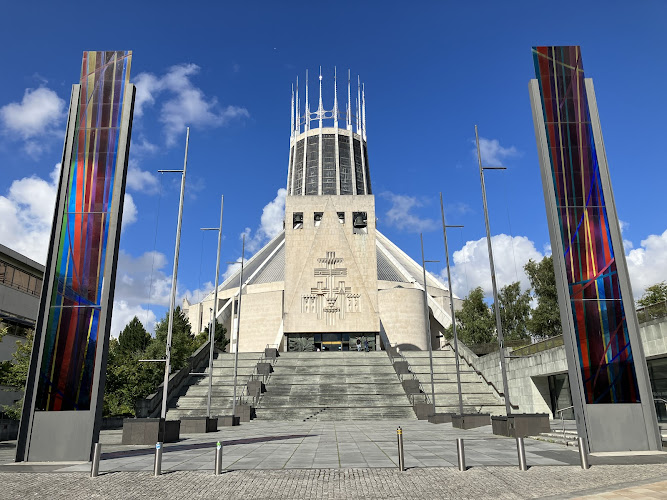
Liverpool Metropolitan Cathedral

Mersey Tunnel Tours

Sefton Park
Find Accommodations Nearby
Recommended Tours & Activities
Visitor Reviews
There are no reviews yet. Be the first one to write one.
Share Your Experience
Have you visited The Beatles Statues? Help other travelers by leaving a review.