
Museum Mayer van den Bergh
About Museum Mayer van den Bergh
Description
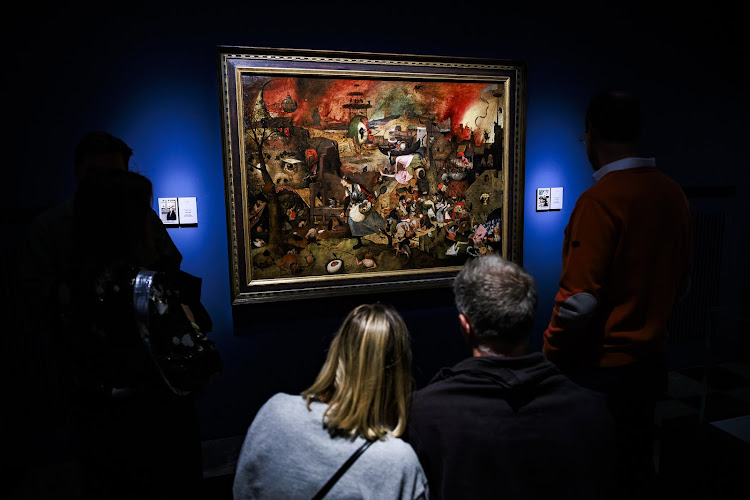
Museum Mayer van den Bergh stands as one of Antwerp's most captivating art museums, though it doesn't always get the recognition it deserves compared to its larger neighbors. This isn't your typical sprawling museum where you'll spend hours wandering through endless corridors. Instead, you're stepping into what once was a private residence, transformed into a remarkable showcase of one man's passionate pursuit of medieval and Renaissance art. Fritz Mayer van den Bergh was an obsessive collector in the best possible way. During the 19th century, he amassed an extraordinary collection of artwork, sculptures, and decorative objects that would make any museum curator envious today. The guy had an eye for quality, and he was particularly drawn to Flemish masters. When Fritz passed away at just 43 years old, his mother Henriëtte did something truly special - she built this museum to honor his legacy and share his treasures with the world. What makes this place genuinely special is the intimate atmosphere. You're not dealing with massive crowds pushing past you to glimpse famous artworks. The museum occupies a neo-Gothic building that was specifically designed to house this collection, and walking through feels more like exploring a wealthy collector's home than a traditional institutional space. The rooms maintain that personal touch, which honestly makes the whole experience more memorable. The crown jewel here is Pieter Bruegel the Elder's "Dulle Griet" (Mad Meg), a fantastical painting depicting an armed woman striding through a hellish landscape. It's absolutely wild - the kind of painting you could study for hours and still discover new bizarre details. And here's the thing: you can actually get close to it, really examine Bruegel's technique without fighting through hordes of tourists. That alone makes the visit worthwhile for art enthusiasts.Key Features
- Houses Pieter Bruegel the Elder's "Dulle Griet," one of the artist's most enigmatic and powerful works featuring surreal imagery and incredible detail
- Contains an exceptional collection of medieval manuscripts, tapestries, and illuminated books that showcase the artistry of forgotten craftspeople
- Features remarkable Flemish paintings from the 14th through 16th centuries, representing a golden age of Northern European art
- Displays an impressive array of sculptural works including wooden altarpieces, ivory carvings, and religious statuary that reveal medieval devotional practices
- Offers intimate viewing conditions within a historic neo-Gothic building designed specifically to complement the collection
- Includes decorative arts such as metalwork, glass, ceramics, and furniture that provide context for how wealthy Europeans actually lived
- Presents works by lesser-known but talented artists who deserve more attention, including pieces attributed to Quinten Matsys and other Antwerp masters
- Maintains the personal collecting philosophy of Fritz Mayer van den Bergh, creating a coherent narrative rather than a random assemblage
- Provides wheelchair accessible facilities including adapted restrooms for visitors with mobility needs
- Operates a gift shop with unique items related to medieval and Renaissance art
- Welcomes families with kid-friendly activities and discounted admission for children
- Creates an inclusive environment that's welcoming to LGBTQ+ visitors and serves as a safe space for all guests
Best Time to Visit
Timing your visit to Museum Mayer van den Bergh can make a substantial difference in your experience. I've found that weekday mornings are absolutely ideal - you'll often have entire rooms to yourself, which is pretty rare for a museum housing such important works. Tuesday through Thursday mornings right when they open tend to be the quietest periods. Weekends do get busier, but we're talking relatively speaking here. This isn't the Louvre or the Rijksmuseum where you're elbowing through crowds. Even on a Saturday afternoon, the museum maintains a peaceful atmosphere. But if you really want that contemplative experience where you can sit on a bench and just absorb Bruegel's genius without distractions, avoid weekend afternoons. Season-wise, winter months from November through February see fewer tourists overall in Antwerp, which means the museum gets even quieter. The trade-off is shorter daylight hours and potentially dreary weather, but for museum-hopping that's actually perfect. Plus there's something atmospheric about viewing medieval art on a gray Belgian winter day - it somehow feels more authentic. Summer brings more tourists to Antwerp, and yes, the museum sees increased foot traffic. July and August are peak season. However, many visitors prioritize the bigger attractions like the Cathedral or Rubens House, so Mayer van den Bergh still won't feel overwhelming. And honestly, the museum's size works in its favor here - even with more visitors, the flow remains manageable. If you're flexible with your schedule, visiting during the off-season shoulder months of March, April, October, or early November offers that sweet spot of decent weather, fewer crowds, and lower accommodation prices in Antwerp generally. You get the best of both worlds.How to Get There
Getting to Museum Mayer van den Bergh is refreshingly straightforward, especially if you're already staying in central Antwerp. The museum sits in the heart of the city, within easy walking distance from most downtown hotels. From Antwerp Central Station - that architectural masterpiece you've probably seen photos of - it's roughly a 15-minute walk through pleasant streets. Just head southwest toward the old town. Walking is genuinely the best option if weather permits. You'll pass through some charming neighborhoods and get a feel for Antwerp's layout. The route takes you through areas with cafes and shops, so you can easily combine your museum visit with other explorations. For those using public transport, Antwerp's tram system is efficient and tourist-friendly. Trams 3, 5, 9, and 15 all stop nearby at various points around the museum. The closest stop is typically Nationalestraat, which leaves you just a couple minutes walk from the entrance. Purchase tickets from machines at tram stops or use the De Lijn app on your smartphone - it's cheaper than buying onboard. If you're driving into Antwerp, be aware that the museum doesn't have its own parking lot, and the surrounding area consists of narrow medieval streets not exactly designed for modern vehicles. Your best bet is parking at one of the city center parking garages like Parking Steendok or Parking Arenberg, then walking or taking a tram. Honestly though, I'd recommend against driving in central Antwerp if you can avoid it. The public transport really is excellent. Cycling is hugely popular in Belgium, and Antwerp has dedicated bike lanes throughout. If you're comfortable riding in city traffic, this can be an efficient way to get around. The city offers bike rental through the Velo system, and you'll find bike parking near the museum entrance. For visitors with mobility concerns, note that while the museum interior is wheelchair accessible with adapted restrooms, getting there might require planning. Not all trams are equally accessible, so check the De Lijn website for information on low-floor trams. Taxis and ride-sharing services can provide door-to-door service if needed.Tips for Visiting
Let me share some practical wisdom that'll enhance your Museum Mayer van den Bergh experience. First off, allow yourself at least 90 minutes, though two hours is better if you're really into art. This isn't a place to rush through. The collection is compact but dense with masterpieces that deserve your attention. Download the museum's audio guide if they offer one, or consider booking a guided tour. With medieval and Renaissance art, context matters enormously. Understanding the symbolism, religious references, and historical background transforms these works from pretty pictures into meaningful windows into past societies. Without that context, you might walk past incredible pieces without realizing their significance. Photography policies vary, so check current rules when you arrive. Generally speaking, non-flash photography is permitted for personal use. But here's a tip: resist the urge to view everything through your phone screen. Actually look at the paintings with your eyes. I know that sounds obvious, but you'd be surprised how many people spend their entire visit framing shots instead of experiencing the art directly. Wear comfortable shoes. The floors are original and can be hard on feet after prolonged standing. And you will be standing, studying details in paintings and sculptures. Those museum benches are there for a reason - use them. Sitting in front of Dulle Griet for ten minutes beats glancing at it for thirty seconds. The museum operates a small but well-curated gift shop. If you're into art books, they stock some excellent publications about medieval art and Bruegel specifically that can be hard to find elsewhere. The quality is substantially better than typical tourist merchandise. Admission fees are reasonable, and there are discounts for children, students, and seniors. Some Antwerp museum passes include entry here, so if you're planning to visit multiple museums, investigate combo tickets - you might save money. Kids under a certain age often get in free or at reduced rates. The museum is family-friendly, and they do offer activities designed for children. However, let's be real: this collection appeals more to adults and older kids who can appreciate the artistry. If you're traveling with young children, come prepared with strategies to keep them engaged. The museum staff can sometimes provide activity sheets or guides designed for younger visitors. Bathrooms are available and wheelchair accessible, but there isn't a restaurant or cafe within the museum. Plan accordingly. Antwerp has fantastic coffee shops and restaurants nearby, so consider timing your visit around a meal at one of the local establishments. The museum's size means you won't experience the overwhelming fatigue that hits at massive institutions. This works in your favor - you can thoroughly enjoy the collection without reaching that point where all the art blurs together. But it also means some visitors zip through too quickly. Resist that temptation. Quality over quantity applies here. Check the museum's schedule before visiting, as they occasionally close for private events or have adjusted hours on holidays. Nothing's more frustrating than arriving to find closed doors. Finally, combine your visit with exploring the surrounding neighborhood. The museum sits in a historic part of Antwerp with beautiful architecture, interesting shops, and excellent dining options. Make an afternoon of it rather than treating the museum as an isolated checkbox on your itinerary. And one last thing - keep an open mind about lesser-known artists in the collection. While Bruegel rightfully draws visitors, Fritz Mayer van den Bergh collected many other exceptional pieces. Some of my favorite moments here came from discovering artists I'd never heard of but whose work absolutely knocked me out. That's the magic of smaller museums like this one.Key Features
- Intimate historic townhouse setting preserving the collector’s original display
- Notable holdings of medieval and Renaissance paintings, sculptures and devotional objects
- Signature highlight: important work by Pieter Bruegel the Elder (on special display/rotation)
- Strong provenance and collector-story focus — insight into Fritz Mayer van den Bergh’s tastes
- Small scale that allows focused visits without museum fatigue
More Details
Updated March 30, 2026
Table of Contents
Description
Museum Mayer van den Bergh stands as one of Antwerp’s most captivating art museums, though it doesn’t always get the recognition it deserves compared to its larger neighbors. This isn’t your typical sprawling museum where you’ll spend hours wandering through endless corridors. Instead, you’re stepping into what once was a private residence, transformed into a remarkable showcase of one man’s passionate pursuit of medieval and Renaissance art.
Fritz Mayer van den Bergh was an obsessive collector in the best possible way. During the 19th century, he amassed an extraordinary collection of artwork, sculptures, and decorative objects that would make any museum curator envious today. The guy had an eye for quality, and he was particularly drawn to Flemish masters. When Fritz passed away at just 43 years old, his mother Henriëtte did something truly special – she built this museum to honor his legacy and share his treasures with the world.
What makes this place genuinely special is the intimate atmosphere. You’re not dealing with massive crowds pushing past you to glimpse famous artworks. The museum occupies a neo-Gothic building that was specifically designed to house this collection, and walking through feels more like exploring a wealthy collector’s home than a traditional institutional space. The rooms maintain that personal touch, which honestly makes the whole experience more memorable.
The crown jewel here is Pieter Bruegel the Elder’s “Dulle Griet” (Mad Meg), a fantastical painting depicting an armed woman striding through a hellish landscape. It’s absolutely wild – the kind of painting you could study for hours and still discover new bizarre details. And here’s the thing: you can actually get close to it, really examine Bruegel’s technique without fighting through hordes of tourists. That alone makes the visit worthwhile for art enthusiasts.
Key Features
- Houses Pieter Bruegel the Elder’s “Dulle Griet,” one of the artist’s most enigmatic and powerful works featuring surreal imagery and incredible detail
- Contains an exceptional collection of medieval manuscripts, tapestries, and illuminated books that showcase the artistry of forgotten craftspeople
- Features remarkable Flemish paintings from the 14th through 16th centuries, representing a golden age of Northern European art
- Displays an impressive array of sculptural works including wooden altarpieces, ivory carvings, and religious statuary that reveal medieval devotional practices
- Offers intimate viewing conditions within a historic neo-Gothic building designed specifically to complement the collection
- Includes decorative arts such as metalwork, glass, ceramics, and furniture that provide context for how wealthy Europeans actually lived
- Presents works by lesser-known but talented artists who deserve more attention, including pieces attributed to Quinten Matsys and other Antwerp masters
- Maintains the personal collecting philosophy of Fritz Mayer van den Bergh, creating a coherent narrative rather than a random assemblage
- Provides wheelchair accessible facilities including adapted restrooms for visitors with mobility needs
- Operates a gift shop with unique items related to medieval and Renaissance art
- Welcomes families with kid-friendly activities and discounted admission for children
- Creates an inclusive environment that’s welcoming to LGBTQ+ visitors and serves as a safe space for all guests
Best Time to Visit
Timing your visit to Museum Mayer van den Bergh can make a substantial difference in your experience. I’ve found that weekday mornings are absolutely ideal – you’ll often have entire rooms to yourself, which is pretty rare for a museum housing such important works. Tuesday through Thursday mornings right when they open tend to be the quietest periods.
Weekends do get busier, but we’re talking relatively speaking here. This isn’t the Louvre or the Rijksmuseum where you’re elbowing through crowds. Even on a Saturday afternoon, the museum maintains a peaceful atmosphere. But if you really want that contemplative experience where you can sit on a bench and just absorb Bruegel’s genius without distractions, avoid weekend afternoons.
Season-wise, winter months from November through February see fewer tourists overall in Antwerp, which means the museum gets even quieter. The trade-off is shorter daylight hours and potentially dreary weather, but for museum-hopping that’s actually perfect. Plus there’s something atmospheric about viewing medieval art on a gray Belgian winter day – it somehow feels more authentic.
Summer brings more tourists to Antwerp, and yes, the museum sees increased foot traffic. July and August are peak season. However, many visitors prioritize the bigger attractions like the Cathedral or Rubens House, so Mayer van den Bergh still won’t feel overwhelming. And honestly, the museum’s size works in its favor here – even with more visitors, the flow remains manageable.
If you’re flexible with your schedule, visiting during the off-season shoulder months of March, April, October, or early November offers that sweet spot of decent weather, fewer crowds, and lower accommodation prices in Antwerp generally. You get the best of both worlds.
How to Get There
Getting to Museum Mayer van den Bergh is refreshingly straightforward, especially if you’re already staying in central Antwerp. The museum sits in the heart of the city, within easy walking distance from most downtown hotels. From Antwerp Central Station – that architectural masterpiece you’ve probably seen photos of – it’s roughly a 15-minute walk through pleasant streets. Just head southwest toward the old town.
Walking is genuinely the best option if weather permits. You’ll pass through some charming neighborhoods and get a feel for Antwerp’s layout. The route takes you through areas with cafes and shops, so you can easily combine your museum visit with other explorations.
For those using public transport, Antwerp’s tram system is efficient and tourist-friendly. Trams 3, 5, 9, and 15 all stop nearby at various points around the museum. The closest stop is typically Nationalestraat, which leaves you just a couple minutes walk from the entrance. Purchase tickets from machines at tram stops or use the De Lijn app on your smartphone – it’s cheaper than buying onboard.
If you’re driving into Antwerp, be aware that the museum doesn’t have its own parking lot, and the surrounding area consists of narrow medieval streets not exactly designed for modern vehicles. Your best bet is parking at one of the city center parking garages like Parking Steendok or Parking Arenberg, then walking or taking a tram. Honestly though, I’d recommend against driving in central Antwerp if you can avoid it. The public transport really is excellent.
Cycling is hugely popular in Belgium, and Antwerp has dedicated bike lanes throughout. If you’re comfortable riding in city traffic, this can be an efficient way to get around. The city offers bike rental through the Velo system, and you’ll find bike parking near the museum entrance.
For visitors with mobility concerns, note that while the museum interior is wheelchair accessible with adapted restrooms, getting there might require planning. Not all trams are equally accessible, so check the De Lijn website for information on low-floor trams. Taxis and ride-sharing services can provide door-to-door service if needed.
Tips for Visiting
Let me share some practical wisdom that’ll enhance your Museum Mayer van den Bergh experience. First off, allow yourself at least 90 minutes, though two hours is better if you’re really into art. This isn’t a place to rush through. The collection is compact but dense with masterpieces that deserve your attention.
Download the museum’s audio guide if they offer one, or consider booking a guided tour. With medieval and Renaissance art, context matters enormously. Understanding the symbolism, religious references, and historical background transforms these works from pretty pictures into meaningful windows into past societies. Without that context, you might walk past incredible pieces without realizing their significance.
Photography policies vary, so check current rules when you arrive. Generally speaking, non-flash photography is permitted for personal use. But here’s a tip: resist the urge to view everything through your phone screen. Actually look at the paintings with your eyes. I know that sounds obvious, but you’d be surprised how many people spend their entire visit framing shots instead of experiencing the art directly.
Wear comfortable shoes. The floors are original and can be hard on feet after prolonged standing. And you will be standing, studying details in paintings and sculptures. Those museum benches are there for a reason – use them. Sitting in front of Dulle Griet for ten minutes beats glancing at it for thirty seconds.
The museum operates a small but well-curated gift shop. If you’re into art books, they stock some excellent publications about medieval art and Bruegel specifically that can be hard to find elsewhere. The quality is substantially better than typical tourist merchandise.
Admission fees are reasonable, and there are discounts for children, students, and seniors. Some Antwerp museum passes include entry here, so if you’re planning to visit multiple museums, investigate combo tickets – you might save money. Kids under a certain age often get in free or at reduced rates.
The museum is family-friendly, and they do offer activities designed for children. However, let’s be real: this collection appeals more to adults and older kids who can appreciate the artistry. If you’re traveling with young children, come prepared with strategies to keep them engaged. The museum staff can sometimes provide activity sheets or guides designed for younger visitors.
Bathrooms are available and wheelchair accessible, but there isn’t a restaurant or cafe within the museum. Plan accordingly. Antwerp has fantastic coffee shops and restaurants nearby, so consider timing your visit around a meal at one of the local establishments.
The museum’s size means you won’t experience the overwhelming fatigue that hits at massive institutions. This works in your favor – you can thoroughly enjoy the collection without reaching that point where all the art blurs together. But it also means some visitors zip through too quickly. Resist that temptation. Quality over quantity applies here.
Check the museum’s schedule before visiting, as they occasionally close for private events or have adjusted hours on holidays. Nothing’s more frustrating than arriving to find closed doors.
Finally, combine your visit with exploring the surrounding neighborhood. The museum sits in a historic part of Antwerp with beautiful architecture, interesting shops, and excellent dining options. Make an afternoon of it rather than treating the museum as an isolated checkbox on your itinerary.
And one last thing – keep an open mind about lesser-known artists in the collection. While Bruegel rightfully draws visitors, Fritz Mayer van den Bergh collected many other exceptional pieces. Some of my favorite moments here came from discovering artists I’d never heard of but whose work absolutely knocked me out. That’s the magic of smaller museums like this one.
Key Highlights
- Intimate historic townhouse setting preserving the collector’s original display
- Notable holdings of medieval and Renaissance paintings, sculptures and devotional objects
- Signature highlight: important work by Pieter Bruegel the Elder (on special display/rotation)
- Strong provenance and collector-story focus — insight into Fritz Mayer van den Bergh’s tastes
- Small scale that allows focused visits without museum fatigue
Location
Places to Stay Near Museum Mayer van den Bergh
Find and Book a Tour
Explore More Travel Guides
No reviews found! Be the first to review!
Museum Mayer van den Bergh is a prominent museums located in Antwerp.
Visit us at: Lange Gasthuisstraat 19, 2000 Antwerpen, Belgium.
Traveler Reviews for Museum Mayer van den Bergh
There are no reviews yet. Be the first one to write one.
Have you visited Museum Mayer van den Bergh? Help other travelers by sharing your review.
Nearby Attractions
You Might Also Like

Sint-Carolus Borromeuskerk

M HKA - Museum of Contemporary Art

Cathedral of Our Lady
Find Accommodations Nearby
Recommended Tours & Activities
Visitor Reviews
There are no reviews yet. Be the first one to write one.
Share Your Experience
Have you visited Museum Mayer van den Bergh? Help other travelers by leaving a review.