
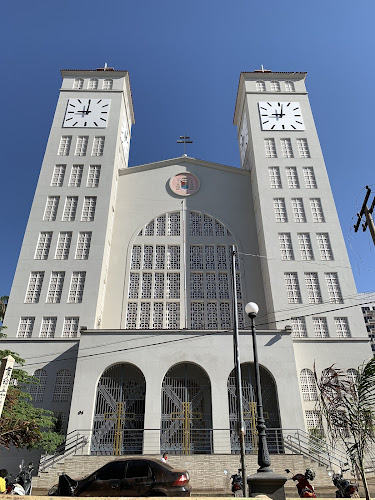
Catedral Basílica do Senhor Bom Jesus
About Catedral Basílica do Senhor Bom Jesus
Description
The Catedral Basílica do Senhor Bom Jesus stands as one of Brazil's most impressive religious landmarks, drawing visitors from across the globe who seek both spiritual enrichment and architectural wonder. This Catholic cathedral commands attention with its twin clock towers that pierce the skyline, serving as navigational beacons for travelers exploring the region. But what really sets this place apart isn't just its exterior grandeur—it's the unexpected treasure trove of religious art waiting inside. Walking through the entrance, visitors find themselves surrounded by an art collection that rivals many dedicated museums. The interior houses paintings, sculptures, and decorative elements that span centuries of Catholic artistic tradition. And honestly, many travelers don't expect the sheer volume of artistic works housed within these walls when they first approach the building. The cathedral functions as both an active place of worship and a living gallery where faith and art intersect in remarkable ways. The peaceful atmosphere creates a sanctuary from the bustling streets outside. Whether you're a devoted Catholic, an art enthusiast, or simply someone who appreciates beautiful spaces, this cathedral offers something genuinely meaningful. I've heard from countless travelers who initially planned a quick fifteen-minute visit but ended up staying for over an hour, completely absorbed by the details they kept discovering in every corner. The building's accessibility features ensure that visitors of all mobility levels can experience its beauty, which isn't something you can say about every historic religious site. This thoughtful approach to welcoming all pilgrims and tourists reflects the cathedral's commitment to serving as an inclusive space for the community.Key Features
Visitors to the Catedral Basílica do Senhor Bom Jesus can expect to encounter several distinctive elements that make this cathedral memorable:- Twin Clock Towers: The cathedral's dual towers create an iconic silhouette that's instantly recognizable and perfect for photography enthusiasts seeking that signature shot
- Extensive Religious Art Collection: The interior features an impressive array of paintings, sculptures, and religious artifacts that document centuries of Catholic artistic expression
- Historic Architecture: The building itself represents an important period in Brazilian religious architecture with details that architecture buffs will appreciate
- Active Worship Space: Unlike some cathedrals that function primarily as museums, this remains a living church where regular masses and religious ceremonies take place
- Ornate Altars and Chapels: Multiple side chapels and elaborately decorated altars provide quiet spaces for contemplation and detailed examination of craftsmanship
- Stained Glass Windows: Beautiful colored glass work that transforms natural light into ethereal displays throughout different times of day
- Peaceful Ambiance: Despite being a tourist attraction, the cathedral maintains a serene atmosphere that encourages reflection
- Full Accessibility Features: Wheelchair-accessible entrance, parking, and restrooms ensure all visitors can explore comfortably
- Central Location: Positioned in an area that makes it easy to combine with other sightseeing activities in the same trip
- Photography Opportunities: Both interior and exterior provide countless angles for capturing memorable travel photos
Best Time to Visit
Timing your visit to the Catedral Basílica do Senhor Bom Jesus can significantly impact your experience. The cathedral welcomes visitors throughout the year, but certain periods offer distinct advantages depending on what you're looking for. Weekday mornings, particularly Tuesday through Thursday between 9 AM and 11 AM, tend to be the quietest times. You'll have more space to wander, better lighting for photography, and fewer crowds competing for views of the most popular artworks. These peaceful morning hours let you really absorb the atmosphere without feeling rushed or constantly navigating around other visitors. If you're interested in experiencing the cathedral as an active worship space, attending a Sunday mass provides a completely different perspective. The building comes alive with hymns, the organ's resonant tones filling every corner, and you'll witness the cathedral serving its primary purpose. Just be respectful of worshippers and save extensive photography and wandering for before or after the service. Religious holidays and festivals transform the cathedral into an even more spectacular sight. Easter Week sees elaborate decorations and special ceremonies, while Christmas brings seasonal displays that add another layer of beauty to the already stunning interior. However, these periods also attract the largest crowds, so arrive early if you're visiting during major Catholic celebrations. Weather-wise, Brazil's dry season typically offers more comfortable exploration conditions. But since you'll spend most of your time indoors, weather considerations matter less here than at outdoor attractions. That said, the natural light filtering through the stained glass windows changes dramatically throughout the day. Late afternoon visits between 3 PM and 5 PM often produce the most dramatic lighting effects as the sun angles lower in the sky. Avoid visiting during scheduled tour group arrival times if possible. Large groups can make the interior feel cramped and photography challenging. The cathedral staff can sometimes provide information about when major tour buses are expected.How to Get There
Reaching the Catedral Basílica do Senhor Bom Jesus is straightforward for most travelers, regardless of their chosen transportation method. The cathedral's central positioning makes it accessible through various routes, and you'll find the journey itself offers glimpses of local life. For those relying on public transportation, multiple bus lines stop within walking distance of the cathedral. Local buses provide an authentic experience and cost-effective travel option. Ask your hotel staff or accommodation host which specific bus numbers serve the cathedral area—they'll usually write down the route numbers and key landmarks to watch for. Most drivers and regular passengers are helpful when they realize you're a tourist trying to reach a major landmark. Taxi services and ride-sharing apps offer door-to-door convenience. Simply enter the cathedral's name into your preferred app, and drivers will know exactly where to take you. The fare from most tourist-area hotels remains quite reasonable. And honestly, if you're traveling with companions or mobility concerns, the small additional cost over public transit provides worthwhile convenience and time savings. Walking to the cathedral makes sense if you're staying in the downtown area. The pedestrian-friendly streets allow you to discover cafes, shops, and local architecture along the way. Comfortable shoes are essential though—Brazilian sidewalks can be uneven in places. For visitors with rental cars, the cathedral provides wheelchair-accessible parking, though spaces can fill quickly during peak visiting hours and religious services. Arrive early on weekends if you're planning to drive. Street parking in surrounding blocks offers alternatives when the dedicated lot reaches capacity. Many travelers combine their cathedral visit with other nearby attractions, making it a logical stop on a walking tour of historic sites. Consider planning your route to include lunch at a local restaurant before or after your visit—there are some excellent spots within a few blocks that serve authentic regional cuisine.Tips for Visiting
Getting the most from your Catedral Basílica do Senhor Bom Jesus experience requires some practical knowledge that guidebooks sometimes overlook. These insights come from real visitor experiences and will help you avoid common pitfalls. Dress modestly out of respect for the sacred space and Catholic traditions. This means covering shoulders and knees—a rule that's actually enforced, not just suggested. I've seen tourists turned away at the entrance for wearing shorts or tank tops, which is disappointing after they've made the journey there. Carry a lightweight scarf or shawl in your bag that can quickly cover bare shoulders if needed. The dress code applies regardless of whether mass is in session. Photography is generally permitted, but flash photography often isn't allowed as it damages artwork and disturbs worshippers. Check current rules at the entrance since policies can change. Even without flash, the interior lighting is usually sufficient for modern smartphone cameras and digital cameras with decent low-light capabilities. Take your time composing shots—rushing produces disappointing results. Restroom facilities are available on-site, which isn't always guaranteed at historic religious buildings. Use them before starting your exploration since repeatedly exiting and re-entering interrupts your experience. Consider hiring a local guide or downloading an audio guide if available. The artistic and historical significance of many features isn't immediately obvious to casual observers. That painting you might walk past without a second glance could be a 300-year-old masterpiece with a fascinating backstory. Context transforms sightseeing into genuine understanding. Silence your phone completely—not just putting it on vibrate—before entering. The cathedral's acoustics mean even quiet sounds carry surprisingly far. Be that respectful visitor who enhances rather than detracts from others' experiences. Visit the smaller side chapels that many tourists overlook in their rush to see the main altar. These quieter spaces often contain some of the most intimate and beautifully crafted artwork. Plus, they provide peaceful spots for rest and reflection away from the main flow of foot traffic. Bring a reusable water bottle but finish drinking before entering the worship areas. Staying hydrated in Brazil's climate is important, but food and drinks inside the cathedral are inappropriate. Allow more time than you initially think necessary. Thirty minutes feels adequate when planning your itinerary, but most visitors find themselves wanting at least an hour once they're actually inside exploring. Rushing through a place like this defeats the purpose. If you're visiting during active worship services, remain in the back areas unless participating in the service. Wandering around during mass is disrespectful to those who came for religious purposes rather than tourism. The cathedral accepts donations, and while there's typically no entrance fee, contributing a few reals helps maintain this historic building and its art collection for future generations. Every visitor benefits from the preservation work these donations fund. Check the cathedral's schedule before planning your visit, as certain areas might be closed for private ceremonies, restoration work, or special events. A quick inquiry at your hotel or a phone call ahead prevents wasted trips. Finally, take moments to simply sit quietly and absorb the atmosphere rather than constantly moving and photographing. The cathedral's true impact often comes not from any single artwork or architectural element but from the overall experience of being present in such a carefully crafted sacred space. Those quiet moments of appreciation often become the memories that outlast any photograph.Key Features
- Key Features
- Best Time to Visit
- How to Get There
- Tips for Visiting
More Details
Updated March 30, 2026
Table of Contents
- Description
- Key Features
- Best Time to Visit
- How to Get There
- Tips for Visiting
- Key Highlights
- Location
- Places to Stay Near Catedral Basílica do Senhor Bom Jesus
- Find and Book a Tour
- Explore More Travel Guides
- Nearby Places You Might Like
- Traveler Reviews for Catedral Basílica do Senhor Bom Jesus
- Share Your Experience
Description
The Catedral Basílica do Senhor Bom Jesus stands as one of Brazil’s most impressive religious landmarks, drawing visitors from across the globe who seek both spiritual enrichment and architectural wonder. This Catholic cathedral commands attention with its twin clock towers that pierce the skyline, serving as navigational beacons for travelers exploring the region. But what really sets this place apart isn’t just its exterior grandeur—it’s the unexpected treasure trove of religious art waiting inside.
Walking through the entrance, visitors find themselves surrounded by an art collection that rivals many dedicated museums. The interior houses paintings, sculptures, and decorative elements that span centuries of Catholic artistic tradition. And honestly, many travelers don’t expect the sheer volume of artistic works housed within these walls when they first approach the building. The cathedral functions as both an active place of worship and a living gallery where faith and art intersect in remarkable ways.
The peaceful atmosphere creates a sanctuary from the bustling streets outside. Whether you’re a devoted Catholic, an art enthusiast, or simply someone who appreciates beautiful spaces, this cathedral offers something genuinely meaningful. I’ve heard from countless travelers who initially planned a quick fifteen-minute visit but ended up staying for over an hour, completely absorbed by the details they kept discovering in every corner.
The building’s accessibility features ensure that visitors of all mobility levels can experience its beauty, which isn’t something you can say about every historic religious site. This thoughtful approach to welcoming all pilgrims and tourists reflects the cathedral’s commitment to serving as an inclusive space for the community.
Key Features
Visitors to the Catedral Basílica do Senhor Bom Jesus can expect to encounter several distinctive elements that make this cathedral memorable:
- Twin Clock Towers: The cathedral’s dual towers create an iconic silhouette that’s instantly recognizable and perfect for photography enthusiasts seeking that signature shot
- Extensive Religious Art Collection: The interior features an impressive array of paintings, sculptures, and religious artifacts that document centuries of Catholic artistic expression
- Historic Architecture: The building itself represents an important period in Brazilian religious architecture with details that architecture buffs will appreciate
- Active Worship Space: Unlike some cathedrals that function primarily as museums, this remains a living church where regular masses and religious ceremonies take place
- Ornate Altars and Chapels: Multiple side chapels and elaborately decorated altars provide quiet spaces for contemplation and detailed examination of craftsmanship
- Stained Glass Windows: Beautiful colored glass work that transforms natural light into ethereal displays throughout different times of day
- Peaceful Ambiance: Despite being a tourist attraction, the cathedral maintains a serene atmosphere that encourages reflection
- Full Accessibility Features: Wheelchair-accessible entrance, parking, and restrooms ensure all visitors can explore comfortably
- Central Location: Positioned in an area that makes it easy to combine with other sightseeing activities in the same trip
- Photography Opportunities: Both interior and exterior provide countless angles for capturing memorable travel photos
Best Time to Visit
Timing your visit to the Catedral Basílica do Senhor Bom Jesus can significantly impact your experience. The cathedral welcomes visitors throughout the year, but certain periods offer distinct advantages depending on what you’re looking for.
Weekday mornings, particularly Tuesday through Thursday between 9 AM and 11 AM, tend to be the quietest times. You’ll have more space to wander, better lighting for photography, and fewer crowds competing for views of the most popular artworks. These peaceful morning hours let you really absorb the atmosphere without feeling rushed or constantly navigating around other visitors.
If you’re interested in experiencing the cathedral as an active worship space, attending a Sunday mass provides a completely different perspective. The building comes alive with hymns, the organ’s resonant tones filling every corner, and you’ll witness the cathedral serving its primary purpose. Just be respectful of worshippers and save extensive photography and wandering for before or after the service.
Religious holidays and festivals transform the cathedral into an even more spectacular sight. Easter Week sees elaborate decorations and special ceremonies, while Christmas brings seasonal displays that add another layer of beauty to the already stunning interior. However, these periods also attract the largest crowds, so arrive early if you’re visiting during major Catholic celebrations.
Weather-wise, Brazil’s dry season typically offers more comfortable exploration conditions. But since you’ll spend most of your time indoors, weather considerations matter less here than at outdoor attractions. That said, the natural light filtering through the stained glass windows changes dramatically throughout the day. Late afternoon visits between 3 PM and 5 PM often produce the most dramatic lighting effects as the sun angles lower in the sky.
Avoid visiting during scheduled tour group arrival times if possible. Large groups can make the interior feel cramped and photography challenging. The cathedral staff can sometimes provide information about when major tour buses are expected.
How to Get There
Reaching the Catedral Basílica do Senhor Bom Jesus is straightforward for most travelers, regardless of their chosen transportation method. The cathedral’s central positioning makes it accessible through various routes, and you’ll find the journey itself offers glimpses of local life.
For those relying on public transportation, multiple bus lines stop within walking distance of the cathedral. Local buses provide an authentic experience and cost-effective travel option. Ask your hotel staff or accommodation host which specific bus numbers serve the cathedral area—they’ll usually write down the route numbers and key landmarks to watch for. Most drivers and regular passengers are helpful when they realize you’re a tourist trying to reach a major landmark.
Taxi services and ride-sharing apps offer door-to-door convenience. Simply enter the cathedral’s name into your preferred app, and drivers will know exactly where to take you. The fare from most tourist-area hotels remains quite reasonable. And honestly, if you’re traveling with companions or mobility concerns, the small additional cost over public transit provides worthwhile convenience and time savings.
Walking to the cathedral makes sense if you’re staying in the downtown area. The pedestrian-friendly streets allow you to discover cafes, shops, and local architecture along the way. Comfortable shoes are essential though—Brazilian sidewalks can be uneven in places.
For visitors with rental cars, the cathedral provides wheelchair-accessible parking, though spaces can fill quickly during peak visiting hours and religious services. Arrive early on weekends if you’re planning to drive. Street parking in surrounding blocks offers alternatives when the dedicated lot reaches capacity.
Many travelers combine their cathedral visit with other nearby attractions, making it a logical stop on a walking tour of historic sites. Consider planning your route to include lunch at a local restaurant before or after your visit—there are some excellent spots within a few blocks that serve authentic regional cuisine.
Tips for Visiting
Getting the most from your Catedral Basílica do Senhor Bom Jesus experience requires some practical knowledge that guidebooks sometimes overlook. These insights come from real visitor experiences and will help you avoid common pitfalls.
Dress modestly out of respect for the sacred space and Catholic traditions. This means covering shoulders and knees—a rule that’s actually enforced, not just suggested. I’ve seen tourists turned away at the entrance for wearing shorts or tank tops, which is disappointing after they’ve made the journey there. Carry a lightweight scarf or shawl in your bag that can quickly cover bare shoulders if needed. The dress code applies regardless of whether mass is in session.
Photography is generally permitted, but flash photography often isn’t allowed as it damages artwork and disturbs worshippers. Check current rules at the entrance since policies can change. Even without flash, the interior lighting is usually sufficient for modern smartphone cameras and digital cameras with decent low-light capabilities. Take your time composing shots—rushing produces disappointing results.
Restroom facilities are available on-site, which isn’t always guaranteed at historic religious buildings. Use them before starting your exploration since repeatedly exiting and re-entering interrupts your experience.
Consider hiring a local guide or downloading an audio guide if available. The artistic and historical significance of many features isn’t immediately obvious to casual observers. That painting you might walk past without a second glance could be a 300-year-old masterpiece with a fascinating backstory. Context transforms sightseeing into genuine understanding.
Silence your phone completely—not just putting it on vibrate—before entering. The cathedral’s acoustics mean even quiet sounds carry surprisingly far. Be that respectful visitor who enhances rather than detracts from others’ experiences.
Visit the smaller side chapels that many tourists overlook in their rush to see the main altar. These quieter spaces often contain some of the most intimate and beautifully crafted artwork. Plus, they provide peaceful spots for rest and reflection away from the main flow of foot traffic.
Bring a reusable water bottle but finish drinking before entering the worship areas. Staying hydrated in Brazil’s climate is important, but food and drinks inside the cathedral are inappropriate.
Allow more time than you initially think necessary. Thirty minutes feels adequate when planning your itinerary, but most visitors find themselves wanting at least an hour once they’re actually inside exploring. Rushing through a place like this defeats the purpose.
If you’re visiting during active worship services, remain in the back areas unless participating in the service. Wandering around during mass is disrespectful to those who came for religious purposes rather than tourism.
The cathedral accepts donations, and while there’s typically no entrance fee, contributing a few reals helps maintain this historic building and its art collection for future generations. Every visitor benefits from the preservation work these donations fund.
Check the cathedral’s schedule before planning your visit, as certain areas might be closed for private ceremonies, restoration work, or special events. A quick inquiry at your hotel or a phone call ahead prevents wasted trips.
Finally, take moments to simply sit quietly and absorb the atmosphere rather than constantly moving and photographing. The cathedral’s true impact often comes not from any single artwork or architectural element but from the overall experience of being present in such a carefully crafted sacred space. Those quiet moments of appreciation often become the memories that outlast any photograph.
Key Highlights
- Key Features
- Best Time to Visit
- How to Get There
- Tips for Visiting
Location
Places to Stay Near Catedral Basílica do Senhor Bom Jesus
Find and Book a Tour
Explore More Travel Guides
No reviews found! Be the first to review!
Catedral Basílica do Senhor Bom Jesus is a prominent attractions located in Cuiabá.
Visit us at: Praça da República, s/n – Centro Norte, Cuiabá – MT, 78005-240, Brazil.
Traveler Reviews for Catedral Basílica do Senhor Bom Jesus
There are no reviews yet. Be the first one to write one.
Have you visited Catedral Basílica do Senhor Bom Jesus? Help other travelers by sharing your review.
You Might Also Like
São Benedito

Morro de São Jerônimo
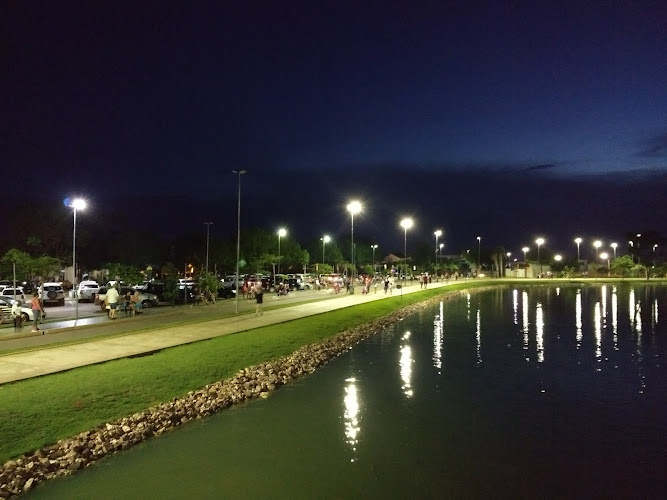
Parque Tia Nair
Find Accommodations Nearby
Recommended Tours & Activities
Visitor Reviews
There are no reviews yet. Be the first one to write one.
Share Your Experience
Have you visited Catedral Basílica do Senhor Bom Jesus? Help other travelers by leaving a review.